
















Copyright: ©Author(s) 2026.
World J Gastroenterol. May 21, 2026; 32(19): 112955
Published online May 21, 2026. doi: 10.3748/wjg.v32.i19.112955
Published online May 21, 2026. doi: 10.3748/wjg.v32.i19.112955
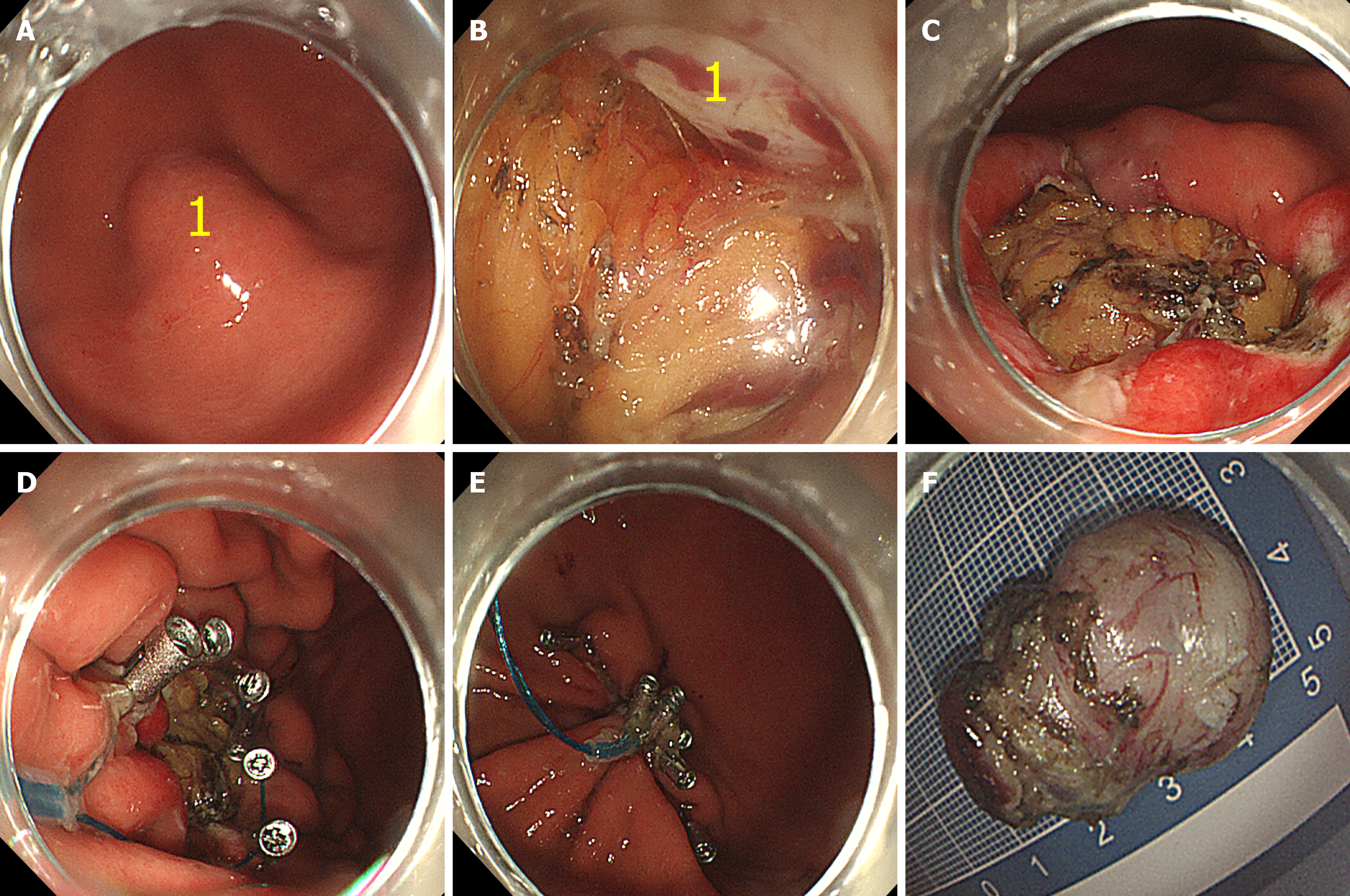
Figure 1 Conventional endoscopic full-thickness resection technology.
A: Subepithelial tumor located on the greater curvature of the lower stomach; B and C: Tumor exposure achieved with a transparent cap to delineate the interface between the lesion and surrounding tissue, followed by resection, leaving a large gastric wall defect; D and E: Defect closed using purse-string suture with clips and an endoloop ligation device; F: Resected specimen showing en bloc removal. 1: Indicates the tumor.
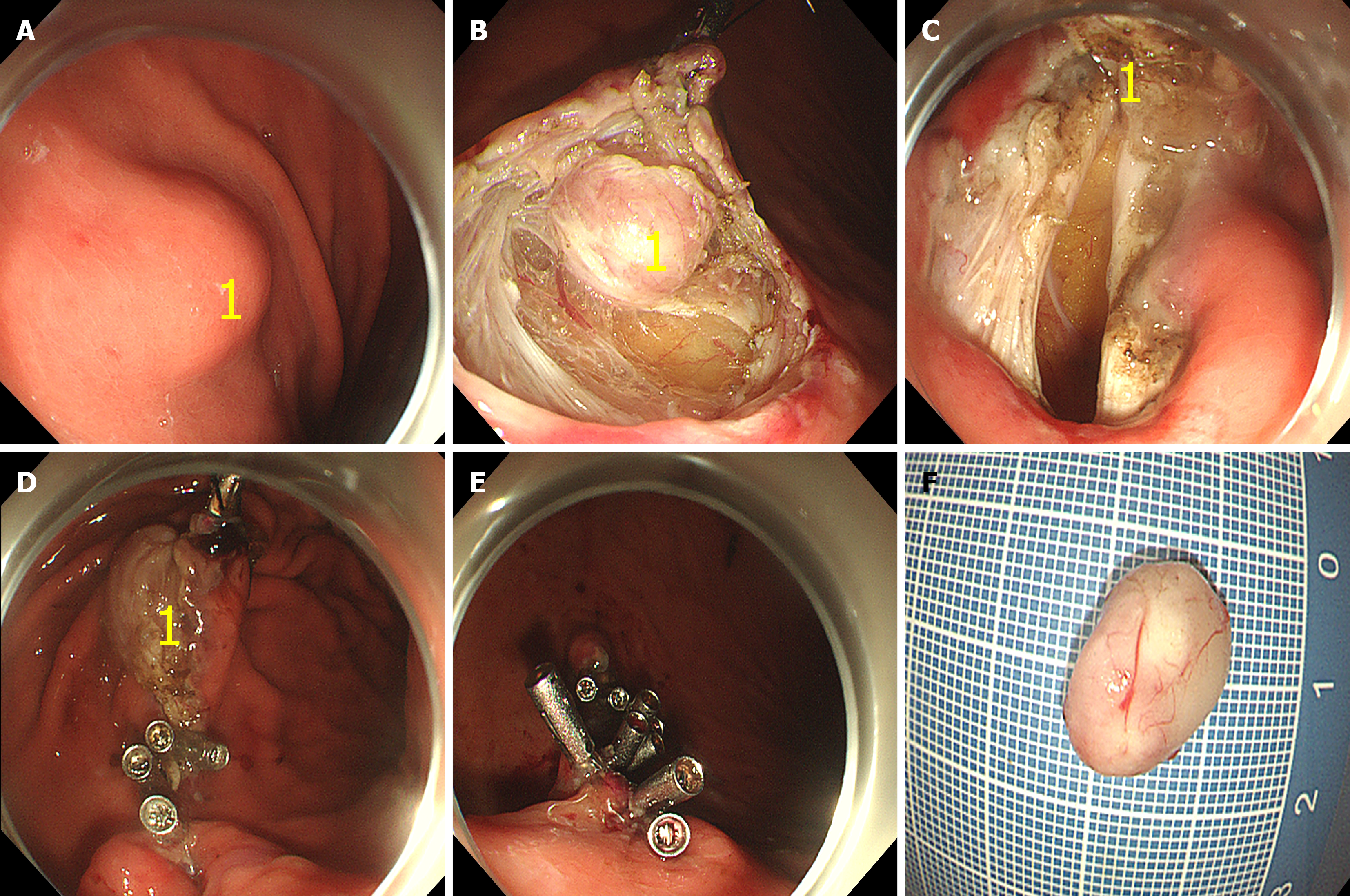
Figure 2 Traction-preclosure-endoscopic full-thickness resection technique.
A: Subepithelial tumor located on the posterior wall of the upper stomach; B: Clip-with-line traction applied upward to enhance tumor exposure and facilitate full-thickness resection; C and D: Upward traction linearizes the defect, allowing pre-closure before complete tumor removal; E: Additional clips used for reliable defect closure; F: Resected specimen confirming en bloc resection. 1: Indicates the tumor.
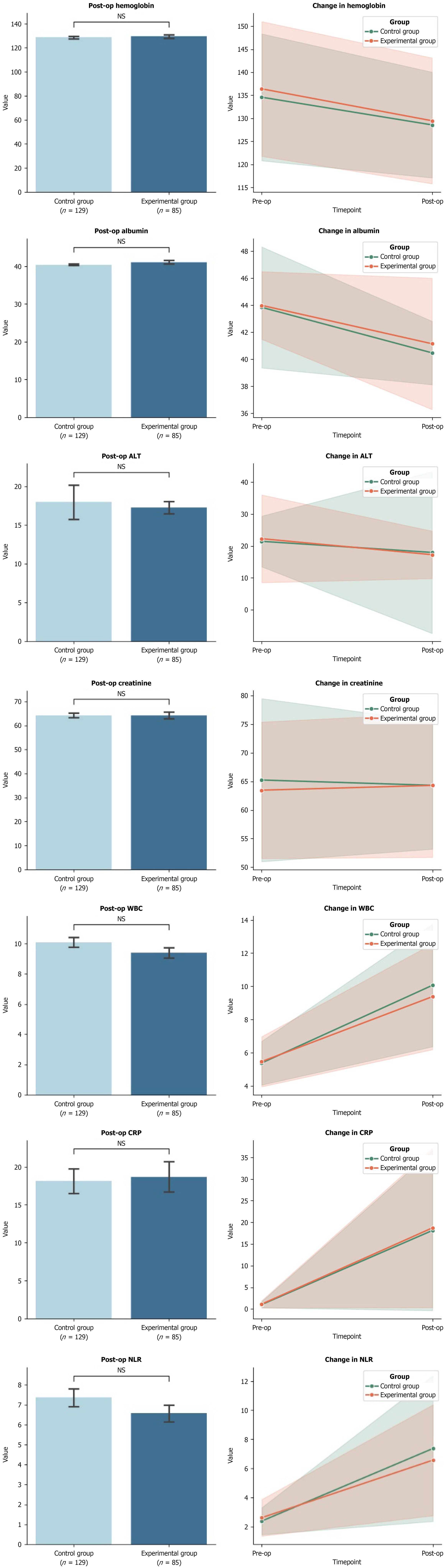
Figure 3 Comparison of preoperative and postoperative inflammatory markers.
ALT: Alanine aminotransferase; CRP: C-reactive protein; WBC: White blood cell count; NLR: Neutrophil-lymphocyte ratio.
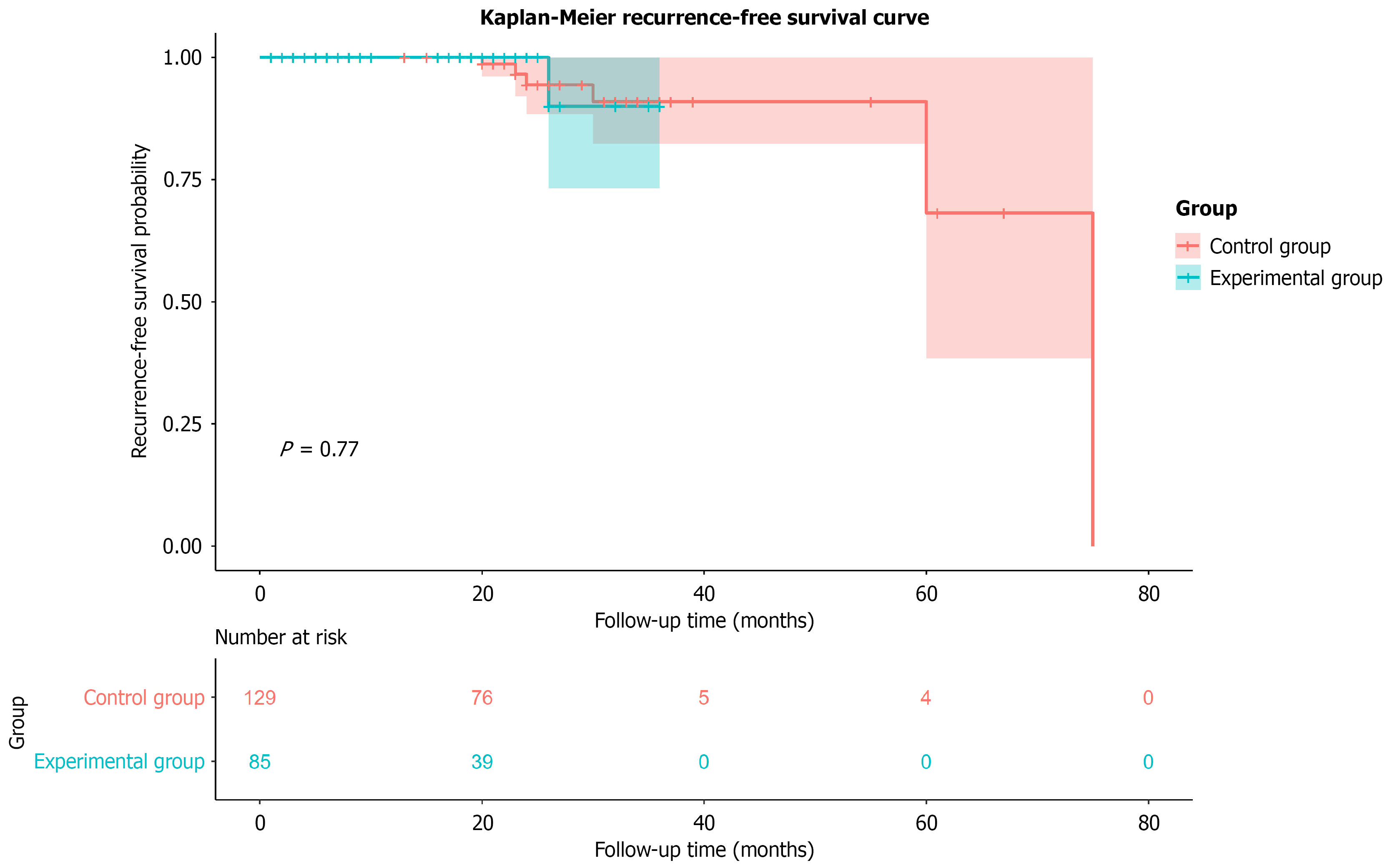
Figure 4 Kaplan-Meier curves for recurrence-free survival.
- Citation: Li X, Zhang RY, Wen XD, Li XQ, Liu WH. Traction-preclosure-assisted vs conventional endoscopic full-thickness resection for gastric subepithelial tumors: Safety, efficacy in a retrospective cohort (with video). World J Gastroenterol 2026; 32(19): 112955
- URL: https://www.wjgnet.com/1007-9327/full/v32/i19/112955.htm
- DOI: https://dx.doi.org/10.3748/wjg.v32.i19.112955