
















Copyright: ©Author(s) 2026.
World J Gastroenterol. May 7, 2026; 32(17): 119419
Published online May 7, 2026. doi: 10.3748/wjg.v32.i17.119419
Published online May 7, 2026. doi: 10.3748/wjg.v32.i17.119419
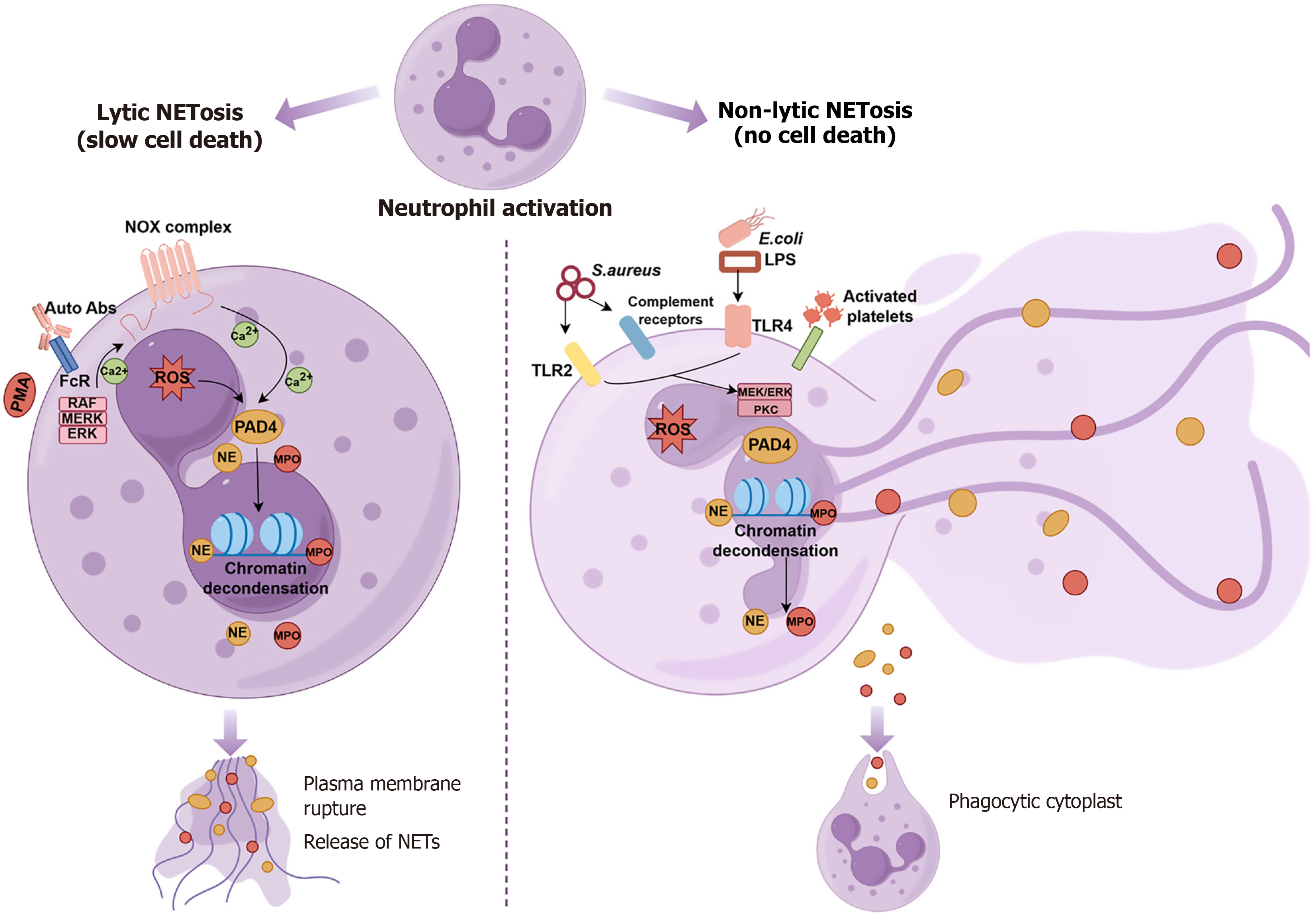
Figure 1 Two main types of neutrophil extracellular traps formation: Suicidal (lytic) and non-suicidal (vital).
Suicidal state of neutrophils with neutrophil extracellular traps formation (NETosis) can be triggered by phorbol myristate acetate, antibodies bounding to the Fc receptor. The Raf-mitogen-activated protein kinase-extracellular regulated protein kinases pathway and nicotinamide adenine dinucleotide phosphate oxidase-dependent reactive oxygen species production are activated. Activation of peptidylarginine deiminase (PAD) 4 results in histone citrullination, followed by exocytosis of decondensed chromatin and enzymes like neutrophil elastase (NE) and myeloperoxidase (MPO). Vital NETosis can be triggered by Staphylococcus aureus infection recognized by Toll-like receptor (TLR) 2 or complement receptors, or by Escherichia coli directly via TLR4 or indirectly via TLR4-activated platelets. Activated PAD4 in turn translocates to the nucleus converting arginine to citrulline on histones, and resulting in chromatin depolymerization, along with its extracellular release including NE and MPO. NOX: Nicotinamide adenine dinucleotide phosphate-oxidase; Abs: Antibodies; FcR: Fc receptor; PMA: Phorbol myristate acetate; MERK: Mitogen-activated protein kinase; ERK: Extracellular regulated protein kinases; Ca2+: Calcium ion; ROS: Reactive oxygen species; PAD4: Peptidylarginine deiminase 4; MPO: Myeloperoxidase; NE: Neutrophil elastase; NETs: Neutrophil extracellular traps; S. aureus: Staphylococcus aureus; E. coli: Escherichia coli; LPS: Lipopolysaccharide; PKC: Protein kinase C; TLR: Toll-like receptor; MEK: Mitogen-activated protein kinase kinase.
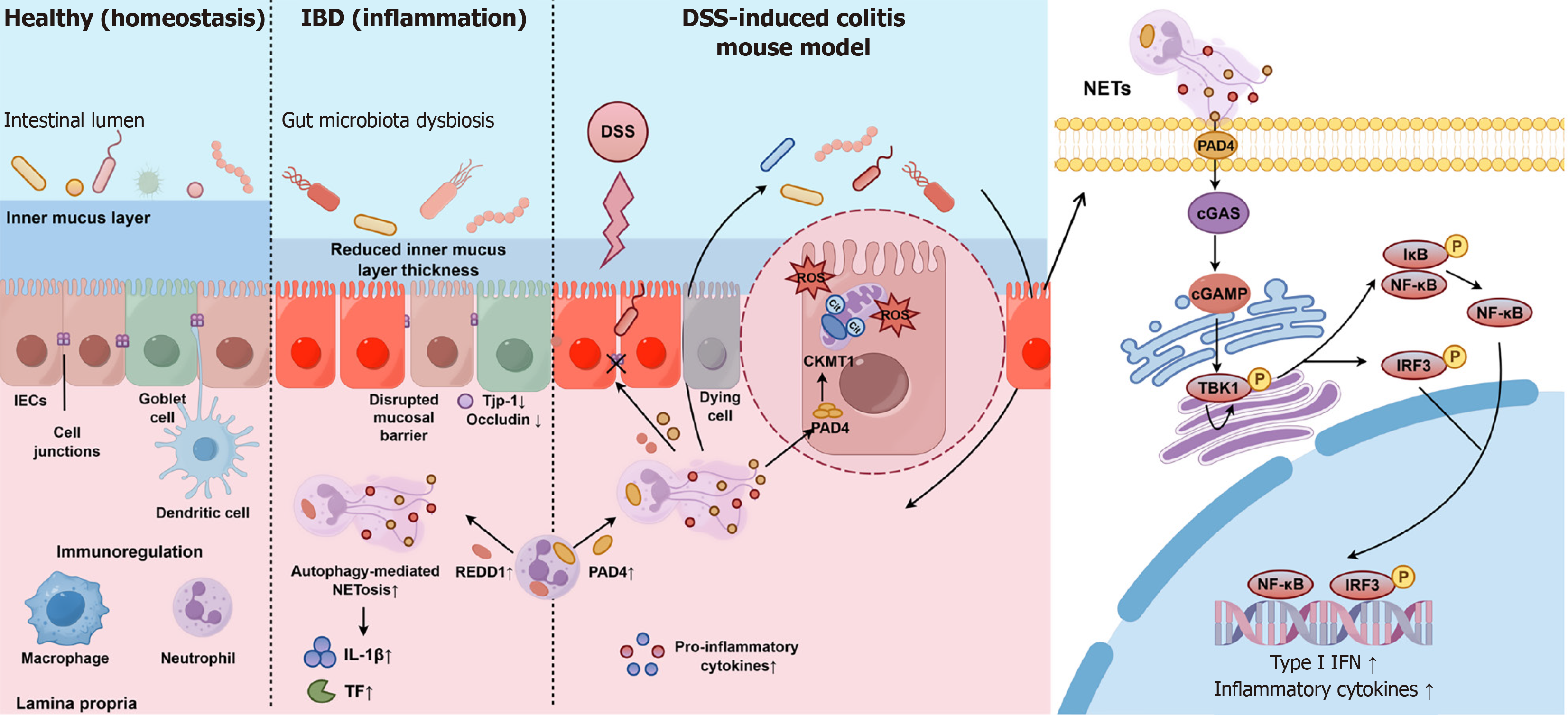
Figure 2 Pathogenic mechanisms of neutrophil extracellular traps in the pathogenesis of inflammatory bowel disease.
In ulcerative colitis (UC) patients, increased REDD1 from gut neutrophils triggers the generation of autophagy-driven neutrophil extracellular traps (NETs) decorated with bioactive interleukin-1β and tissue factor, exacerbates the inflammatory environment of UC. In dextran sulfate sodium-induced colitis mouse model to mimic human ulcerative colitis, Intestinal neutrophil-derived peptidylarginine deiminase (PAD) 4 induces mitochondrial creatine kinase 1 citrullination and intestinal epithelial cells apoptosis, leading to exacerbation of mucosal inflammation. NETs activate the cyclic guanosine monophosphate-adenosine monophosphate synthase-stimulator of interferon genes (STING) pathway to induce barrier dysfunction. PAD4-induced recruitment of TBK1 by STING subsequently activates downstream Interferon regulatory factor 3 and nuclear factor kappa-B signaling pathways, leading to the production of type I interferon and inflammatory cytokines. IECs: Intestinal epithelial cells; IBD: Inflammatory bowel disease; IL-1β: Interleukin-1β; TF: Tissue factor; DSS: Dextran sulfate sodium; ROS: Reactive oxygen species; PAD4: Peptidylarginine deiminase 4; CKMT1: Mitochondrial creatine kinase 1; NETs: Neutrophil extracellular traps; cGAS: Cyclic guanosine monophosphate-adenosine monophosphate synthase; cGAMP: Cyclic guanosine monophosphate-adenosine monophosphate; NF-κB: Nuclear factor kappa-B; IκB: Inhibitor of nuclear factor kappa-B; IRF3: Interferon regulatory factor 3; IFN: Interferon.
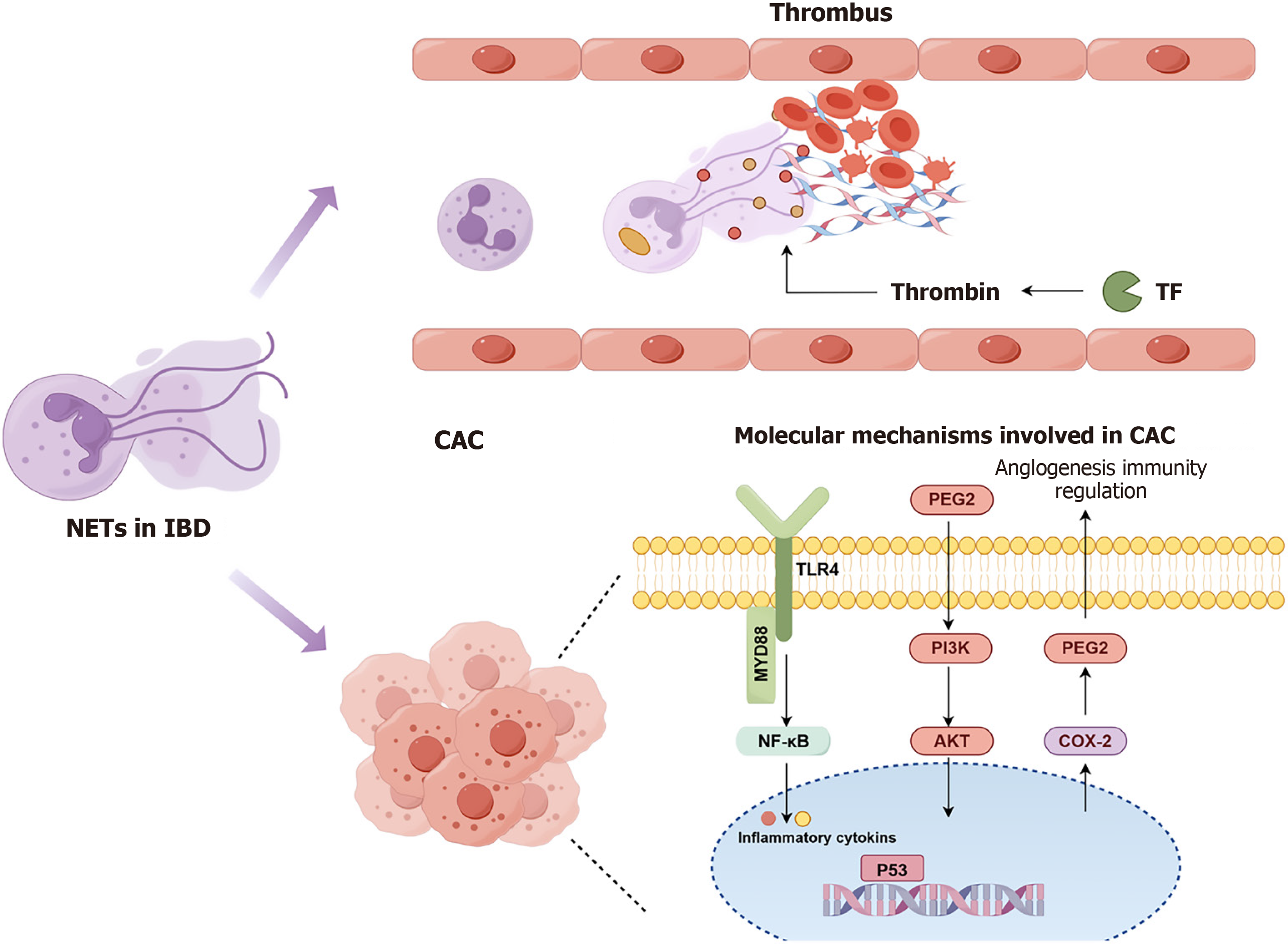
Figure 3 Neutrophil extracellular traps constitute a central component in thrombosis formation and colitis-associated colorectal cancer.
Neutrophil extracellular traps promote the thrombotic tendency in inflammatory bowel disease. The molecular mechanisms included in colitis-associated colorectal cancer: Mutations on protein p53 result in its over-expression and the turbulence of anti-tumor signaling. MyD88-dependent Toll-like receptor 4 alterations trigger and amplify a pro-inflammatory environment through nuclear factor kappa-B pathway. Cyclooxygenase-2 up-regulates prostaglandin E2 production, which in turn promotes angiogenesis and modulates immune responses through phosphatidylinositol 3-kinase (PI3K) signaling. The PI3K/protein kinase B axis stimulates many cytokines and facilitates glucose transporter 4 migration, thereby enhancing metabolic activity in T helper (Th) 2 and Th17 lymphocytes. TF: Tissue factor; NETs: Neutrophil extracellular traps; IBD: Inflammatory bowel disease; CAC: Colitis-associated colorectal cancer; TLR: Toll-like receptor; PGE2: Prostaglandin E2; PI3K: Phosphatidylinositol 3-kinase; AKT: Protein kinase B; NF-κB: Nuclear factor kappa-B; COX-2: Cyclooxygenase-2.
- Citation: Qi Y, Ma L, Zhang Y, Liu Y, Su M, Cai TT, Wang M, Sun KW. Insights into the pathogenic roles and targeted therapy of neutrophil extracellular traps in inflammatory bowel disease. World J Gastroenterol 2026; 32(17): 119419
- URL: https://www.wjgnet.com/1007-9327/full/v32/i17/119419.htm
- DOI: https://dx.doi.org/10.3748/wjg.v32.i17.119419