
















Copyright: ©Author(s) 2026.
World J Gastroenterol. Apr 28, 2026; 32(16): 117109
Published online Apr 28, 2026. doi: 10.3748/wjg.v32.i16.117109
Published online Apr 28, 2026. doi: 10.3748/wjg.v32.i16.117109

Figure 1 Timeline of the clinical course of this case.
ERCP: Endoscopic retrograde cholangiopancreatography; EUS: Endoscopic ultrasound; IDUS: Intraductal ultrasonography.
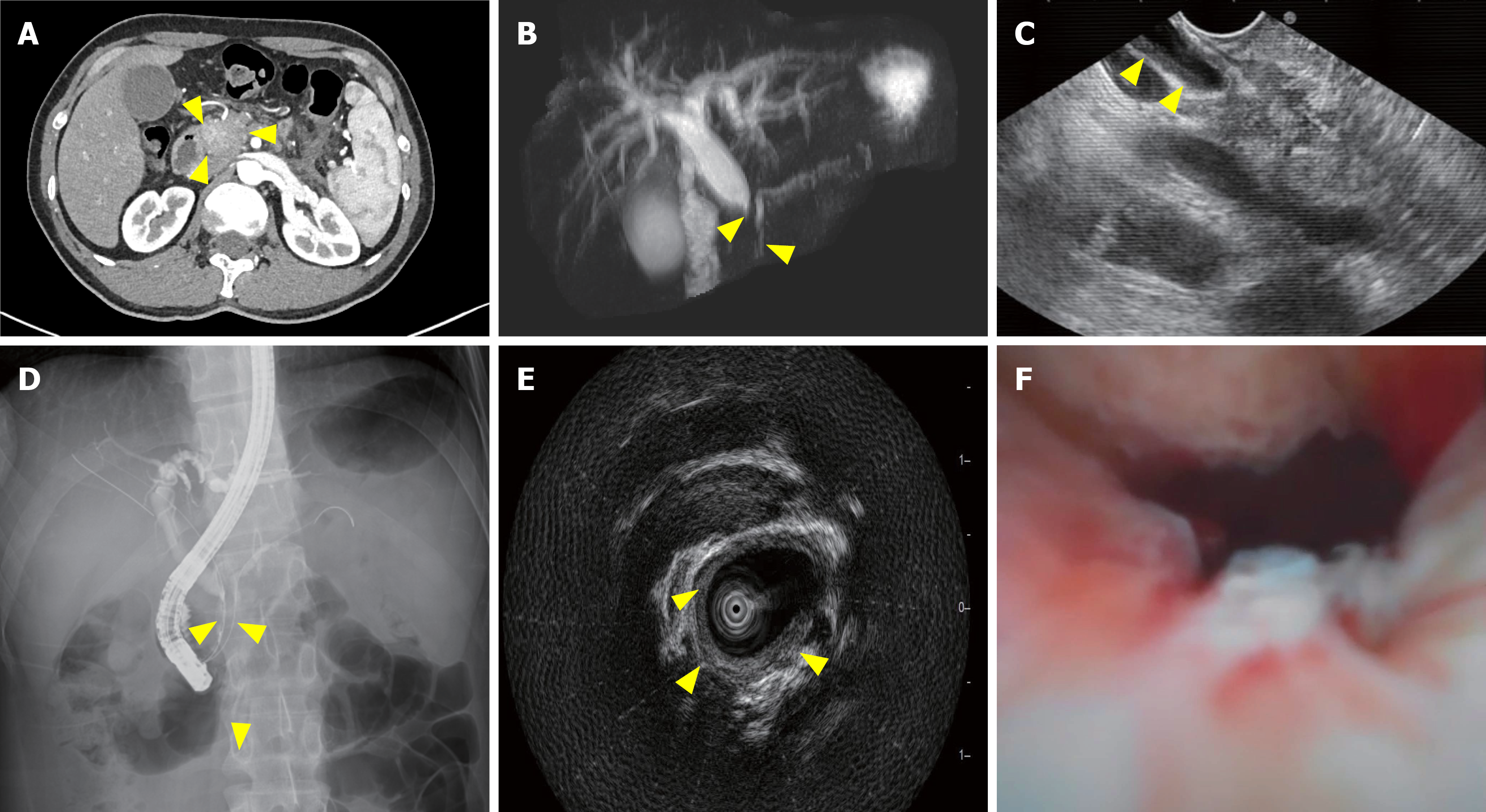
Figure 2 Representative imaging and endoscopic photographs.
A: Contrast-enhanced abdominal computed tomography shows enlargement of the pancreatic head (arrows); B: Magnetic resonance cholangiopancreatography reveals irregular narrowing of the common bile duct (CBD) (left, arrows) and mild dilatation of the pancreatic duct (right, arrows); C: Endoscopic ultrasonography demonstrates thickening of the CBD wall (arrows); D: Endoscopic retrograde cholangiopancreatography shows the pancreatic duct (right arrows) and bile duct (left arrows); E: Intraductal ultrasound image reveals circumferential wall thickening of the distal CBD (arrows); F: Choledochoscopy during the second endoscopic retrograde cholangiopancreatography.
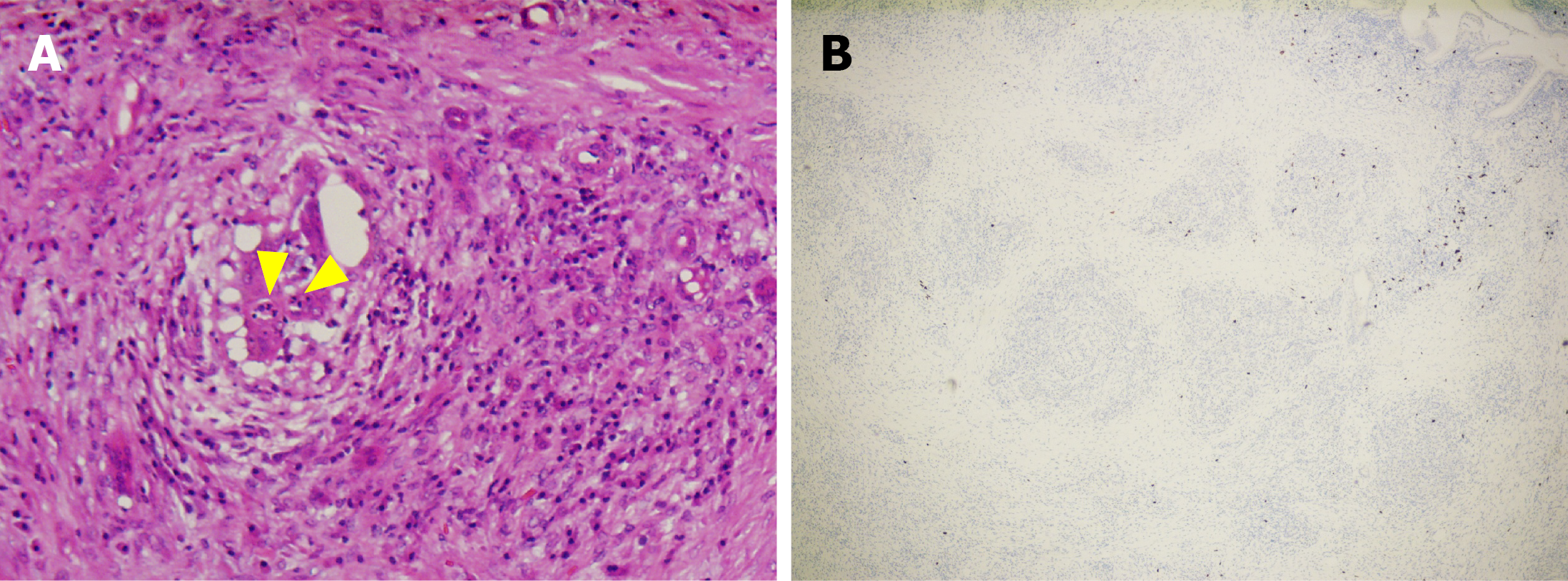
Figure 3 Representative histological images.
A: Hematoxylin and eosin staining of pancreas, with arrows indicating the granulocytic epithelial lesions; B: Immunoglobulin G4 staining of pancreas.
- Citation: Wang KR, Sha SM, Wang SH, Zhao P, Shi HT, Liu L, Wu J, Zhao G. Biliary stricture as an atypical presentation of type 2 autoimmune pancreatitis: A case report. World J Gastroenterol 2026; 32(16): 117109
- URL: https://www.wjgnet.com/1007-9327/full/v32/i16/117109.htm
- DOI: https://dx.doi.org/10.3748/wjg.v32.i16.117109