
















Copyright: ©Author(s) 2026.
World J Gastroenterol. Apr 28, 2026; 32(16): 116238
Published online Apr 28, 2026. doi: 10.3748/wjg.v32.i16.116238
Published online Apr 28, 2026. doi: 10.3748/wjg.v32.i16.116238
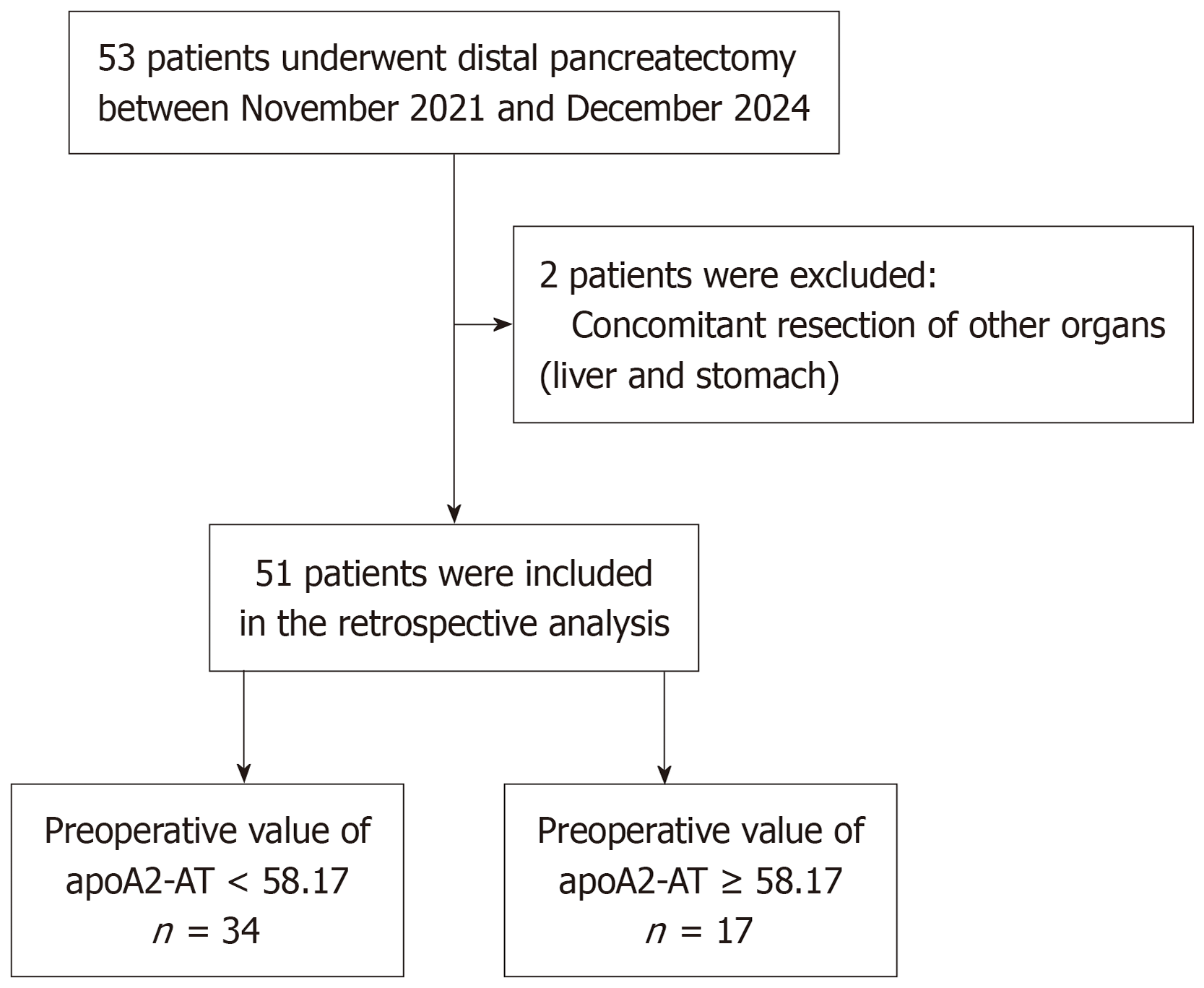
Figure 1 Flowchart of study participant selection.
ApoA2-AT: Apolipoprotein A2-AT/AT.
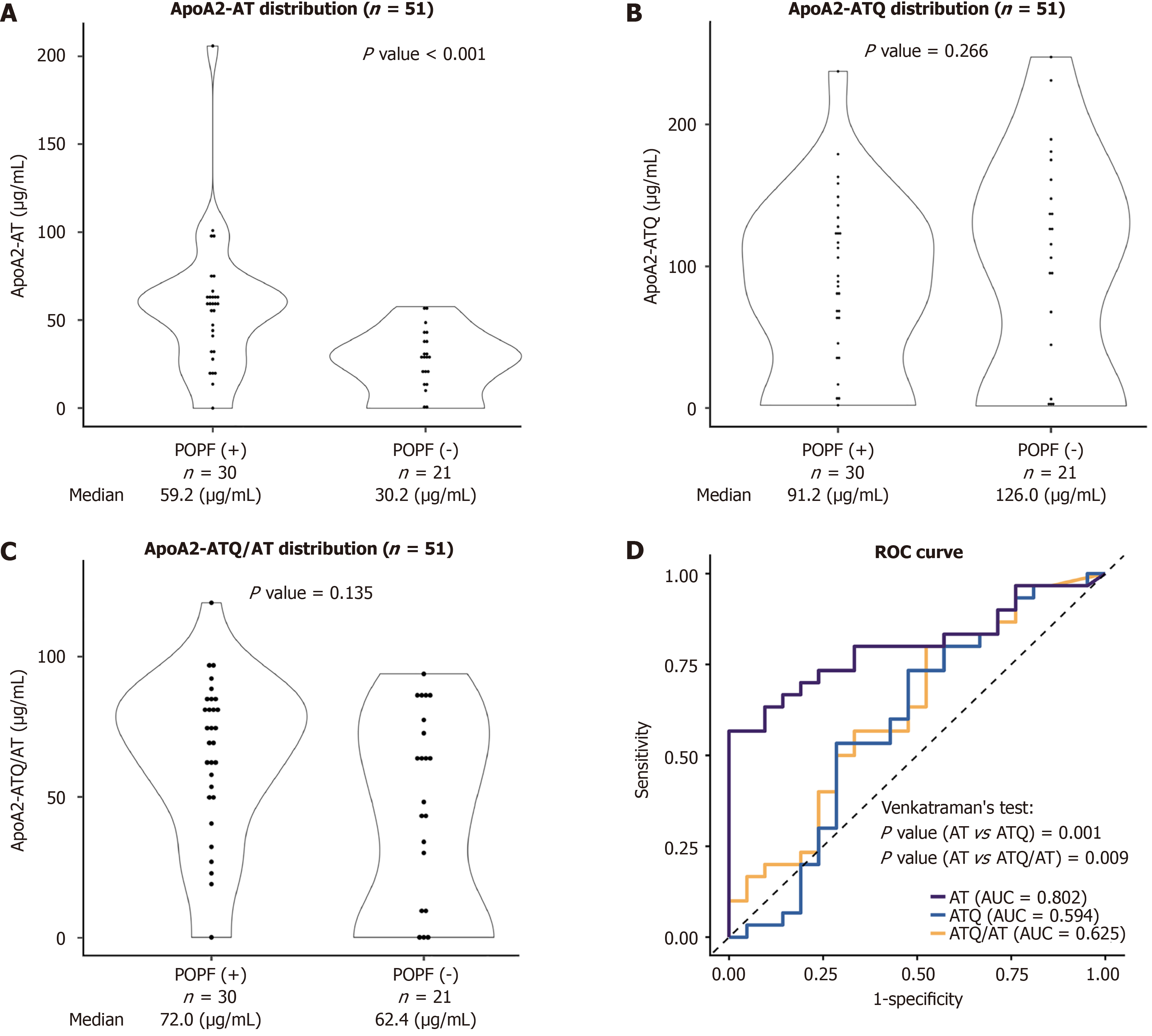
Figure 2 Comparison of plasma apolipoprotein A2 isoforms levels between the postoperative pancreatic fistula group and the non-postoperative pancreatic fistula group, and receiver operating characteristic curve analysis to predict postoperative pancreatic fistula.
A: Distribution of apolipoprotein A2-AT/AT (apoA2-AT) levels. The median preoperative apoA2-AT values in the postoperative pancreatic fistula (POPF) (n = 30) and non-POPF (n = 21) groups were 59.2 μg/mL and 30.2 μg/mL, respectively (Wilcoxon rank-sum test, P < 0.001); B: Distribution of apoA2-ATQ levels. The median preoperative apoA2-ATQ values in the POPF and non-POPF groups were 91.2 μg/mL and 126.0 μg/mL, respectively (P = 0.266); C: Distribution of apoA2-ATQ/AT levels. The median preoperative apoA2-ATQ/AT values in the POPF and non-POPF groups were 72.0 μg/mL and 62.4 μg/mL, respectively (P = 0.135); D: Receiver operating characteristic curve analysis for predicting POPF based on the three apoA2-isoforms levels. The area under the curve values for apoA2-AT/AT, apoA2-ATQ/ATQ, and apoA2-ATQ/AT to predict POPF were 0.802, 0.594, and 0.625, respectively. ApoA2-AT: Apolipoprotein A2-AT/AT; POPF: Postoperative pancreatic fistula; ApoA2-ATQ: Apolipoprotein A2-ATQ/ATQ; ROC: Receiver operating characteristic; AUC: Area under the curve.
- Citation: Ono T, Matsushita A, Yoshimori D, Hamaguchi A, Murokawa T, Ueda J, Shimizu T, Kawano Y, Kawashima M, Nakamura Y, Nagashima K, Kashiro A, Honda K, Yoshida H. Plasma apolipoprotein A2 isoforms predict the development of pancreatic fistula following distal pancreatectomy. World J Gastroenterol 2026; 32(16): 116238
- URL: https://www.wjgnet.com/1007-9327/full/v32/i16/116238.htm
- DOI: https://dx.doi.org/10.3748/wjg.v32.i16.116238