
















Copyright: ©Author(s) 2026.
World J Gastroenterol. Apr 14, 2026; 32(14): 117396
Published online Apr 14, 2026. doi: 10.3748/wjg.v32.i14.117396
Published online Apr 14, 2026. doi: 10.3748/wjg.v32.i14.117396
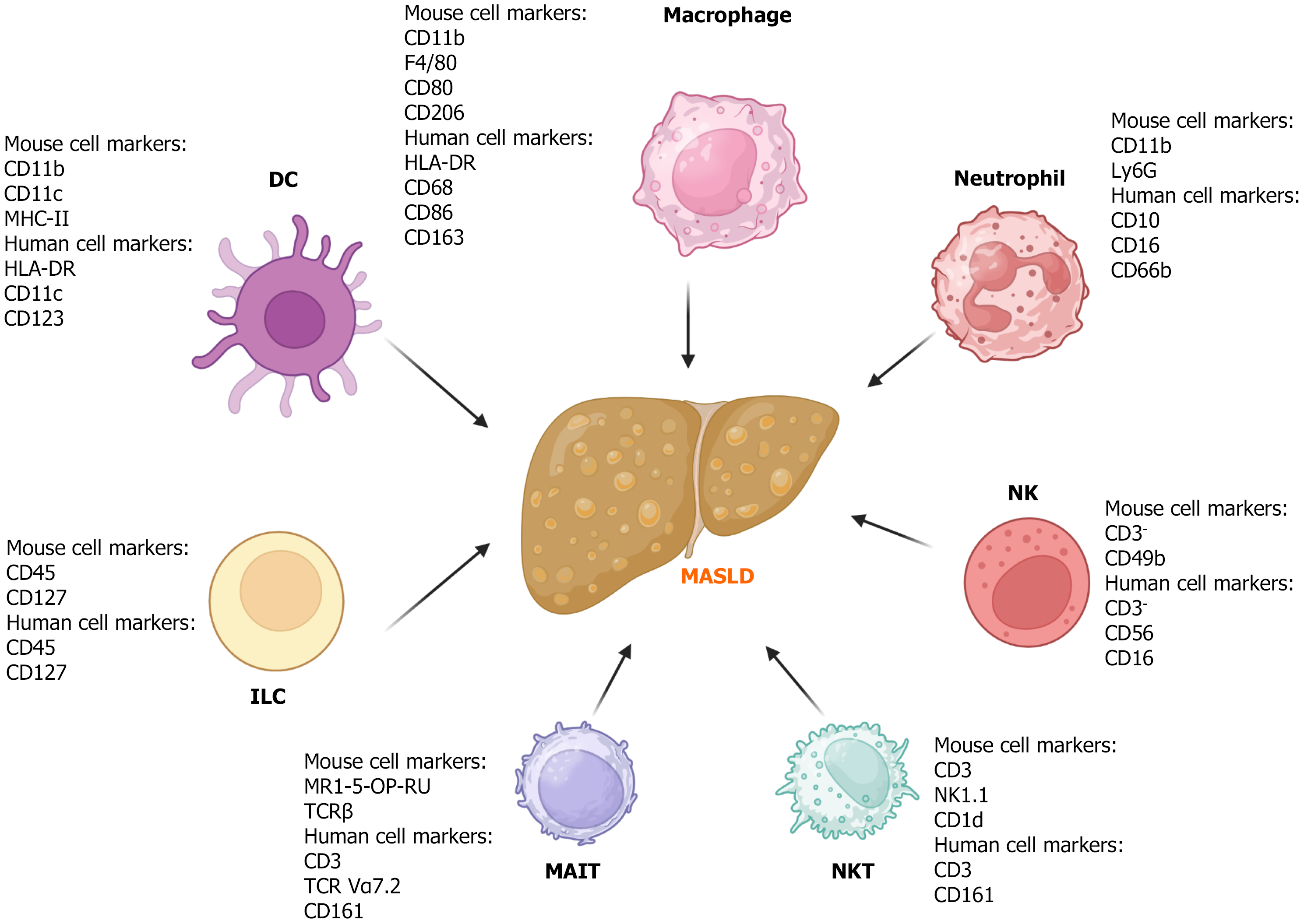
Figure 1 The major innate immune cells in the metabolic dysfunction-associated steatotic liver disease liver.
Some typical markers for mouse and human innate immune cells are listed. CD: Cluster of differentiation; MHC-II: Major histocompatibility complex II; HLA: Human leukocyte antigen; DC: Dendritic cell; ILC: Innate lymphoid cell; TCR: T cell receptor; MAIT: Mucosal-associated invariant T; NK: Natural killer cell; NKT: Natural killer T cell; MASLD: Metabolic dysfunction-associated steatotic liver disease.
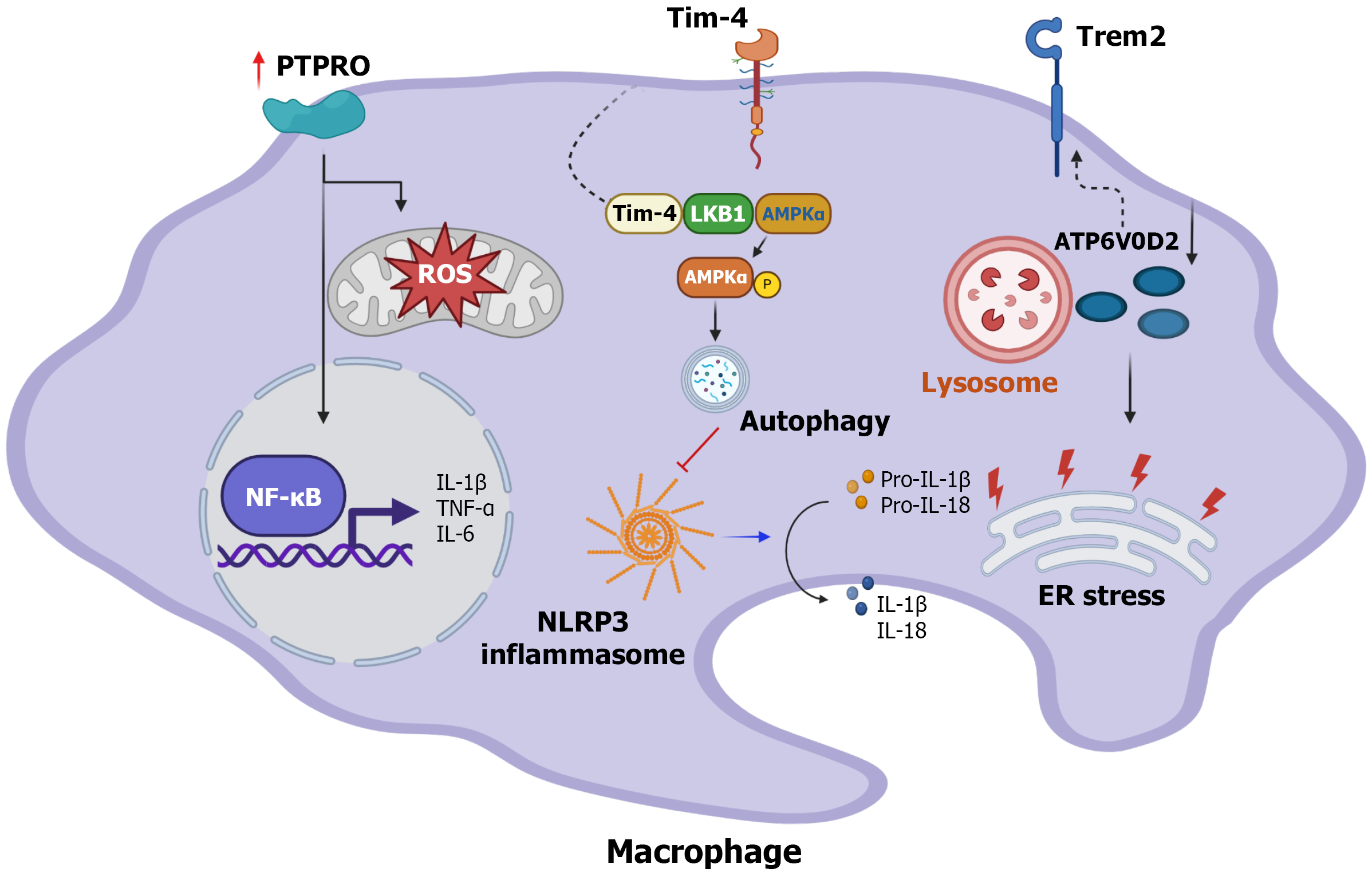
Figure 2 Molecular signaling pathways involved in macrophage function in metabolic dysfunction-associated steatotic liver disease.
AMPKα: Adenosine monophosphate-activated protein kinase α; PTPRO: Protein tyrosine phosphatase receptor type O; ROS: Reactive oxygen species; NF-κB: Nuclear factor kappa-light-chain-enhancer of activated B cells; IL: Interleukin; TNF: Tumor necrosis factor; NLRP3: NOD-like receptor family pyrin domain containing 3; Tim-4: T-cell membrane protein 4; LKB1: Liver kinase B1; Trem2: Triggering receptor expressed on myeloid cells 2; ER: Endoplasmic reticulum.
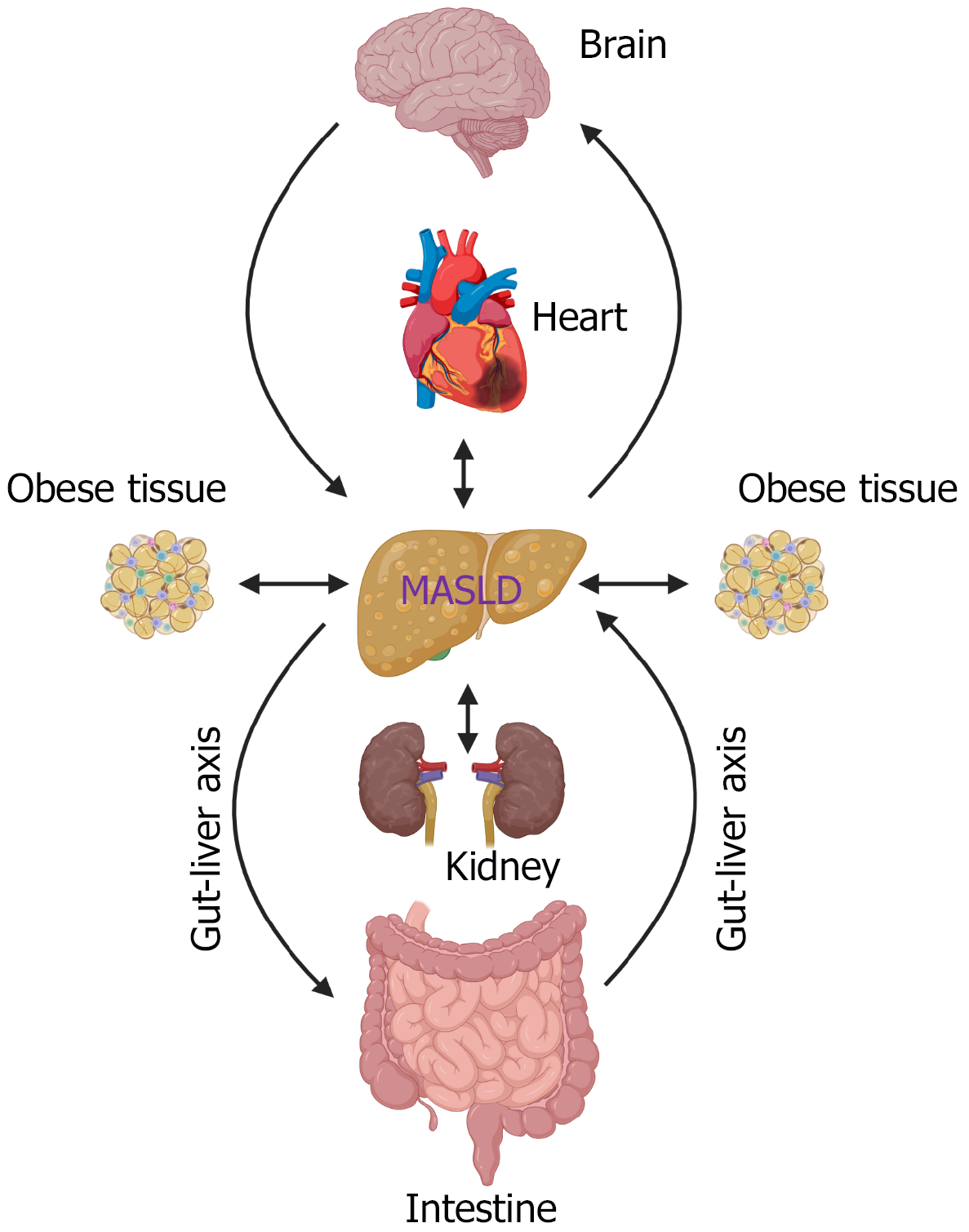
Figure 3 Metabolic dysfunction-associated steatotic liver disease impacts the health of other organs in the body.
Metabolic dysfunction-associated steatotic liver disease is a comorbidity associated with many other metabolic disorders, such as cardiovascular disease, kidney disease, neurological disorders, obesity, and intestinal disease. MASLD: Metabolic dysfunction-associated steatotic liver disease.
- Citation: Yang M, Olaoba OT, Chinwo SC, LeVasseur H, Zhou B, Kimchi ET, Staveley-O’Carroll KF, Li G. Roles of hepatic immunity in metabolic dysfunction-associated steatotic liver disease: Cellular and molecular mechanisms and clinical trials. World J Gastroenterol 2026; 32(14): 117396
- URL: https://www.wjgnet.com/1007-9327/full/v32/i14/117396.htm
- DOI: https://dx.doi.org/10.3748/wjg.v32.i14.117396