
















©The Author(s) 2025.
World J Gastroenterol. Dec 7, 2025; 31(45): 113690
Published online Dec 7, 2025. doi: 10.3748/wjg.v31.i45.113690
Published online Dec 7, 2025. doi: 10.3748/wjg.v31.i45.113690
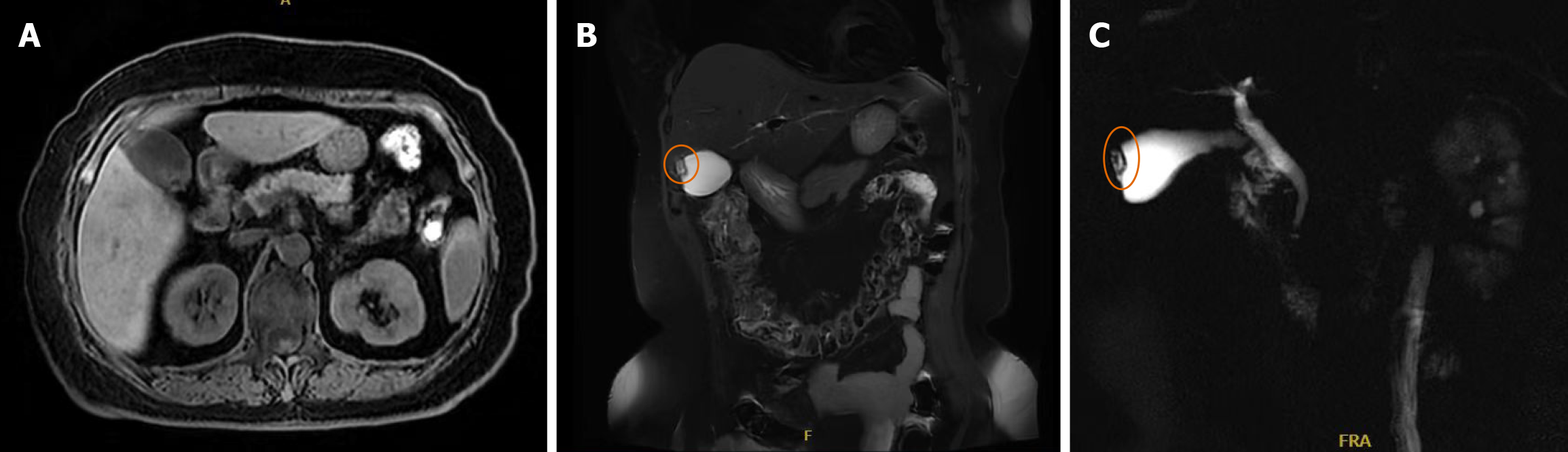
Figure 1 Magnetic resonance cholangiopancreatography.
A-C: A patchy lesion at the gallbladder fundus demonstrated iso-intensity on T1-weighted images and slightly increased signal on T2-weighted images, with small cystic T2 hyperintense foci within, suggesting the possibility of gallbladder adenomyomatosis. The liver, spleen, and pancreas showed no obvious morphological or size abnormalities. No significant abdominal lymphadenopathy or ascites was detected.
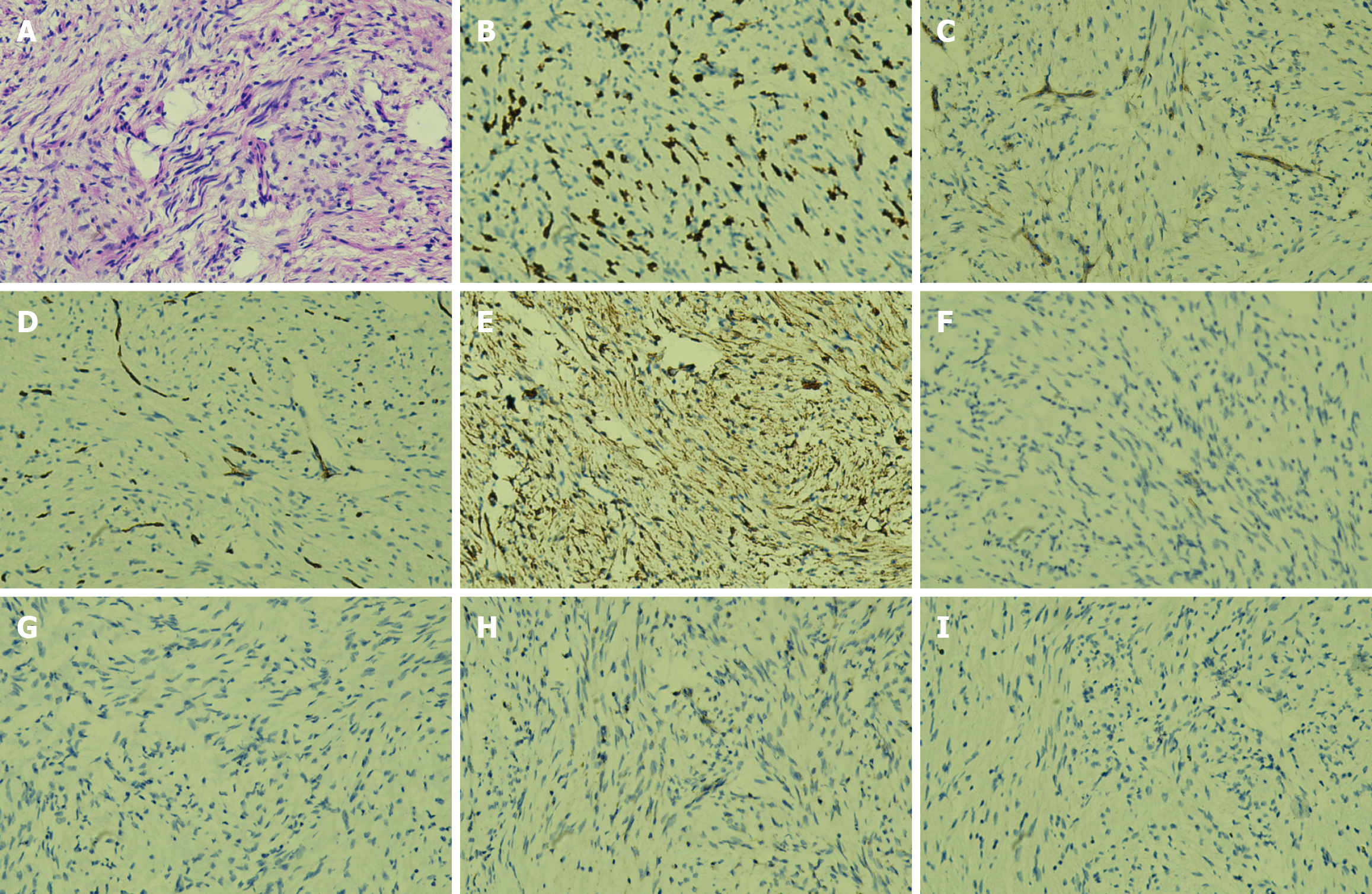
Figure 2 Pathological examination of the tumor.
Pathological findings: The gallbladder measured 9 cm × 3.5 cm × 2.5 cm, with a roughened mucosal surface and mucosal thickness of approximately 0.1 cm. The gallbladder wall measured 0.2 cm, and a localized thickened area measuring 1.8 cm × 1.5 cm × 1.0 cm was identified at the fundus. One gallstone was present, measuring 0.3-0.4 cm in diameter. A: Microscopic examination: Hematoxylin and eosin staining revealed proliferative spindle cells arranged in fascicular and whorled patterns; B-G: Immunohistochemistry: Tumor cells were CD117(+; B), focally positive for DOG-1 (C) and CD34 (D), negative for desmin (F) and S-100 (G), and showed focal positivity for smooth muscle actin (E); H: Succinate dehydrogenase subunit B was negative; I: The Ki-67 proliferation index was approximately 1%. Final diagnosis: Based on the HE morphology and immunohistochemical profile, the lesion was diagnosed as an extra-gastrointestinal stromal tumor. The maximum tumor diameter was approximately 0.4 cm, spindle cell type, with no evident mitotic figures, no significant nuclear atypia, and no necrosis. Risk stratification indicated a very low risk category.
- Citation: Wang P, Zhu CR, Yao J, Xu P, Zhang K, Zhu J, Ge XY, Chen Y, Wang WZ. Primary extra-gastrointestinal stromal tumor of the gallbladder: A case report. World J Gastroenterol 2025; 31(45): 113690
- URL: https://www.wjgnet.com/1007-9327/full/v31/i45/113690.htm
- DOI: https://dx.doi.org/10.3748/wjg.v31.i45.113690