
















©The Author(s) 2015.
World J Gastroenterol. Jul 14, 2015; 21(26): 8215-8220
Published online Jul 14, 2015. doi: 10.3748/wjg.v21.i26.8215
Published online Jul 14, 2015. doi: 10.3748/wjg.v21.i26.8215
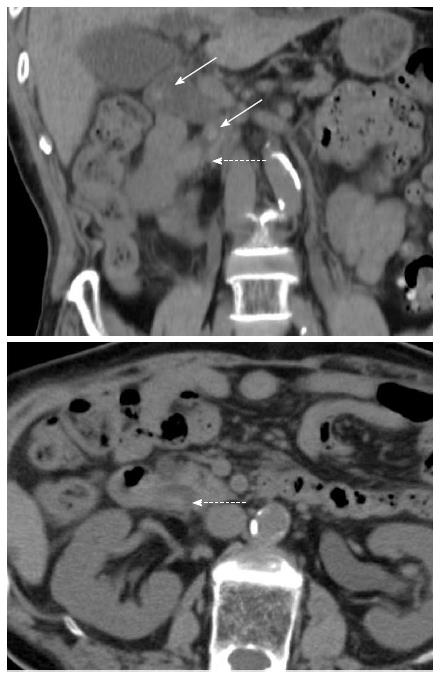
Figure 1 Computed tomography on admission.
Plain abdominal computed tomography showing choledocholithiasis with multiple calcified stones (solid arrows) in the dilated common bile duct and a round-shaped tumor in the lower common bile duct (dotted arrows).
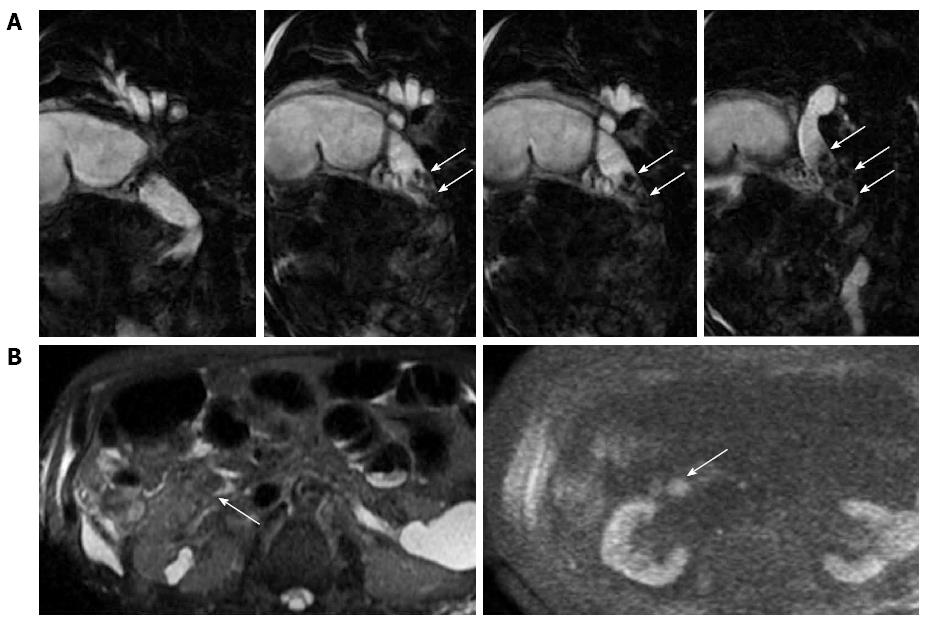
Figure 2 Magnetic resonance imaging showing multiple stones and an oval-shaped tumor in the common bile duct.
A: Magnetic resonance imaging (MRI) with cholangiopancreatography showing multiple signal voids in the common bile duct (CBD) reflecting tiny stones; B: T2-weighted MRI image showing an oval-shaped tumor 20 mm in diameter in the lower CBD with high-intensity signal (left row); and a diffusion-weighted image showing a mass lesion in the lower CBD with a round high-intensity signal (right row).
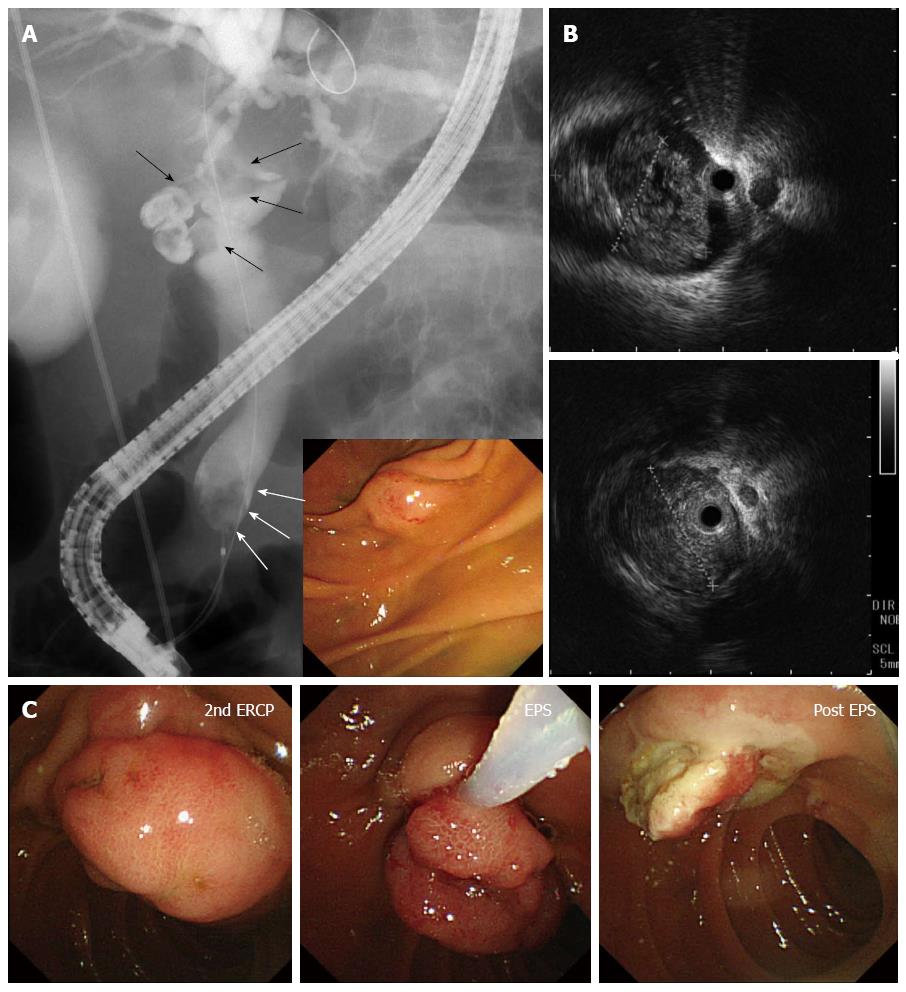
Figure 3 Tumor resection by endoscopic snare papillectomy.
A: Endoscopic retrograde cholangiopancreatography (ERCP) showing several filling defects in the upper part of the common bile duct (CBD) (black arrows), and an oval-shaped defect in the intra-pancreatic CBD (white arrows). Endoscopic picture during ERCP did not show any remarkable findings without juxtapapillary duodenal diverticula; B: Intraductal ultrasonography confirming that the lower filling defect was a papillary-growing tumor in the CBD; C: Second ERCP, performed one week later, showing inversion and exclusion of the tumor after endoscopic sphincterotomy. The tumor was a pedunculated polyp, enabling en bloc resection by endoscopic snare papillectomy.
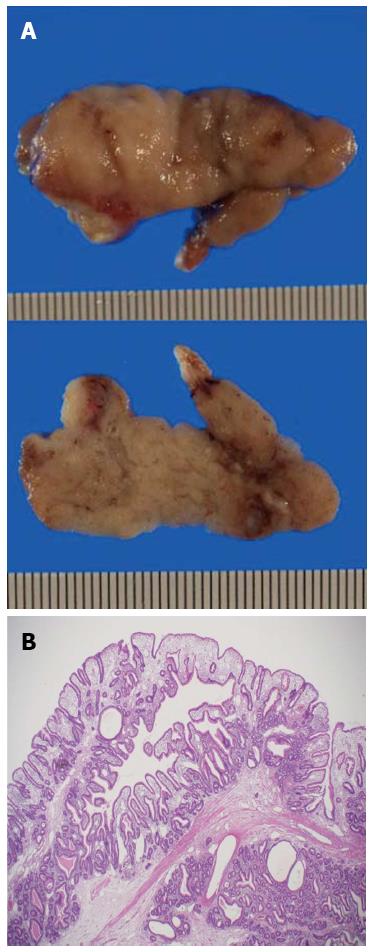
Figure 4 Histopathologic findings.
A: View of the surgical specimen, showing that it was 4.8 cm × 1.9 cm × 1.8 cm in diameter with lobular surfaces, which were epithelialized with intestinal type mucosa; B: Histopathologic examination showed features suggesting a hamartoma. For example, the polyp contained irregular hyperplastic crypts with focal cystic dilatation and branching bundles of smooth muscle extending from the muscularis mucosae. The epithelium was hyperplastic.
- Citation: Suzuki K, Higuchi H, Shimizu S, Nakano M, Serizawa H, Morinaga S. Endoscopic snare papillectomy for a solitary Peutz-Jeghers-type polyp in the duodenum with ingrowth into the common bile duct: Case report. World J Gastroenterol 2015; 21(26): 8215-8220
- URL: https://www.wjgnet.com/1007-9327/full/v21/i26/8215.htm
- DOI: https://dx.doi.org/10.3748/wjg.v21.i26.8215