
















©2013 Baishideng Publishing Group Co.
World J Gastroenterol. Feb 14, 2013; 19(6): 855-865
Published online Feb 14, 2013. doi: 10.3748/wjg.v19.i6.855
Published online Feb 14, 2013. doi: 10.3748/wjg.v19.i6.855
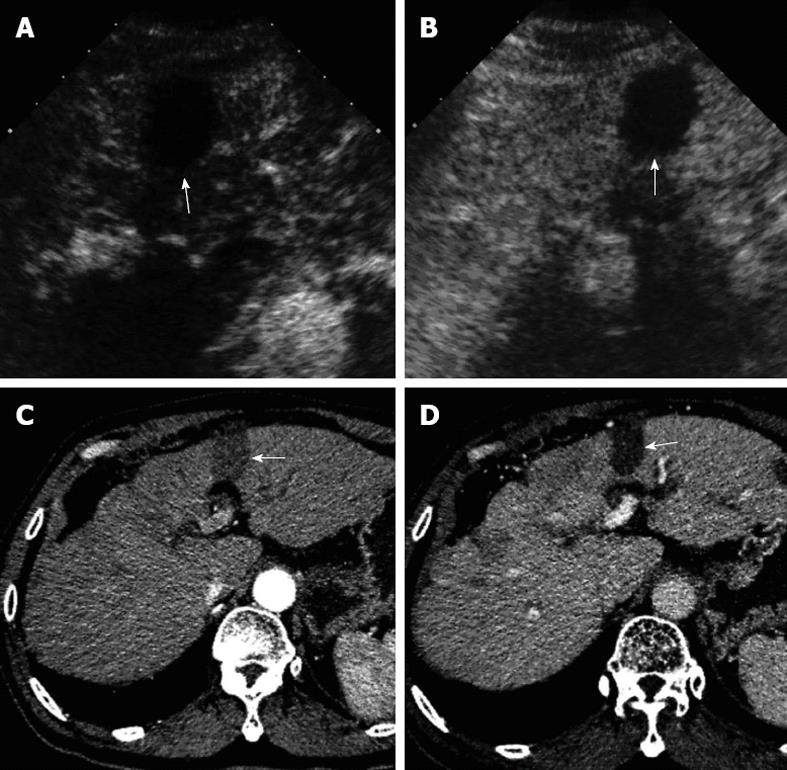
Figure 1 A 57-year-old male patient with hepatocellular carcinoma.
Two months after radiofrequency ablation for hepatocellular carcinoma in segment 3 of the liver. On both contrast-enhanced computed tomography (A, B) and contrast-enhanced ultrasound (C, D), the treated lesion (arrow) showed complete necrosis without any enhancement in all vascular phases.
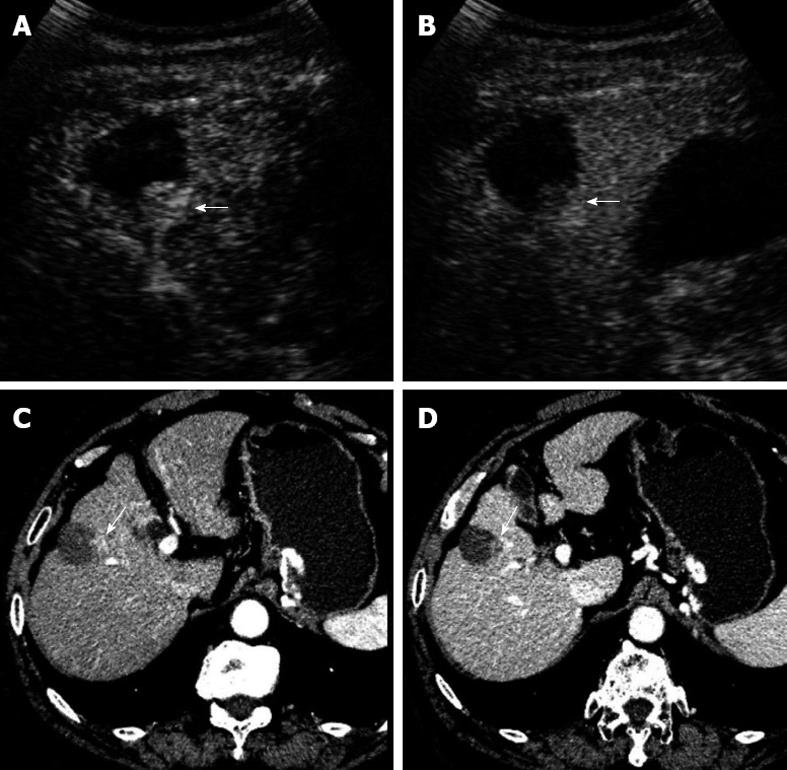
Figure 2 A 70-year-old male patient with hepatocellular carcinoma.
Local tumor progression (arrow) was detected 6 mos after radiofrequency ablation in combination with ethanol ablation for hepatocellular carcinoma in segment 5 of the liver. Local tumor progression showed hyper-enhancement in the arterial phase and iso-enhancement in the portal-late phase on contrast-enhanced ultrasound (A, B), whereas hyper-enhancement in the arterial phase and wash-out in the portal-venous phase on contrast-enhanced computed tomography (C, D).
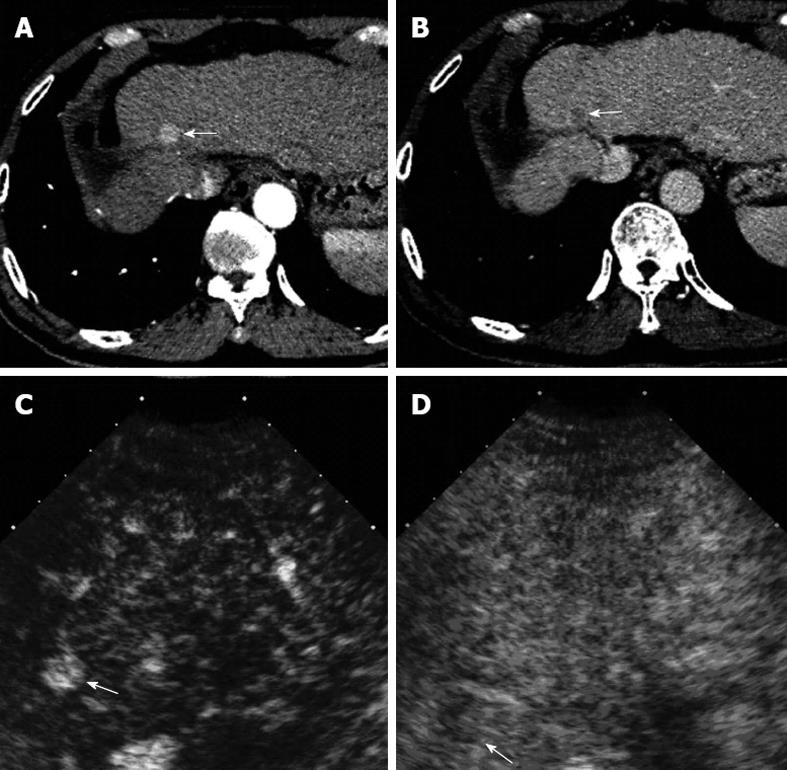
Figure 3 The same patient as shown in Figure 1.
A, B: Two months after radiofrequency ablation for hepatocellular carcinoma. A new intrahepatic recurrence (arrow) was detected in segment 4 of the liver, which showed hyper-enhancement in the arterial phase and wash-out in the portal-venous phase on contrast-enhanced computed tomography; C, D: Similar findings were found in the arterial phase and the portal-late phases with contrast-enhanced ultrasound.
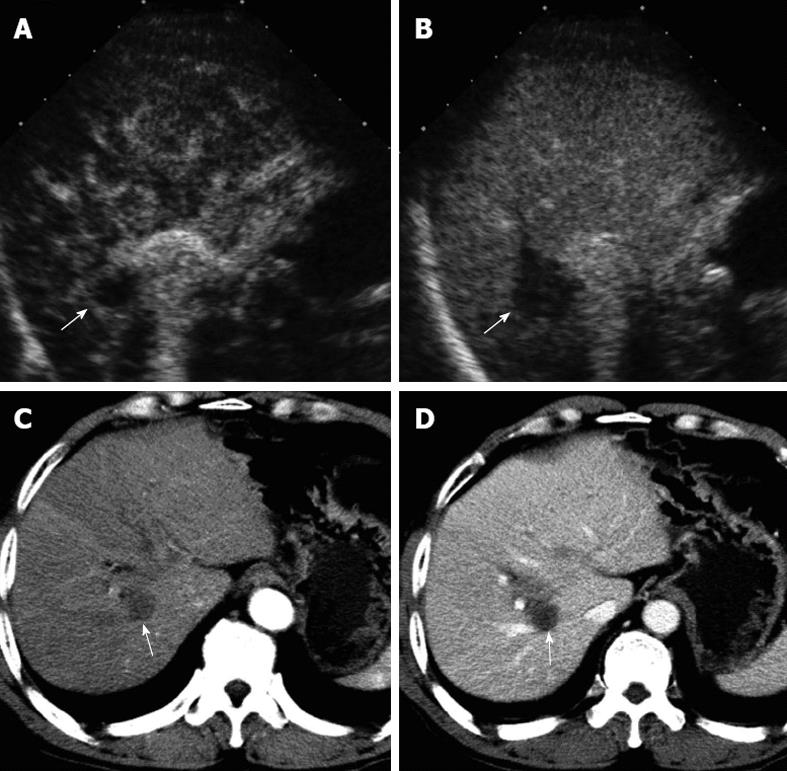
Figure 4 A 62-year-old male patient with hepatocellular carcinoma.
Two months after percutaneous ethanol ablation for hepatocellular carcinoma in segment 8 of the liver. A, B: The false positive local tumor progression (arrow) was detected. It showed rim-like hyperenhancement in the arterial phase, wash-out in the portal-late phase on contrast-enhanced ultrasound; C, D: On contrast-enhanced computed tomography, the treated area (arrow) showed complete necrosis without any enhancement in all the vascular phases, but several enhanced hepatic vessels around the treated area.
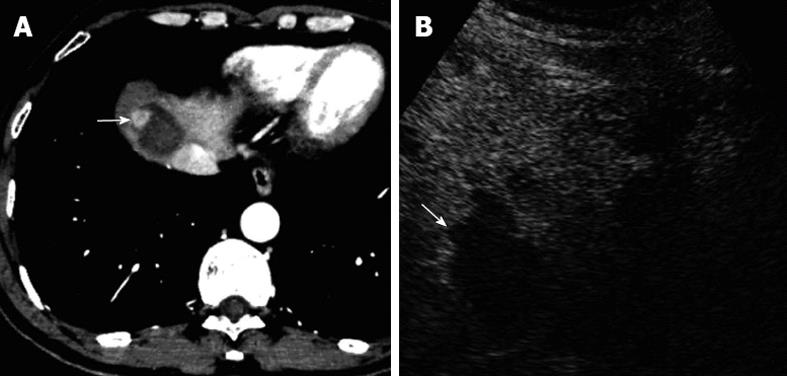
Figure 5 A 54-year-old male patient with hepatocellular carcinoma.
Three months after radiofrequency ablation in combination with ethanol ablation for hepatocellular carcinoma in segment 8 of the liver. A: Contrast-enhanced computed tomography showed local tumor progression (arrow) at the periphery of the treated area; B: On contrast-enhanced ultrasound, local tumor progression (arrow) could not be detected, and the treated area was not clearly observed due to unfavorable location near the liver dome.
- Citation: Zheng SG, Xu HX, Lu MD, Xie XY, Xu ZF, Liu GJ, Liu LN. Role of contrast-enhanced ultrasound in follow-up assessment after ablation for hepatocellular carcinoma. World J Gastroenterol 2013; 19(6): 855-865
- URL: https://www.wjgnet.com/1007-9327/full/v19/i6/855.htm
- DOI: https://dx.doi.org/10.3748/wjg.v19.i6.855