
















Copyright: ©Author(s) 2026.
World J Meta-Anal. Jun 18, 2026; 14(2): 119849
Published online Jun 18, 2026. doi: 10.13105/wjma.v14.i2.119849
Published online Jun 18, 2026. doi: 10.13105/wjma.v14.i2.119849
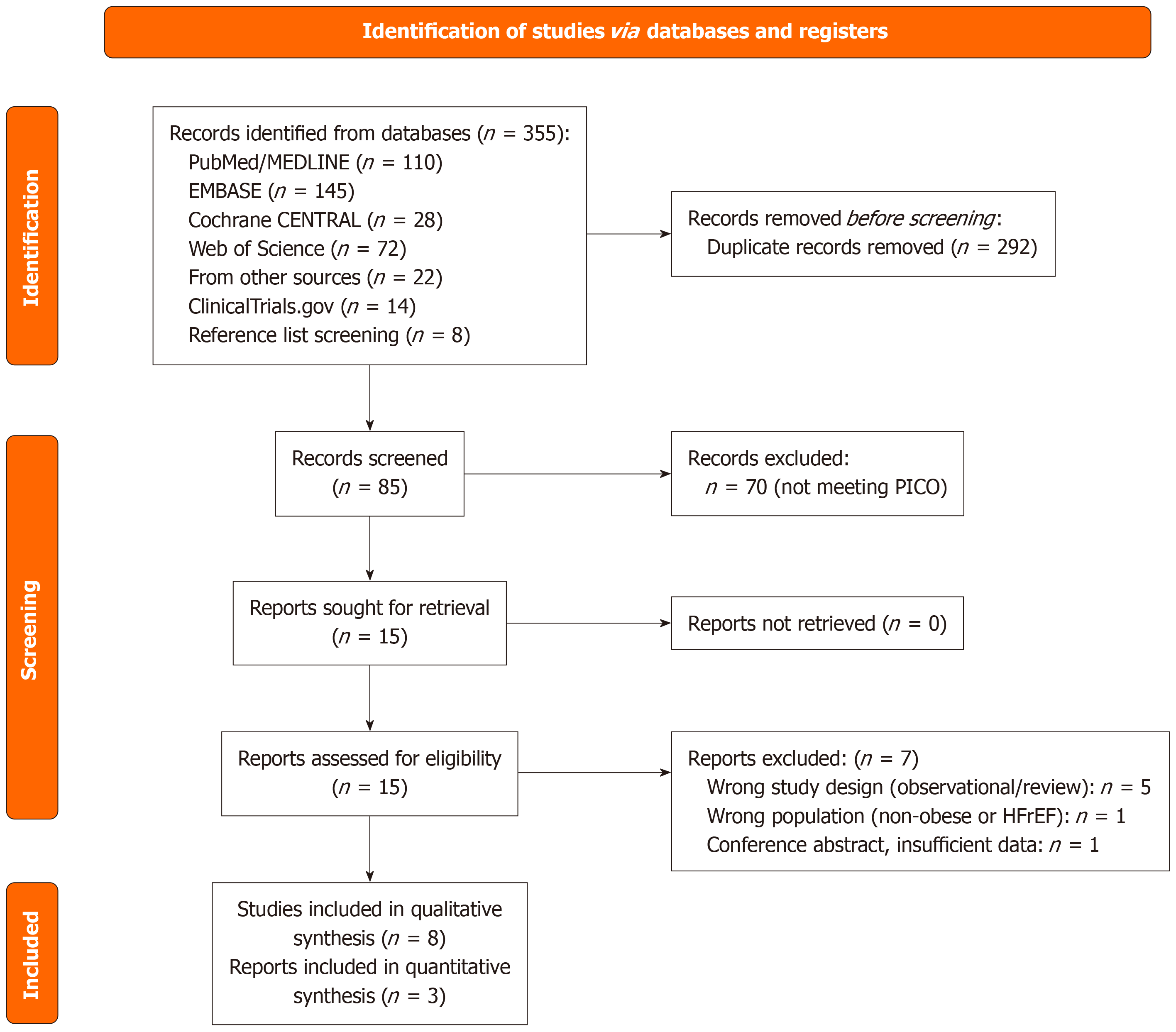
Figure 1 PRISMA 2020 flow diagram illustrating the study identification, screening, eligibility assessment, and inclusion process.
A total of 377 records were identified across four databases and additional sources. Following duplicate removal and title/abstract screening, 15 full-text reports were assessed for eligibility, of which 8 publications [comprising 3 primary randomized controlled trials (RCT) and 5 secondary or pooled analyses] were included in the systematic review. Three RCTs (n = 1876) were included in quantitative synthesis. HFpEF: Heart failure with preserved ejection fraction.
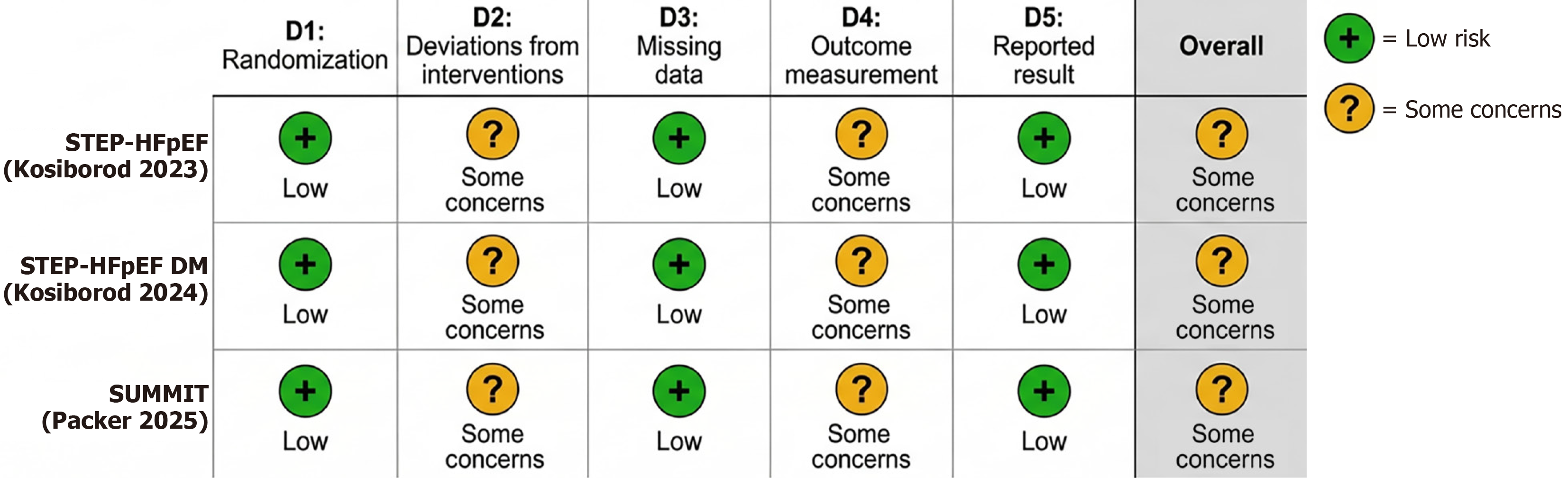
Figure 2 Risk of bias assessment of included randomized controlled trials using the Cochrane Risk of Bias 2 tool across five domains: D1, randomization process; D2, deviations from intended interventions; D3, missing outcome data; D4, measurement of the outcome; D5, selection of the reported result.
All three trials were rated low risk for D1, D3, and D5. Some concerns were assigned for D2 and D4 across all trials, owing to the potential for functional unblinding: The characteristic gastrointestinal side effects and substantial visible weight loss associated with glucagon-like peptide-1-based therapy may allow participants to infer treatment allocation, potentially influencing the patient-reported Kansas City Cardiomyopathy Questionnaire Clinical Summary Score (KCCQ-CSS) outcome. The SUMMIT trial additionally carries some concerns for D2 due to higher drug discontinuation related to gastrointestinal adverse effects (6.3% vs 1.4% with placebo). Overall risk of bias was rated some concerns for all three trials. D2 and D4: Some Concerns due to potential functional unblinding-KCCQ-CSS is patient-reported and visible weight loss/GI side effects may allow participants to infer treatment allocation. HFpEF: Heart failure with preserved ejection fraction.
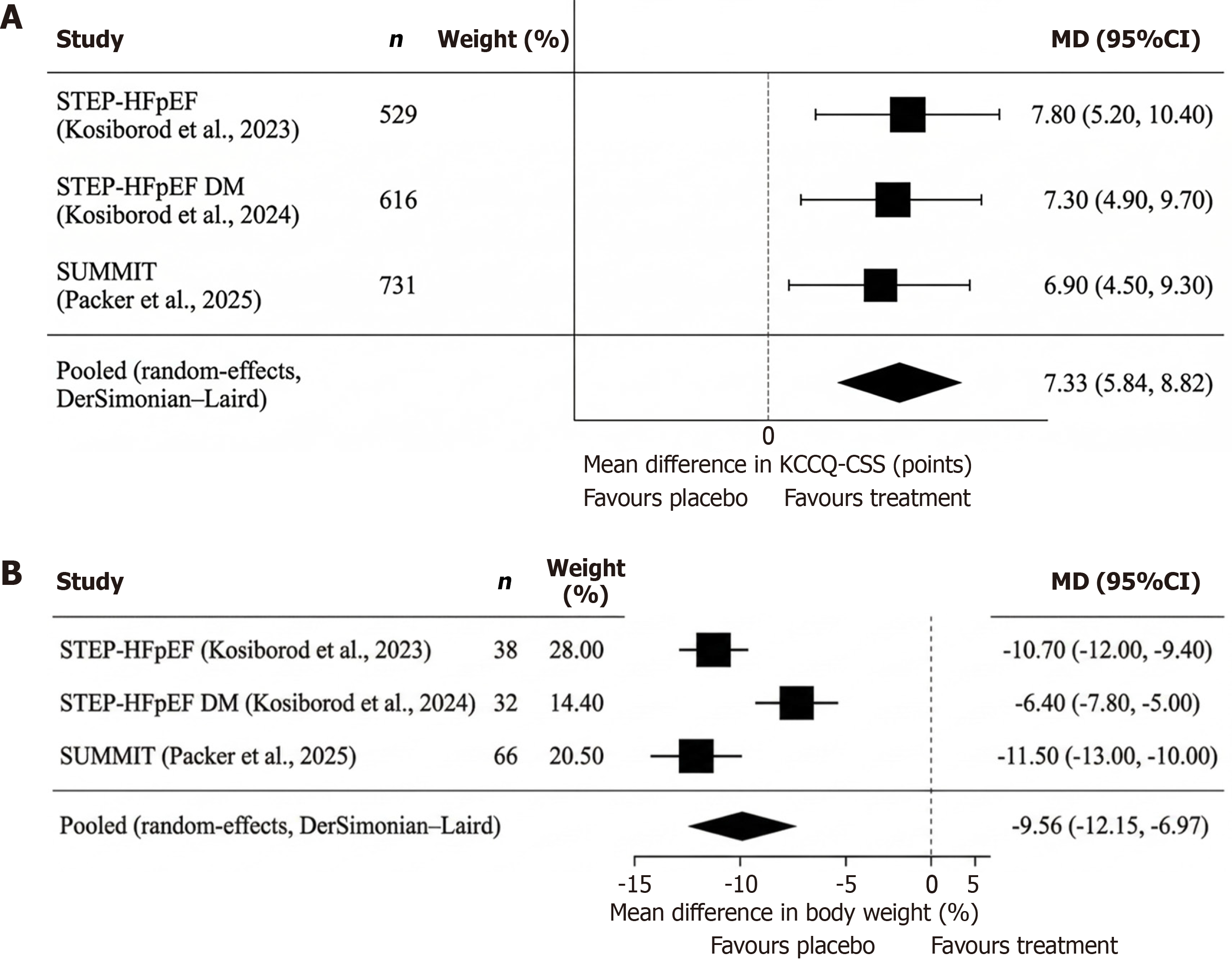
Figure 3 Effects of semaglutide on clinical status and body weight in patients with heart failure with preserved ejection fraction.
A: Forest plot showing the mean difference in Kansas City Cardiomyopathy Questionnaire Clinical Summary Score (KCCQ-CSS) between semaglutide and placebo groups across included trials (STEP-HFpEF, STEP-HFpEF DM, and SUMMIT). Squares represent the effect size for each study, with horizontal lines indicating the 95% confidence interval (CI). The diamond represents the pooled effect estimate using a random-effects model. Positive values indicate improvement favoring semaglutide; B: Forest plot demonstrating percentage body weight reduction between semaglutide and placebo groups in the included trials. Squares indicate individual study estimates and horizontal lines represent the 95%CI. The diamond represents the pooled estimate derived from a random-effects model. Negative values indicate greater weight reduction favoring semaglutide. Random-effects model (DerSimonian & Laird). P = 0% indicates no statistical heterogeneity. I2 = 58% indicates moderate heterogeneity, driven by attenuated weight loss in the diabetic cohort (STEP-HFpEF DM). MD: Mean difference in percentage body weight change (treatment minus placebo). Random-effects model (DerSimonian & Laird). Pooled 95%CI reflects between study variance (tau2) consistent with observed heterogeneity. CI: Confidence interval; KCCQ-CSS: Kansas City Cardiomyopathy Questionnaire Clinical Summary Score; HFpEF: Heart failure with preserved ejection fraction.
- Citation: Al Mashtoub E, Hteit A, Bedran A, Al Banna J, El Hachem C, Obeid N, Msheik M, Tlais M, Abdulaal R. Glucagon-like peptide-1-based incretin agonists in obesity-related heart failure with preserved ejection fraction: A systematic review and meta-analysis. World J Meta-Anal 2026; 14(2): 119849
- URL: https://www.wjgnet.com/2308-3840/full/v14/i2/119849.htm
- DOI: https://dx.doi.org/10.13105/wjma.v14.i2.119849