
















Copyright: ©Author(s) 2026.
World J Meta-Anal. Jun 18, 2026; 14(2): 118716
Published online Jun 18, 2026. doi: 10.13105/wjma.v14.i2.118716
Published online Jun 18, 2026. doi: 10.13105/wjma.v14.i2.118716
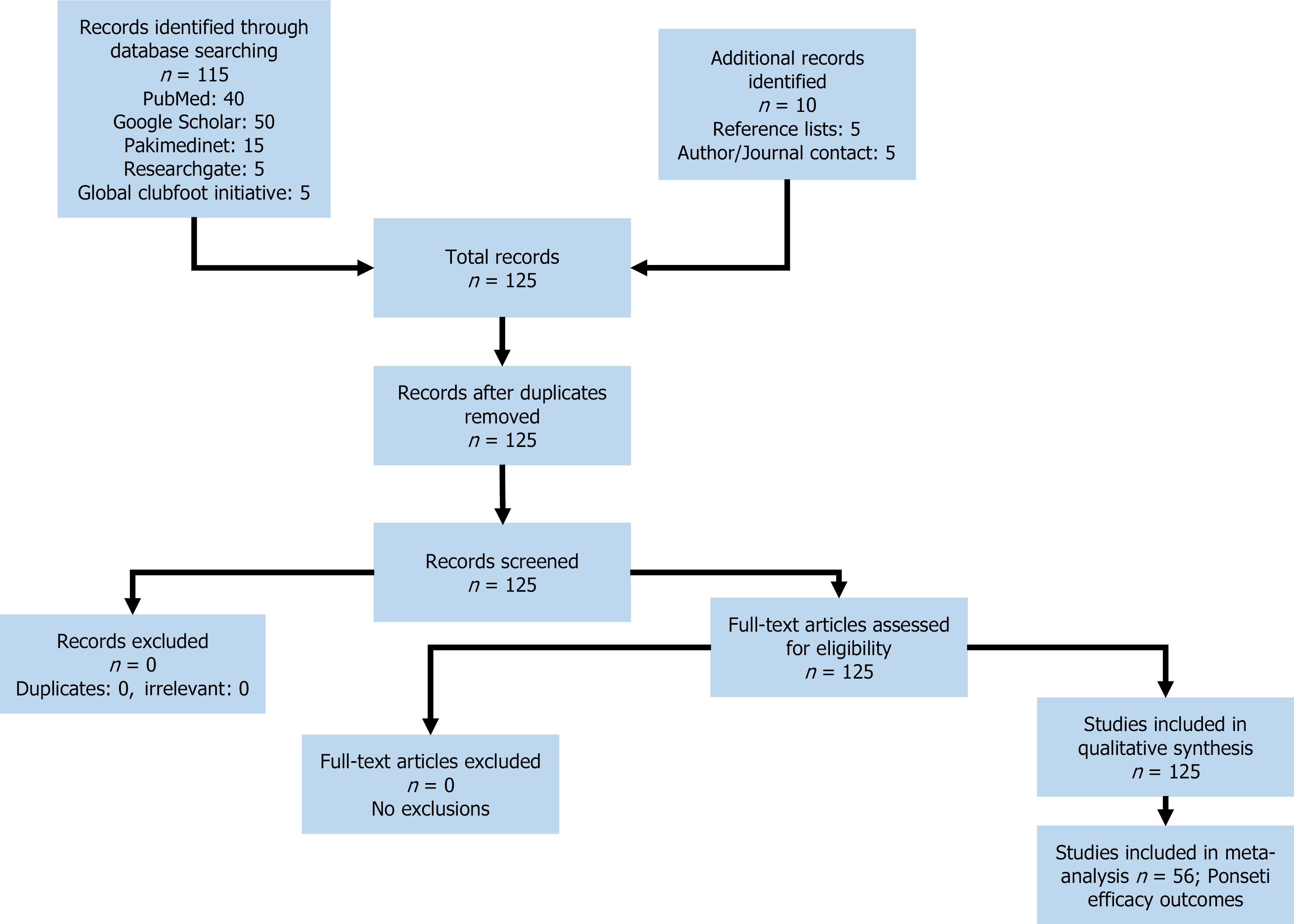
Figure 1 Preferred Reporting Items for Systematic Reviews and Meta-Analyses 2020 flow diagram adopted for documentation process.
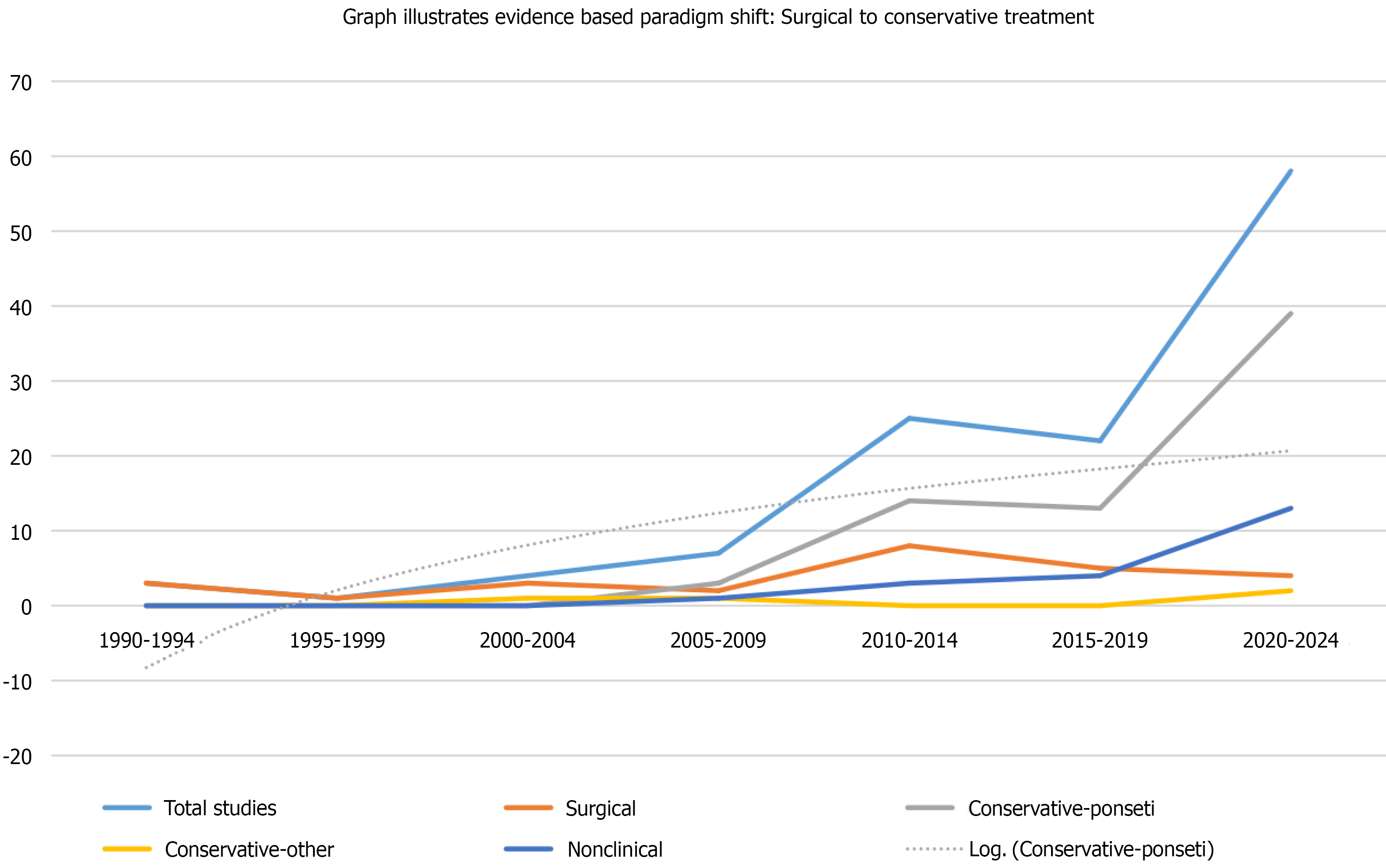
Figure 2 Evidence-based publication activity demonstrating a paradigm shift from surgical to conservative treatment.
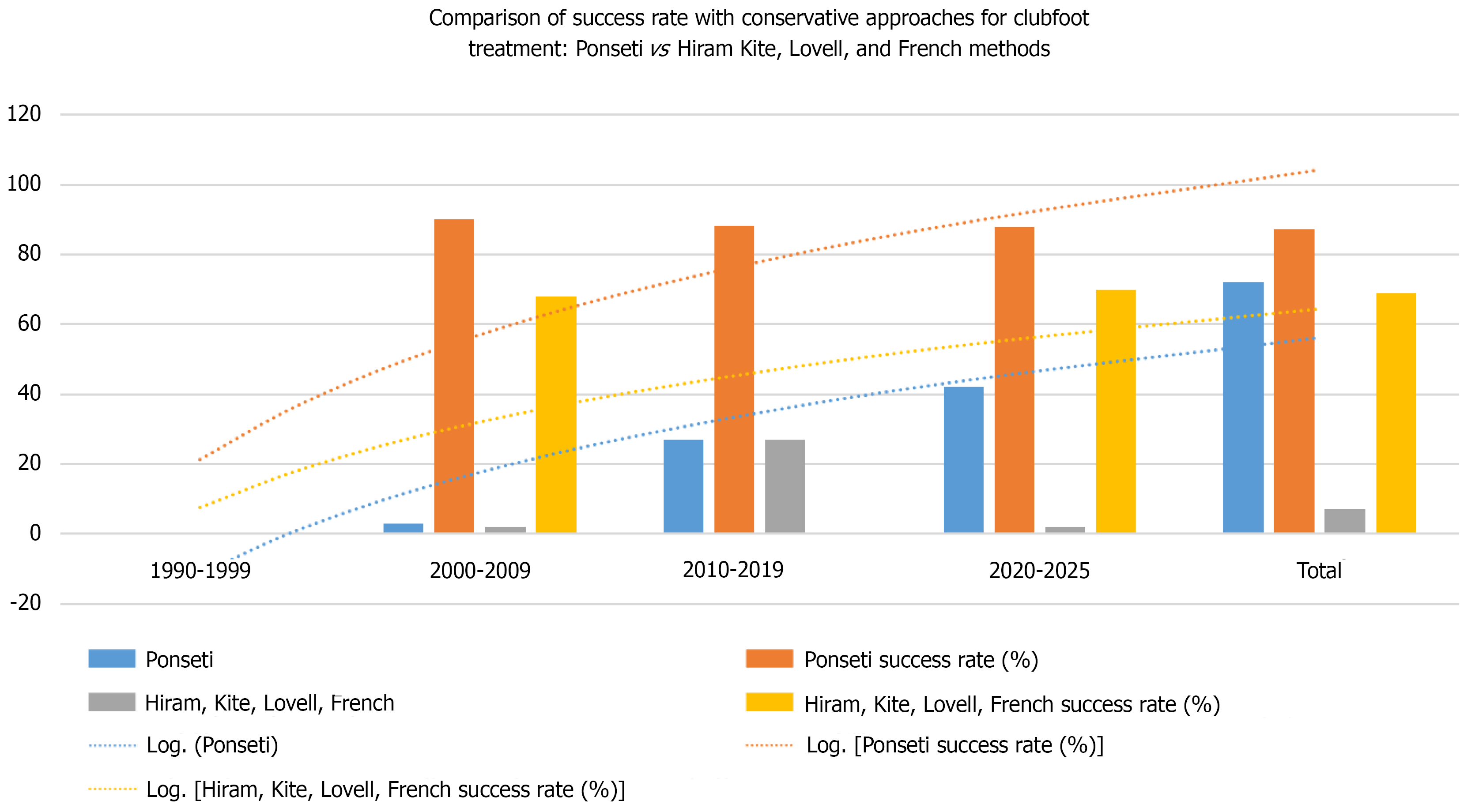
Figure 3 Ponseti’s rise post-2005, peaking in 2020-2024 (25 studies), and the decline of Kite (phased out post-2010, 0 studies 2020-2025).
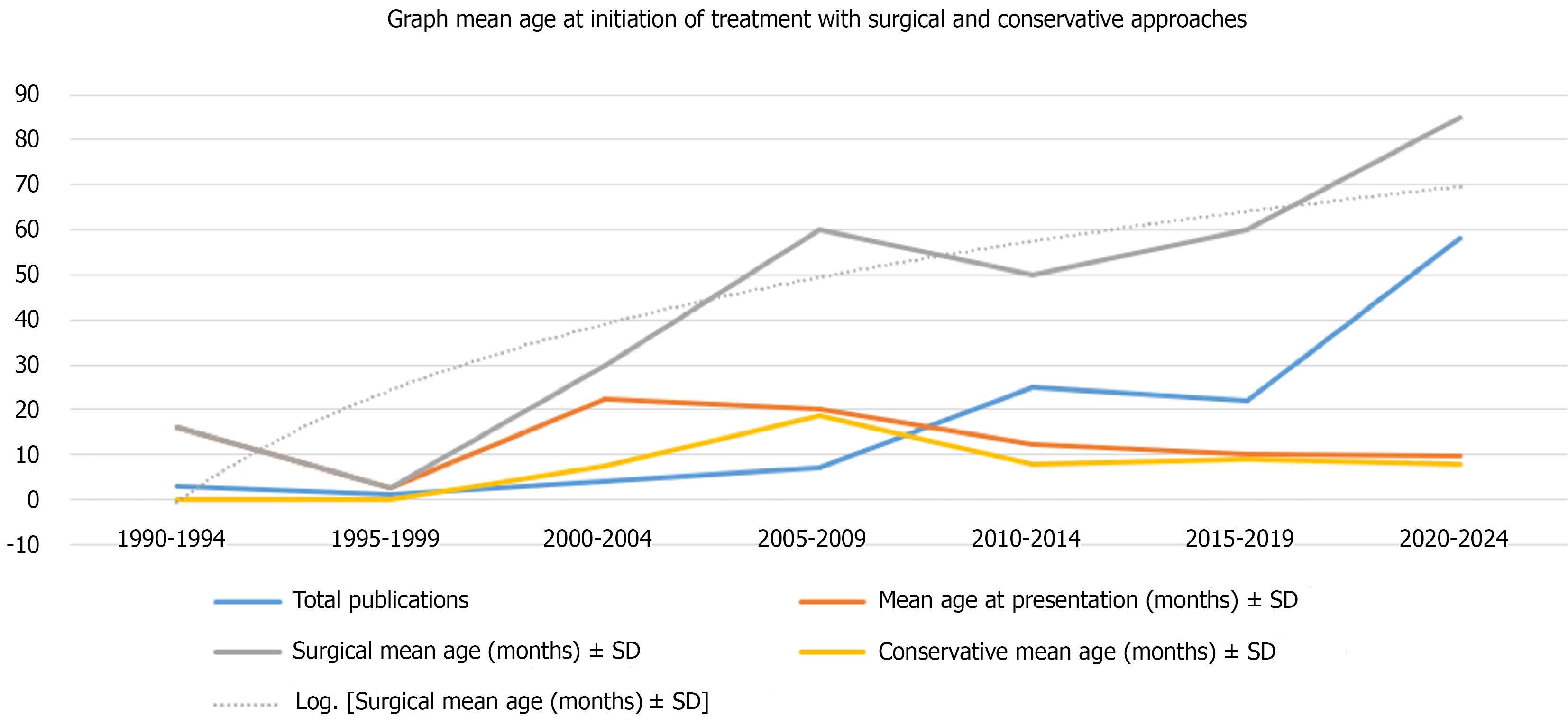
Figure 4 Illustrates decline mean age at initiation of treatment with surgical and conservative approaches.
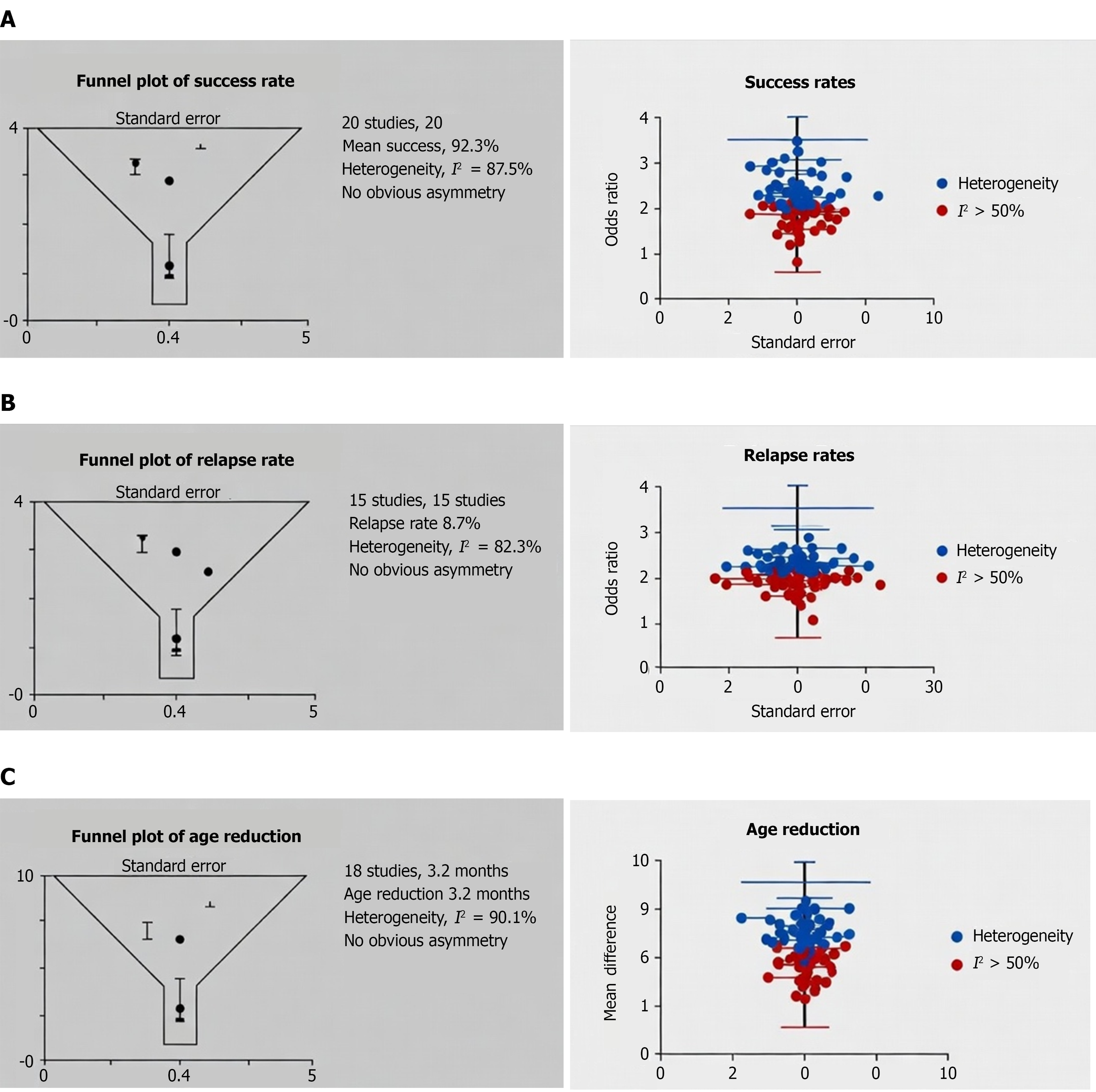
Figure 5 Funnel plot of success rate (Ponseti method).
A: 20 studies included; pooled mean success approximately 92.3% (high Ponseti focus); I2 = 87.5%. No obvious asymmetry observed (visual assessment only; quantitative tests like Egger’s unreliable due to high heterogeneity); B: 15 studies included; pooled relapse approximately 8.7%; I2 = 82.3%. No obvious asymmetry observed; C: 18 studies included; pooled age reduction approximately 3.2 months; I2 = 90.1%. No obvious asymmetry observed.
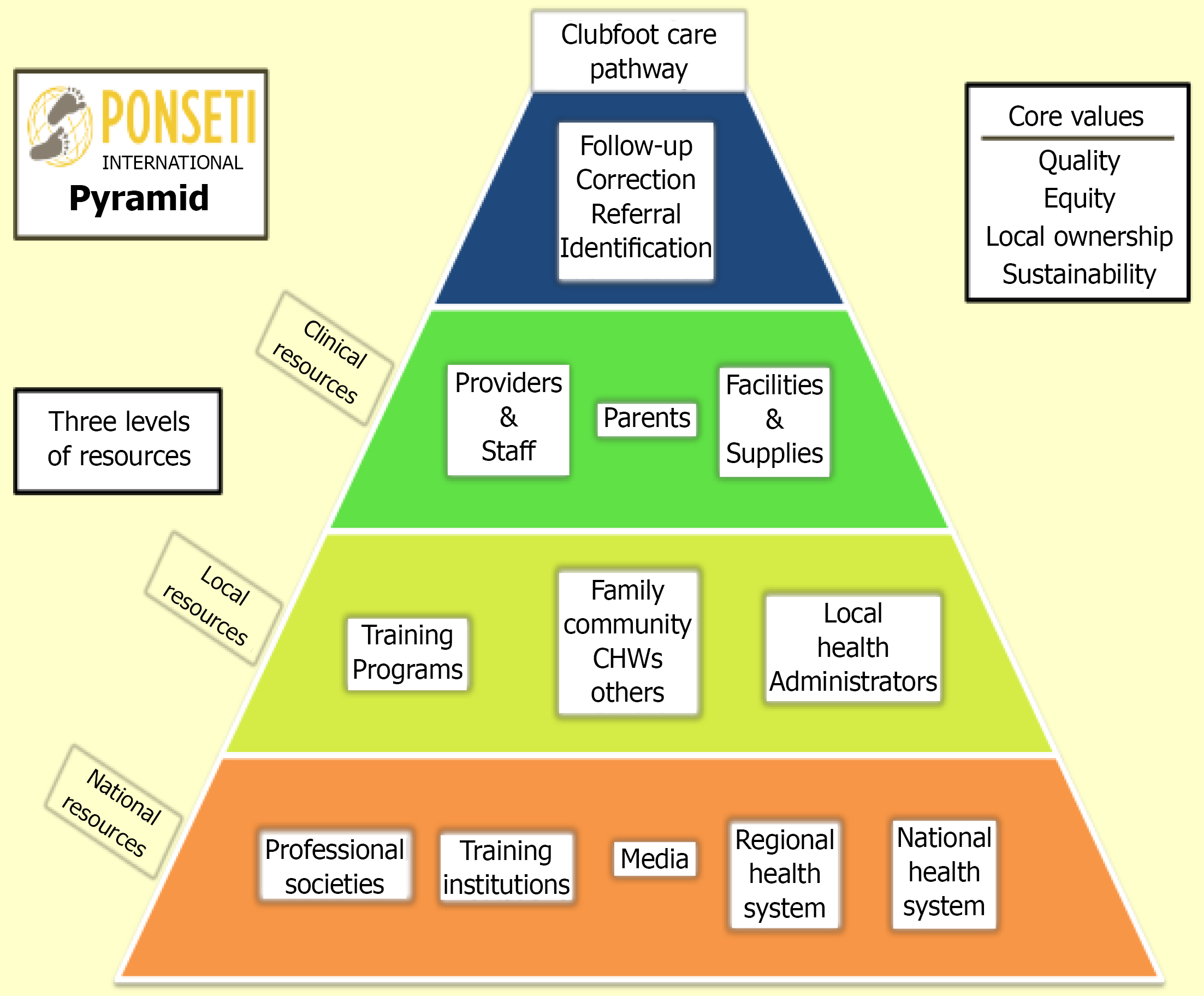
Figure 6 Program framework for sustainable clubfoot care pathway[5].
Citation: Morcuende JA, Cook T, Parkar E. Clubfoot Disability: Model for Sustainable Health Systems Programs in Three Countries. Ponseti International Association. The University of Iowa. 2015: 1-39. The authors have obtained the permission for figure using (Supplementary material).
- Citation: Bhatti A, Mazar Baloch S, Morcuende JA, Jaffri K, Bhatti MY. Paradigm shift in clubfoot care strategies in Pakistan: A meta-analysis over three decades. World J Meta-Anal 2026; 14(2): 118716
- URL: https://www.wjgnet.com/2308-3840/full/v14/i2/118716.htm
- DOI: https://dx.doi.org/10.13105/wjma.v14.i2.118716