
















©The Author(s) 2026.
World J Methodol. Mar 20, 2026; 16(1): 110342
Published online Mar 20, 2026. doi: 10.5662/wjm.v16.i1.110342
Published online Mar 20, 2026. doi: 10.5662/wjm.v16.i1.110342
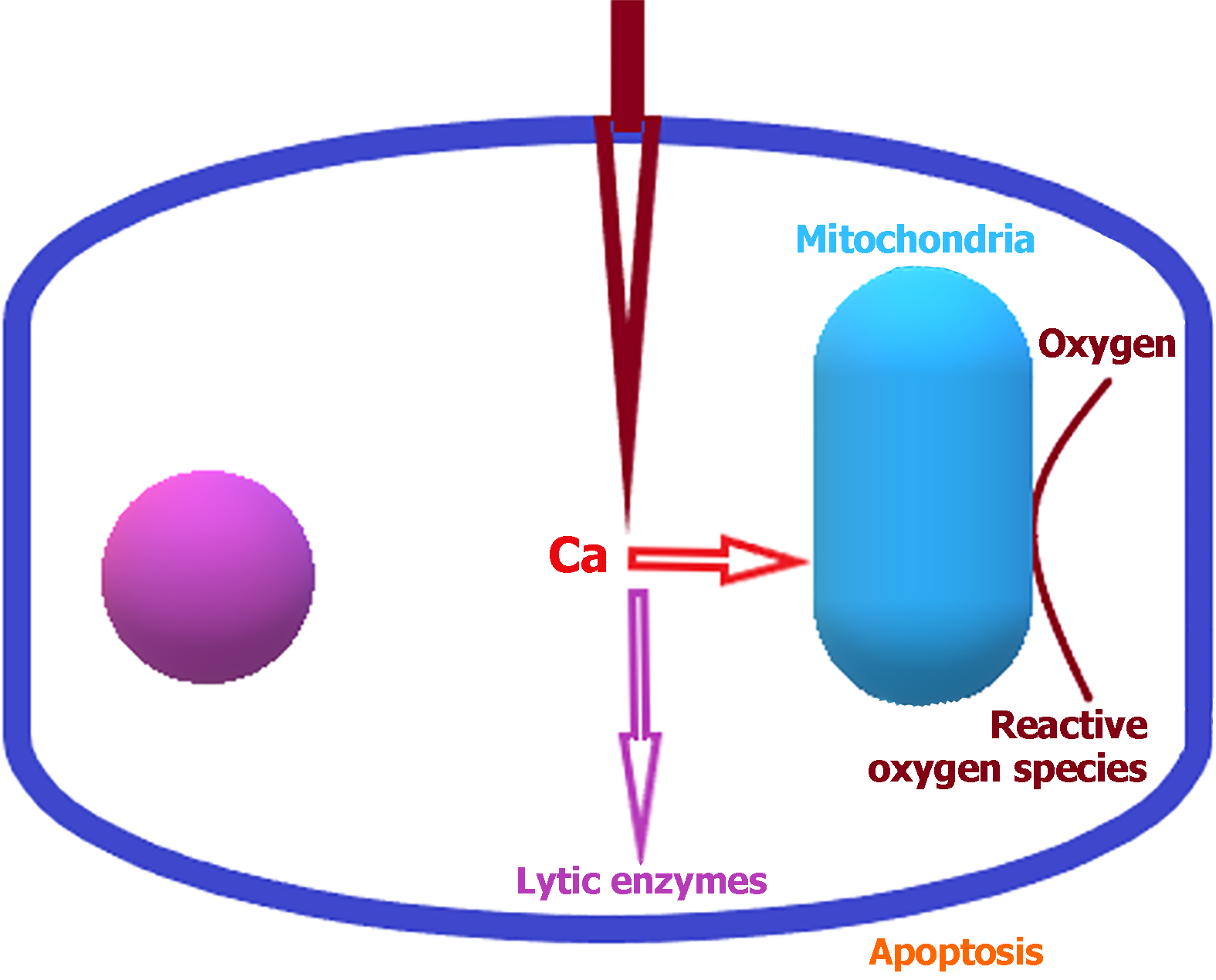
Figure 1 Calcium- mitochondria-apoptosis cascade.
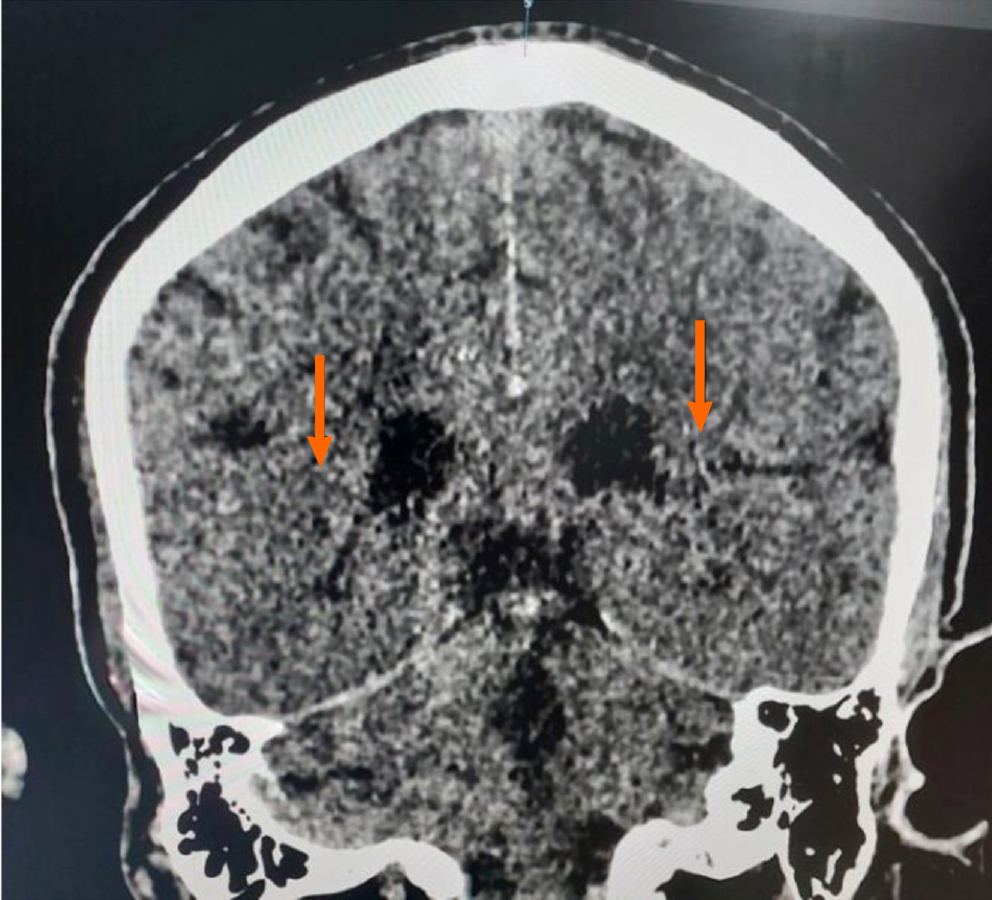
Figure 2 Computed tomography image of brain showing subtle loss of grey-white differentiation and effacement of basal ganglia (orange arrows) in a patient post-cardiac arrest.
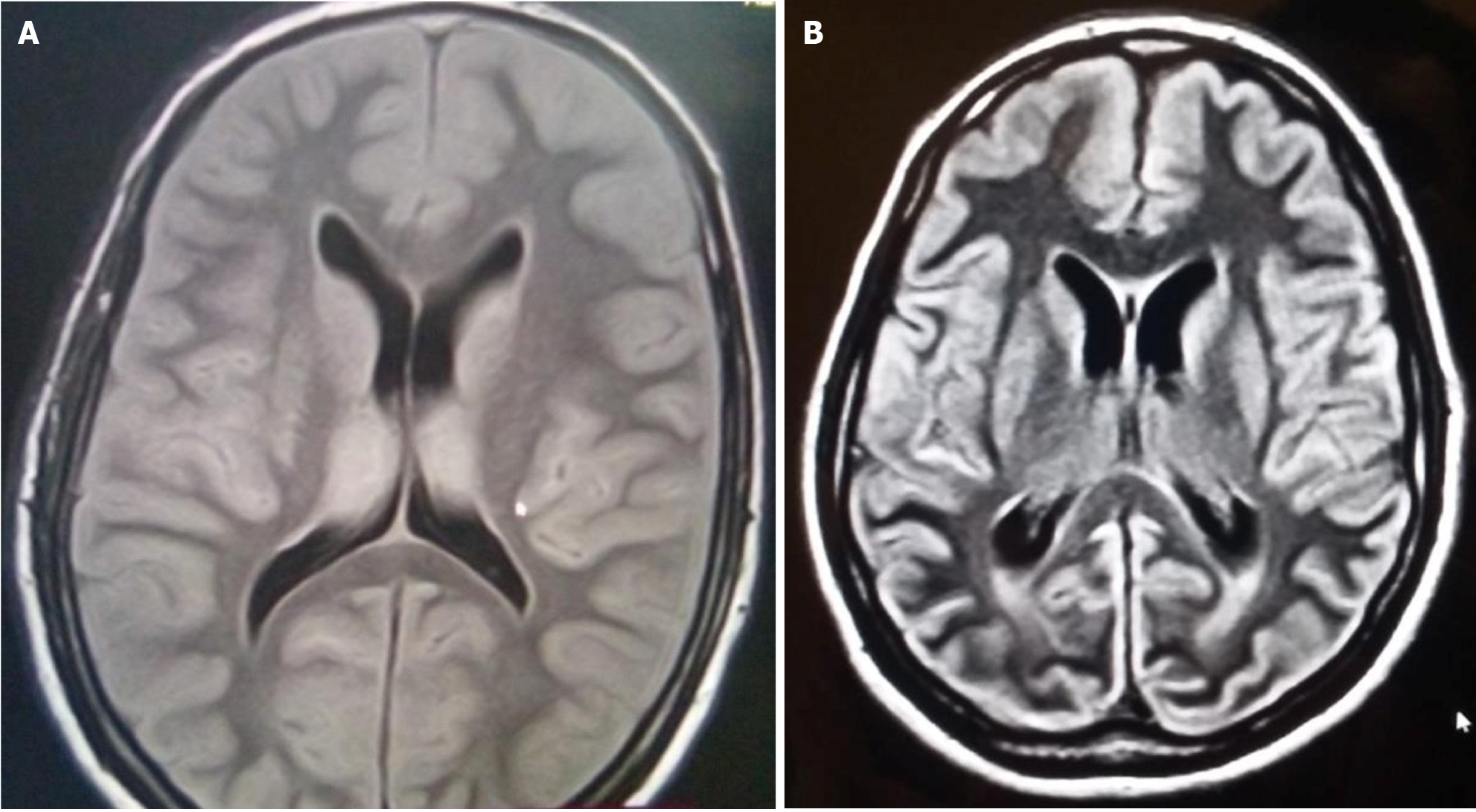
Figure 3 Magnetic resonance imaging.
A: A patient with hypoxic-ischemic brain injury showing fluid attenuated inversion recovery hyperintensities in basal ganglia; B: A patient with chronic hypoxic-ischemic brain injury showing diffuse atrophy.
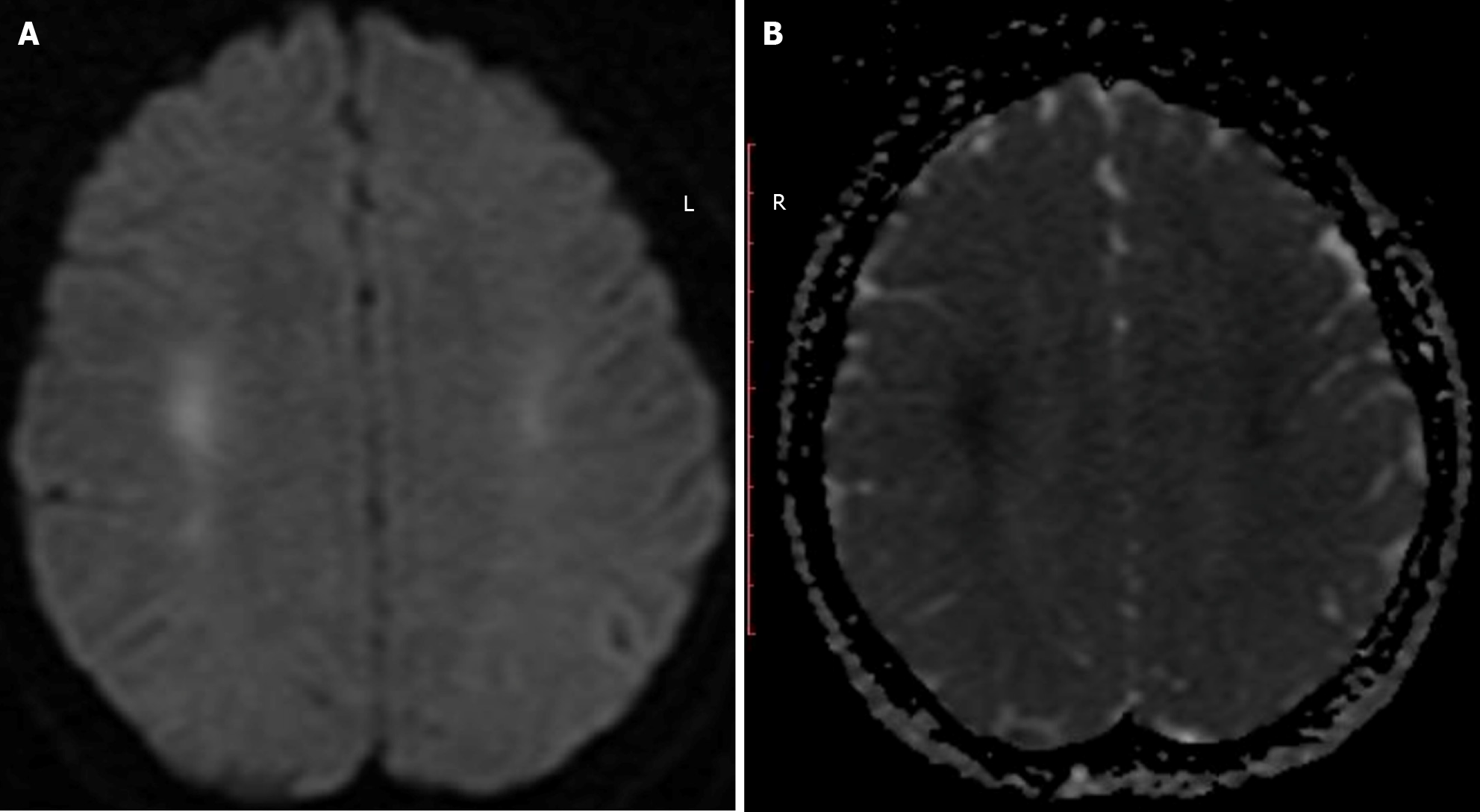
Figure 4 Confluent areas of diffusion restriction are noted in the bilateral corona radiata with absolute diffusion coefficient confirmation in hypoxic-ischemic brain injury.
A: Hyperintensity in diffusion-weighted imaging; B: Corresponding hypointensity in apparent diffusion coefficient.
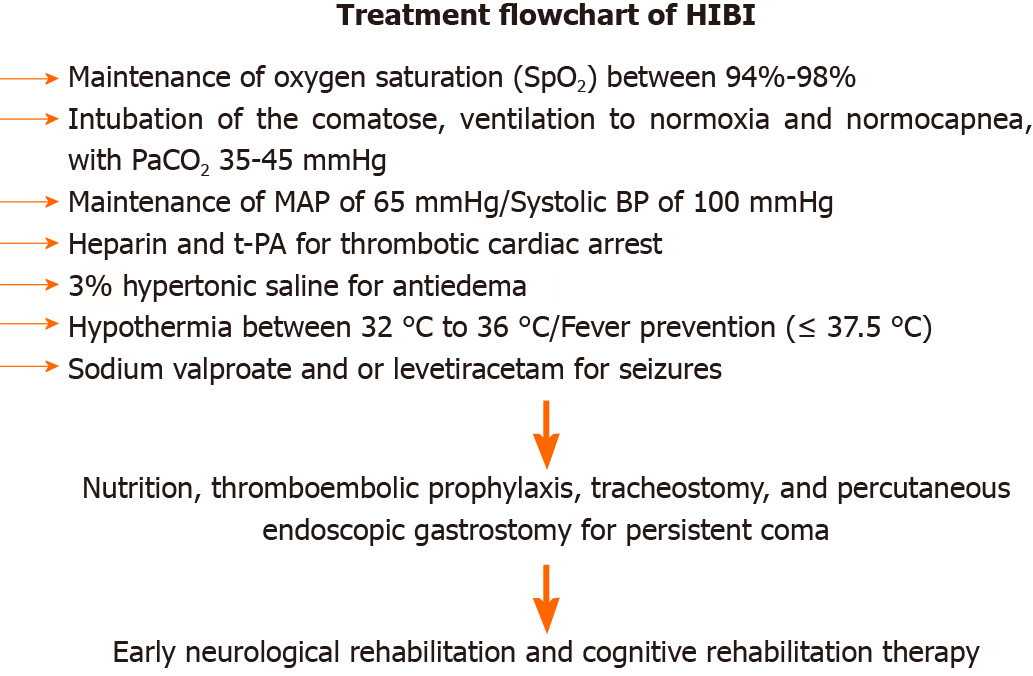
Figure 5 Treatment flowchart of hypoxic-ischemic brain injury.
HIBI: Hypoxic-ischemic brain injury; BP: Blood pressure; MAP: Mean arterial pressure; t-PA: Tissue plasminogen activator.
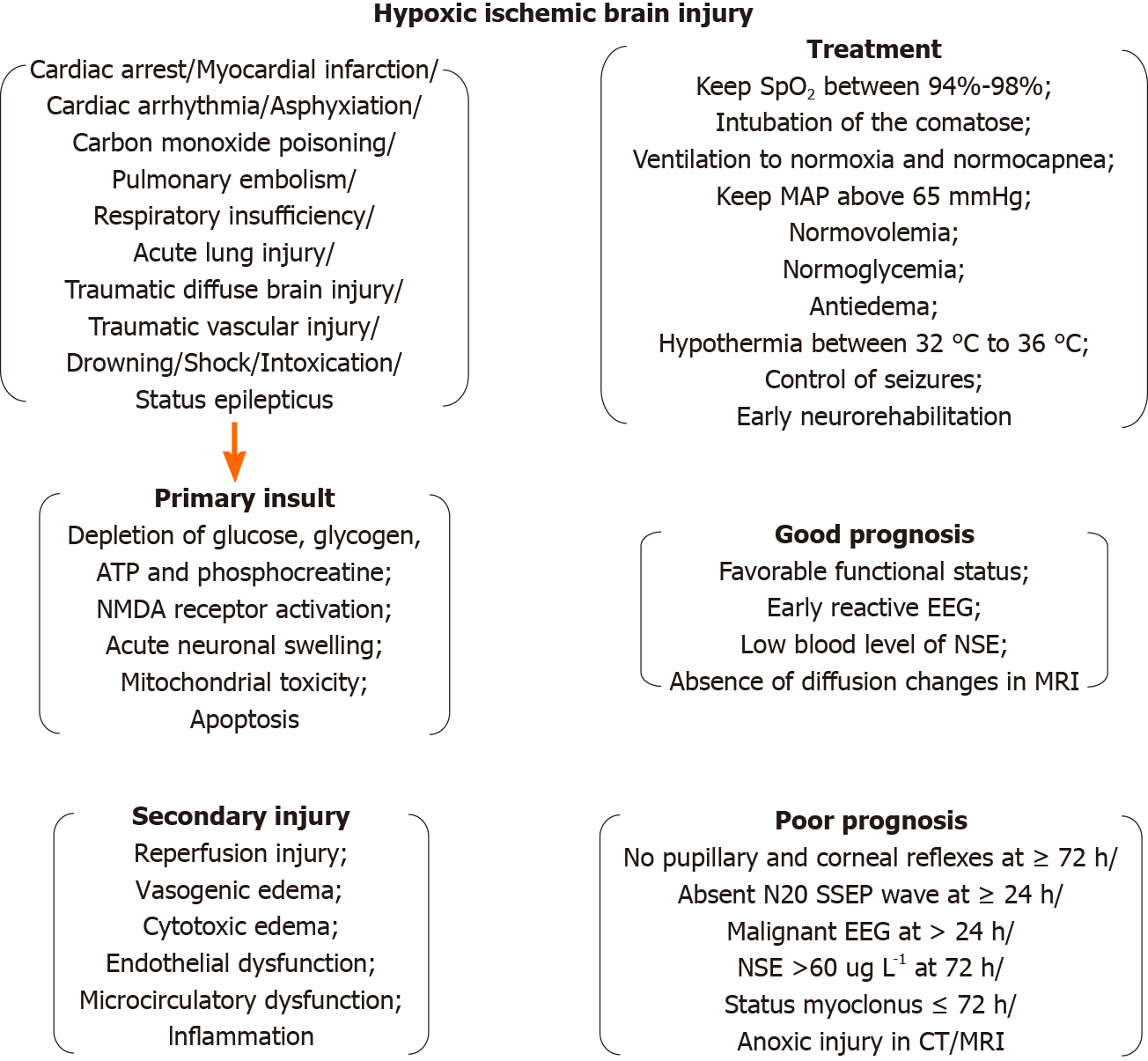
Figure 6 Synopsis of the pathophysiology, treatment, and prognosis of hypoxic-ischemic brain injury.
MAP: Mean arterial pressure; EEG: Electroencephalogram; NSE: Neuron specific enolase; CT: Computed tomography; MRI: Magnetic resonance imaging; NMDA: N-methyl-D-aspartate; ATP: Adenosine triphosphate.
- Citation: Ayyappan Unnithan AK. Update on hypoxic-ischemic brain injury: Prognosis and management. World J Methodol 2026; 16(1): 110342
- URL: https://www.wjgnet.com/2222-0682/full/v16/i1/110342.htm
- DOI: https://dx.doi.org/10.5662/wjm.v16.i1.110342