
















Copyright: ©Author(s) 2026.
World J Transl Med. Jul 28, 2026; 12(2): 122602
Published online Jul 28, 2026. doi: 10.5528/wjtm.122602
Published online Jul 28, 2026. doi: 10.5528/wjtm.122602
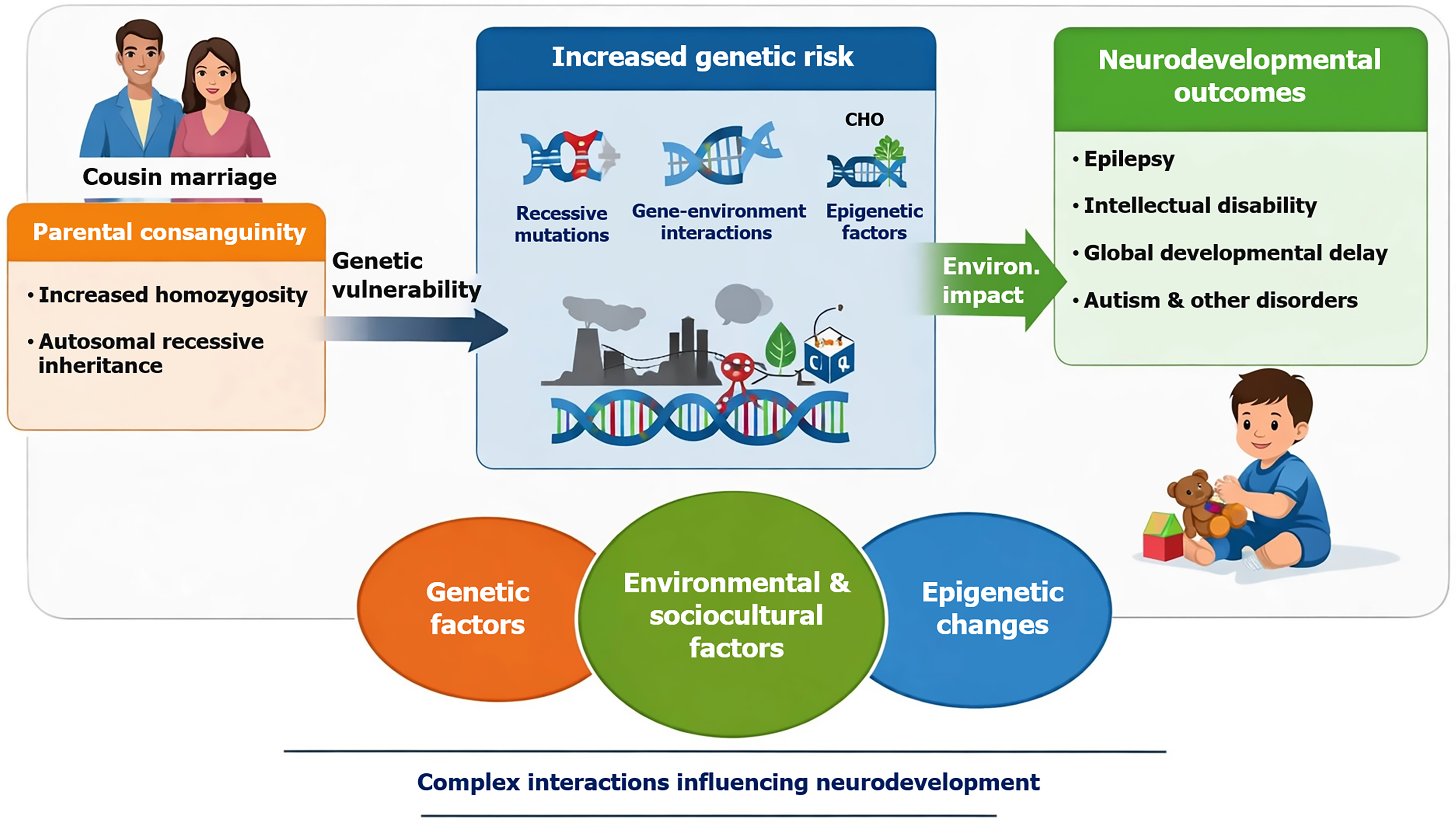
Figure 1 Basic genetic pathway linking consanguinity to neurodevelopmental risk.
This figure illustrates the fundamental mechanism by which consanguinity increases genomic autozygosity, thereby increasing the probability of autosomal recessive disease expression. A subset of these disorders manifests with neurological and neurodevelopmental impairment.
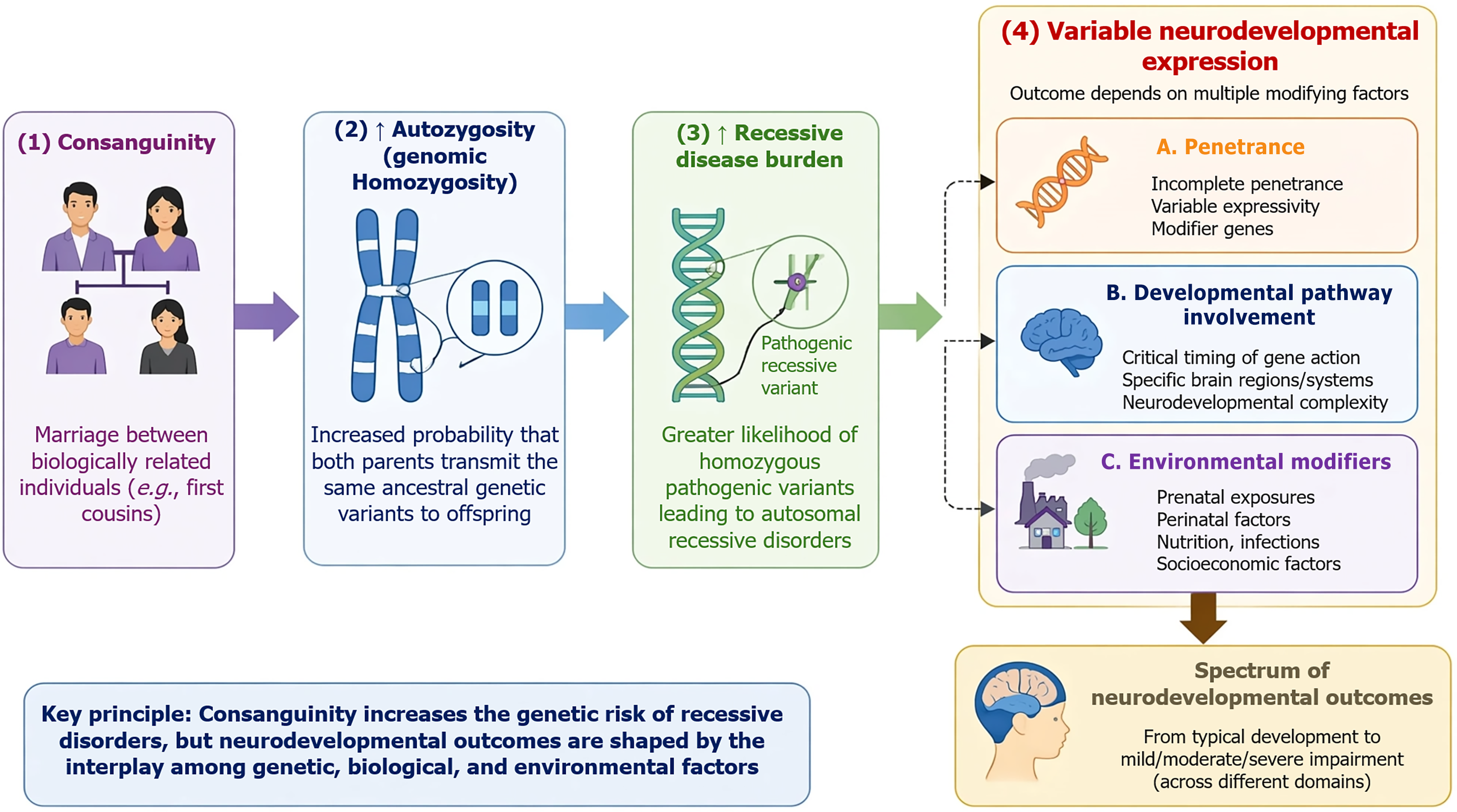
Figure 2 Conceptual model explaining variability in neurodevelopmental outcomes associated with consanguinity.
This figure expands on the basic genetic pathway by incorporating modifying factors, including gene penetrance, involvement of specific developmental pathways, degree of consanguinity, and environmental influences. It illustrates how these factors contribute to heterogeneous clinical outcomes and may affect the detectability of associations in clinical studies.
- Citation: Al-Beltagi M. Beyond assumptions: Revisiting the link between consanguinity and pediatric neurodevelopmental disorders. World J Transl Med 2026; 12(2): 122602
- URL: https://www.wjgnet.com/2220-6132/full/v12/i2/122602.htm
- DOI: https://dx.doi.org/10.5528/wjtm.122602