
















Copyright: ©Author(s) 2026.
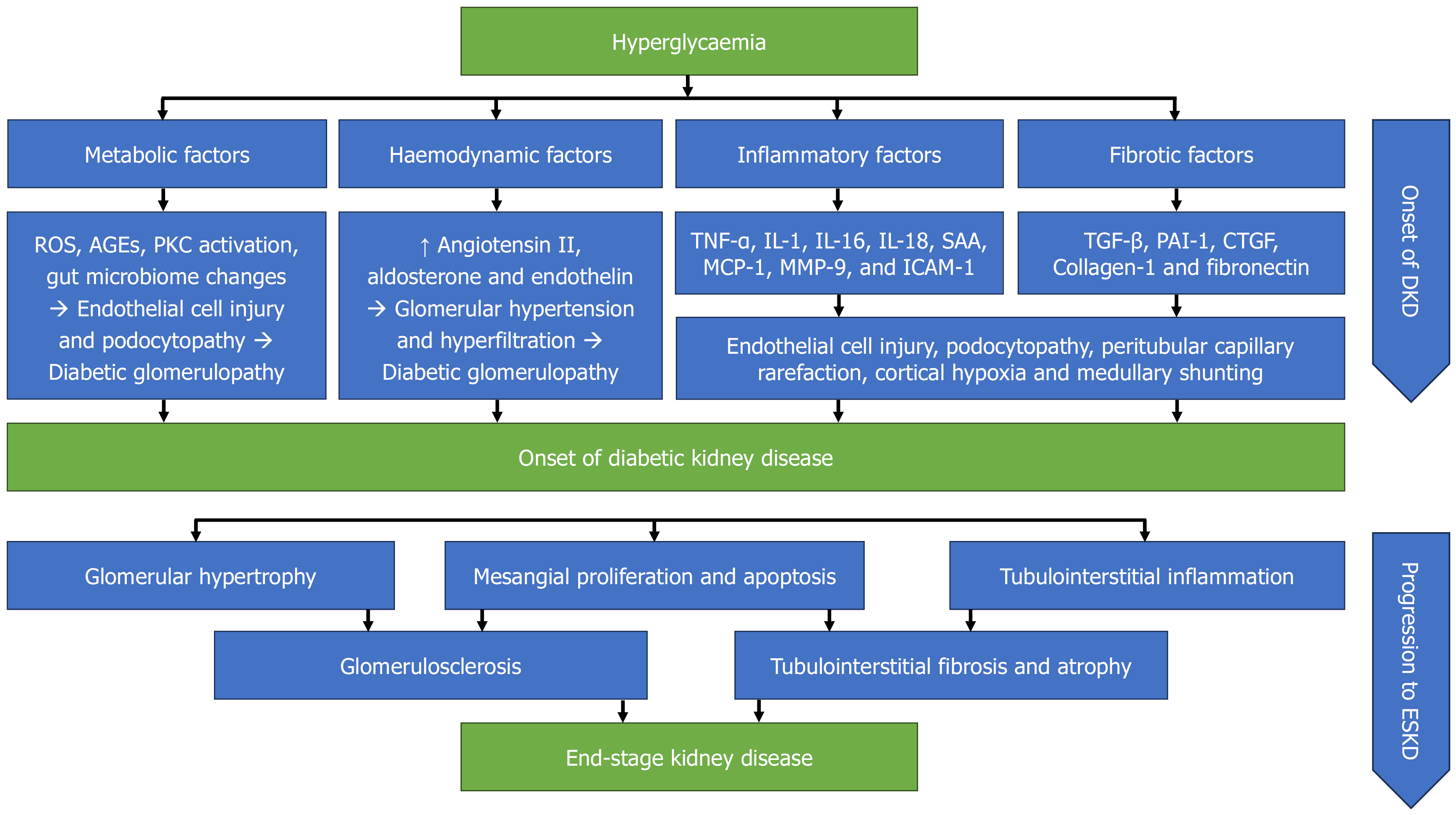
Figure 1 Diagram illustrating the relationship of mechanistic drivers throughout the early to advanced stages of kidney damage and disease progression in diabetes.
AGE: Advanced glycation end product; CTGF: Connective tissue growth factor; DKD: Diabetic kidney disease; ICAM-1: Intercellular adhesion molecule 1; IL: Interleukin; MCP-1: Monocyte chemoattractant protein-1; MMP-9: Matrix metalloproteinase 9; PAI-1: Plasminogen activator inhibitor; ROS: Reactive oxygen species; SAA: Serum amyloid A; TGF-β: Transforming growth factor beta; TNF-α: Tumor necrosis factor alpha; PKC: Protein kinase C; ESKD: End-stage kidney disease.
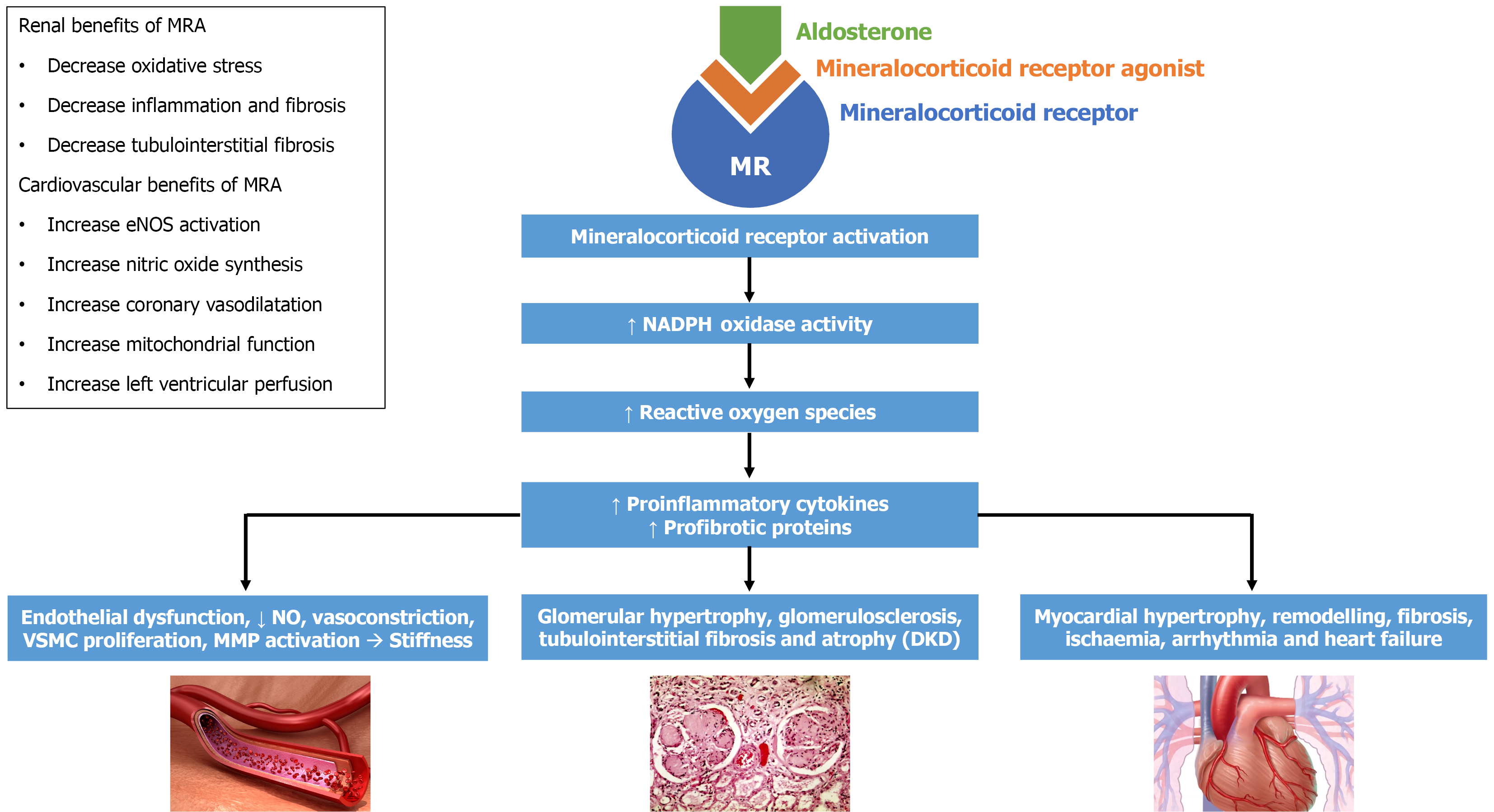
Figure 2 Mechanism of cardio-renal damage by mineralocorticoid receptor overactivation.
DKD: Diabetic kidney disease; eNOS: Endothelial nitric oxide synthase; MRA: Mineralocorticoid receptor antagonist; NADPH: Nicotinamide adenine dinucleotide phosphate; NO: Nitric oxide; VSMC: Vascular smooth muscle cell; MR: Mineralocorticoid receptor.
- Citation: Jose A, Kamrul-Hasan ABM, Fernandez CJ, Pappachan JM. Efficacy of finerenone in reducing proteinuria in diabetic kidney disease on dapagliflozin and telmisartan: A disease-modifying approach. World J Nephrol 2026; 15(3): 120295
- URL: https://www.wjgnet.com/2220-6124/full/v15/i3/120295.htm
- DOI: https://dx.doi.org/10.5527/wjn.120295