
















Copyright: ©Author(s) 2026.
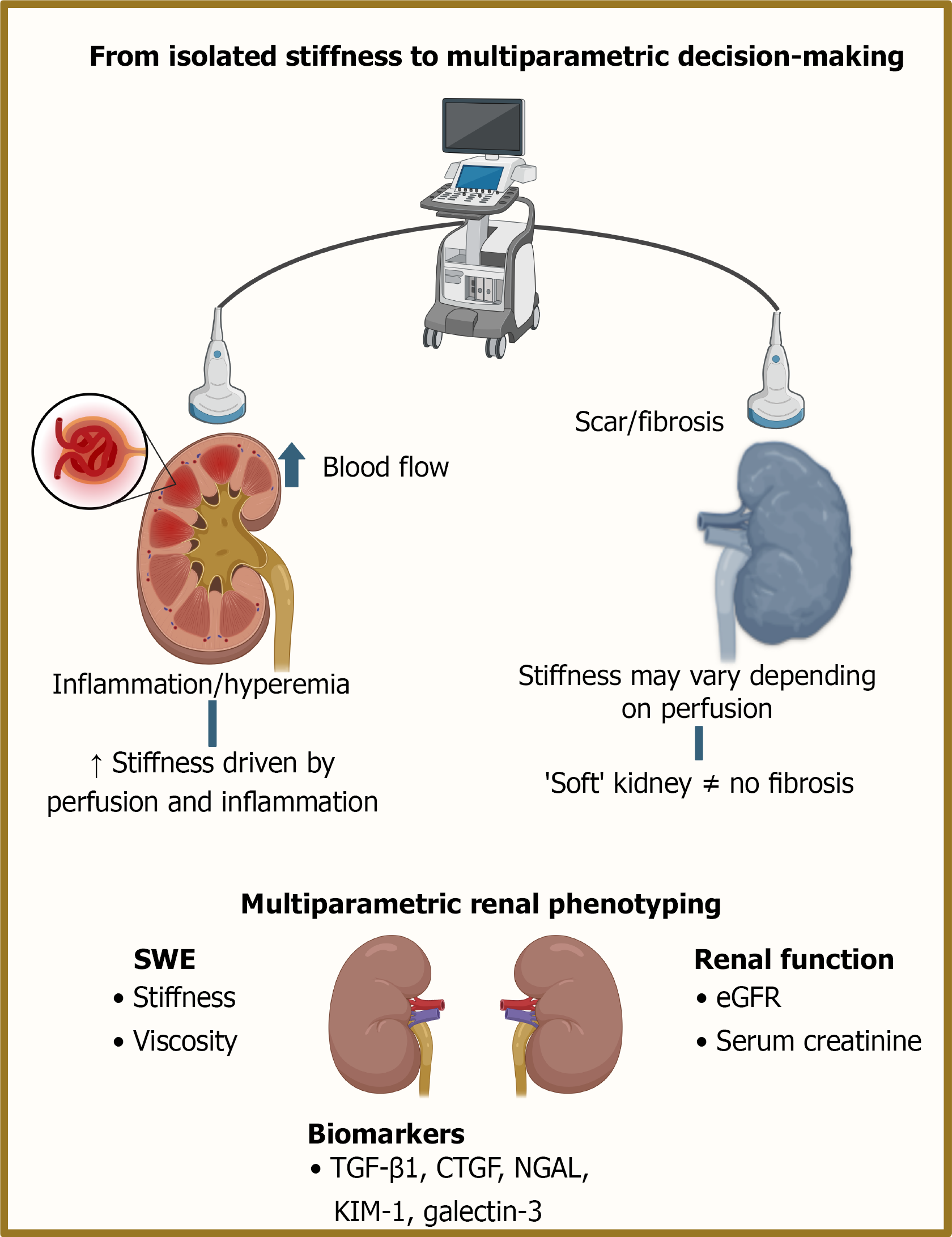
Figure 1 From isolated stiffness to multiparametric decision-making.
Limitations of interpreting renal shear-wave elastography in isolation and the rationale for a multiparametric approach in glomerulonephritis. In inflammatory or hyperemic kidneys, increased stiffness may be driven more by perfusion and inflammation than by fibrosis. In advanced fibrotic disease, stiffness values may vary according to renal perfusion, and a “soft” kidney does not exclude significant fibrosis. Therefore, a multiparametric model integrating shear-wave elastography-derived mechanical properties (stiffness and viscosity), renal function parameters, and selected biomarkers may provide a more accurate non-invasive renal phenotyping, risk stratification, and assessment of disease progression. SWE: Shear-wave elastography; eGFR: Estimated glomerular filtration rate; TGF-β1: Transforming growth factor beta 1; CTGF: Connective tissue growth factor; NGAL: Neutrophil gelatinase-associated lipocalin; KIM-1: Kidney injury molecule 1.
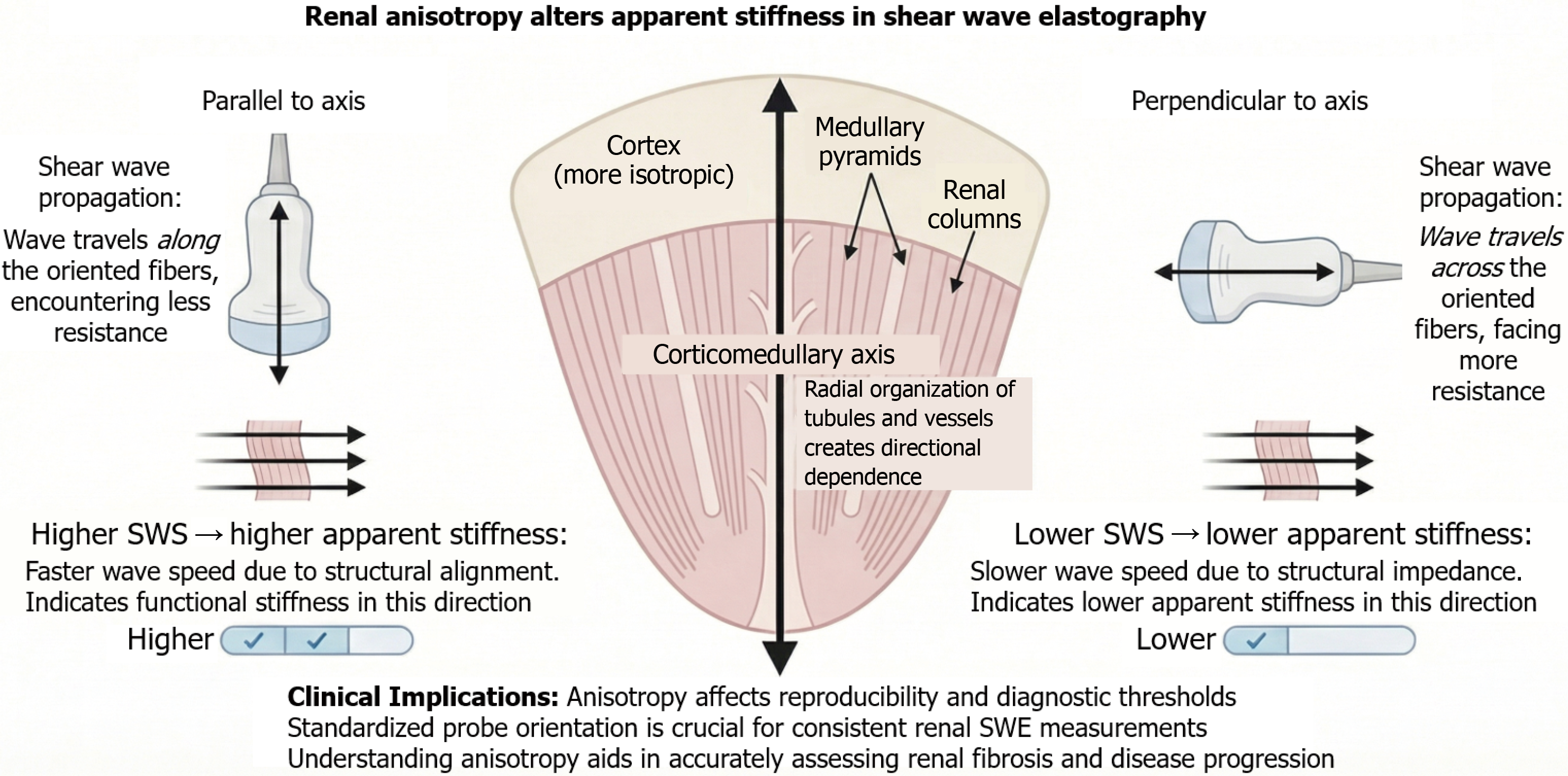
Figure 2 Effect of renal anisotropy on shear wave elastography measurements.
Renal tissue anisotropy significantly influences shear wave propa
- Citation: Mora-Loján JL, García-Trujillo OF, Vélez-Hurtado G, Bermúdez-Mercado E, Pacheco-Salazar F, Balderas-Juarez J, Martínez-Sánchez FD. Renal elastography in kidney disease: Current evidence, limitations, and future directions. World J Nephrol 2026; 15(3): 119841
- URL: https://www.wjgnet.com/2220-6124/full/v15/i3/119841.htm
- DOI: https://dx.doi.org/10.5527/wjn.119841