
















Copyright: ©Author(s) 2026.
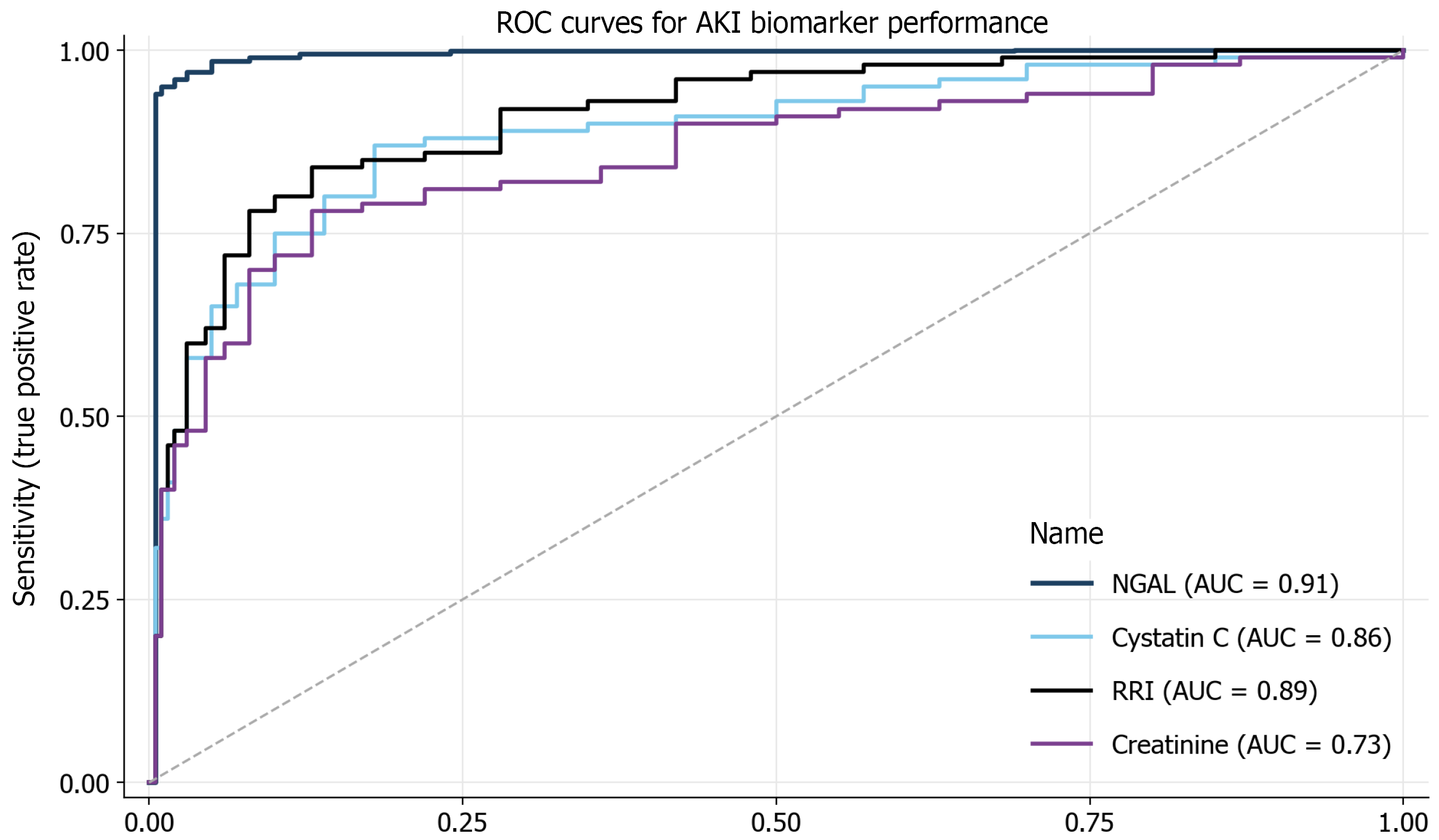
Figure 1 Receiver operating characteristic curves for acute kidney injury biomarker performance.
Receiver operating characteristic curves comparing the diagnostic accuracy of neutrophil gelatinase-associated lipocalin, cystatin C, renal resistive index, and serum creatinine in detecting acute kidney injury. Areas under the curve with 95%CI: (1) Neutrophil gelatinase-associated lipocalin = 0.91 (0.87-0.95); (2) Renal resistive index = 0.89 (0.83-0.94); (3) Cystatin C = 0.86 (0.81-0.91); and (4) Creatinine = 0.73 (0.66-0.80). The diagonal dashed line represents chance-level discrimination (area under the curve = 0.5). AKI: Acute kidney injury; AUC: Areas under the curve; NGAL: Neutrophil gelatinase-associated lipocalin; ROC: Receiver operating characteristic; RRI: Renal resistive index.
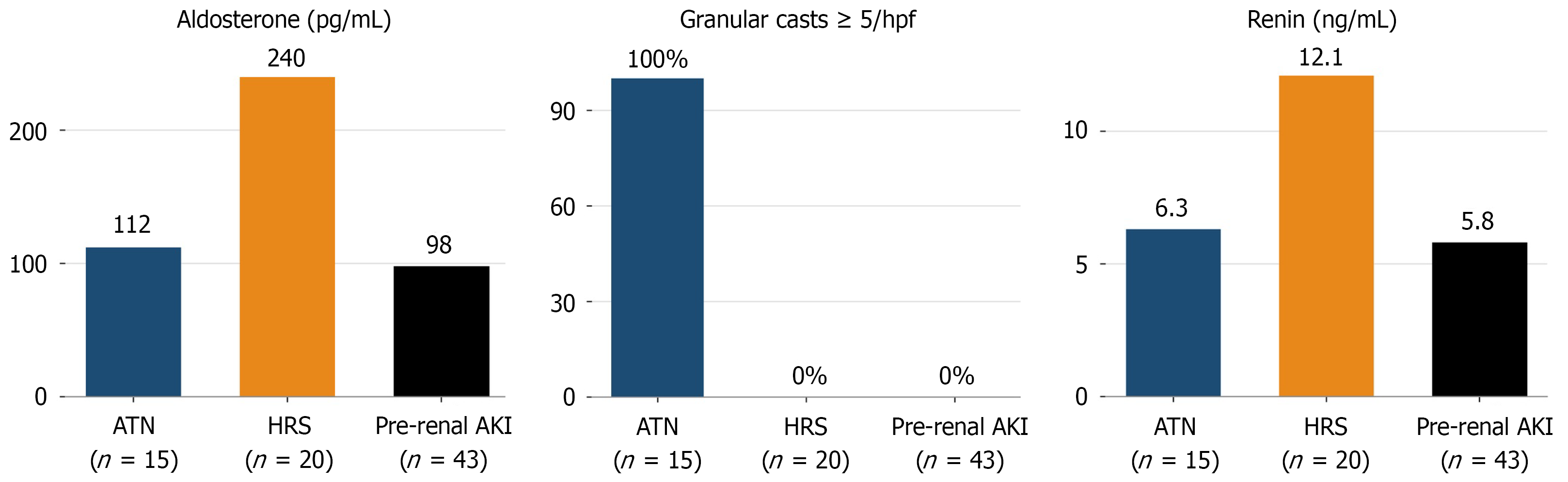
Figure 2 Diagnostic test results by acute kidney injury subtype.
Blue bars: Pre-renal acute kidney injury (n = 43); orange: Hepatorenal syndrome (n = 20); black: Acute tubular necrosis (n = 15). Left-to-right panels show granular casts (%), renin (ng/mL), and aldosterone (pg/mL) levels. Numerical labels indicate exact values. AKI: Acute kidney injury; ATN: Acute tubular necrosis; hpf: High-power field; HRS: Hepatorenal syndrome.
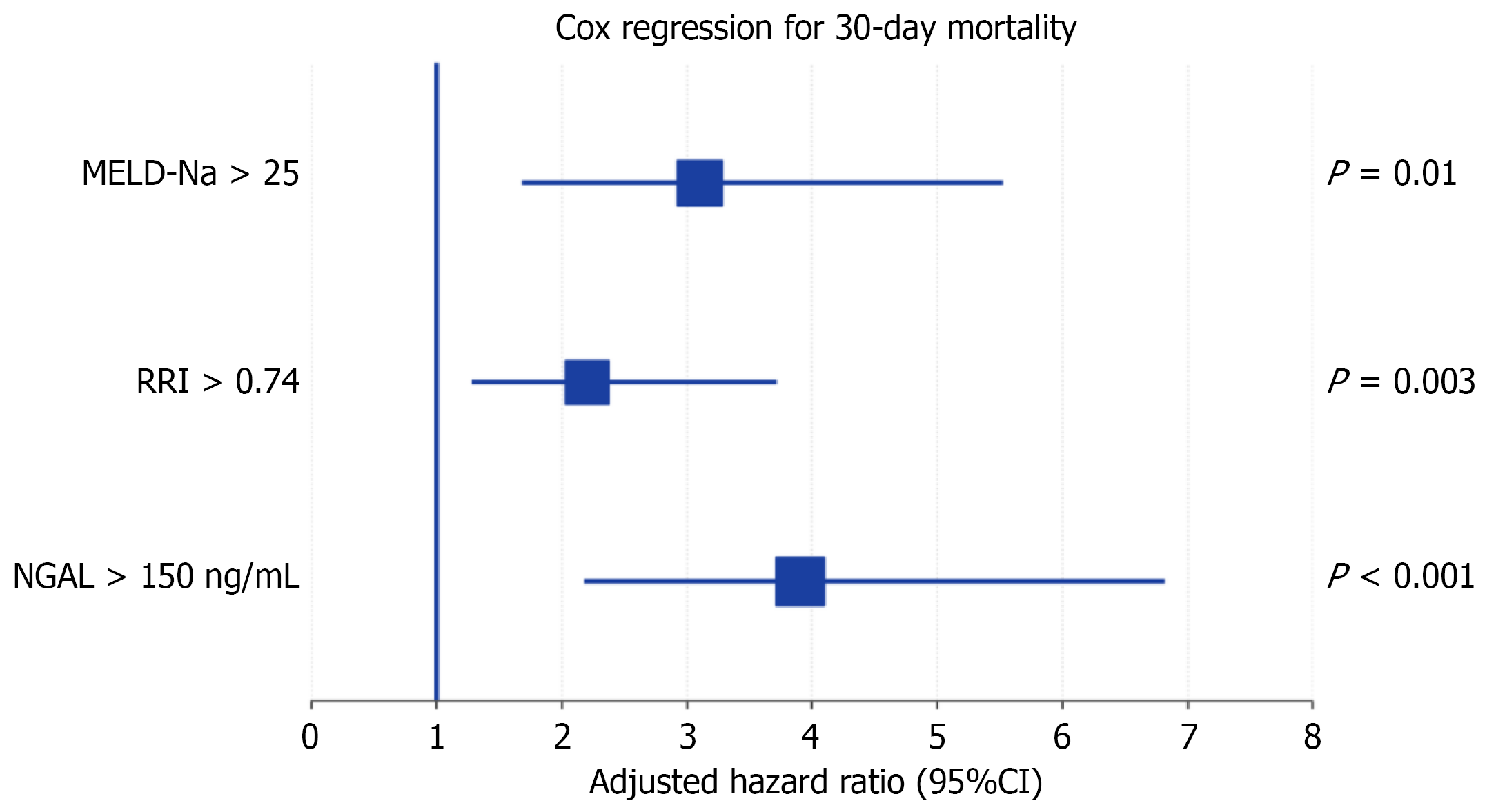
Figure 3 Forest plot of factors associated with 30-day mortality in cirrhotic patients with acute kidney injury.
Hazard ratio with 95%CI are shown for neutrophil gelatinase-associated lipocalin > 150 ng/mL, renal resistive index > 0.74, and Model for End-Stage Liver Disease includes serum sodium > 25. The vertical dashed line at hazard ratio = 1 indicates no association. MELD-Na: Model for End-Stage Liver Disease includes serum sodium; NGAL: Neutrophil gelatinase-associated lipocalin; RRI: Renal resistive index.
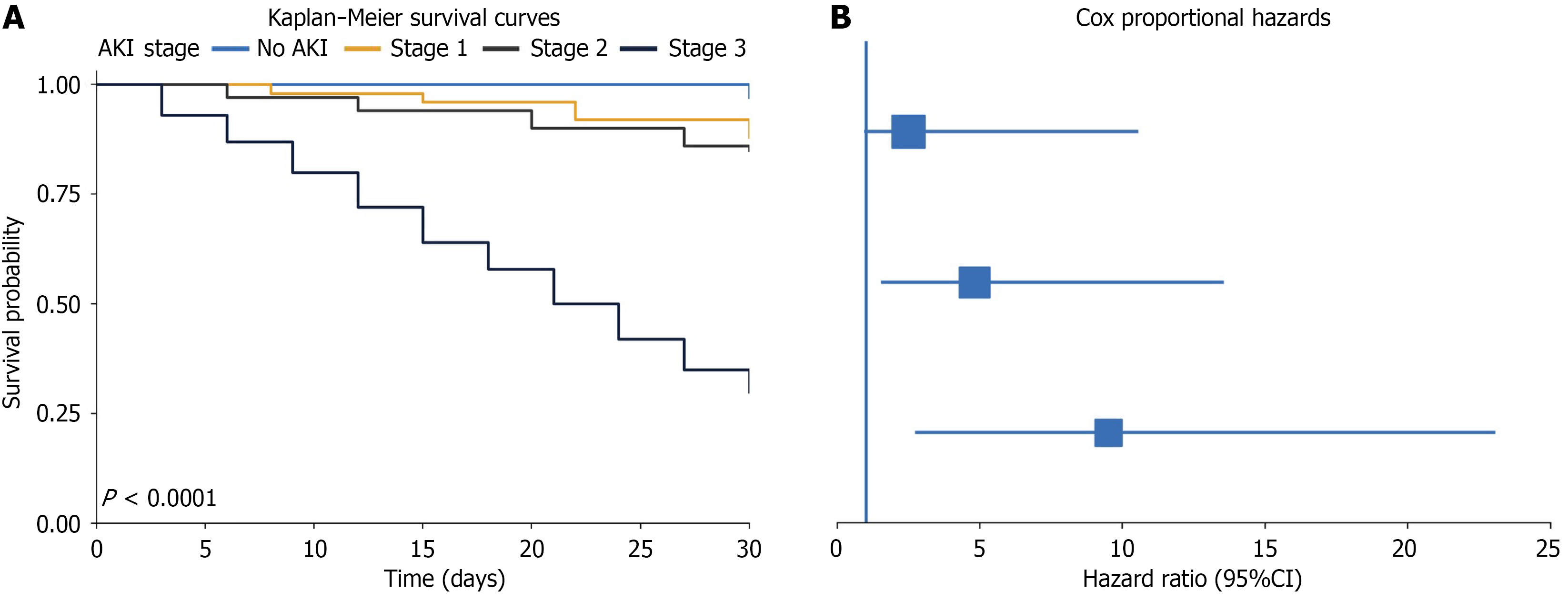
Figure 4 Survival analysis by acute kidney injury stage.
A: Kaplan-Meier curves show a stepwise decrease in 30-day survival with increasing acute kidney injury stage (log-rank P < 0.001); B: Cox proportional hazards analysis, adjusted for Model for End-Stage Liver Disease includes serum sodium, infection status, and baseline neutrophil gelatinase-associated lipocalin, shows that acute kidney injury stage 2 and stage 3 are independently associated with mortality. Hazard ratio with 95%CI are shown. Stage 1 was not statistically significant (P = 0.14), while stage 2 (P = 0.008) and stage 3 (P < 0.001) were associated with significantly increased risk. AKI: Acute kidney injury.
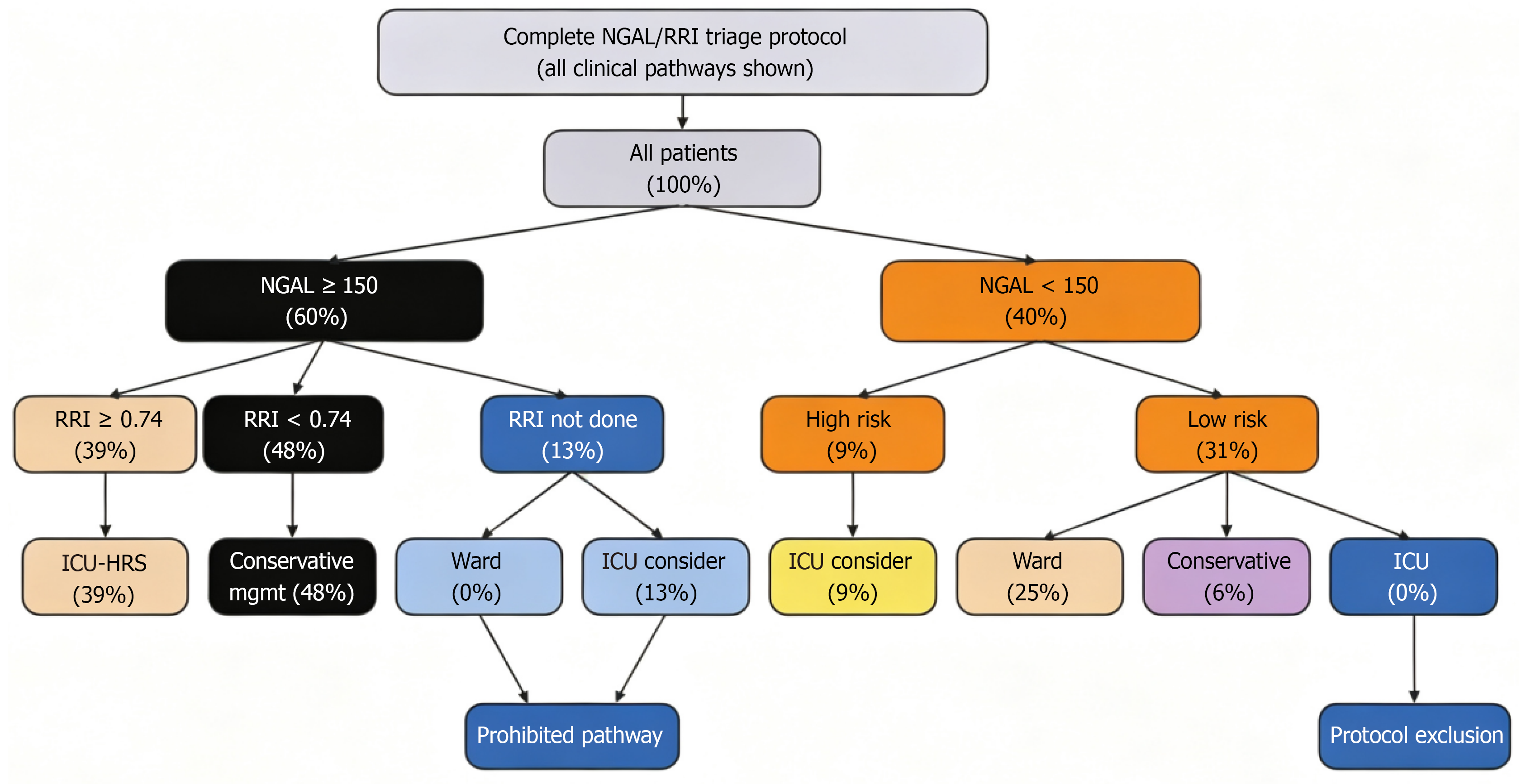
Figure 5 Decision Tree for neutrophil gelatinase-associated lipocalin and renal resistive index-guided triage.
Neutrophil gelatinase-associated lipocalin ≥ 150 ng/mL led to renal resistive index testing [≥ 0.74: Intensive care unit (ICU)-hepatorenal syndrome (39%); < 0.74: Conservative (48%); not done: ICU consider (13%)]. Neutrophil gelatinase-associated lipocalin < 150 ng/mL: High-risk to ICU (9%), low-risk to ward (25%), or conservative (6%). Prohibited pathways shown (0%). HRS: Hepatorenal syndrome; ICU: Intensive care unit; NGAL: Neutrophil gelatinase-associated lipocalin; RRI: Renal Resistive Index.
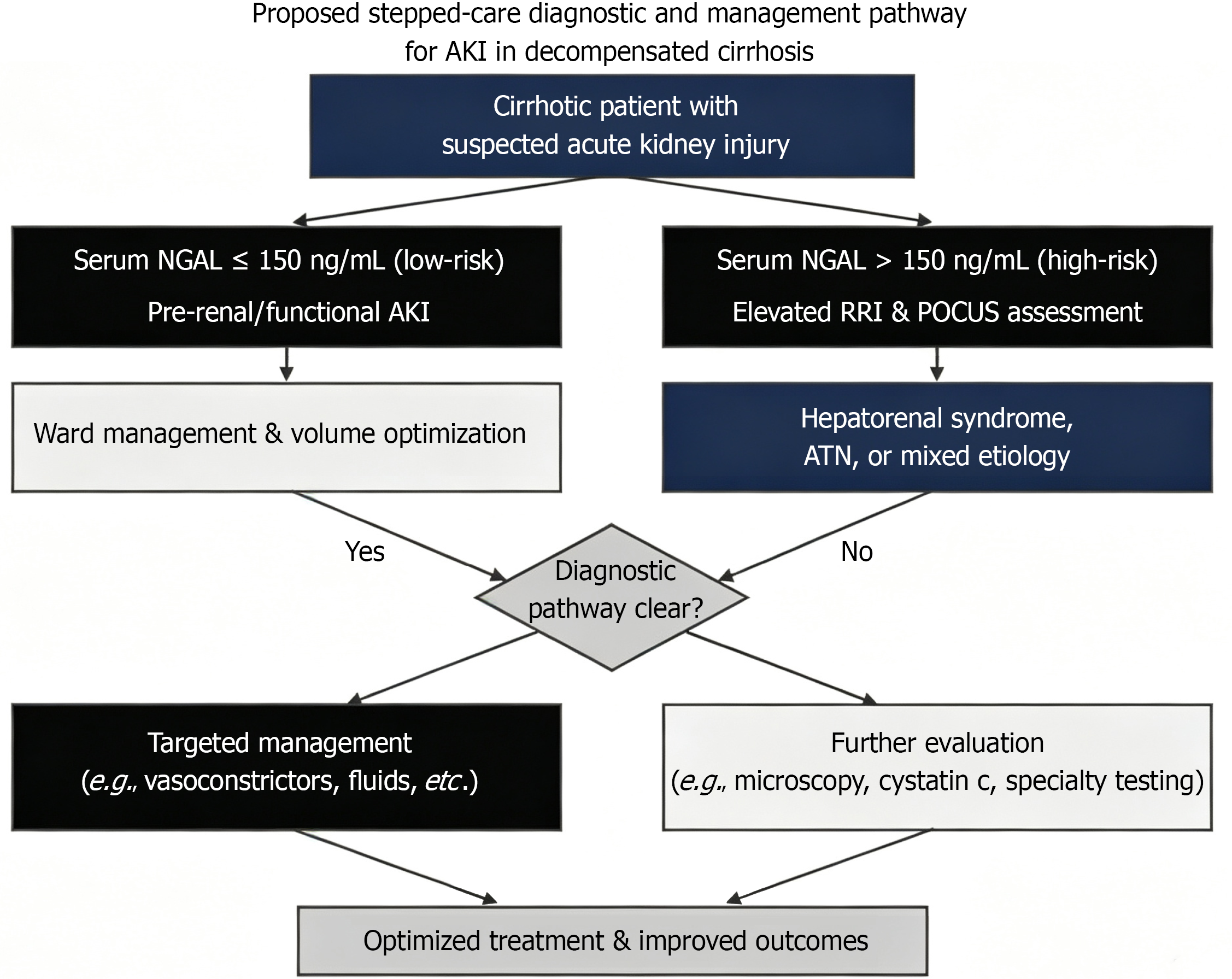
Figure 6 Proposed stepped-care clinical pathway for diagnosis and triage of acute kidney injury in decompensated cirrhosis.
This algorithm synthesizes key findings into a practical, resource-conscious framework for clinical implementation. Step 1: Serum neutrophil gelatinase-associated lipocalin (NGAL) measurement at initial clinical suspicion provides rapid triage, distinguishing low-risk (NGAL < 150 ng/mL) from high-risk (NGAL ≥ 150 ng/mL) acute kidney injury. Step 2: For high-risk patients, targeted bedside ultrasonography assesses renal resistive index (RRI) and volume status (inferior vena cava collapsibility, lung B-lines). An RRI ≥ 0.74 supports a diagnosis of hepatorenal syndrome and prompts consideration for intensive care unit admission and vasopressor therapy. An RRI < 0.74 suggests acute tubular necrosis or mixed injury, guiding conservative or renal-protective management. Step 3: Additional confirmatory tests (e.g., urinary microscopy, cystatin C) are reserved for cases with ambiguous initial findings. This sequential approach aims to replace delayed creatinine-based diagnosis with early, etiology-directed management, optimizing intensive care unit resource use and therapeutic decision-making. AKI: Acute kidney injury; ATN: Acute tubular necrosis; ICU: Intensive care unit; NGAL: Neutrophil gelatinase-associated lipocalin; POCUS: Point-of-care ultrasound; RRI: Renal resistive index.
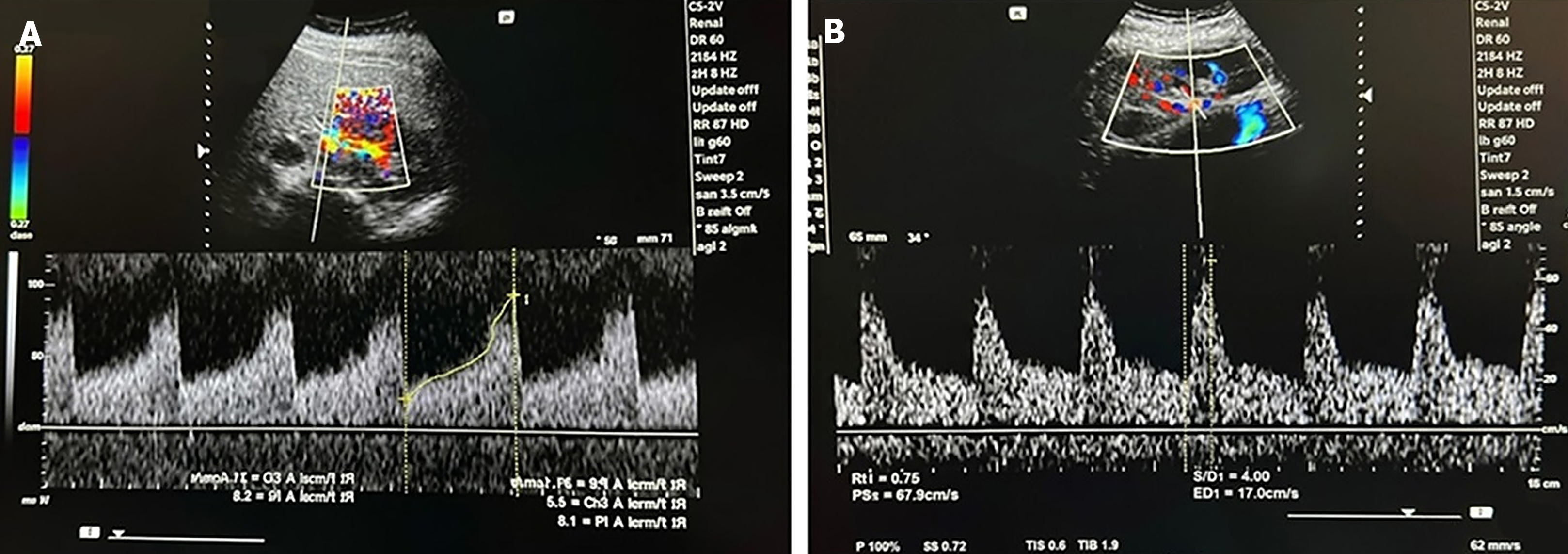
Figure 7 Renal doppler ultrasound waveforms.
A: Elevated renal resistive index (0.8) in a patient with hepatorenal syndrome, showing diminished diastolic flow and blunted waveform contour; B: Normal renal resistive index (0.75) in a patient with pre-renal acute kidney injury, demonstrating preserved diastolic flow and normal waveform morphology.
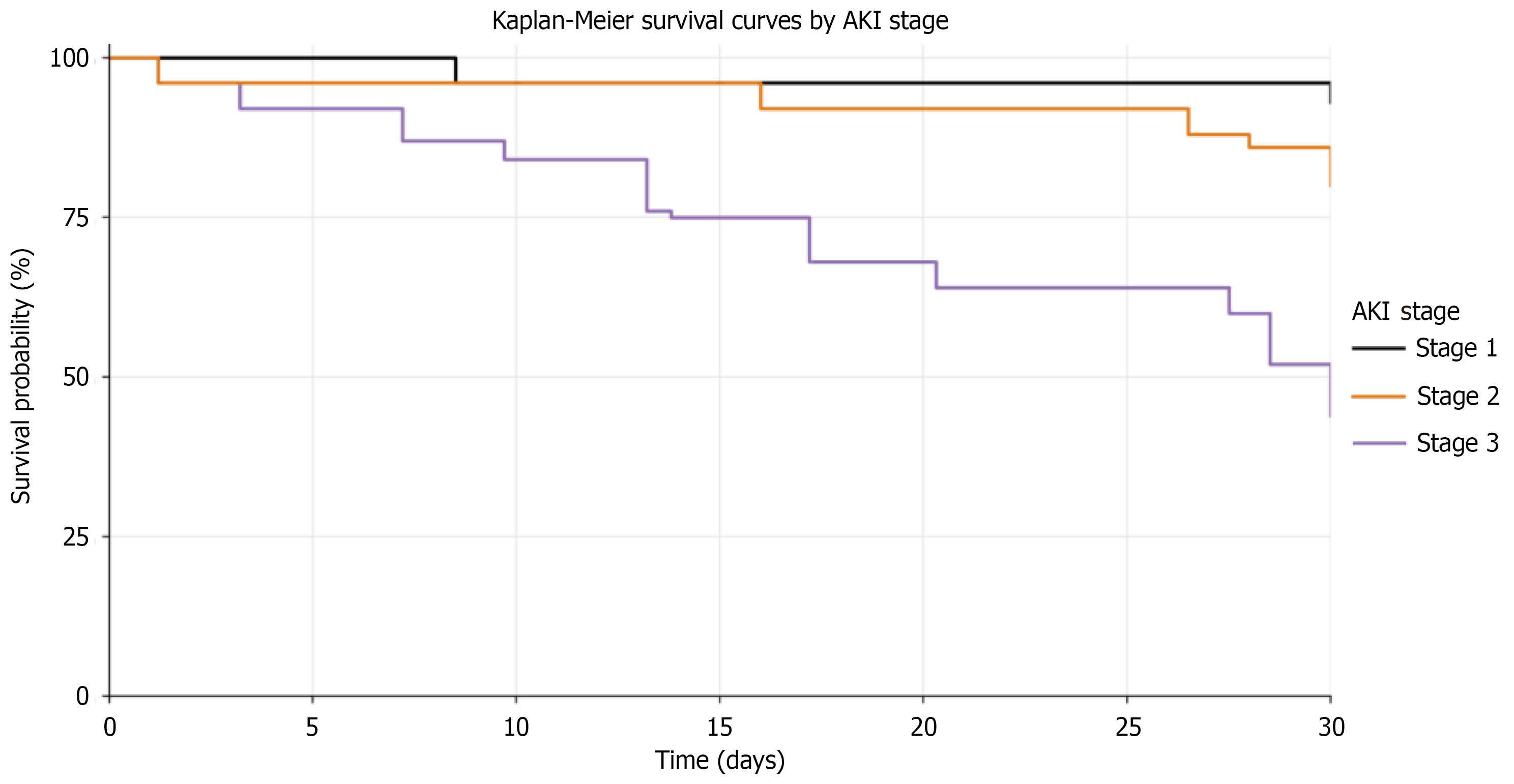
Figure 8 Kaplan-Meier survival curves by acute kidney injury stage.
Kaplan-Meier survival analysis demonstrating 30-day survival probabilities stratified by acute kidney injury stage. Survival progressively declines from stage 1 to stage 3, consistent with Table 8 mortality rates. Final survival probabilities at day 30 were 92.9% for stage 1, 80.0% for stage 2, and 44.0% for stage 3 Log-rank test P < 0.001. AKI: Acute kidney injury.
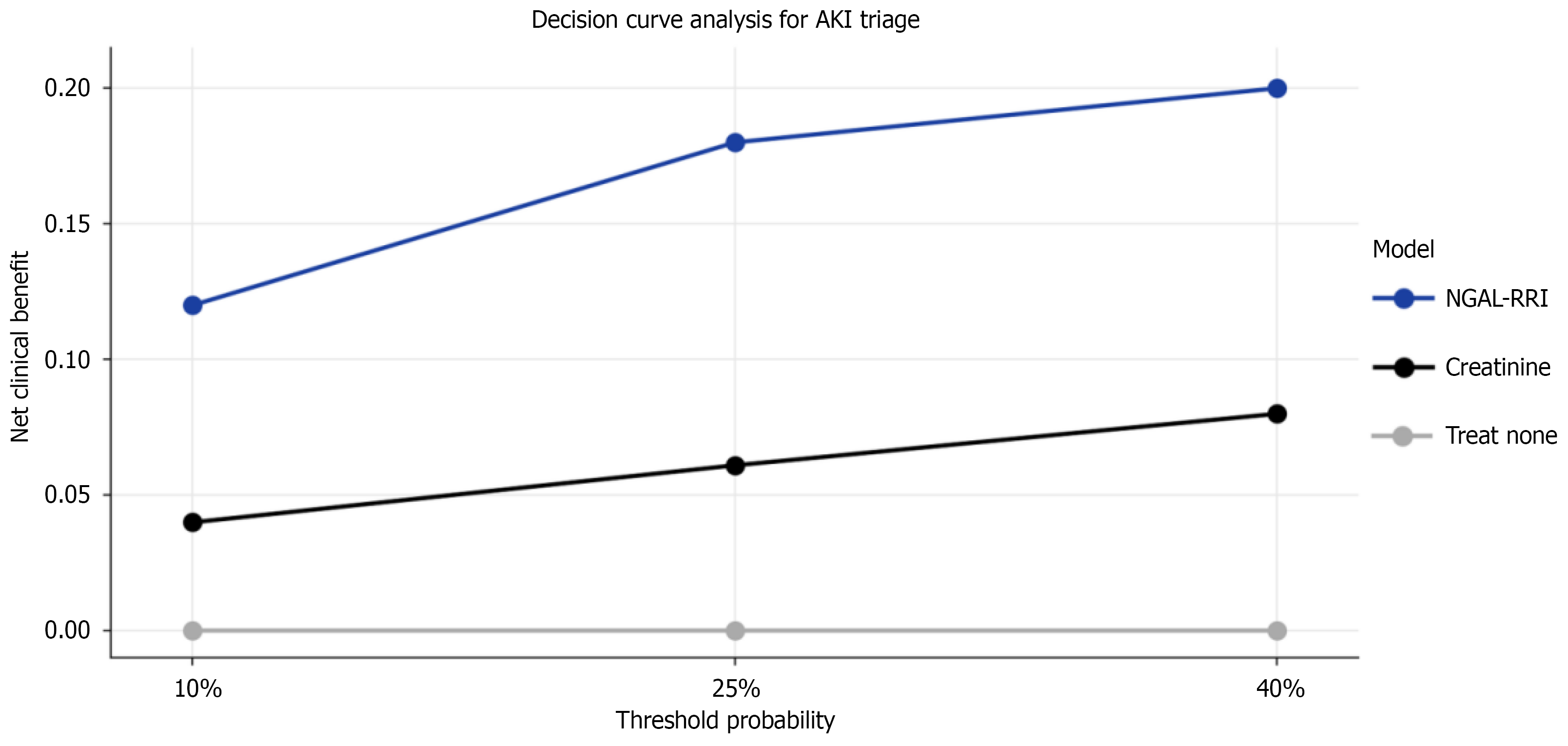
Figure 9 Decision curve analysis of neutrophil gelatinase-associated lipocalin-renal resistive index vs creatinine-based models for acute kidney injury triage.
Decision curves demonstrate superior net clinical benefit of the neutrophil gelatinase-associated lipocalin-renal resistive index model across threshold probabilities (10%-40%) compared to the creatinine-only model and standard care. AKI: Acute kidney injury; NGAL: Neutrophil gelatinase-associated lipocalin; RRI: Renal resistive index.
- Citation: Othman AAA, Mohamed MM, Eladl MM, Elsayed FMA. Integrated biomarkers and renal Doppler for early acute kidney injury diagnosis in hepatitis C virus cirrhosis. World J Nephrol 2026; 15(3): 119581
- URL: https://www.wjgnet.com/2220-6124/full/v15/i3/119581.htm
- DOI: https://dx.doi.org/10.5527/wjn.119581