
















Copyright: ©Author(s) 2026.
World J Nephrol. Jun 25, 2026; 15(2): 118877
Published online Jun 25, 2026. doi: 10.5527/wjn.v15.i2.118877
Published online Jun 25, 2026. doi: 10.5527/wjn.v15.i2.118877
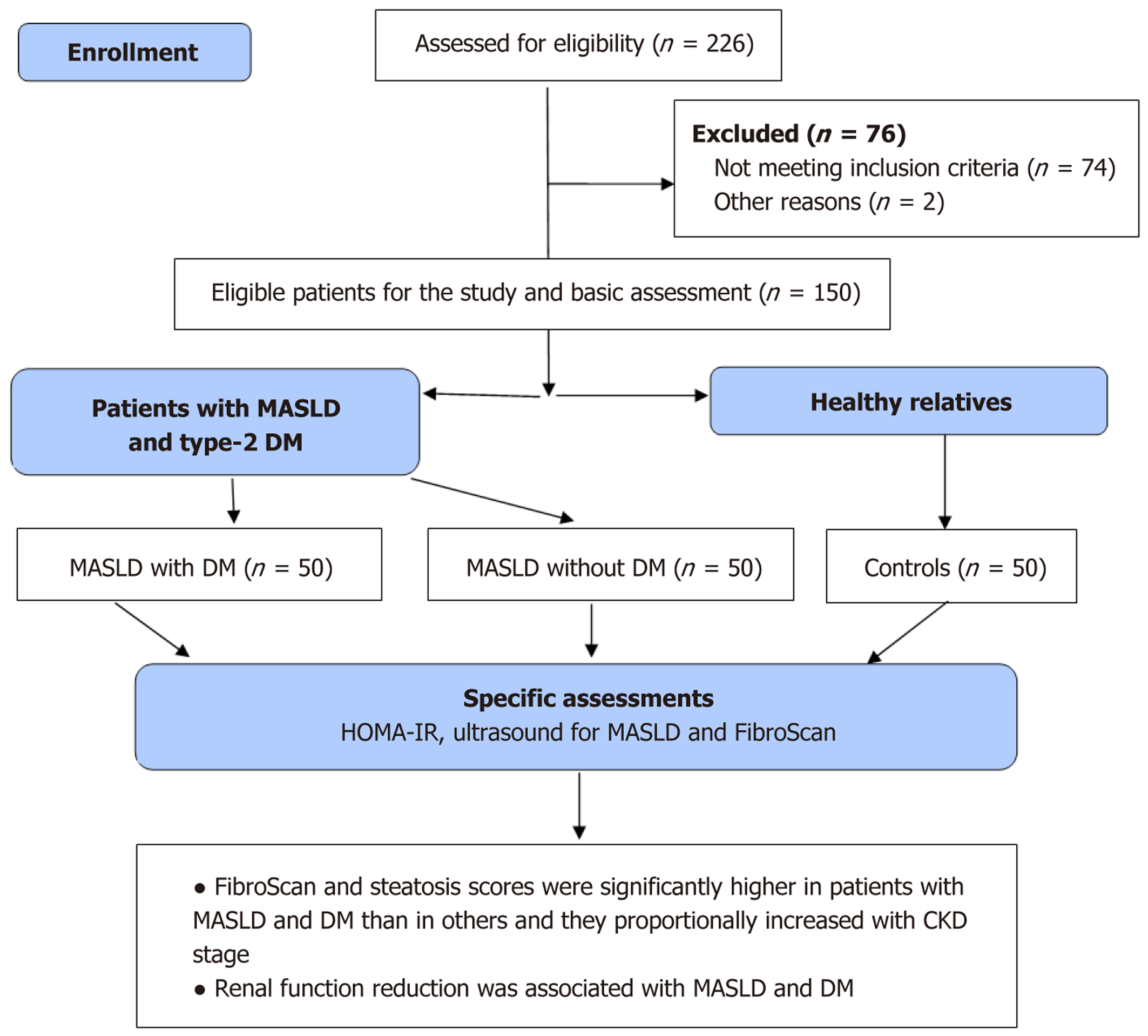
Figure 1 Flowchart assessment of patients with metabolic dysfunction-associated steatotic disease.
The basic assessment helped differentiate patients into those with and without type-2 diabetes mellitus. Additionally, specific assessments exhibited a significant association between metabolic dysfunction-associated steatotic disease, diabetes mellitus, and increased chronic kidney disease stage. MASLD: Metabolic dysfunction-associated steatotic disease; DM: Diabetes mellitus; CKD: Chronic kidney disease; HOMA-IR: Homeostasis Model Assessment of Insulin Resistance.
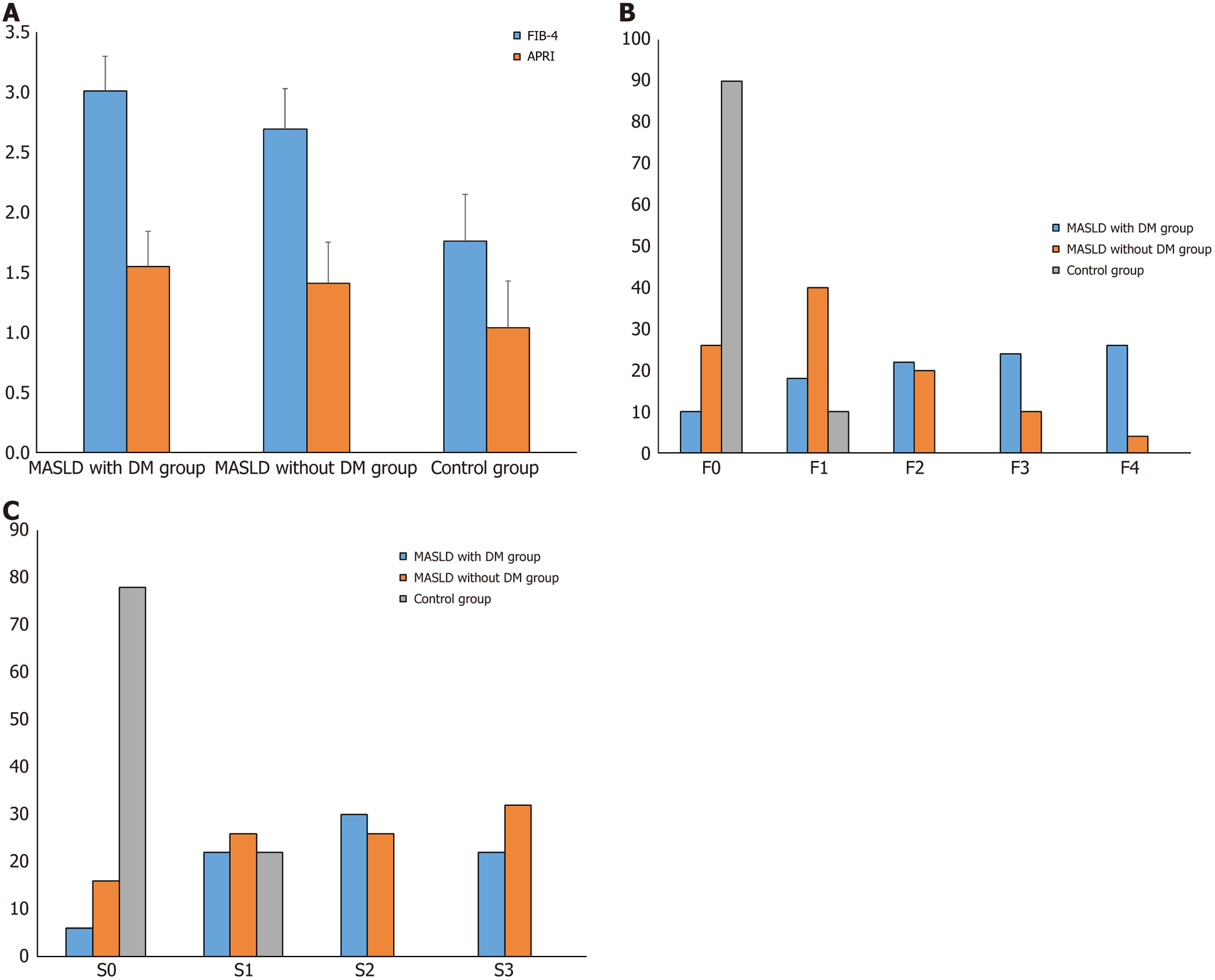
Figure 2 Pathological degrees in patients and controls.
A: Fibrosis-4 index and aspartate aminotransferase to platelet ratio index in patients and controls; B: Degree of fibrosis in patients and controls; C: Degree of steatosis in patients and control groups. MASLD: Metabolic dysfunction-associated steatotic disease; DM: Diabetes mellitus; F: Fibrosis; S: Steatosis; FIB-4: Fibrosis-4 index; APIR: Aspartate aminotransferase to platelet ratio index.
- Citation: Azoz NM, Shehata MA, Abbas WA, Gadelkareem RA, Abdel Aziz EM. Is the metabolic dysfunction-associated steatotic liver disease a predictor of chronic kidney disease? World J Nephrol 2026; 15(2): 118877
- URL: https://www.wjgnet.com/2220-6124/full/v15/i2/118877.htm
- DOI: https://dx.doi.org/10.5527/wjn.v15.i2.118877