
















Copyright: ©Author(s) 2026.
World J Nephrol. Jun 25, 2026; 15(2): 118363
Published online Jun 25, 2026. doi: 10.5527/wjn.v15.i2.118363
Published online Jun 25, 2026. doi: 10.5527/wjn.v15.i2.118363
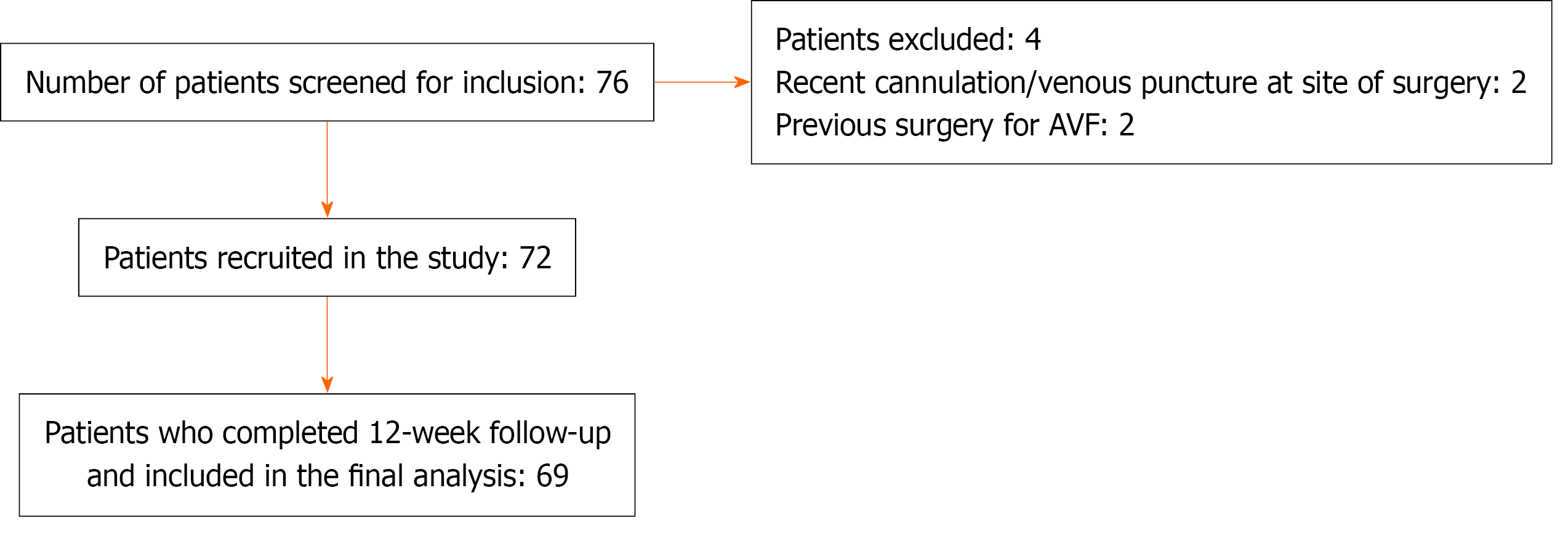
Figure 1 Study flow diagram showing patient screening, eligibility, and follow-up.
Flow diagram illustrating patient recruitment, exclusions, losses to follow-up, and final study cohort included in the analysis. Of 76 patients screened, four were excluded based on predefined criteria and three were lost to follow-up, resulting in 69 patients completing 12-week follow-up and included in the final analysis. AVF: Arteriovenous fistula.
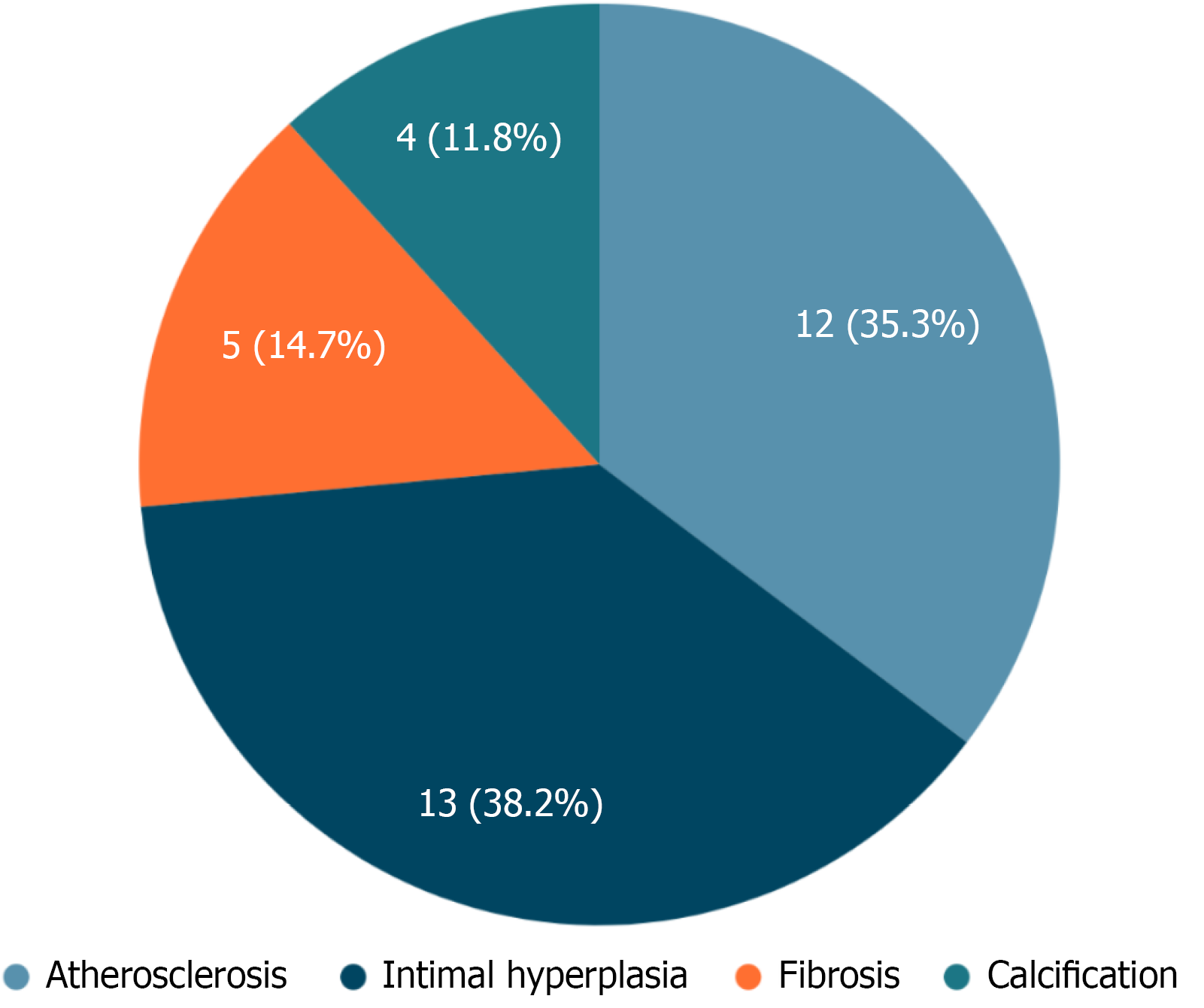
Figure 2 Distribution of vessel wall histopathological findings from intraoperative edge biopsy samples.
Bar chart showing the proportion of patients with normal vessel wall morphology and abnormal histopathological findings. Among abnormal biopsies, the predominant abnormalities included intimal hyperplasia, atherosclerosis, fibrosis, and calcification. Multiple pathological features were present in some specimens.
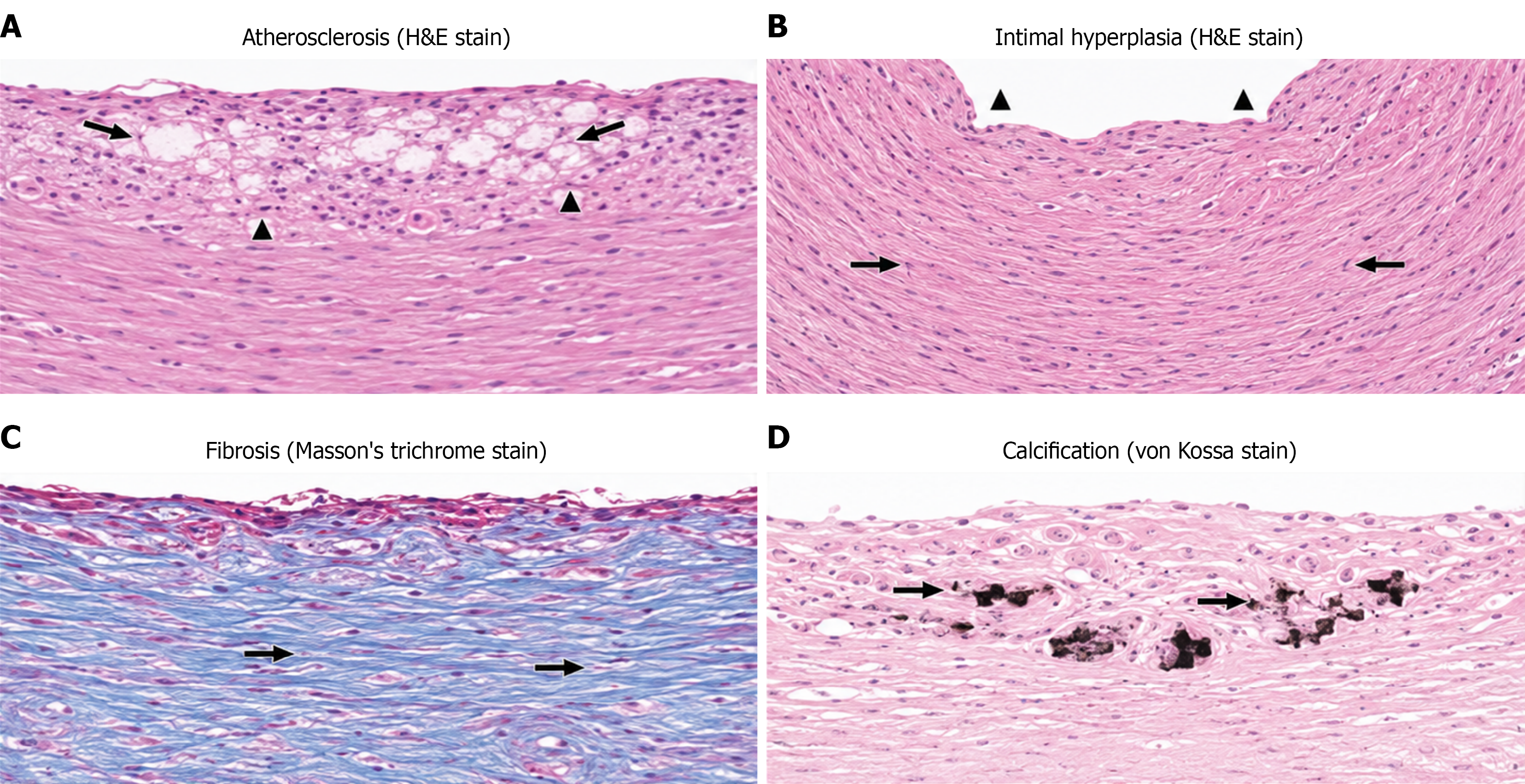
Figure 3 Representative histopathological images of vessel wall biopsy specimens.
Representative photomicrographs demonstrating major histopathological patterns observed in arterial and venous biopsy specimens. A: Atherosclerosis showing intimal lipid deposition with inflammatory cell infiltration (hematoxylin and eosin stain). Black arrows indicate lipid deposition within the intimal layer, while triangles indicate inflammatory cell infiltration; B: Intimal hyperplasia showing concentric smooth muscle cell proliferation and luminal narrowing (hematoxylin and eosin stain). Black arrows indicate smooth muscle cell proliferation and triangles indicate luminal narrowing due to intimal hyperplasia; C: Fibrosis highlighted by collagen deposition (Masson’s trichrome stain). Black arrows indicate collagen deposition within the vessel wall highlighted by Masson’s trichrome staining; D: Calcification demonstrating calcium deposition within the vessel wall (von Kossa stain). Black arrows indicate areas of calcium deposition within the vascular wall demonstrated by von Kossa staining.
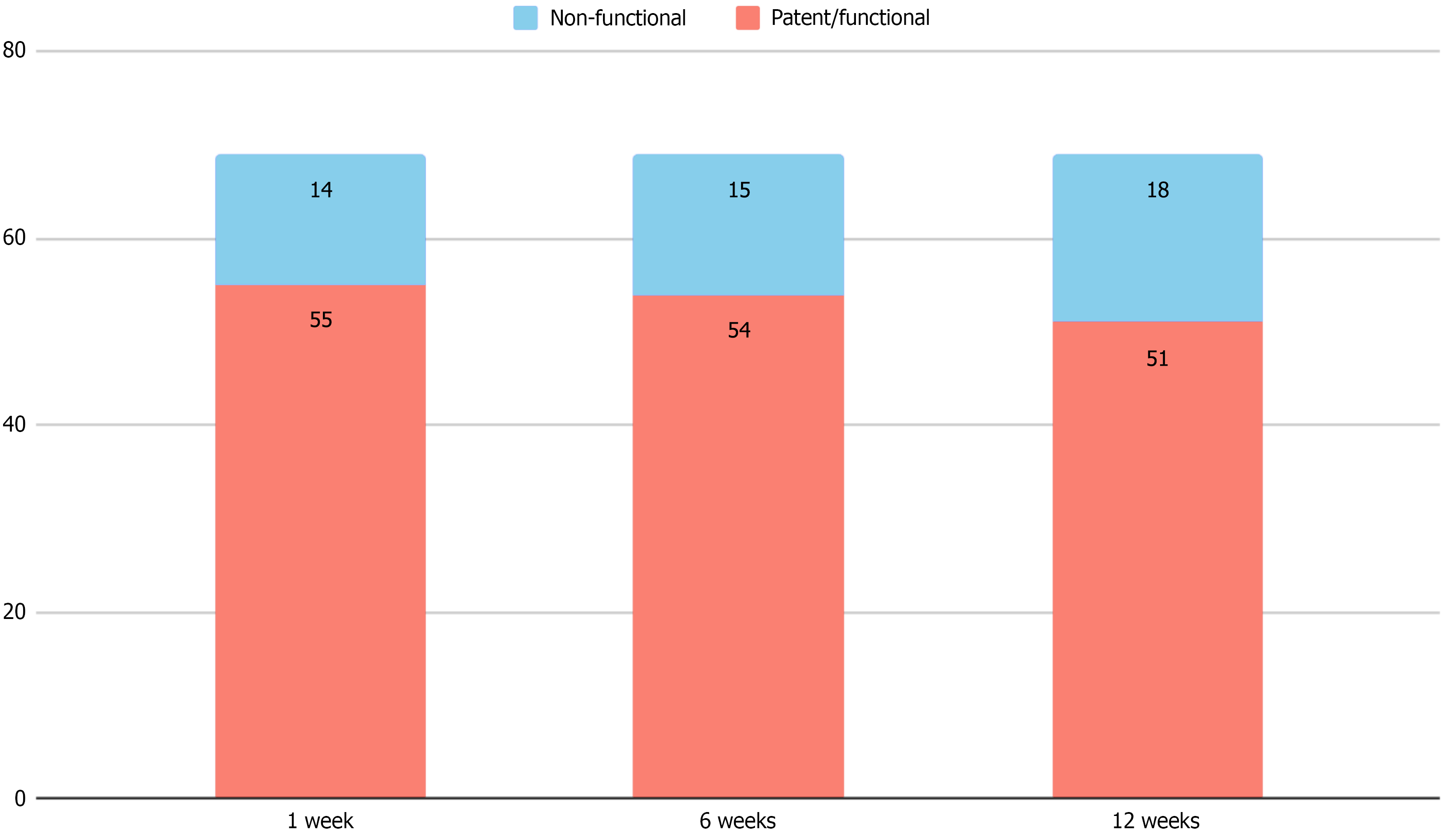
Figure 4 Patency and functional maturation of arteriovenous fistulas at 1, 6, and 12 weeks after surgery.
Line/bar graph depicting the proportion of patients with patent and mature arteriovenous fistulas at each follow-up interval. Patency was defined by the presence of a palpable thrill and audible bruit, while maturation was defined according to the rule of sixes criteria. Trends illustrate progressive maturation over time with a gradual decline in nonfunctional fistulas.
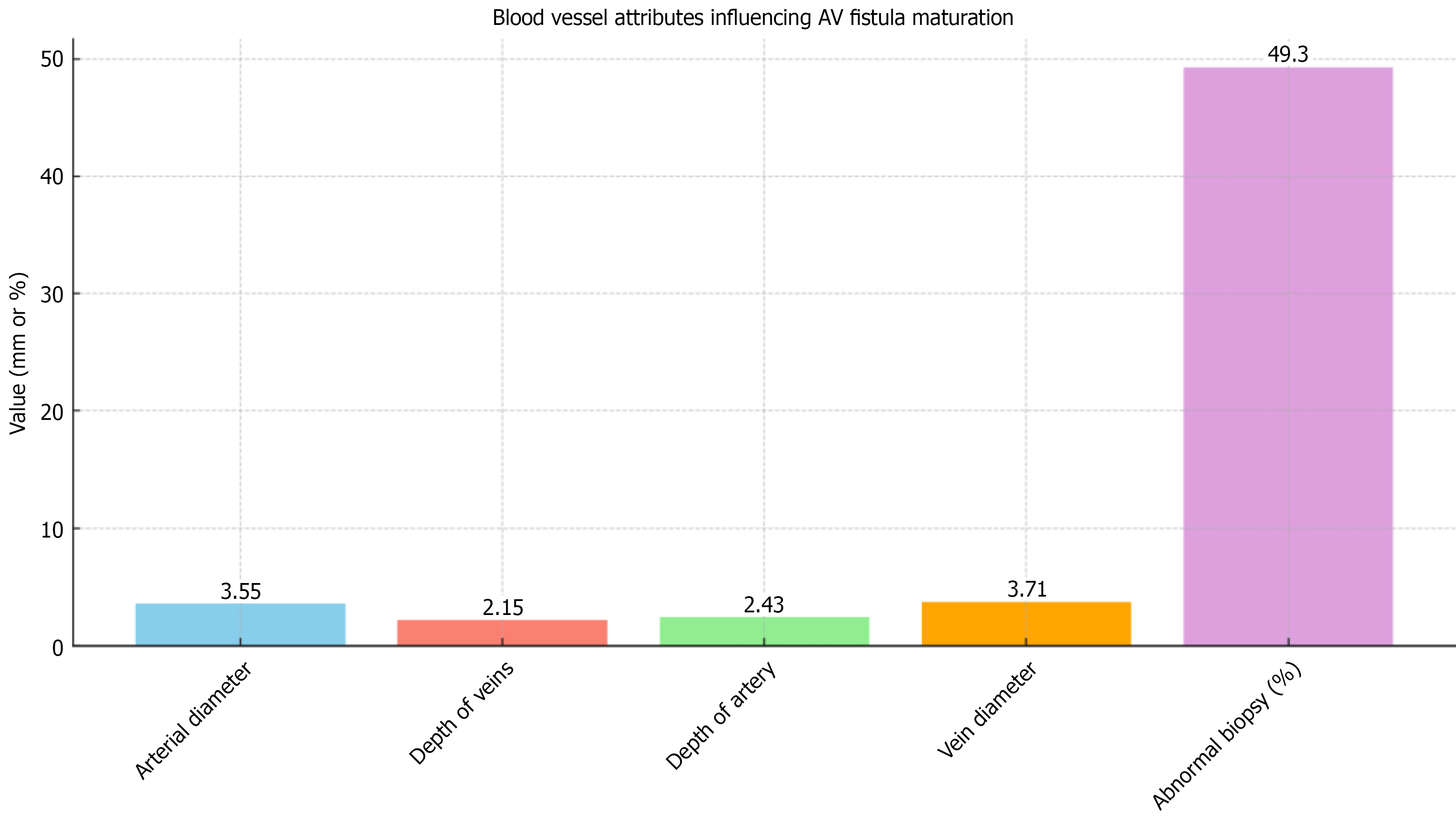
Figure 5 Comparisons of blood vessel attributes determining arterio-venous fistula maturation.
AV: Arteriovenous.
- Citation: Gupta S, Hegde AV, Shetty S, Michael SN, Adiga K P. Can preoperative parameters and histopathology of the vessels affect arteriovenous fistula outcomes? A prospective observational study. World J Nephrol 2026; 15(2): 118363
- URL: https://www.wjgnet.com/2220-6124/full/v15/i2/118363.htm
- DOI: https://dx.doi.org/10.5527/wjn.v15.i2.118363