
















Copyright: ©Author(s) 2026.
World J Nephrol. Jun 25, 2026; 15(2): 118343
Published online Jun 25, 2026. doi: 10.5527/wjn.v15.i2.118343
Published online Jun 25, 2026. doi: 10.5527/wjn.v15.i2.118343
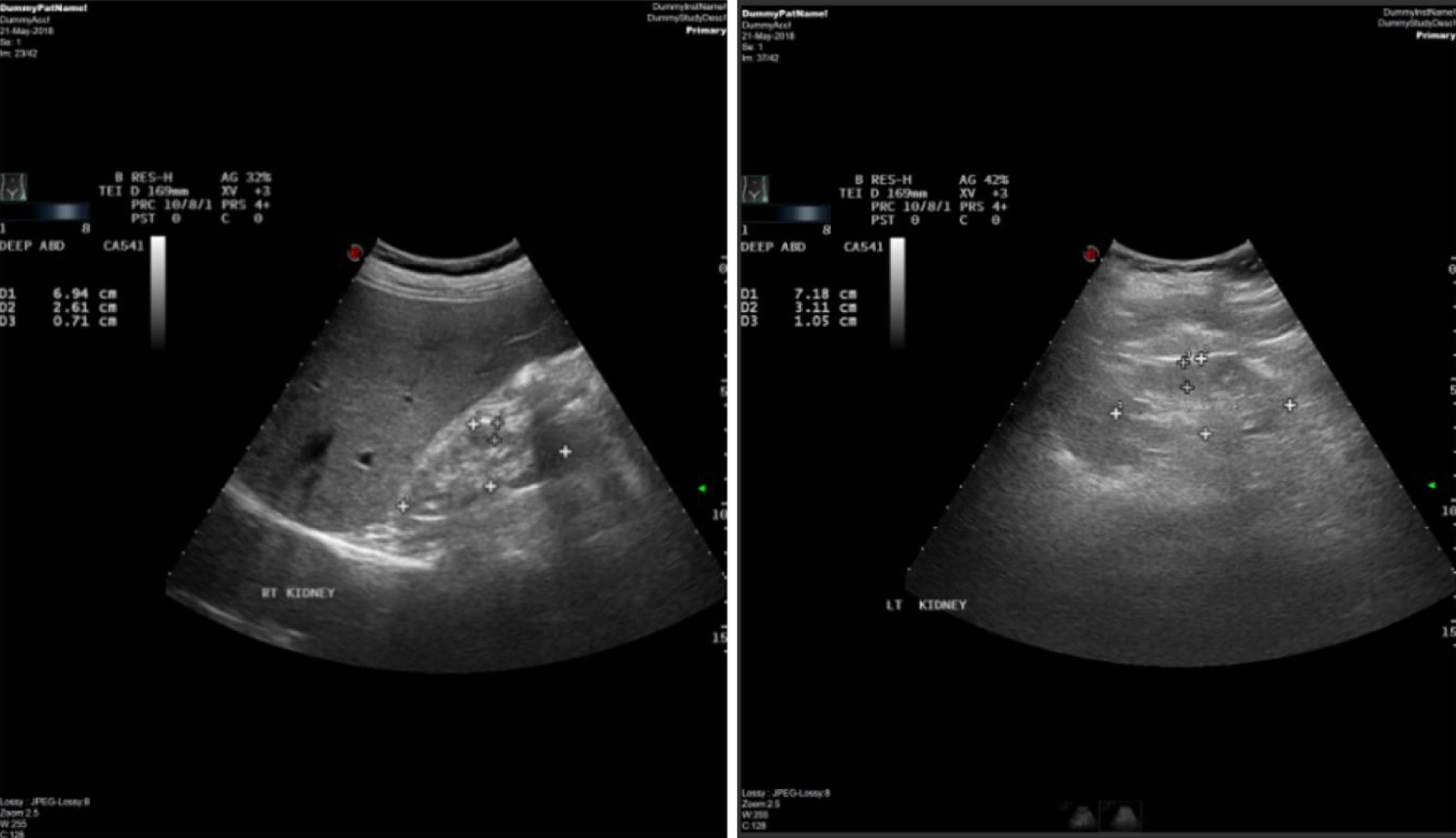
Figure 1 Ultrasound images of enlarged kidneys.
Ultrasound images of the kidneys of one patient on hemodialysis. Both kidneys are small with mildly to moderately increased parenchymal echogenicity and decreased parenchymal sinus differentiation. The right kidney measured 6.9 cm in length and 0.7 cm in parenchymal thickness, showing focal upper calyceal dilatation and irregularity.
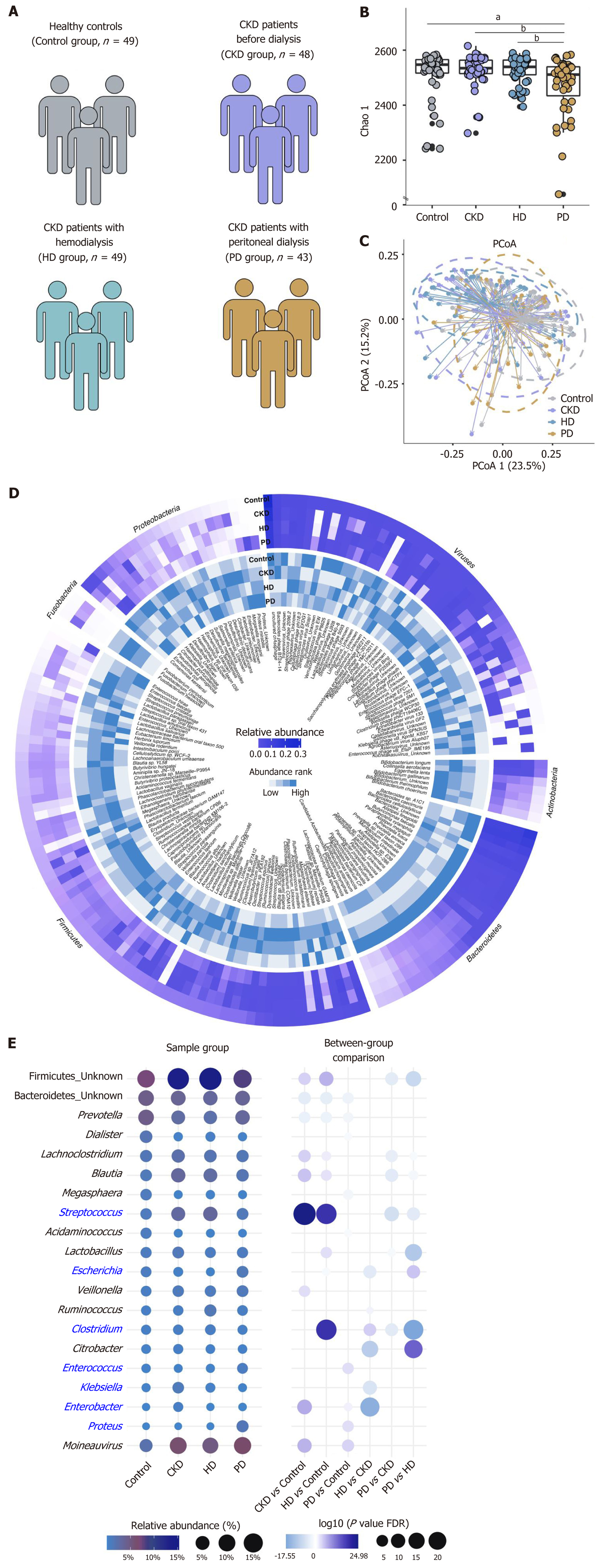
Figure 2 Study design and taxonomic architectures.
A: Sample group setting of the study; B: Species richness (Chao 1) across sample groups. The peritoneal dialysis group had the lowest species richness among all the groups (Wilcoxon test, aP < 0.05, bP < 0.01). Lower species richness is often associated with disease and is generally thought to lead to decreased resilience; C: Principal coordinate analysis of the species abundance matrix showing deviations in the microbial compositions among the four sample groups; D: Microbial species compositions of the microbial community across groups (top 50 species in each sample group); E: Bubble plot showing differentially abundant key bacterial genera across control, chronic kidney disease, hemodialysis, and peritoneal dialysis groups. Bubble size represents relative abundance (%), and bubble color represents the log10 (false discovery rate-adjusted P value) for group differences. The accompanying comparison panel summarizes pairwise between-group differences, with color indicating the direction of change between the indicated groups. CKD: Chronic kidney disease; PD: Peritoneal dialysis; HD: Hemodialysis.
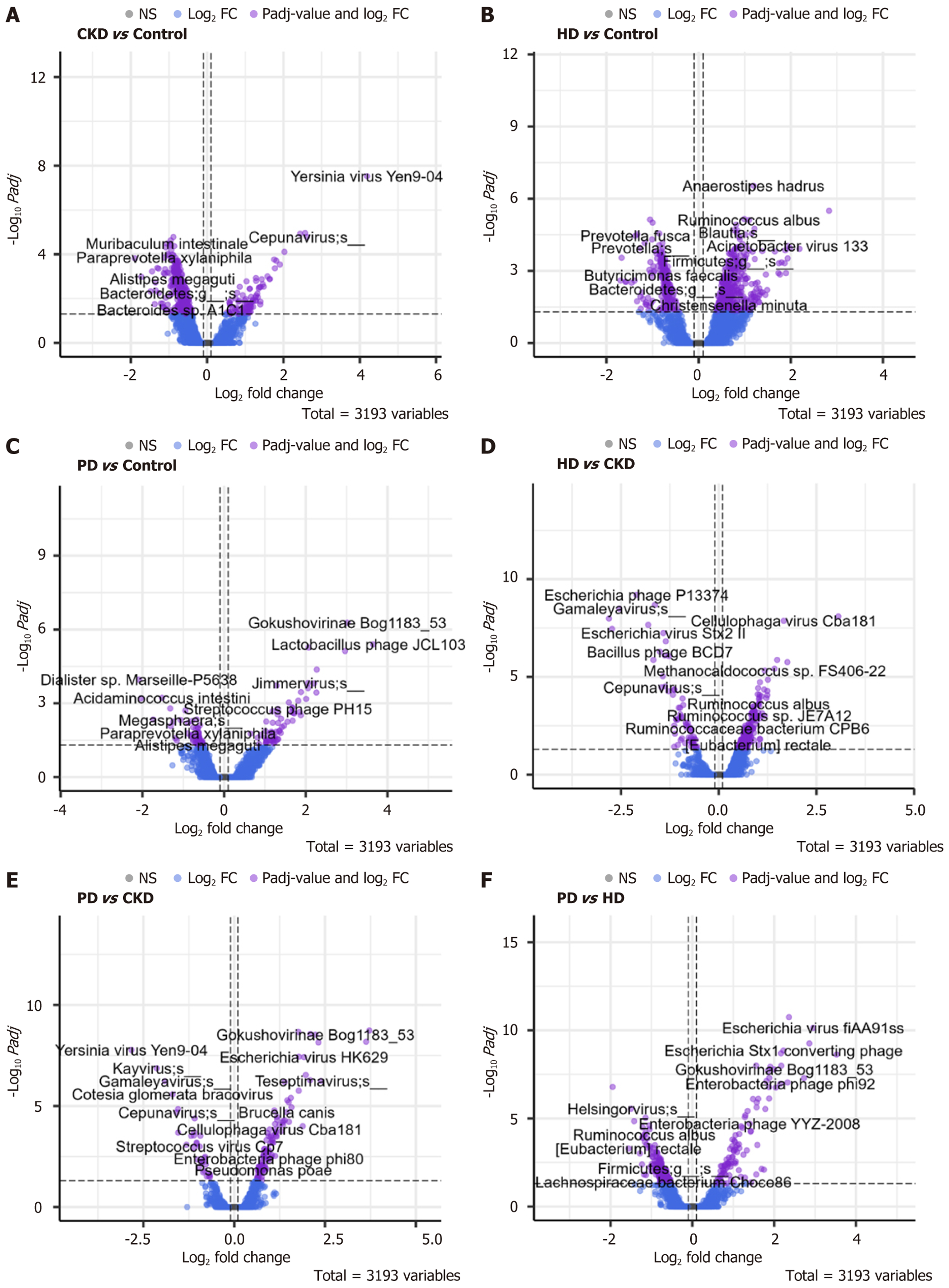
Figure 3 Differential viral taxa abundance across chronic kidney disease groups.
Volcano plots show differential abundance of viral taxa (n = 3193) for six pairwise comparisons; each point is a viral taxon, the X-axis is log2 fold change and the Y-axis is -log10 adjusted P value. Horizontal and vertical dashed lines indicate the thresholds used for significance (adjusted P value and minimum log2 fold change). Color indicates significance: Blue: Non-significant, purple: Significant by fold change only. A: Chronic kidney disease (CKD) vs Control, viral taxa enriched or depleted in conservatively managed CKD patients compared with healthy controls; selected highly significant taxa are labelled on the plot; B: Hemodialysis (HD) vs control, viral taxa enriched or depleted in hemodialysis patients compared with healthy controls; C: Peritoneal dialysis (PD) vs control, viral taxa enriched or depleted in peritoneal dialysis patients compared with healthy controls; D: HD vs CKD, viral taxa differing between hemodialysis and conservatively managed CKD patients (highlights dialysis-associated shifts); E: PD vs CKD, viral taxa differing between peritoneal dialysis and conservatively managed CKD patients; F: PD vs HD, viral taxa differing between peritoneal dialysis and hemodialysis patients (directionality shown by sign of log2 fold change). CKD: Chronic kidney disease; HD: Hemodialysis; PD: Peritoneal dialysis.
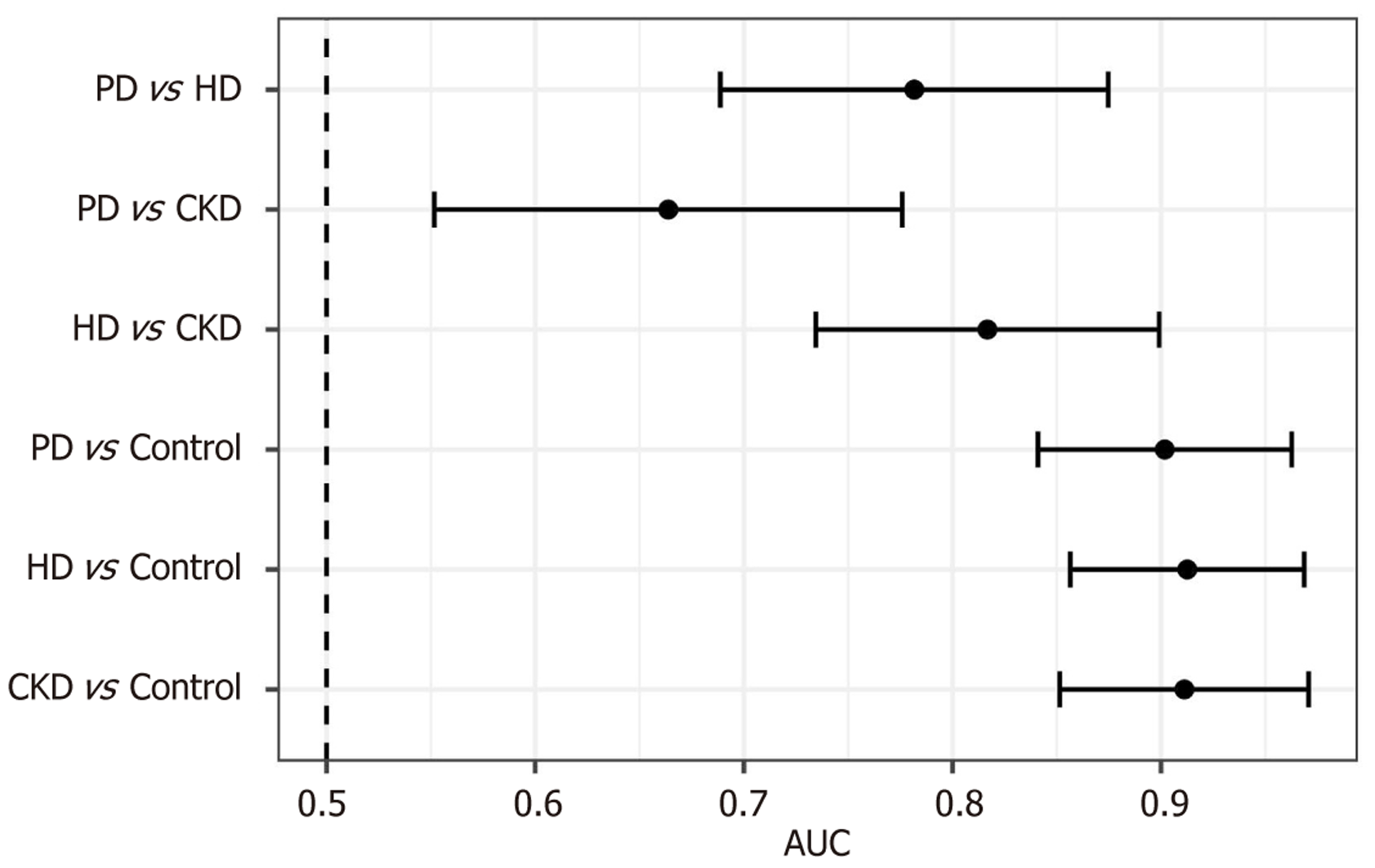
Figure 4 Receiver operating characteristic analysis of the metabolite risk score for patients with chronic kidney disease.
Receiver operating characteristic curves showing the diagnostic performance of the metabolite risk score for discriminating chronic kidney disease patients from healthy controls, with corresponding area under the curve values and 95% confidence intervals. The optimal cutoff points, sensitivity, and specificity are indicated as described in the text. CKD: Chronic kidney disease; HD: Hemodialysis; PD: Peritoneal dialysis; AUC: Area under the curve.
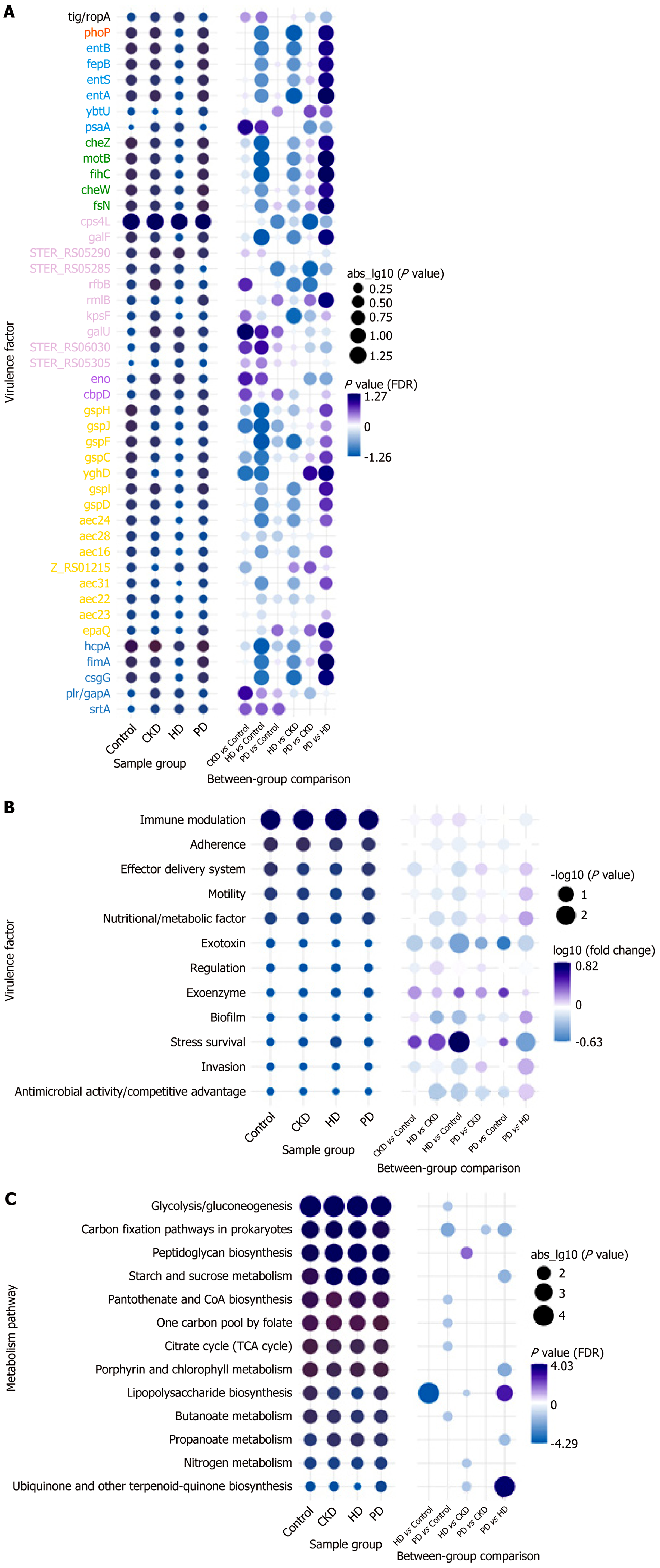
Figure 5 Cross-group virulence and metabolic architectures in chronic kidney disease.
A: Thirty most prevalent virulence factors (VFs) across sample groups. Each row represents a VF (gene or gene cluster associated with pathogenicity). The first four columns show prevalence within each group (control, chronic kidney disease, hemodialysis, peritoneal dialysis); bubble size and color indicate prevalence/abundance. The six columns on the right display pairwise group comparisons (Fisher’s exact test); red and blue bubbles denote VFs significantly increased or decreased, respectively, in the row group relative to the column group (adjusted P value); B: VF categories across groups. Bubble plot summarizing major VF functional classes (for example, immune modulation, adherence, motility, invasion, biofilm, stress survival). Left columns show category prevalence in each group (bubble size proportional to prevalence; color indicating magnitude); right columns show pairwise comparisons with bubble color indicating direction (purple = higher, blue = lower) and bubble size reflecting -log10 (P value) (adjusted for multiple testing); C: Metabolic pathway architectures across groups. Bubble plot of metagenomically predicted metabolic pathways (for example, glyco
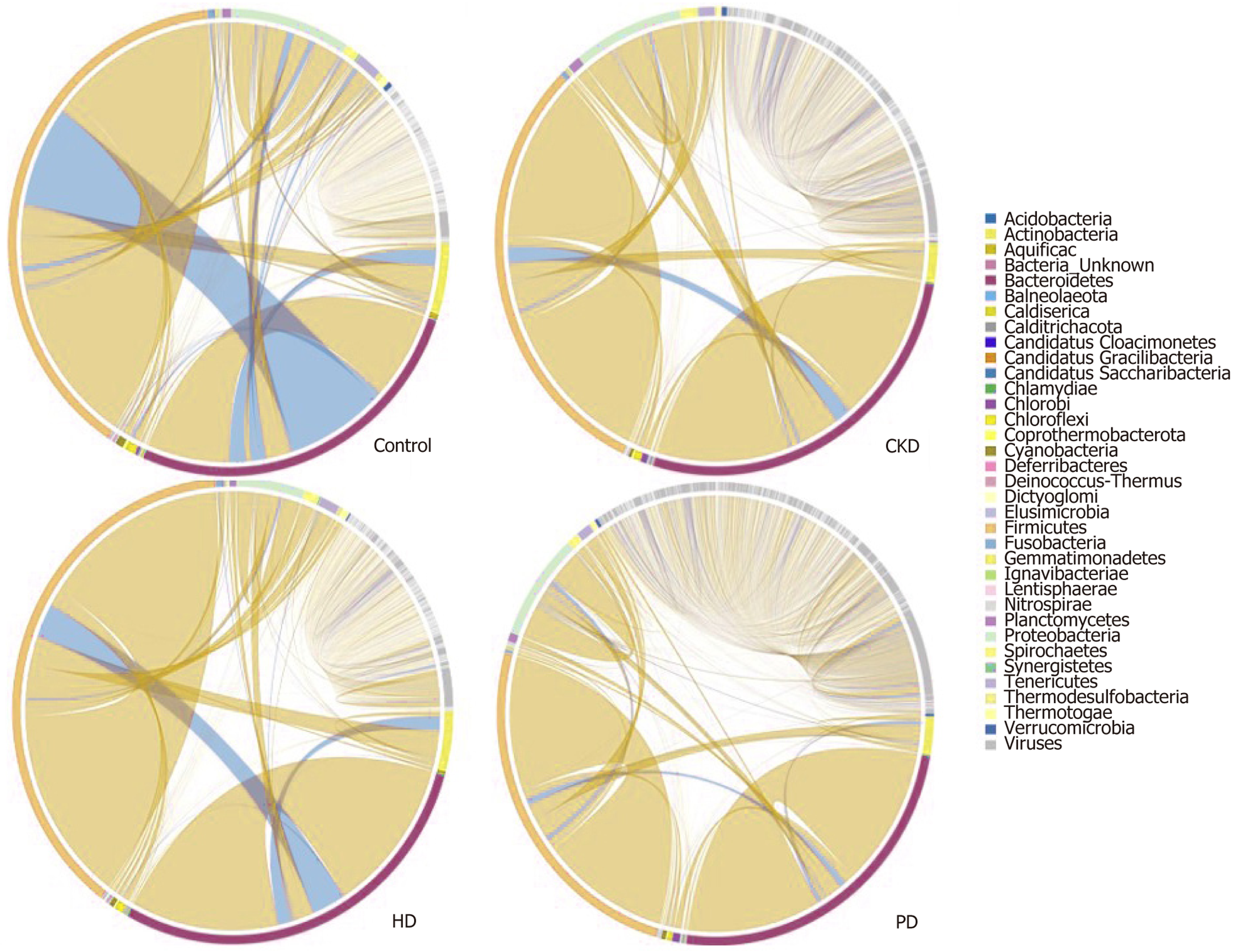
Figure 6 Phylum-level co-occurrence networks of the gut microbiome across chronic kidney diseaseand dialysis groups.
Circular chord diagrams summarize pairwise co-occurrence relationships among gut microbial phyla in healthy controls (top left), nondialysis chronic kidney diseaseand (top right), hemodialysis (bottom left), and peritoneal dialysis (bottom right). Each colored outer segment represents a microbial phylum (color key at right); segment length reflects the relative abundance of that phylum within the group. Inner ribbons connect phyla with significant co-occurrence, with ribbon width proportional to association strength, enabling comparison of changes in community structure and cross-phyla connectivity across chronic kidney diseaseand progression and dialysis modalities. CKD: Chronic kidney disease; HD: Hemodialysis; PD: Peritoneal dialysis.
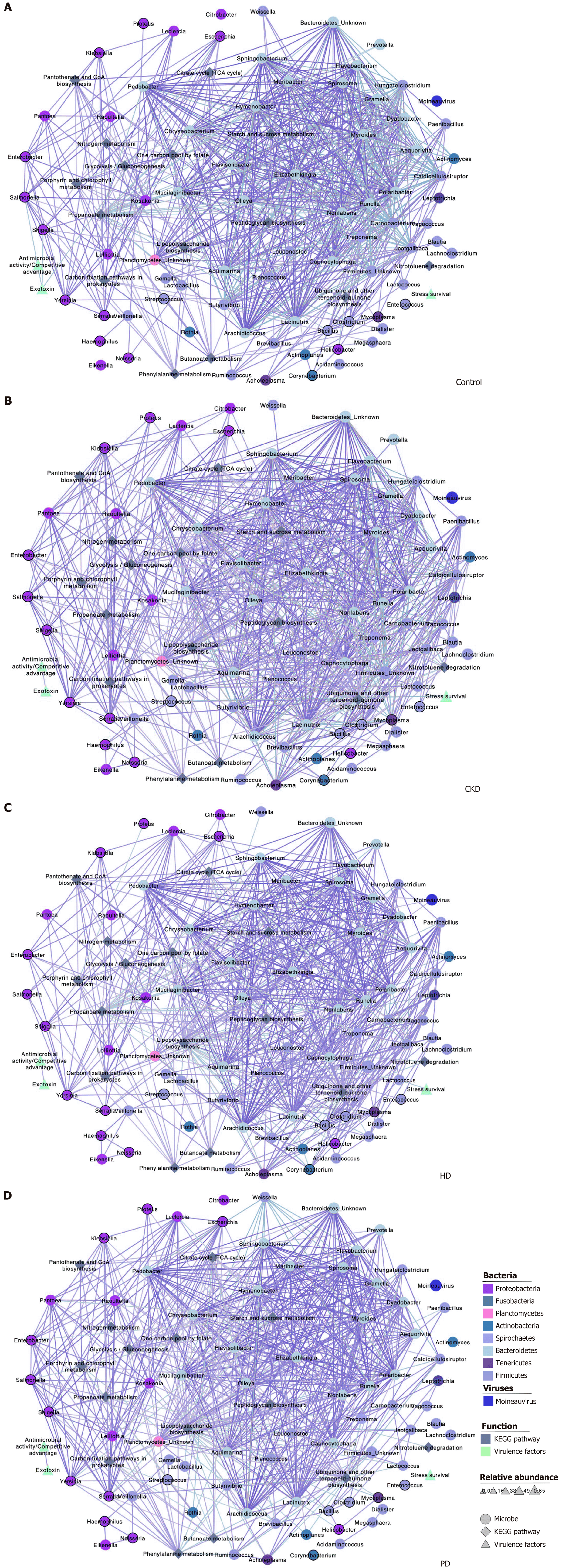
Figure 7 Bacteria-phage-function co-occurrence networks across chronic kidney disease-related groups.
A: Control: Network of significant co-occurrence associations among bacterial taxa (nodes colored by phylum), a viral/phage taxon (e.g., Moineauvirus), virulence factor (VF) classes, and Kyoto Encyclopedia of Genes and Genomes (KEGG pathways) in healthy controls. Node size reflects relative abundance, and edges indicate significant associations; B: Chronic kidney disease (CKD): Corresponding integrated network for predialysis CKD samples, illustrating group-specific shifts in connectivity between bacterial phyla and linked functional features (VFs and KEGG pathways) and viral/phage signals; C: Hemodialysis (HD): Integrated network for HD patients, showing the pattern of significant associations among bacterial taxa, the viral/phage component, and functional features after initiation of HD; D: Peritoneal dialysis (PD): Integrated network for PD patients, depicting associations among bacterial taxa, viral/phage features, VFs, and KEGG pathways under PD across panels, node shape distinguishes feature type (taxon vs VF vs KEGG pathway vs virus/phage, as indicated in the figure key), node color denotes bacterial phylum for bacterial taxa, and edge thickness reflects association strength. CKD: Chronic kidney disease; HD: Hemodialysis; PD: Peritoneal dialysis.
- Citation: Almuhanna AA, Vatte C, Guo Q, Elsalamouni TS, Al-Muhanna FA, Aboalrihy AM, Alhabib HA, Almomen MF, Alali RA, Habara AH, Alrubaish MA, Alfalah KM, Cyrus C, Abdul-Rahman IS, Keating BJ, Al-Ali AK, Wang C. Gut microbiota in a Saudi population with chronic kidney disease. World J Nephrol 2026; 15(2): 118343
- URL: https://www.wjgnet.com/2220-6124/full/v15/i2/118343.htm
- DOI: https://dx.doi.org/10.5527/wjn.v15.i2.118343