
















Copyright: ©Author(s) 2026.
World J Nephrol. Jun 25, 2026; 15(2): 117721
Published online Jun 25, 2026. doi: 10.5527/wjn.v15.i2.117721
Published online Jun 25, 2026. doi: 10.5527/wjn.v15.i2.117721
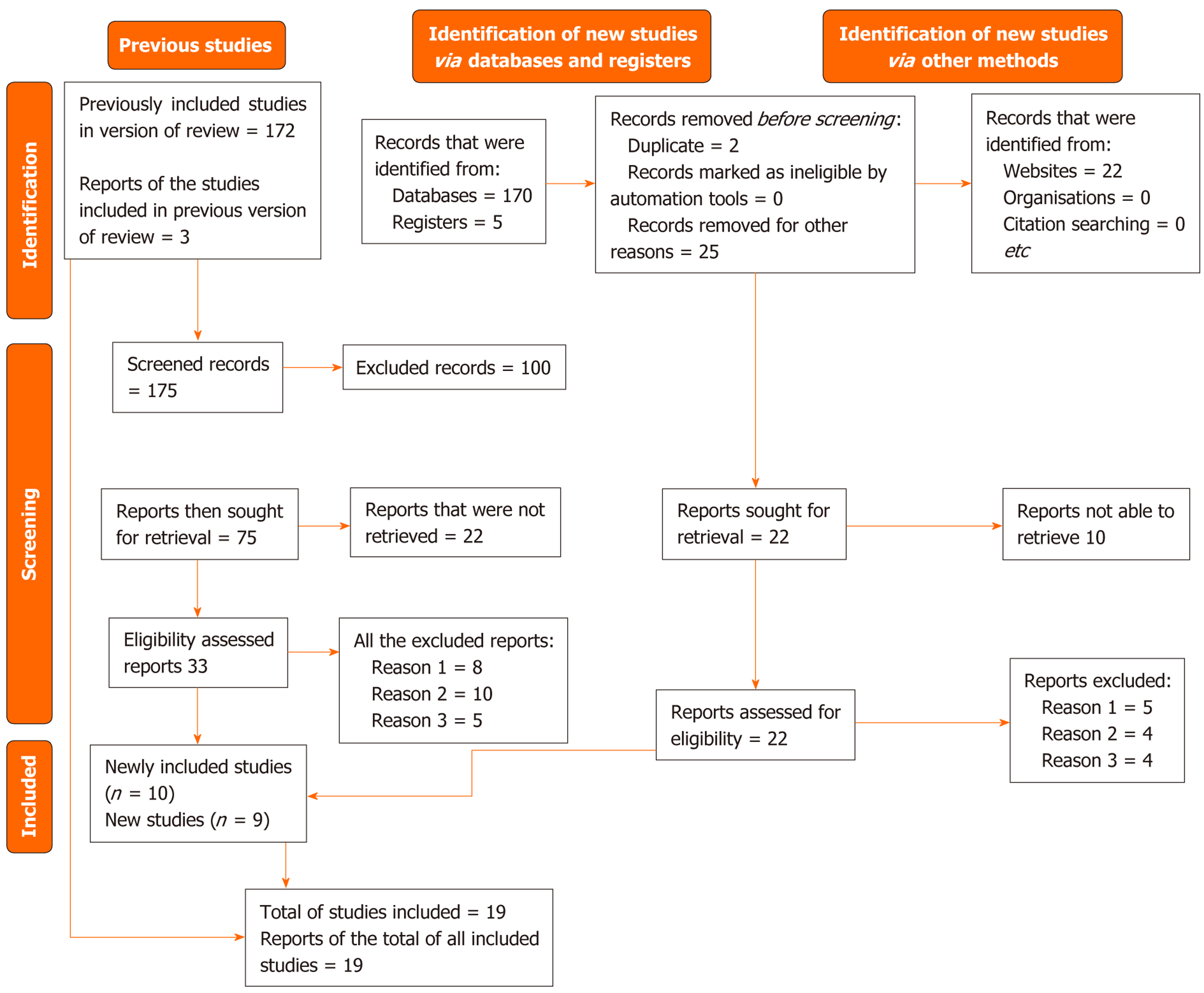
Figure 1 Preferred Reporting Items for Systematic Reviews and Meta-Analyses 2020 flow diagram of the systematic review and meta-analysis.
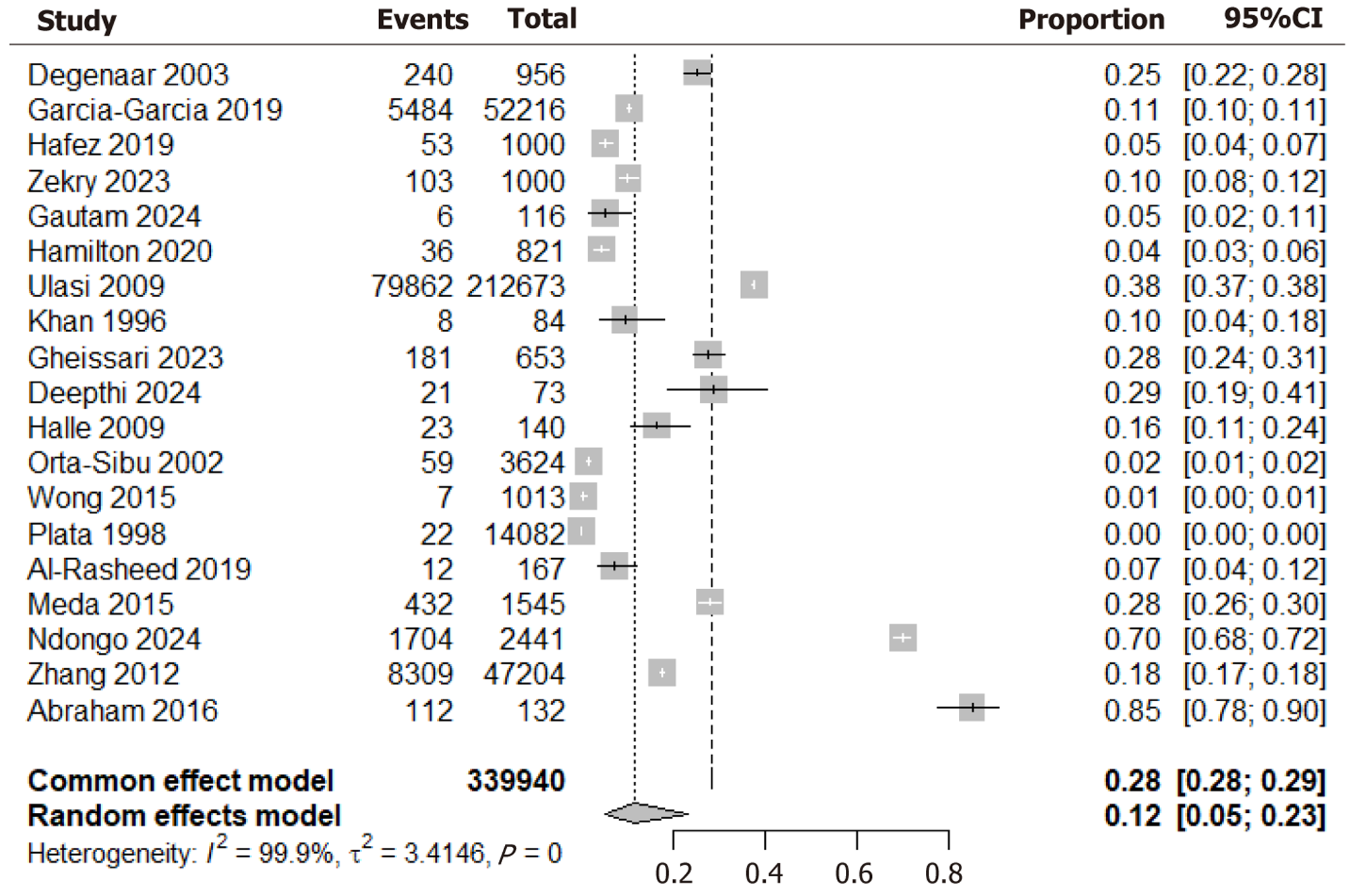
Figure 2 Forest plot of chronic kidney disease prevalence among young individuals (≤ 25 years) in low- and middle-income countries from all 19 included studies, showing study-specific proportions with 95% confidence intervals and the pooled common- and random-effects estimates from the generalized linear mixed model.
CI: Confidence interval.
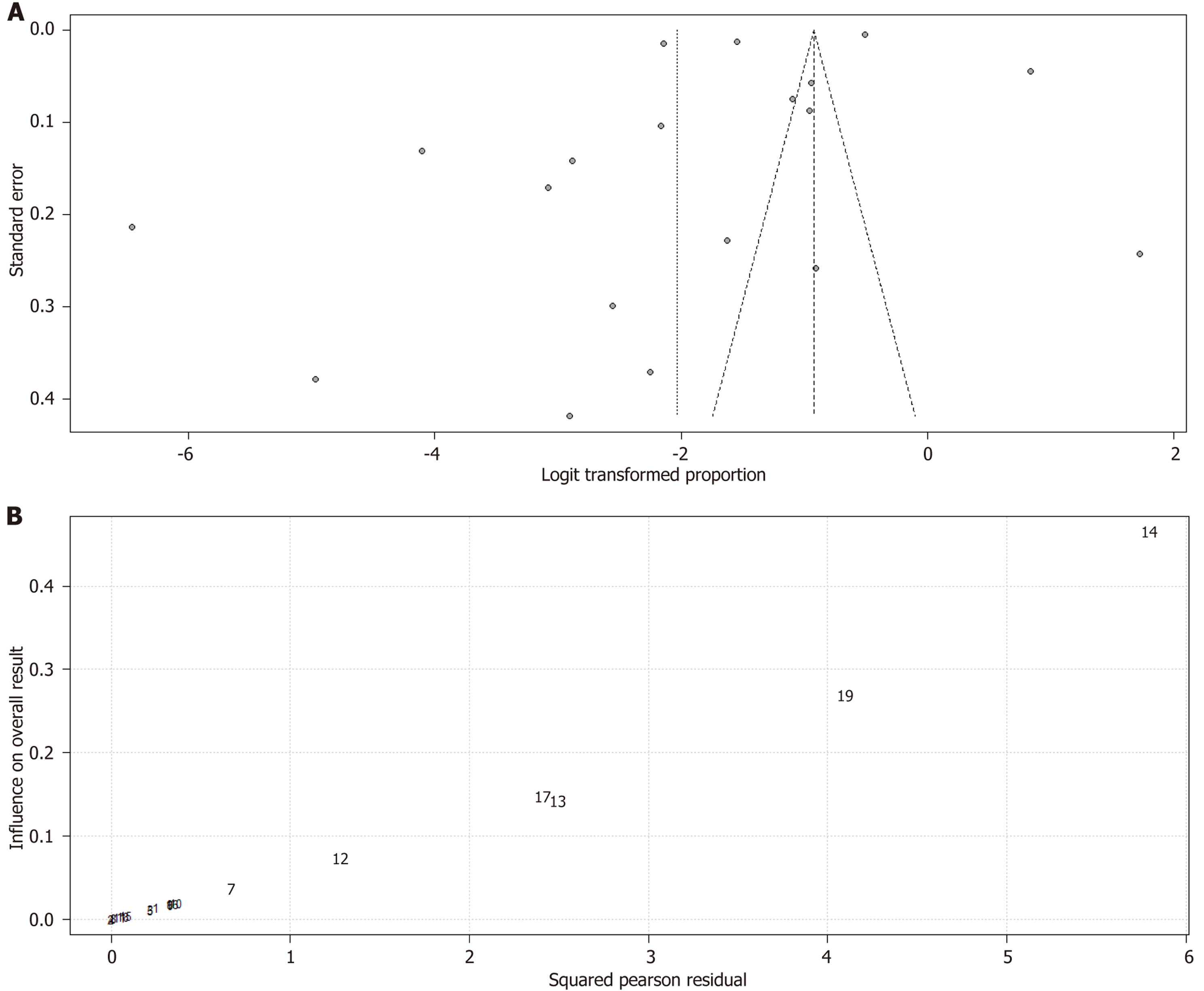
Figure 3 Funnel plot and generalized linear mixed model meta-analysis of chronic kidney disease.
A: Funnel plot of logit-transformed chronic kidney disease (CKD) prevalence with pseudo 95% confidence limits. Funnel plot displaying the standard error (Y-axis) against the logit-transformed prevalence estimates from each study (X-axis) under the random-intercept logistic regression model. The vertical dotted line represents the pooled logit prevalence, and the dashed lines indicate pseudo 95% confidence limits. The observed asymmetry reflects the marked between-study heterogeneity and suggests potential small-study or setting-related effects rather than a simple pattern of publication bias; B: Influence diagnostics for the generalized linear mixed model meta-analysis of CKD prevalence in young people in low- and middle-income countries. Influence plot showing each included study (labelled by study ID) according to its squared Pearson residual (X-axis) and its influence on the pooled prevalence estimate (Y-axis), under the random-intercept logistic regression model. Studies in the upper-right quadrant (notably studies 14 and 19) have both large residuals and greater influence on the overall result, indicating potentially influential outliers that contribute disproportionately to the observed heterogeneity.
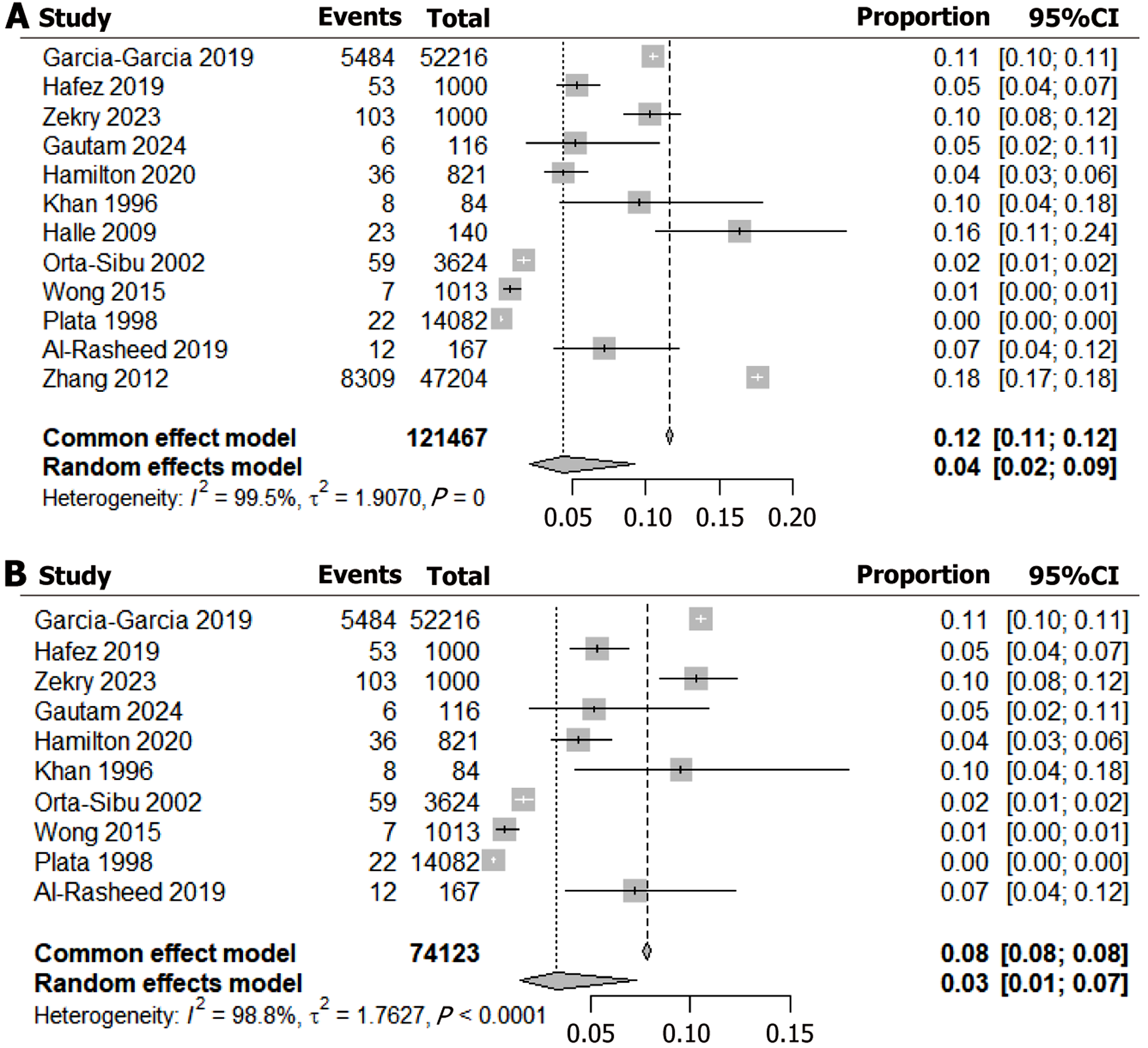
Figure 4 Sensitivity analysis forest plot.
A: Sensitivity analysis forest plot of chronic kidney disease prevalence restricted to 12 studies with prevalence ≤ 0.20, excluding the highest-risk clinical and registry cohorts; study-specific estimates and pooled common- and random-effects prevalences are shown, with heterogeneity statistics reported below; B: Further sensitivity analysis forest plot of chronic kidney disease prevalence restricted to 10 studies with prevalence ≤ 0.16, approximating more general young populations; individual study proportions, pooled estimates and residual between-study heterogeneity from the generalized linear mixed model are displayed. CI: Confidence interval.
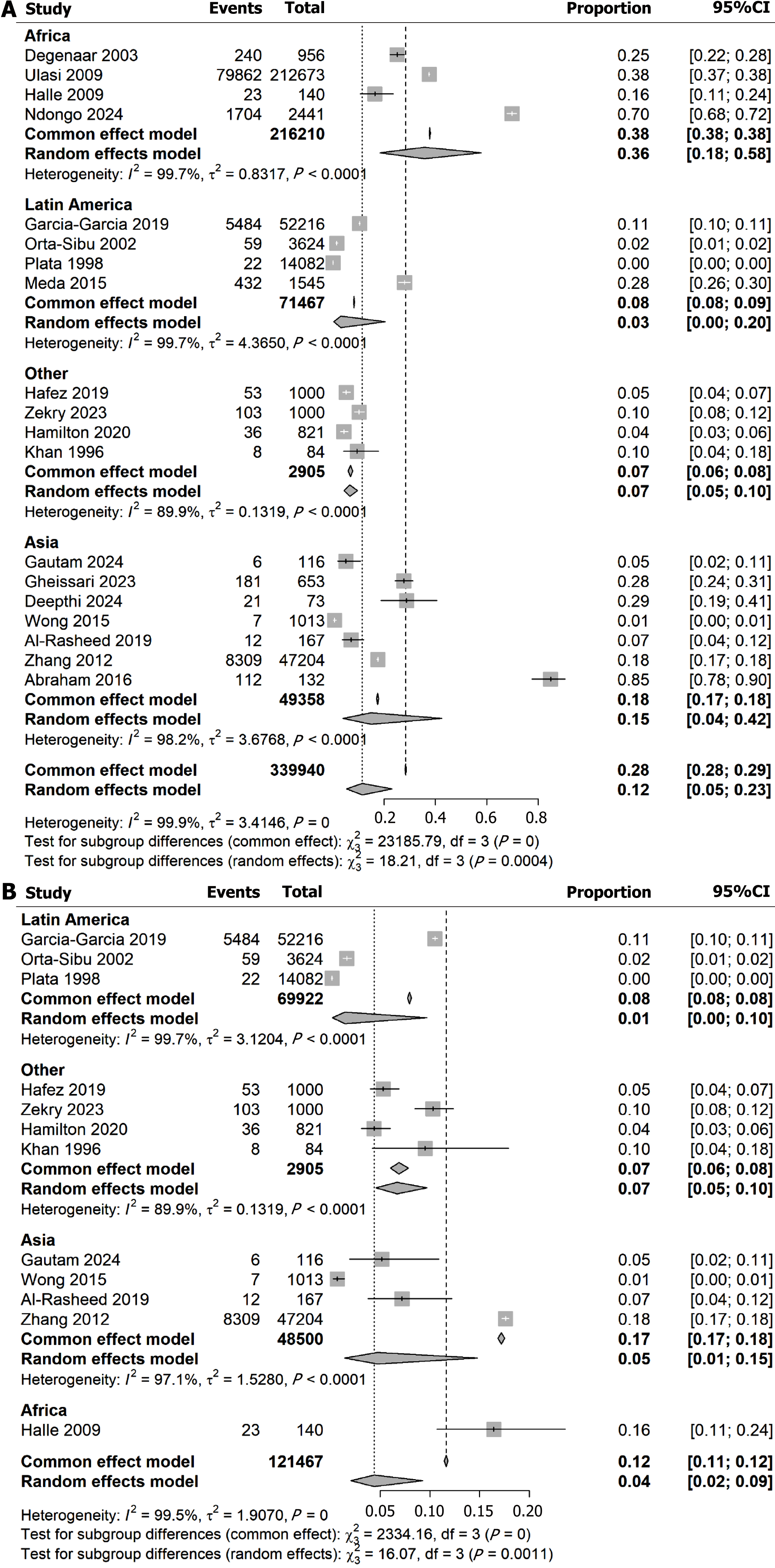
Figure 5 Forest plot of chronic kidney disease (≤ 25 years).
A: Forest plot of chronic kidney disease prevalence in young people (≤ 25 years) stratified by world region for all 19 included studies. Pooled proportions are shown for each region (Africa, Latin America, Other, and Asia) under common-effect and random-effects models, together with overall pooled estimates and heterogeneity and subgroup-difference statistics; B: Forest plot of chronic kidney disease prevalence in young people stratified by world region after exclusion of studies with prevalence > 0.20. Regional and overall pooled estimates (common-effect and random-effects) are presented, with corresponding 95% confidence intervals and heterogeneity measures, demonstrating persistent but attenuated between-region variability. CI: Confidence interval.
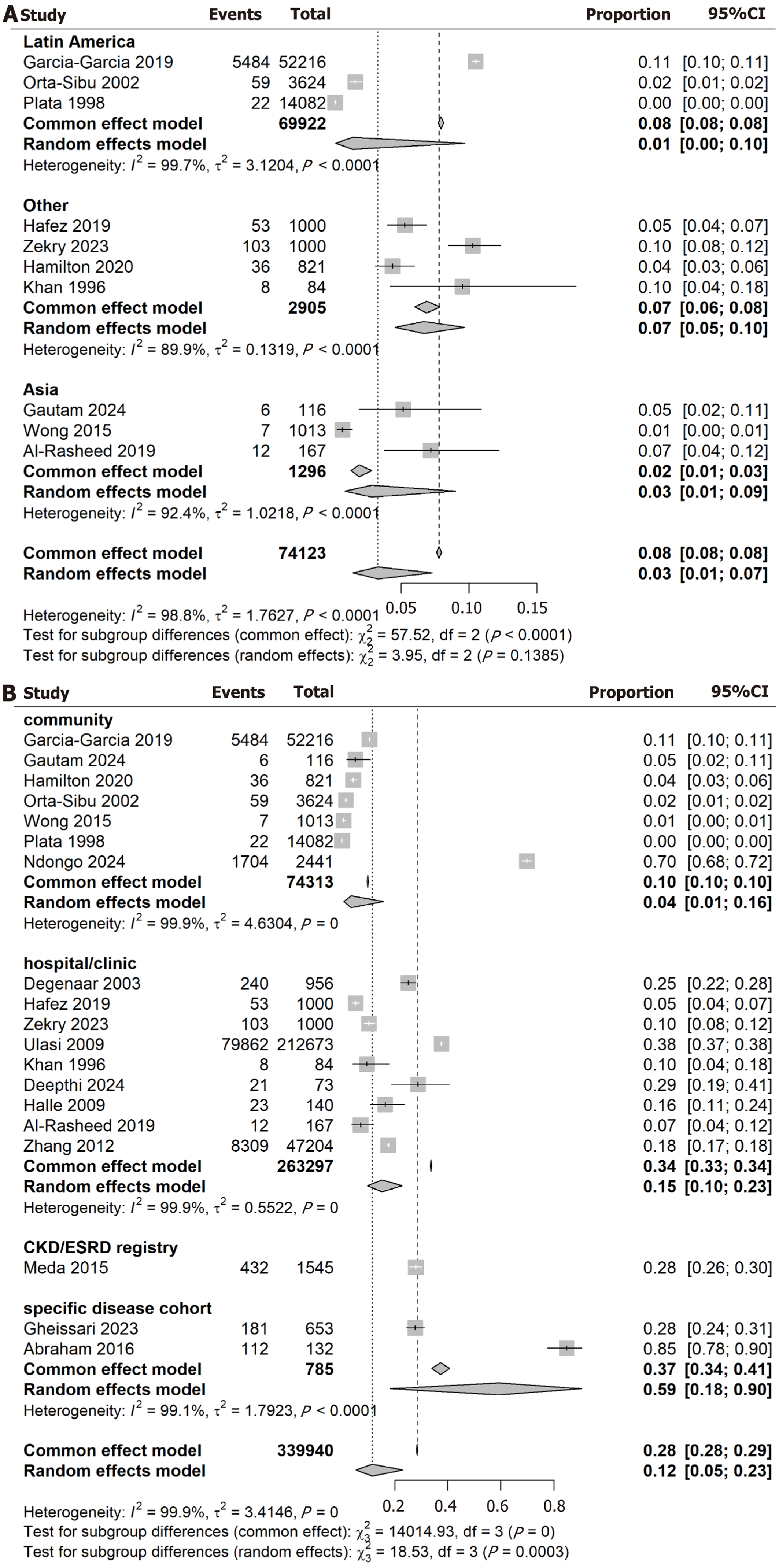
Figure 6 Forest plot of chronic kidney disease in young people.
A: Forest plot of chronic kidney disease (CKD) prevalence in young people stratified by world region after further restriction to studies with prevalence ≤ 0.16. Regional pooled estimates and overall pooled prevalence (common-effect and random-effects) with 95% confidence intervals are shown, illustrating that substantial heterogeneity remains despite exclusion of the highest-prevalence studies; B: Forest plot of CKD prevalence in young people (≤ 25 years) by study setting in low- and middle-income countries. Studies are grouped as community-based, hospital/clinic-based, CKD/end-stage renal disease registries, and specific disease cohorts. Squares represent individual study estimates (size proportional to study weight), horizontal lines indicate 95% confidence intervals, and diamonds show pooled prevalence for each setting and overall, obtained from random-effects generalized linear mixed models (logit transformation). CI: Confidence interval.
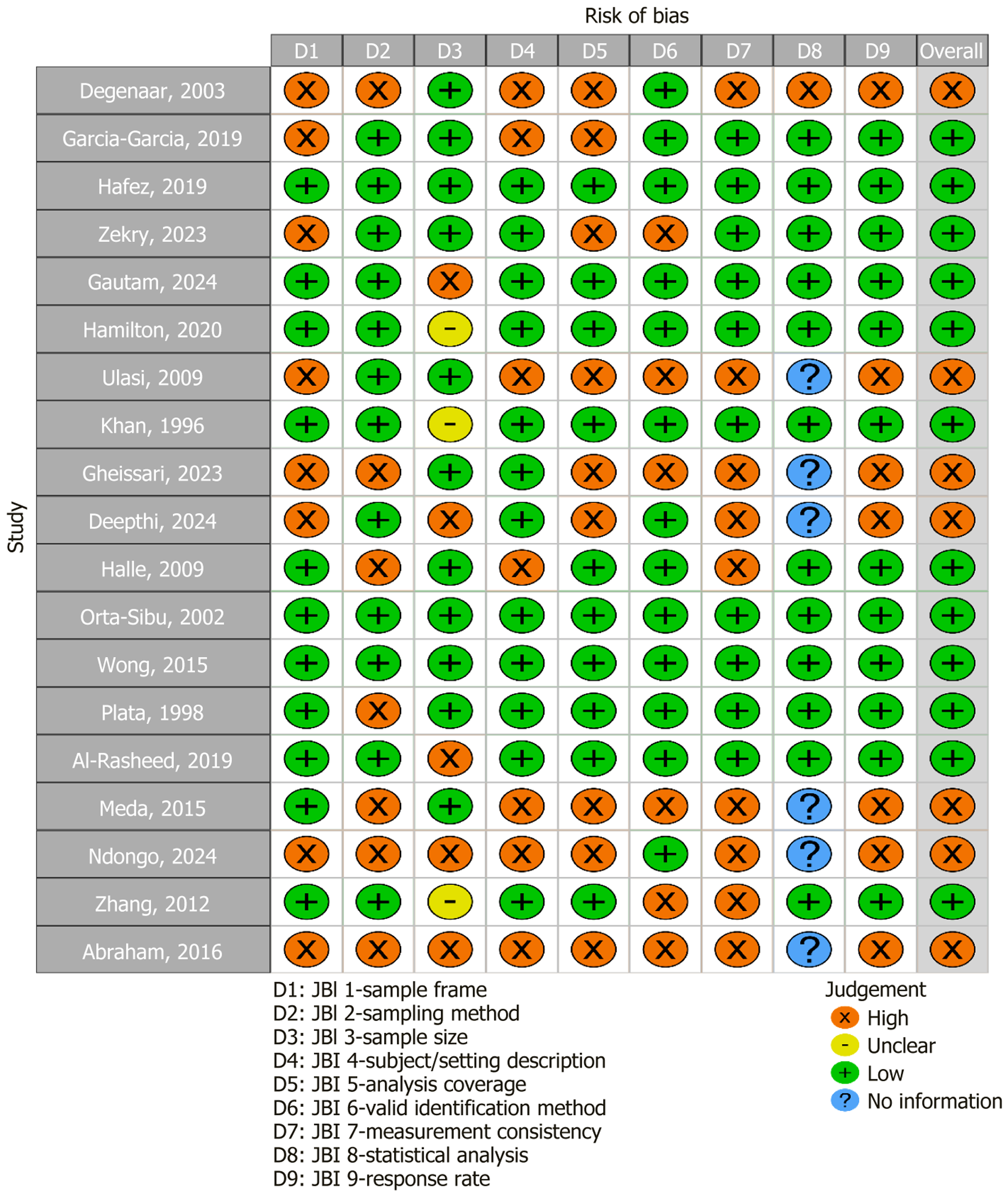
Figure 7 Traffic-light plot of risk-of-bias assessment for included prevalence studies.
Each row represents a study and each column one of the nine Joanna Briggs Institute prevalence domains (D1-D9), with green circles indicating low risk of bias, yellow unclear risk, orange high risk, and blue indicating no information. The right-hand column summarizes the overall judgement for each study.
- Citation: Tommy A, Soldera J. Epidemiology of chronic kidney disease in young patients in developing countries. World J Nephrol 2026; 15(2): 117721
- URL: https://www.wjgnet.com/2220-6124/full/v15/i2/117721.htm
- DOI: https://dx.doi.org/10.5527/wjn.v15.i2.117721