
















Copyright: ©Author(s) 2026.
World J Nephrol. Jun 25, 2026; 15(2): 117719
Published online Jun 25, 2026. doi: 10.5527/wjn.v15.i2.117719
Published online Jun 25, 2026. doi: 10.5527/wjn.v15.i2.117719

Figure 1 Artificial intelligence across the chronic kidney disease continuum.
Schematic showing how artificial intelligence supports clinical decision-making across all chronic kidney disease stages, integrating diverse data modalities to enable longitudinal, multimodal, and stage-specific care from early detection to transplantation. AI: Artificial intelligence; CKD: Chronic kidney disease; DL: Deep learning; NLP: Natural language processing; EHR: Electronic health record.
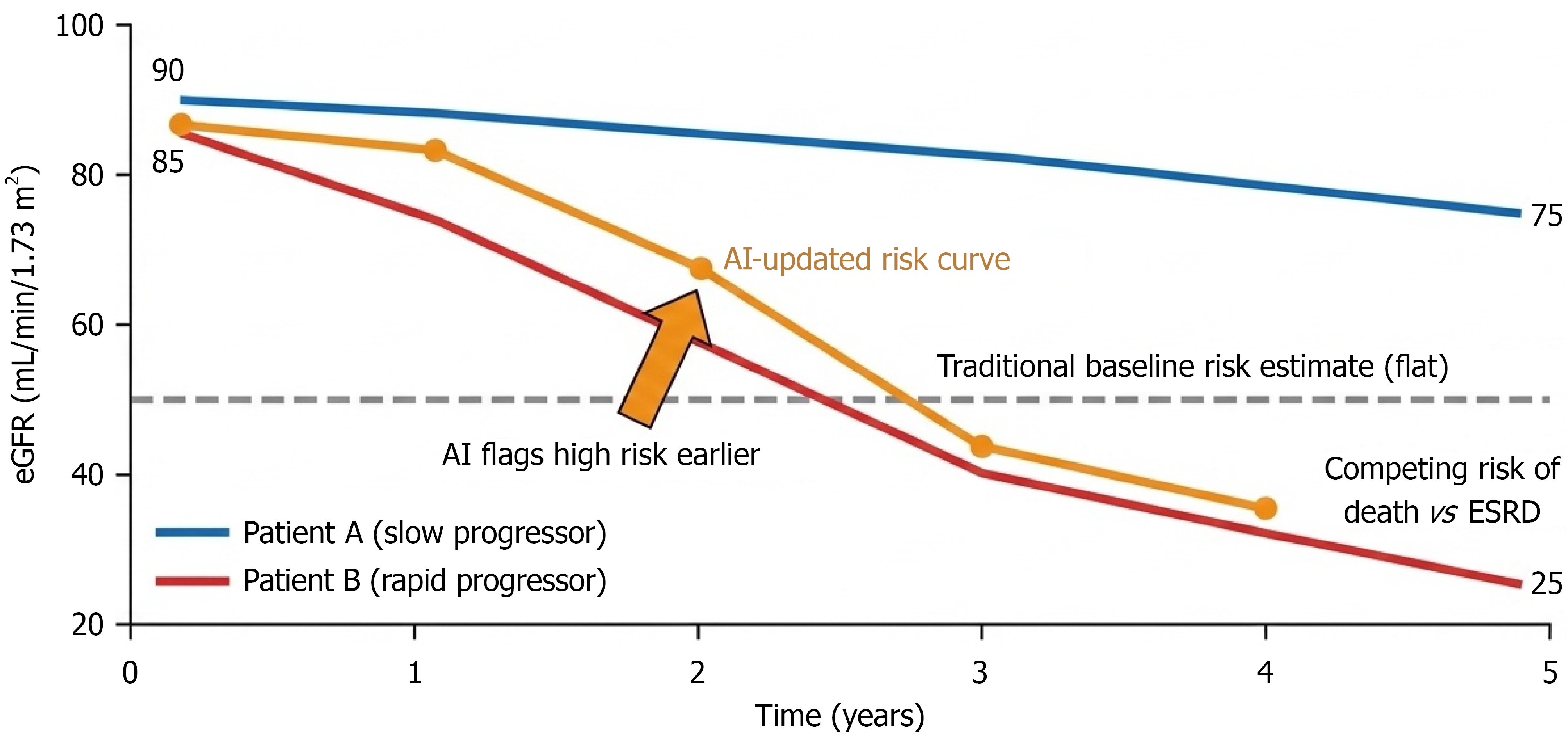
Figure 2 Dynamic prediction of chronic kidney disease progression using longitudinal data.
Illustrative comparison of static baseline risk estimation vs artificial intelligence based models that update risk over time using longitudinal estimated glomerular filtration rate trajectories, enabling earlier identification of rapid progressors and accounting for competing risks such as death vs progression to end-stage kidney disease. AI: Artificial intelligence; eGFR: Estimated glomerular filtration rate; ESRD: End-stage renal disease.
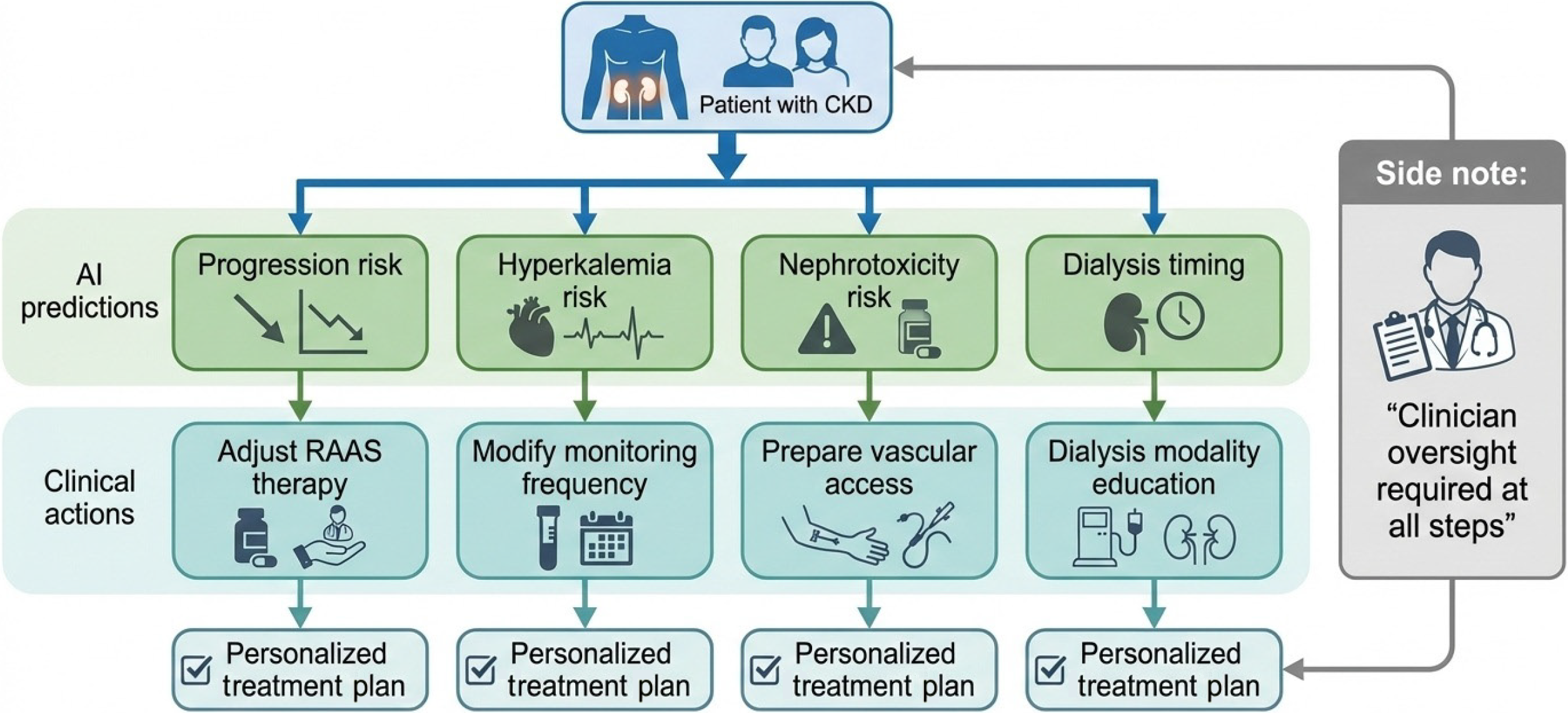
Figure 3 Artificial intelligence-supported personalized treatment decision framework in chronic kidney disease.
Schematic illustrating how artificial intelligence-generated risk predictions inform individualized clinical actions across chronic kidney disease care, with clinician oversight maintained at all stages of decision-making. CKD: Chronic kidney disease; RAAS: Renin-angiotensin-aldosterone system.
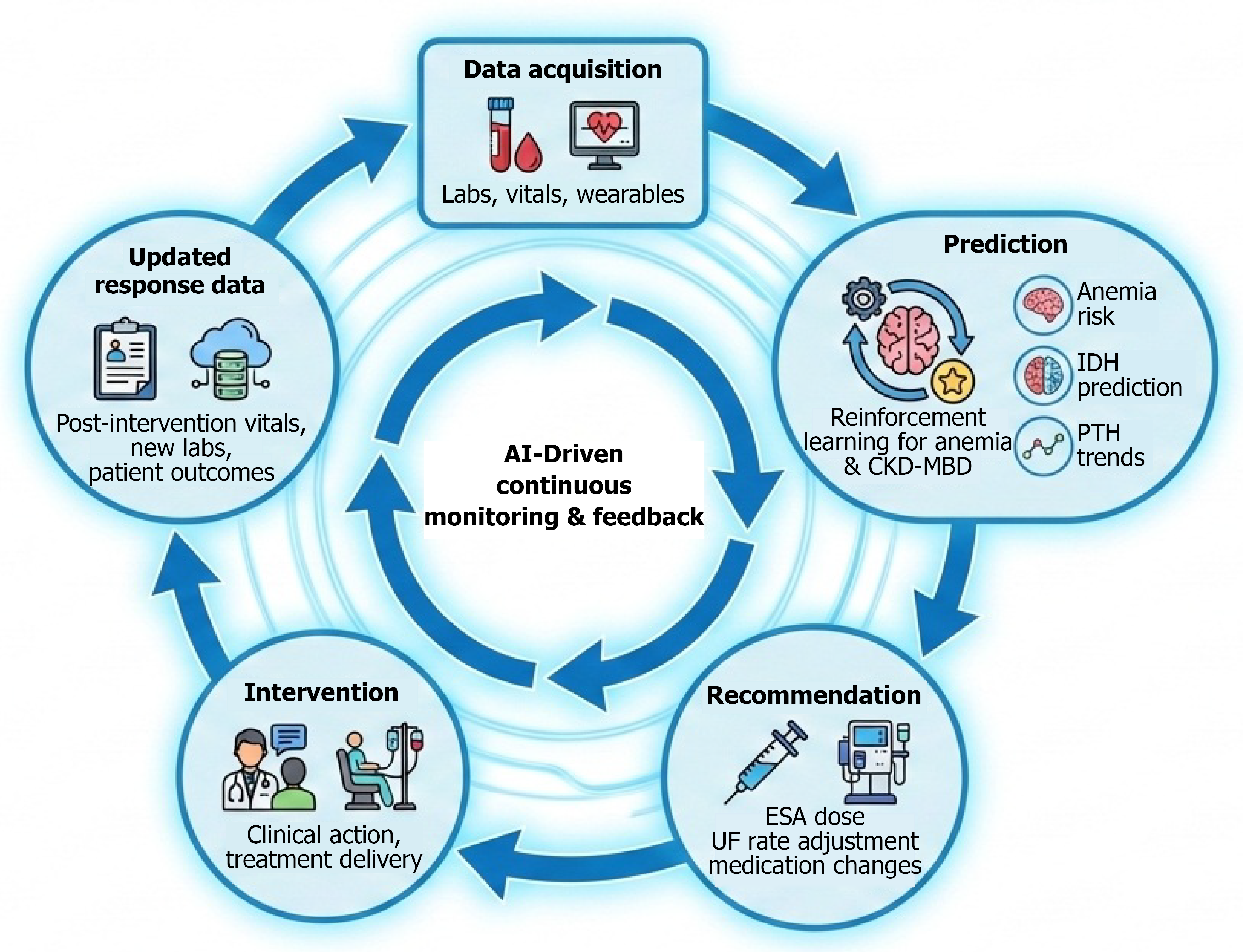
Figure 4 Closed-loop artificial intelligence-enabled management of chronic kidney disease complications.
Conceptual feedback loop illustrating continuous data acquisition, prediction, intervention, and response updating to support dynamic and adaptive management of chronic kidney disease-related complications using artificial intelligence. AI: Artificial intelligence; IDH: Intradialytic hypotension; PTH: Parathyroid hormone; CKD-MBD: CKD-mineral and bone disorder; ESA: Erythropoiesis-stimulating agent; UF: Ultrafiltration.

Figure 5 Barriers to translating artificial intelligence models into clinical chronic kidney disease care.
Overview of technical, organizational, regulatory, equity, and infrastructure barriers that limit the progression of artificial intelligence models from development to real-world clinical impact in chronic kidney disease care. AUROC: Area under the receiver operating characteristic; AI: Artificial intelligence; FDA: United States Food and Drug Administration; EU: European Union; LMIC: Low-and middle-income countries.
- Citation: Eskandar K. Artificial intelligence in chronic kidney disease: Early detection, risk prediction, and personalized treatment strategies. World J Nephrol 2026; 15(2): 117719
- URL: https://www.wjgnet.com/2220-6124/full/v15/i2/117719.htm
- DOI: https://dx.doi.org/10.5527/wjn.v15.i2.117719