
















Copyright: ©Author(s) 2026.
World J Nephrol. Jun 25, 2026; 15(2): 117355
Published online Jun 25, 2026. doi: 10.5527/wjn.v15.i2.117355
Published online Jun 25, 2026. doi: 10.5527/wjn.v15.i2.117355
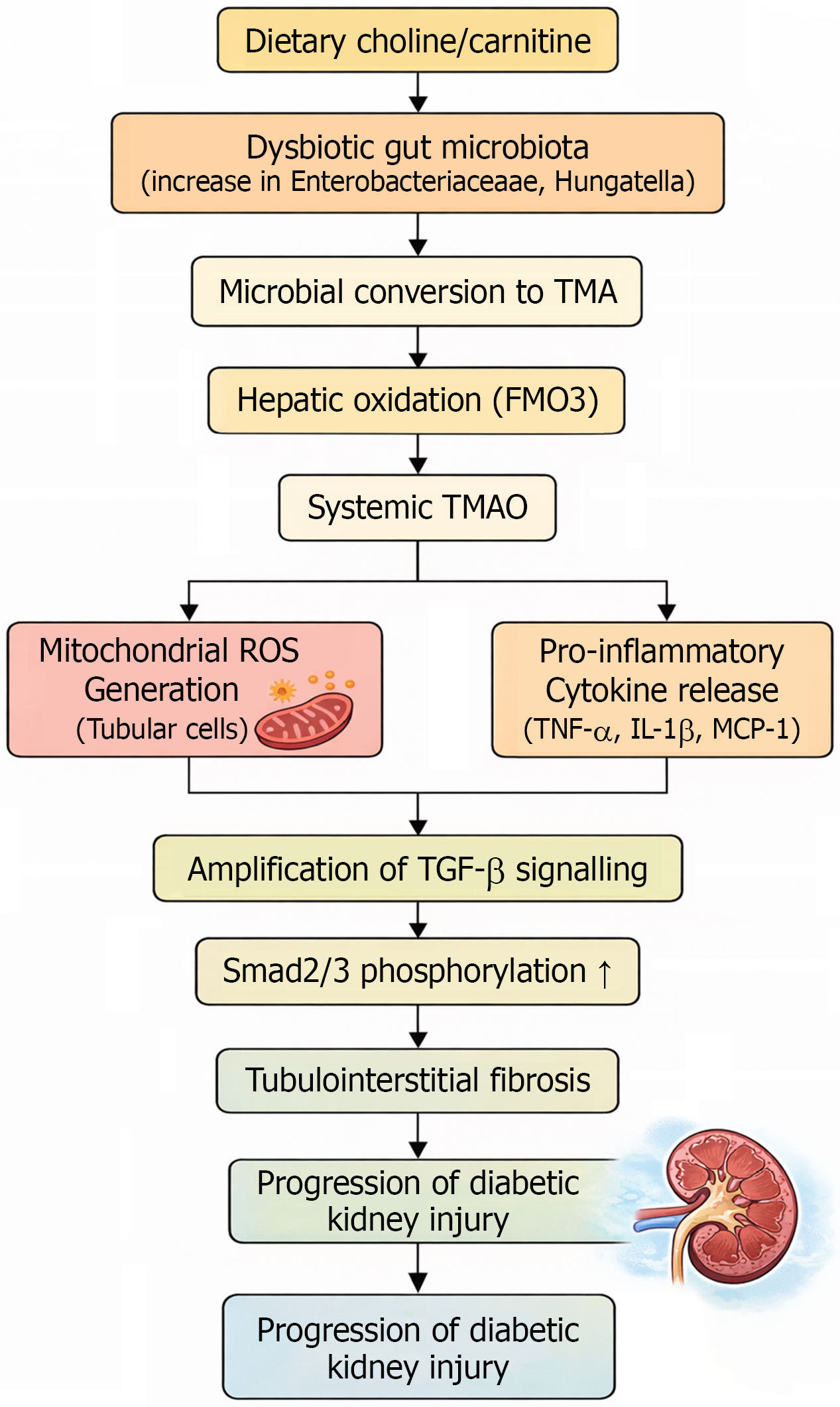
Figure 1 Pathogenic Integration of trimethylamine N-oxide within the gut-kidney signalling axis.
This figure illustrates how dysbiotic gut microbiota enhance trimethylamine production, driving hepatic conversion to trimethylamine N-oxide (TMAO). Elevated systemic TMAO amplifies endothelial activation, oxidative stress, and transforming growth factor-beta/Smad signalling within renal tissue, promoting tubulointerstitial fibrosis. Progressive decline in kidney function further increases TMAO accumulation, creating a self-reinforcing cycle of microbial dysbiosis, metabolic disturbance, and fibrogenic injury along the gut-kidney axis. TMAO: Trimethylamine N-oxide; TMA: Trimethylamine; ROS: Reactive oxygen species; TNF-α: Tumor necrosis factor-alpha; IL-1β: Interleukin-1beta; MCP-1: Monocyte chemoattractant protein-1; TGF-β: Transforming growth factor-beta.
- Citation: Kashiv P, Balwani MR, Pasari A, Saxena K, Kute VB. Trimethylamine N-oxide as a key microbial mediator in the progression of diabetic kidney disease. World J Nephrol 2026; 15(2): 117355
- URL: https://www.wjgnet.com/2220-6124/full/v15/i2/117355.htm
- DOI: https://dx.doi.org/10.5527/wjn.v15.i2.117355