
















Copyright: ©Author(s) 2026.
World J Nephrol. Jun 25, 2026; 15(2): 116524
Published online Jun 25, 2026. doi: 10.5527/wjn.v15.i2.116524
Published online Jun 25, 2026. doi: 10.5527/wjn.v15.i2.116524
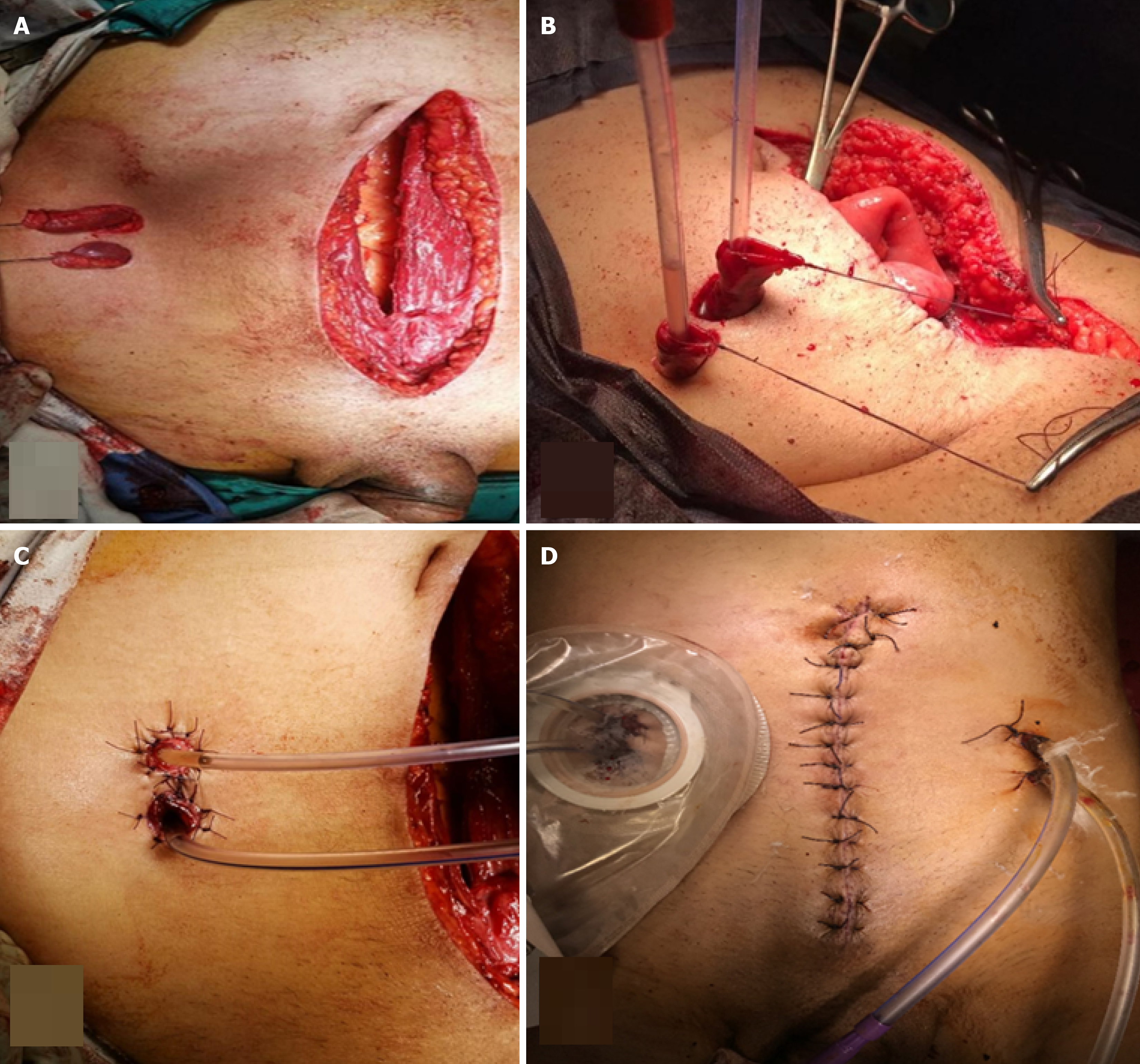
Figure 1 Unilateral cutaneous ureterostomy with separate stomata at different stages.
A: Two separate small abdominal wall incisions are made on the right lumbar region, with a ridge left in between; B: The two ureters are passed through the incisions separately. Note that the ureters are dilated with large-caliber Nelaton catheters as stents; C: The ureters are secured to the skin, and a skin ridge is seen separating the two stomata; D: The collection bag base is applied to the stomata after main wound closure and fixation of tubal drains on the left abdominal side.
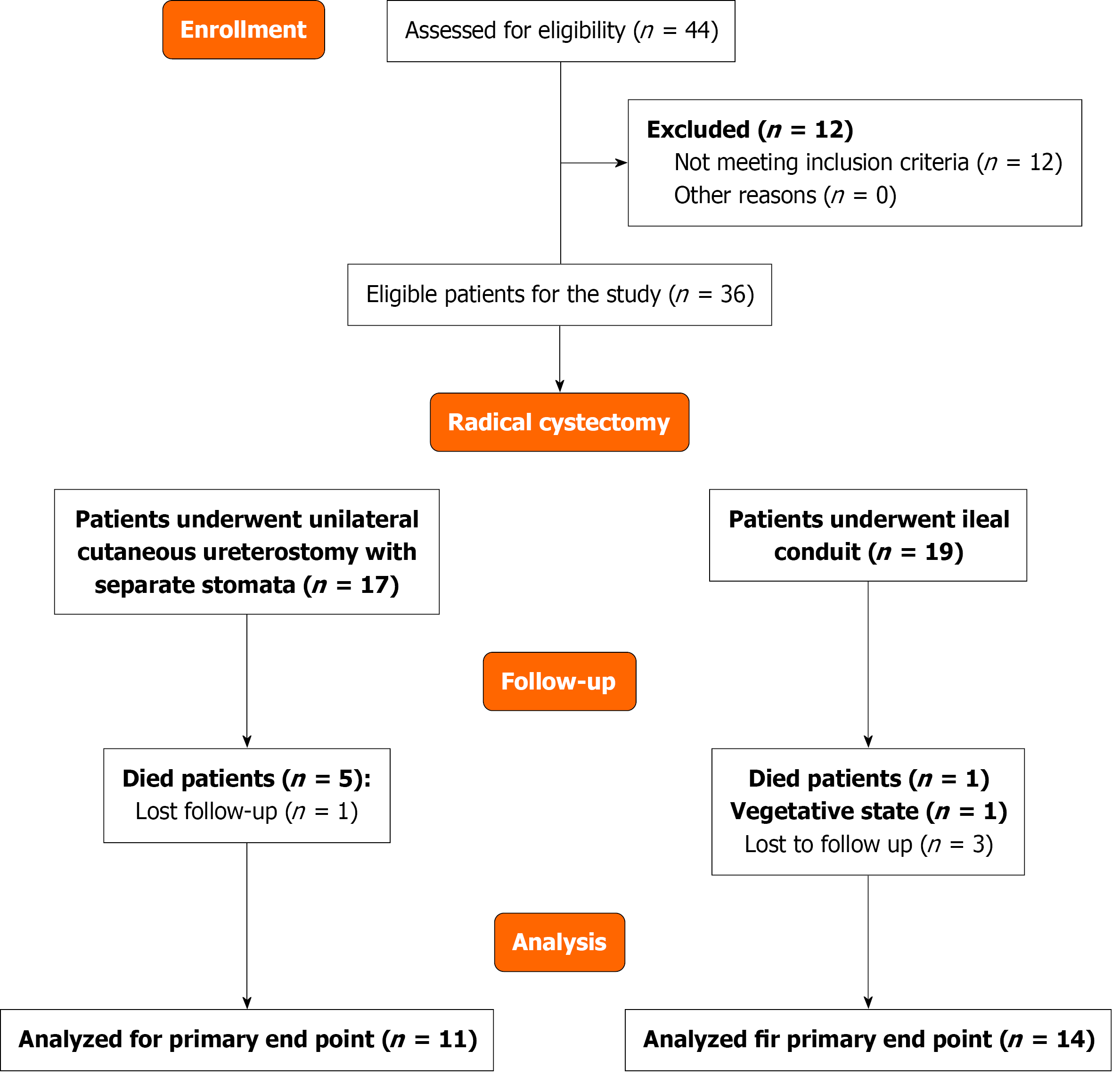
Figure 2 Flowchart of patients who underwent radical cystectomy and urinary diversion.
It shows the flow of patients who received either an ileal conduit or a unilateral cutaneous ureterostomy with separate stomata.
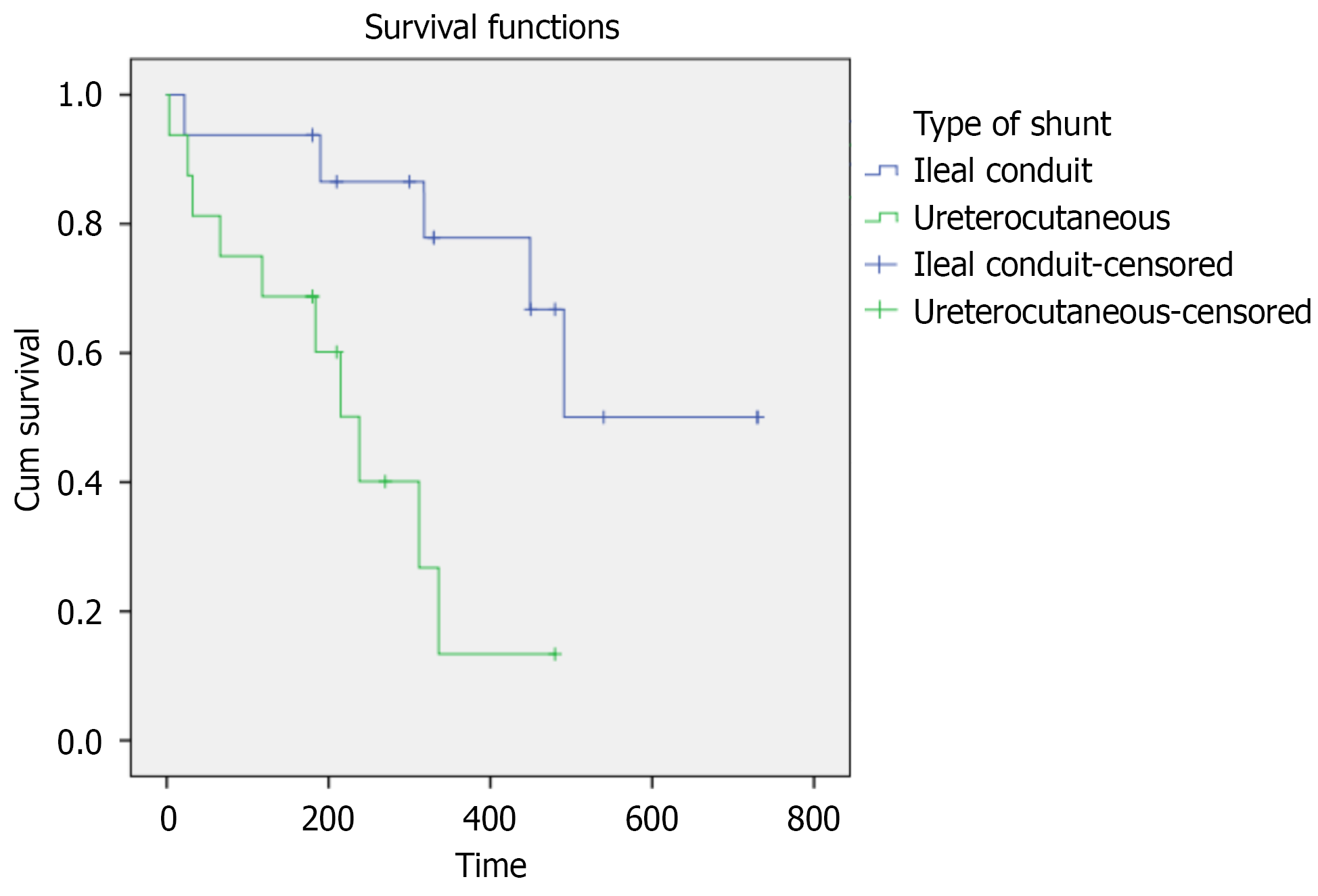
Figure 3 Kaplan-Meier survival analysis, using the Log-Rank test.
In comparison to the cutaneous ureterostomy with separate stomata, the ileal conduit was associated with a better survival rate. Owing to the major limitations in this study, these survival analyses should be cautiously handled as an exploratory work.
- Citation: Khalil M, Mahdy MH, Gadelkareem RA, Shahat A, Shalaby MA, Zarzour MA. Unilateral cutaneous ureterostomy with separate stomata vs ileal conduit after radical cystectomy. World J Nephrol 2026; 15(2): 116524
- URL: https://www.wjgnet.com/2220-6124/full/v15/i2/116524.htm
- DOI: https://dx.doi.org/10.5527/wjn.v15.i2.116524