
















Copyright: ©Author(s) 2026.
World J Transplant. Jun 18, 2026; 16(2): 118880
Published online Jun 18, 2026. doi: 10.5500/wjt.v16.i2.118880
Published online Jun 18, 2026. doi: 10.5500/wjt.v16.i2.118880
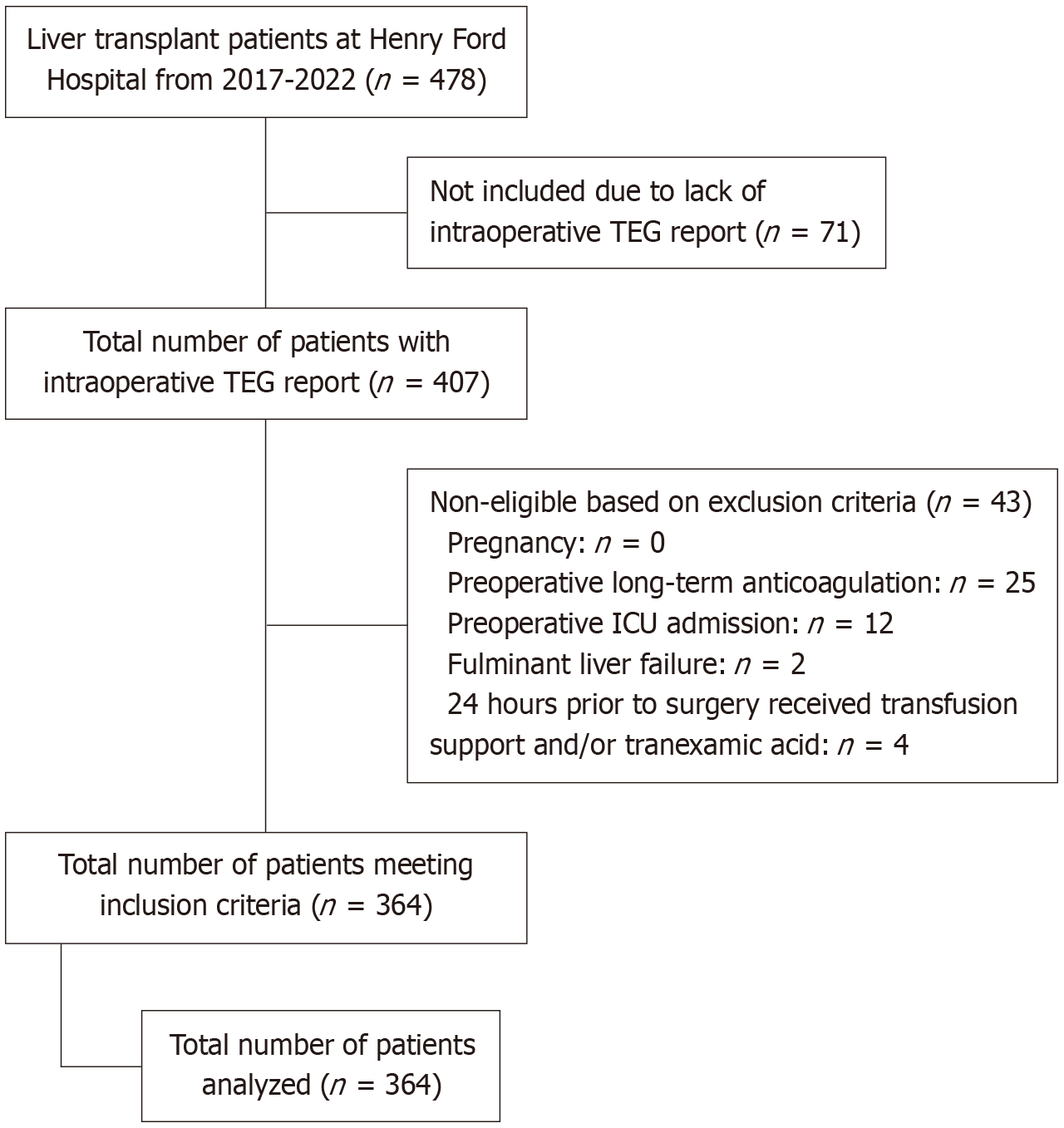
Figure 1 Study group selection flowchart.
TEG: Thromboelastography; ICU: Intensive care unit.
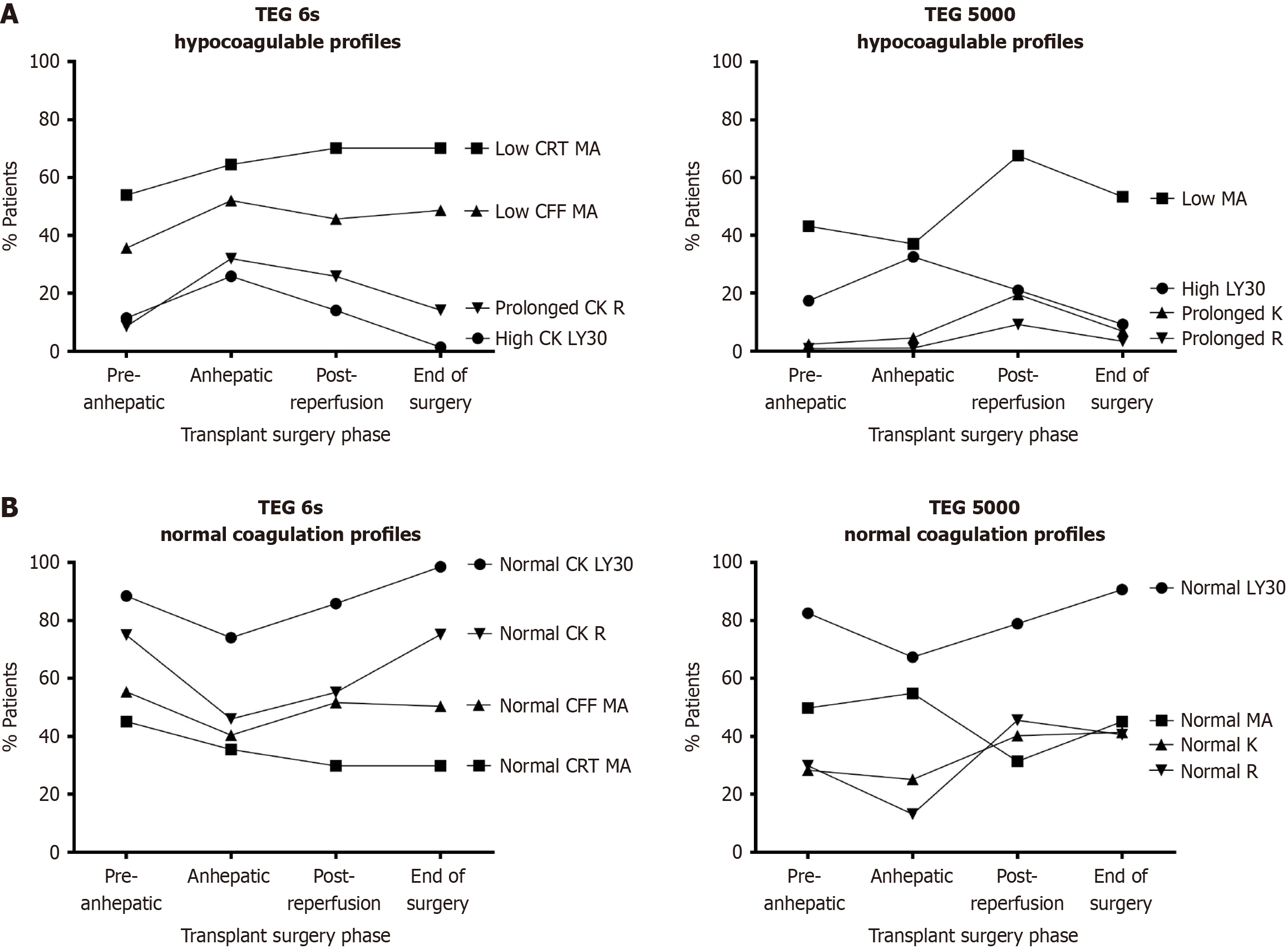
Figure 2 Distribution of patients with hypocoagulability and normal hemostatic parameters across 4 phases of liver transplant surgery.
Hemodynamic parameters were monitored during transplant surgery with either the thromboelastography (TEG) 6s or TEG 5000 platforms. Hemodynamic trends suggest higher rates of hypocoagulability may occur during the anhepatic and post-reperfusion phases. A: The show proportions of patients with TEG results indicating hypocoagulability; B: The show proportions of patients with normal hemostatic TEG results over time. Denominators for percentages vary per parameter and result range (Table 2). Reference ranges for all parameters are in Supplementary Table 1. TEG: Thromboelastography; CRT: Citrated rapid thromboelastography; MA: Maximum amplitude; CFF: Citrated functional fibrinogen; CK: Citrated kaolin; R: Reaction time; LY30: Percent clot lysis at 30 minutes post-maximum amplitude; K: Kinetics time.
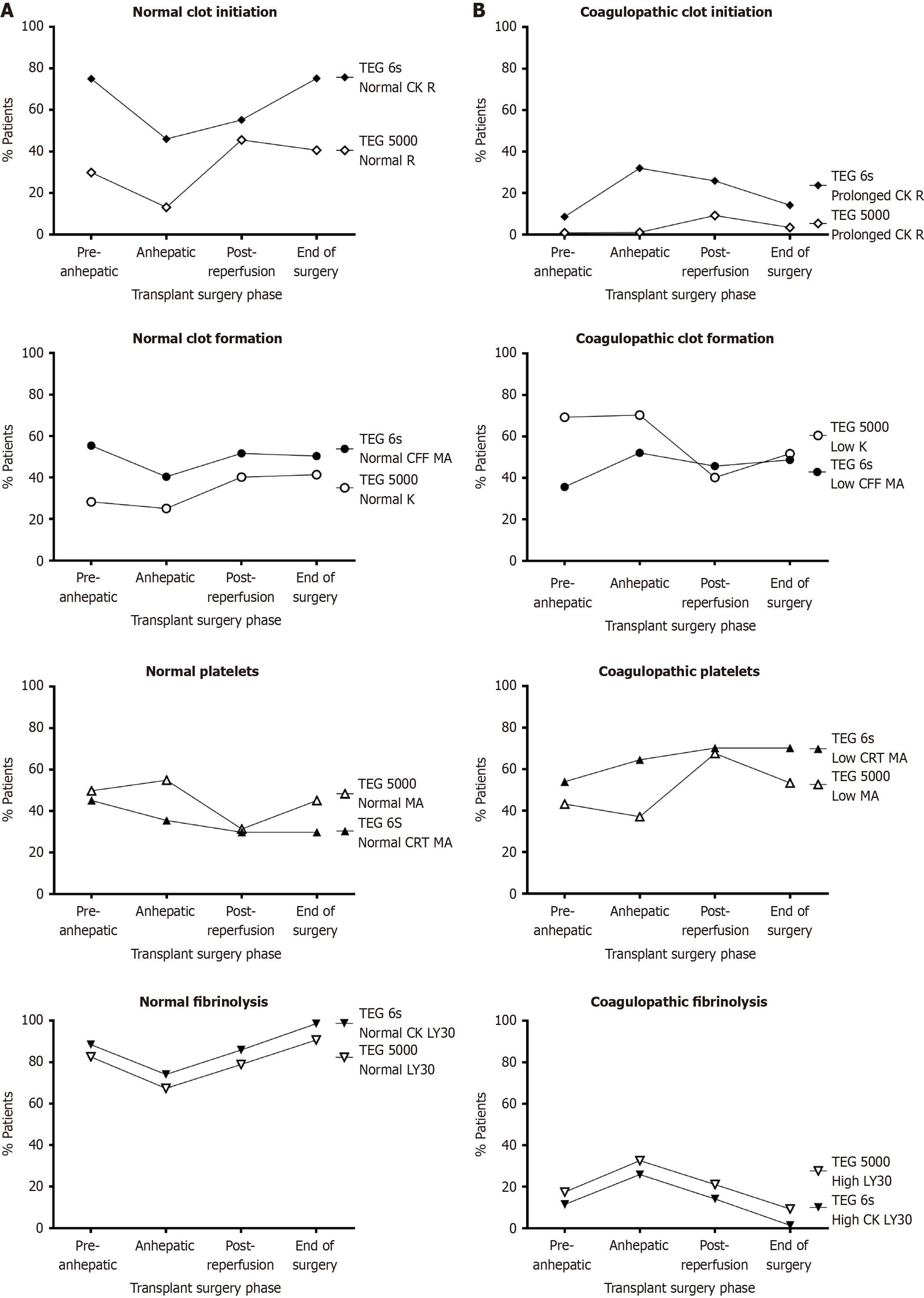
Figure 3 Head-to-head comparison of basic hemodynamic parameters from thromboelastography 6s and thromboelastography 5000.
Hemodynamic parameters were monitored during 4 phases of transplant surgery with either the thromboelastography (TEG) 6s or TEG 5000 platforms. Hemodynamic trends suggest that coagulability is the least concerning during the pre-anhepatic and end-of-surgery phases, with coagulation stability less prevalent during the middle phases of transplant. A: Proportions of patients with normal results indicating coagulopathy over time; B: Proportions of patients with results indicating coagulopathy over time. Denominators for percentages vary per parameter and result range (Table 2). Reference ranges for all parameters are in Supplementary Table 1. TEG: Thromboelastography; CK: Citrated kaolin; R: Reaction time; CFF: Citrated functional fibrinogen; MA: Maximum amplitude; K: Kinetics time; CRT: Citrated rapid thromboelastography; LY30: Percent clot lysis at 30 minutes post-maximum amplitude.
- Citation: Maroun W, Osborn ZF, Garg P, Angappan S, El-Bashir J, Heppell O, Soetedjo J, Pillai S, Miyake K, Mohamed A, Nagai S, Guerra-Londono CE. Thromboelastographic description of intraoperative coagulopathy in patients undergoing liver transplant surgery: A single-center observational study. World J Transplant 2026; 16(2): 118880
- URL: https://www.wjgnet.com/2220-3230/full/v16/i2/118880.htm
- DOI: https://dx.doi.org/10.5500/wjt.v16.i2.118880