
















Copyright: ©Author(s) 2026.
World J Transplant. Jun 18, 2026; 16(2): 118450
Published online Jun 18, 2026. doi: 10.5500/wjt.v16.i2.118450
Published online Jun 18, 2026. doi: 10.5500/wjt.v16.i2.118450
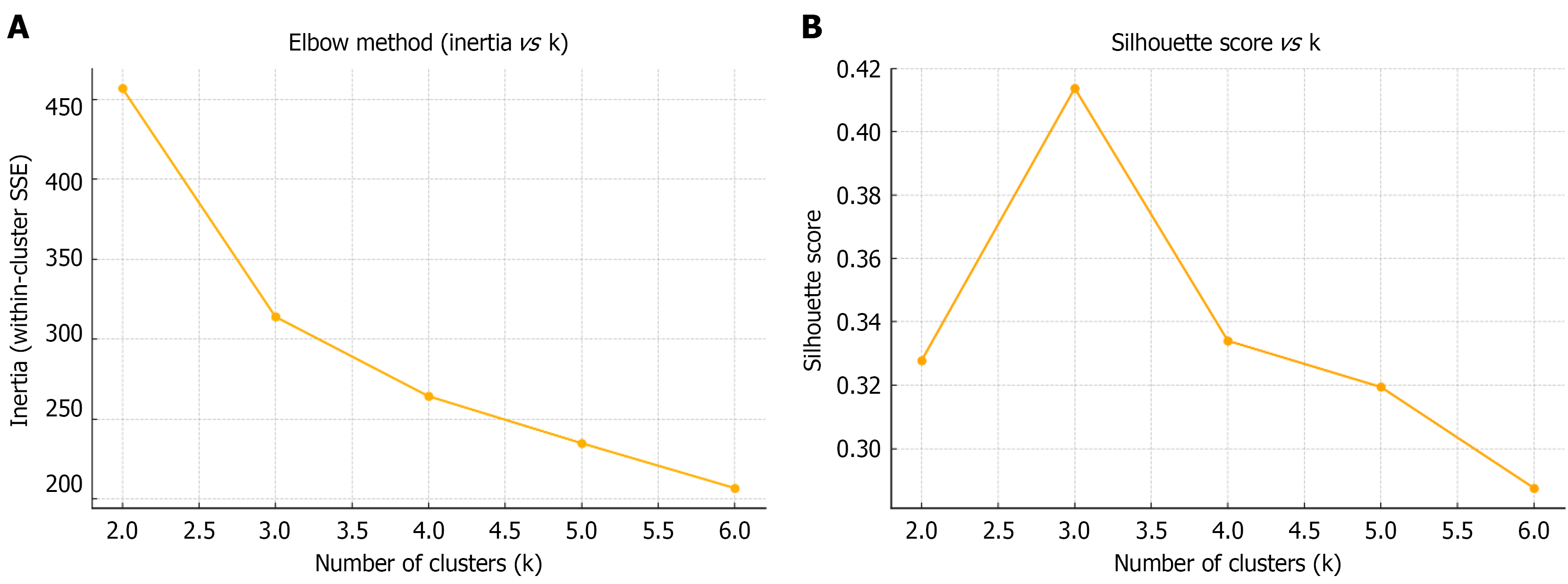
Figure 1 Evaluation of cluster number using the elbow and silhouette methods.
A: The elbow method, highlighting a sharp decline in within-cluster variance at k = 3; B: Silhouette scores across k values, peaking at k = 3. Together, these findings support the selection of three clusters for stratifying immunologic risk.
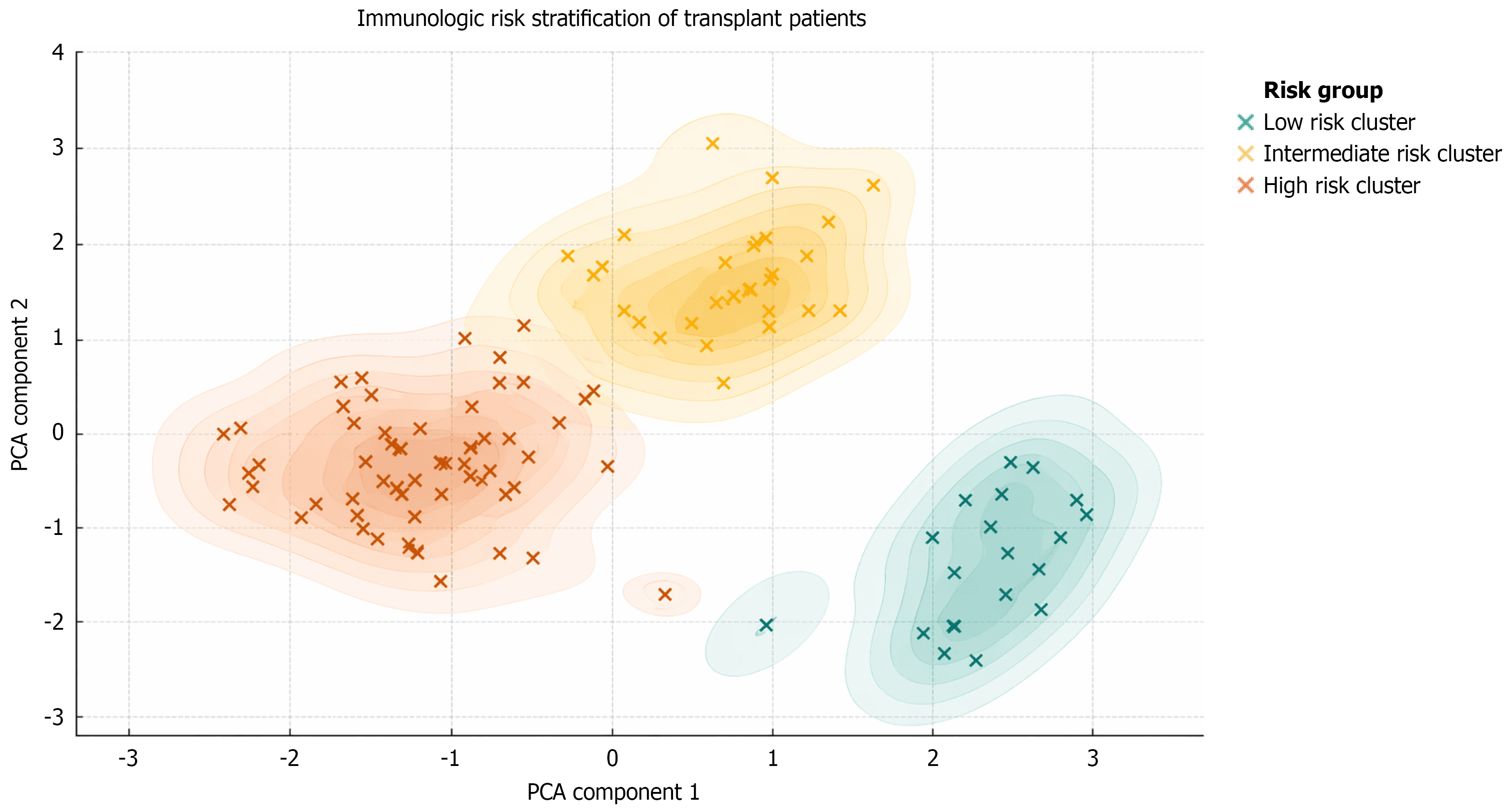
Figure 2 illustrates a principal component analysis.
Each point in this principal component analysis plot represents a donor-specific antibody (DSA)-positive kidney transplant recipient, color-coded by cluster membership, with shaded contours indicating the spatial density of patients within each group. The high-risk cluster (orange) demonstrates tight cohesion and distinct localization, characterized by patients with high mean fluorescence intensity (MFI), multiple DSAs, and mixed Class I and II sensitization. The intermediate-risk cluster (yellow) shows moderate density and spatial separation, predominantly representing Class II DSA patients with moderate immunologic burden. The low-risk cluster (green) occupies a well-isolated region with minimal overlap, encompassing patients with Class I-only DSA, low MFI, and favorable early graft function. While some overlap is observed between the high-risk and intermediate-risk clusters, the core density of each group remains distinct, indicating meaningful stratification. PCA: Principal component analysis.
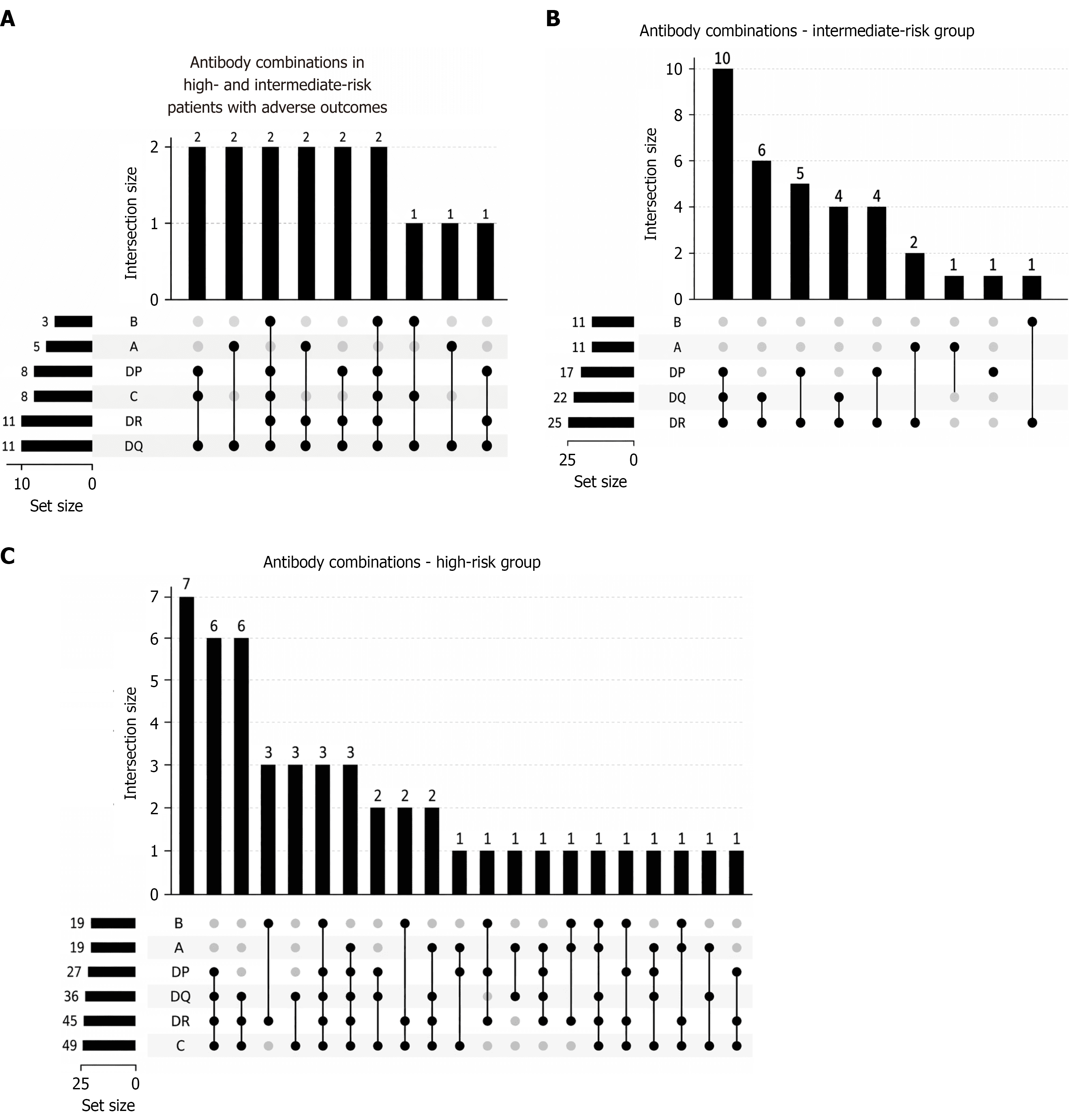
Figure 3 UpSet plots illustrating antibody combination patterns across different risk groups and outcomes in kidney transplant recipients.
A: Patients from high- and intermediate-risk groups with adverse outcomes (acute rejection, graft loss, or mortality); B: Intermediate-risk group; C: High-risk group. The most frequent antibody combinations involve DR, DP, and DQ, with multiple unique multi-locus patterns, reflecting immunologic diversity among affected individuals. HLA loci are indicated as A: HLA-A, B: HLA-B, C: HLA-C. PCA: Principal component analysis.
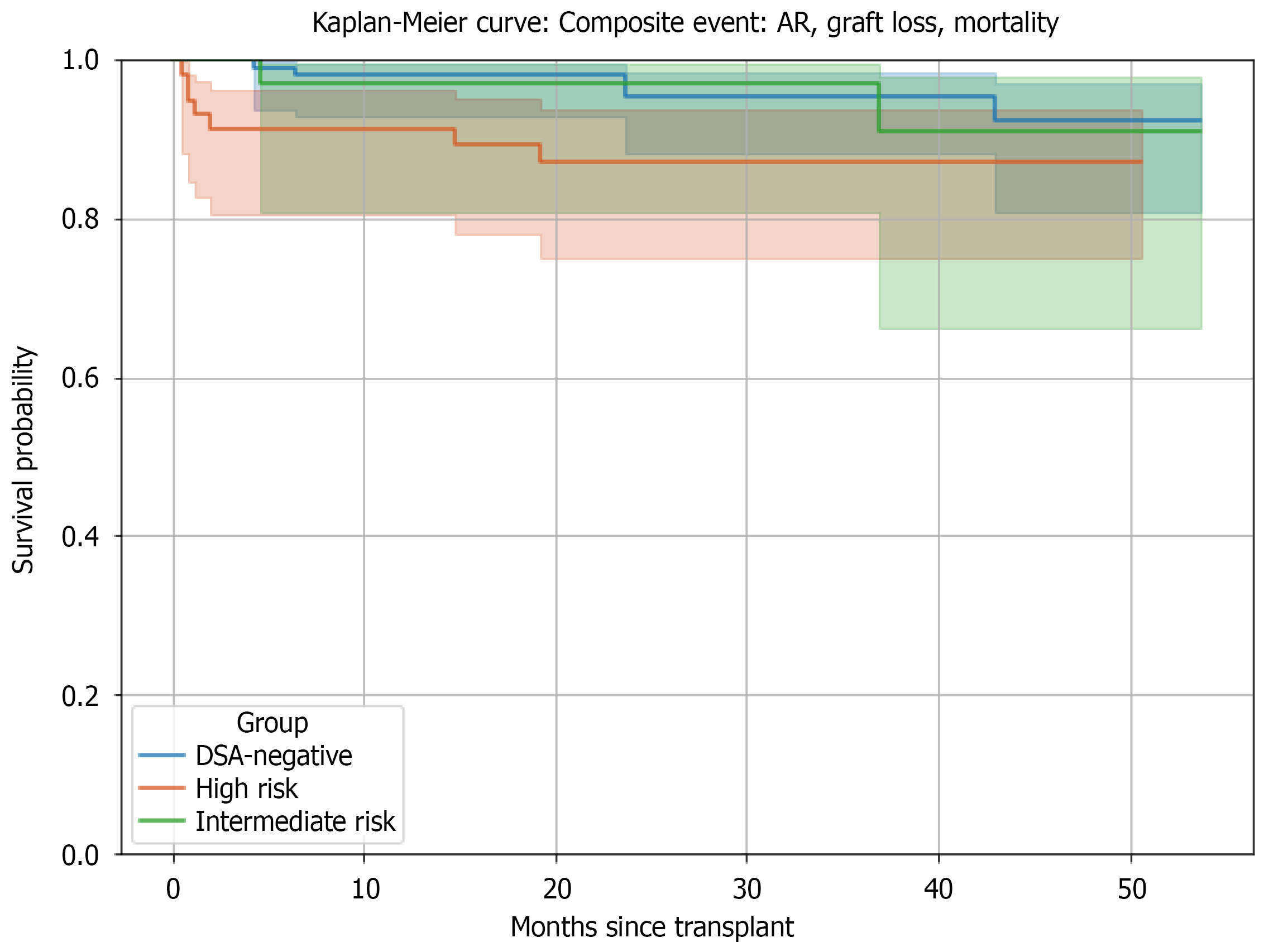
Figure 4 Kaplan-Meier survival curve for composite outcome (acute rejection, graft loss, or mortality) by immunologic risk group.
Kaplan-Meier analysis comparing composite event-free survival among donor-specific antibody -negative, high-risk, and intermediate-risk groups showed a non-significant but suggestive difference (log-rank P = 0.0849). Survival rates appeared lower in the High-Risk group, although this did not reach statistical significance. AR: Acute rejection; DSA: Donor-specific antibody.
- Citation: Al-Qurashi SH, Khalil MAM, Mahmood HHK, Alsharif MM, Alqurashi YF, Alghamdi L, Al-Ghamdi RA, Alsaedi ZA, Cruz AJD, Aboasamh GA, Sadagah NM. Immunologic clustering of donor-specific antibodies and clinical outcomes in kidney transplant recipients. World J Transplant 2026; 16(2): 118450
- URL: https://www.wjgnet.com/2220-3230/full/v16/i2/118450.htm
- DOI: https://dx.doi.org/10.5500/wjt.v16.i2.118450