
















©The Author(s) 2026.
World J Transplant. Mar 18, 2026; 16(1): 113633
Published online Mar 18, 2026. doi: 10.5500/wjt.v16.i1.113633
Published online Mar 18, 2026. doi: 10.5500/wjt.v16.i1.113633
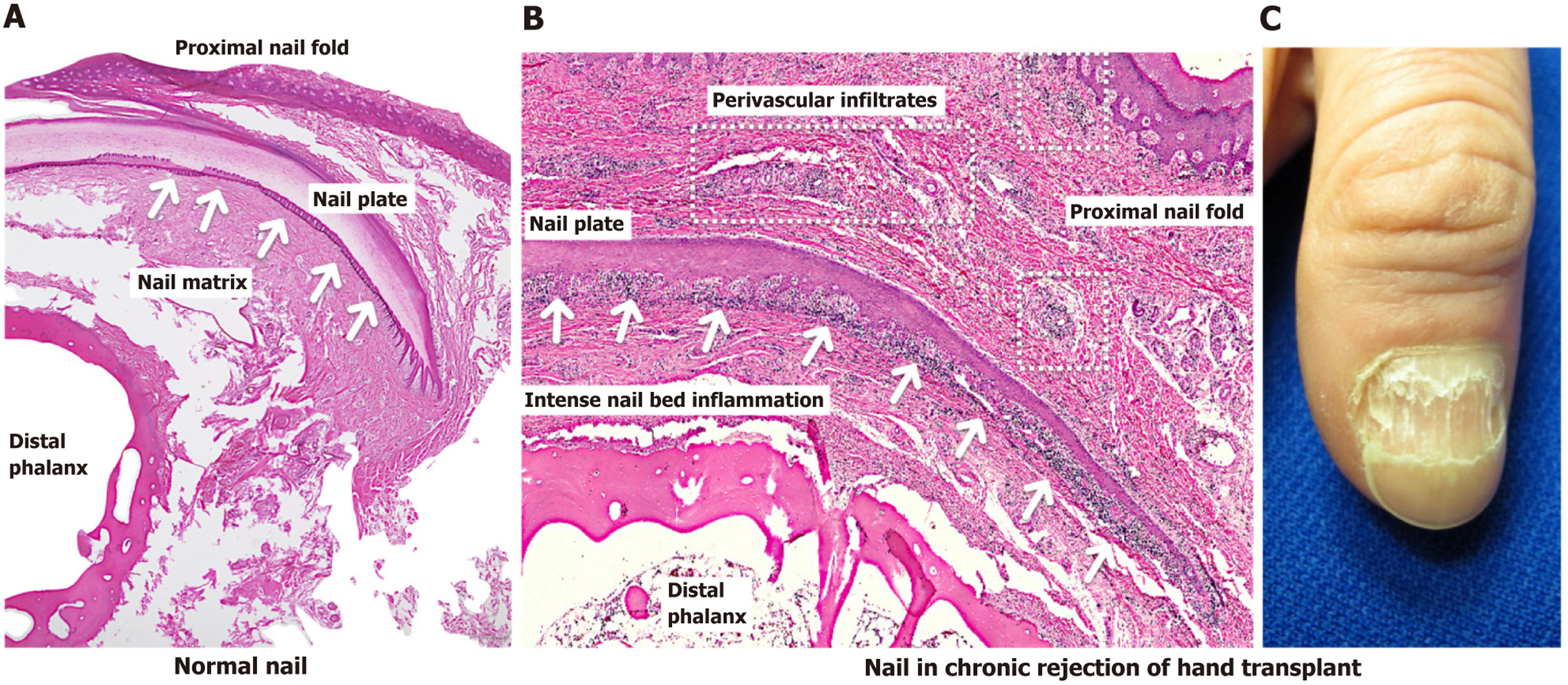
Figure 1 Comparative histopathologic findings of the normal nail and nail in chronic rejection of a hand transplant.
A: The left panel shows the histology of a normal nail, highlighting the key structures such as the nail plate, distal phalanx, proximal nail fold, and nail matrix, all of which appear well-organized and devoid of any pathological infiltrates; B: The middle panel depicts the histopathologic changes seen in chronic rejection of a hand transplant. The most notable features include intense nail bed inflammation and significant perivascular infiltrates within the thickened proximal nail fold. These changes contrast sharply with the normal histology, indicating the presence of an active immune response against the transplanted tissue; C: It shows proximal onychodystrophy with thin, uneven, and ragged nail plates without cuticle loss three years after upper extremity transplantation in a vascularized composite allotransplantation recipient.
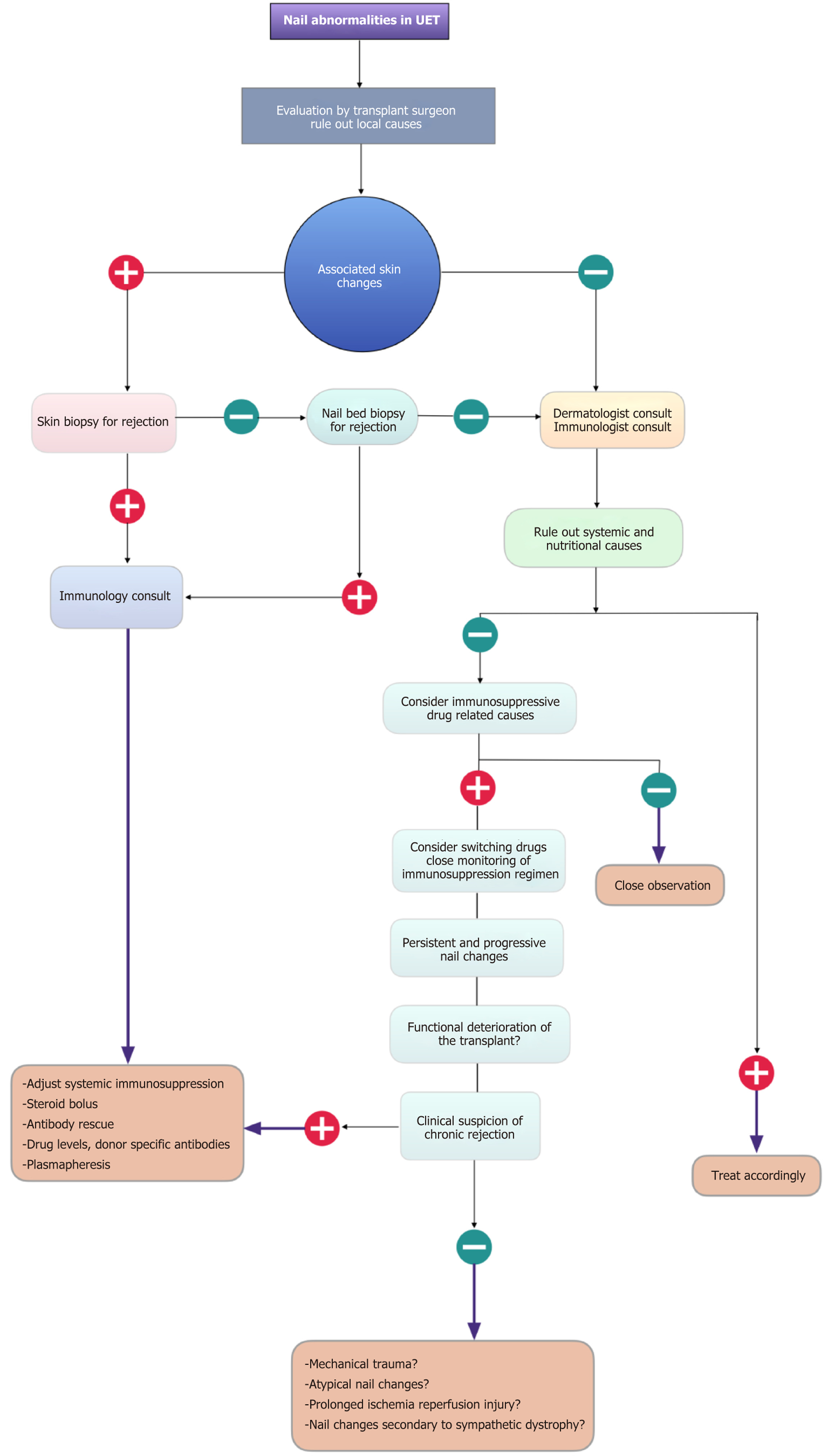
Figure 2 Diagnostic algorithm for nail abnormalities in vascularized composite allotransplantation patients.
The algorithm outlines a systematic approach to diagnosing and managing nail abnormalities observed in upper extremity transplantation patients. UET: Upper extremity transplantation.
- Citation: Kodali NA, Janarthanan R, Demir Z, Sazoglu B, Dirican OF, Tuder D, Zor F, Kulahci Y, Gorantla VS. Nail abnormalities in upper extremity transplantation: Perspectives and insights from systemic diseases and organ transplantation. World J Transplant 2026; 16(1): 113633
- URL: https://www.wjgnet.com/2220-3230/full/v16/i1/113633.htm
- DOI: https://dx.doi.org/10.5500/wjt.v16.i1.113633