
















Copyright: ©Author(s) 2026.
World J Exp Med. Jun 20, 2026; 16(2): 119306
Published online Jun 20, 2026. doi: 10.5493/wjem.v16.i2.119306
Published online Jun 20, 2026. doi: 10.5493/wjem.v16.i2.119306
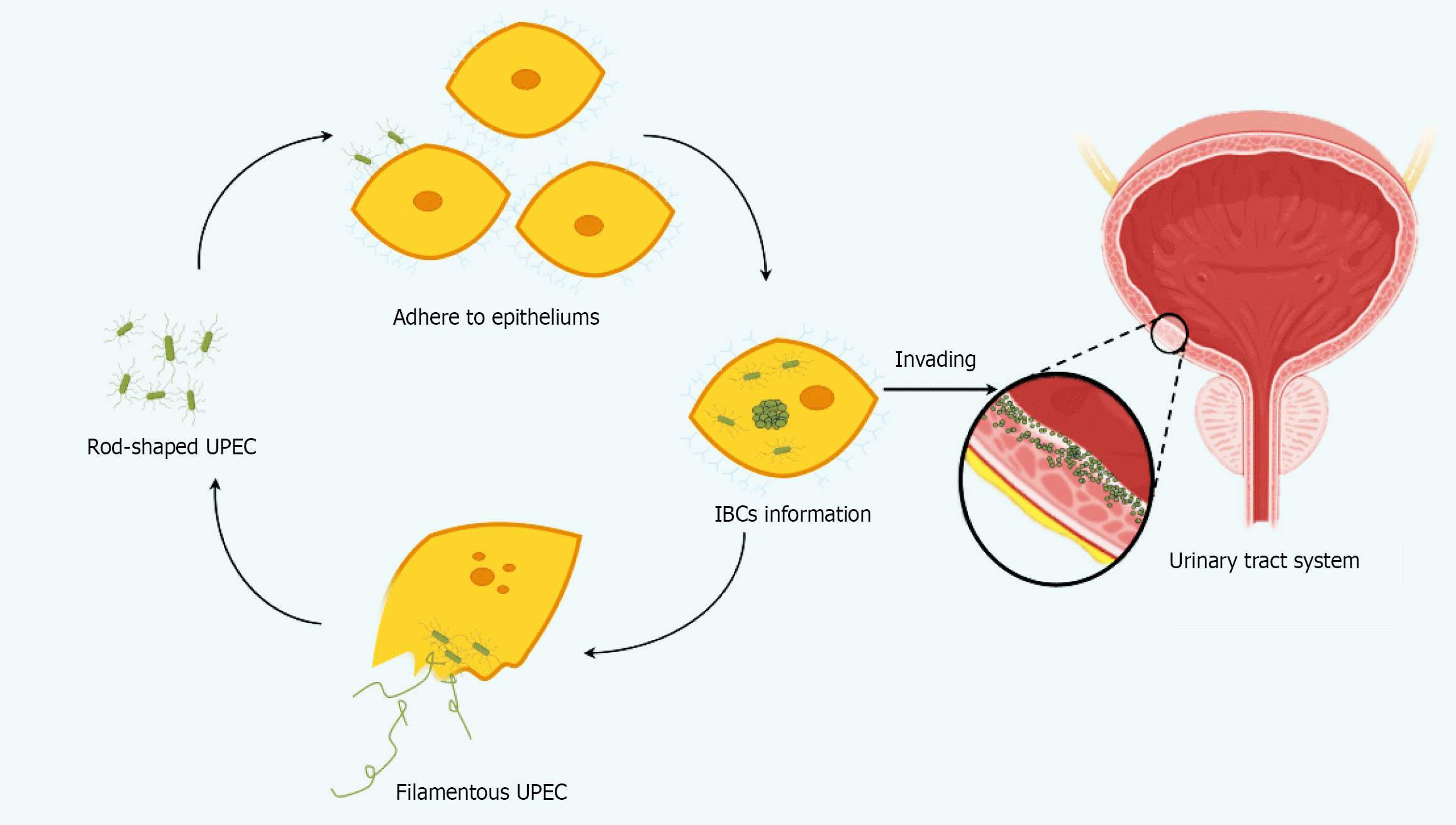
Figure 1 The morphological cycle of intracellular bacterial communities[8] (Supplementary material). IBC: Intracellular bacterial community; UPEC: Uropathogenic Escherichia coli.
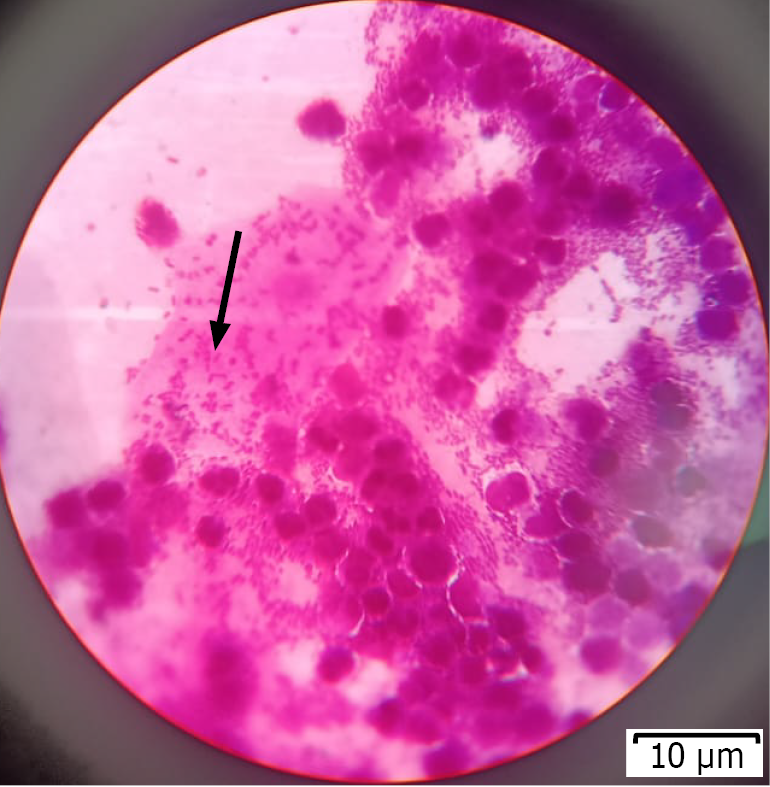
Figure 2
Sternheimer-Malbin staining shows bacteria as purple rod-shaped bacilli present within the urothelial cells (arrow).
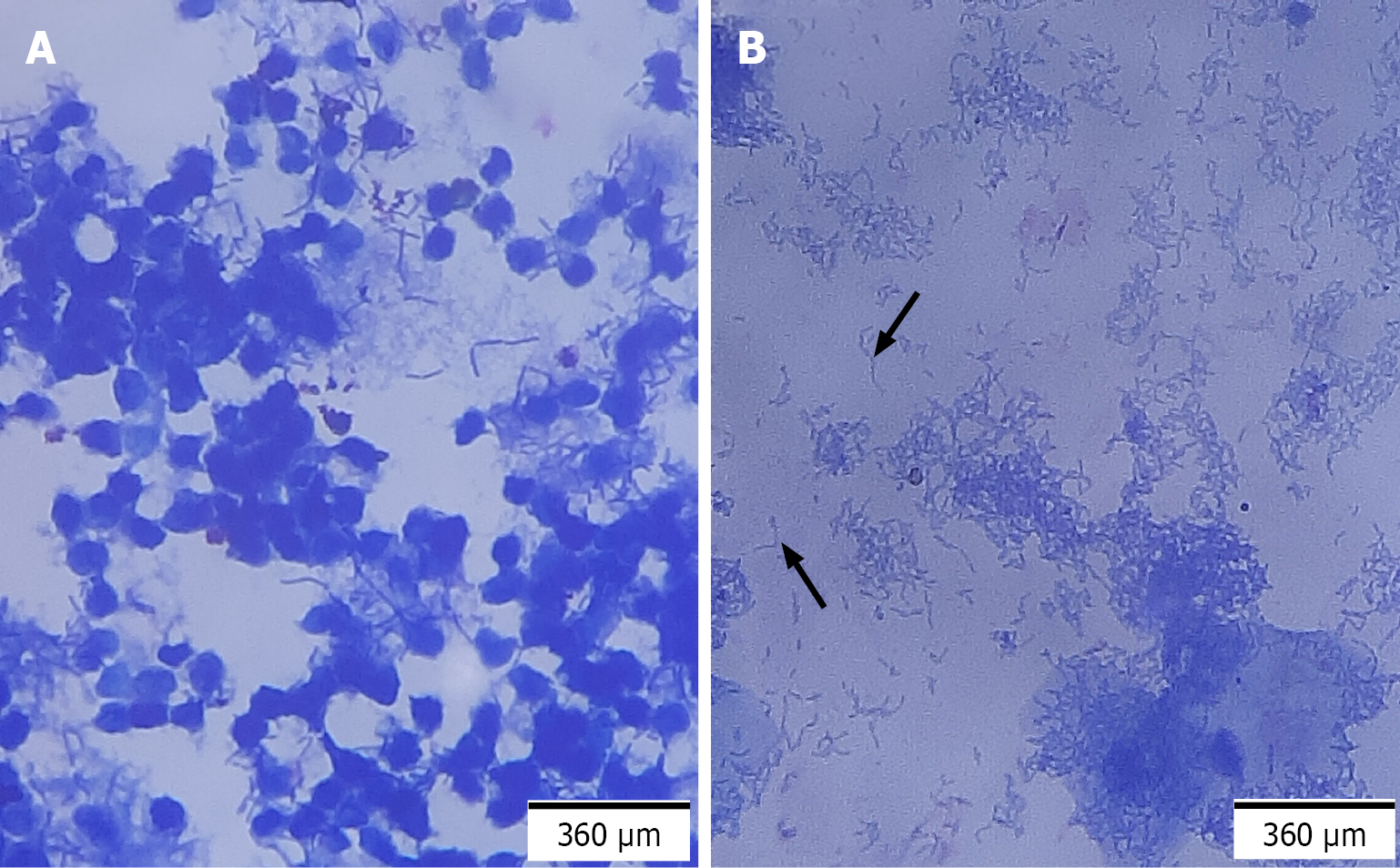
Figure 3 Wright-Giemsa stain.
A: Dense dark-blue bacterial cluster; B: Filamentous bacterial forms (indicated by arrows), highlighting elongated morphology suggestive of intracellular persistence.
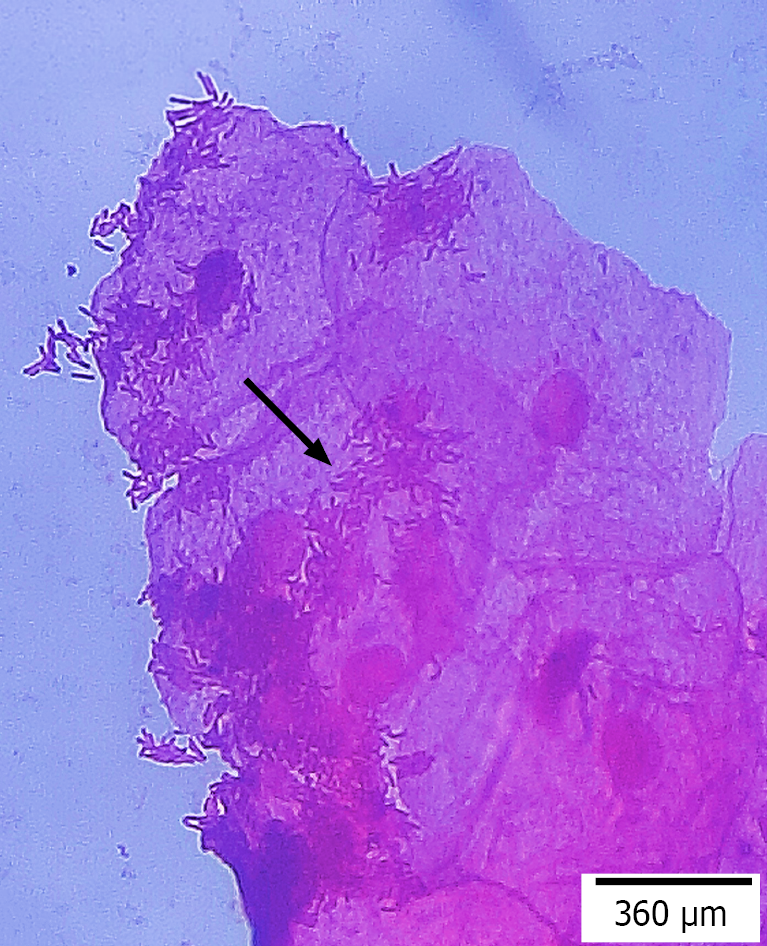
Figure 4
Safranin staining showing pink granules of bacterial colonies (arrow) observed within exfoliated urothelial cells.
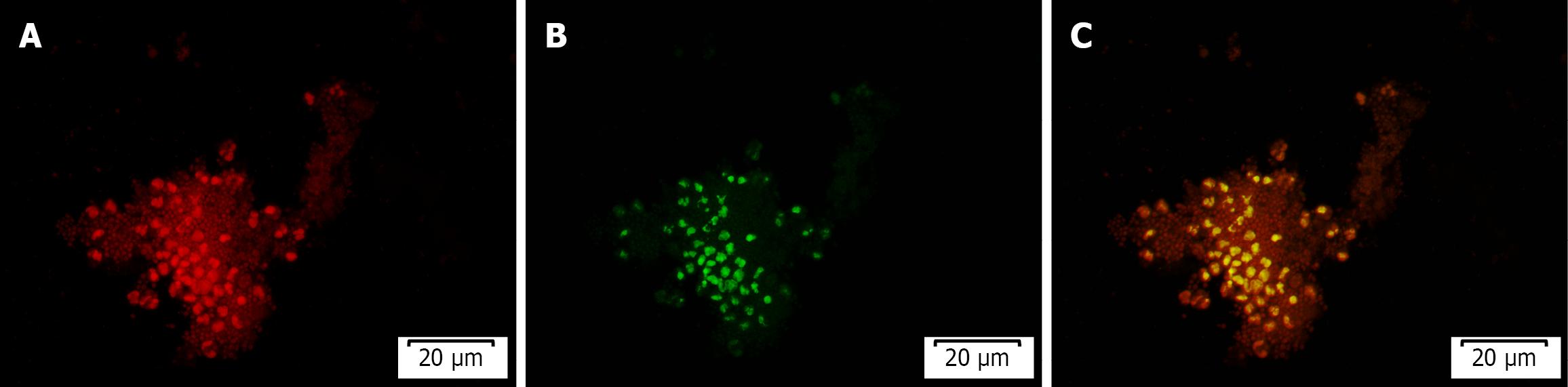
Figure 5 Immunofluorescence microscopy showing intracellular Escherichia coli within urothelial cells.
A: Red fluorescence indicating urothelial cell staining; B: Green fluorescence representing Escherichia coli-specific antibody labeling of bacterial aggregates; C: Merged image showing intracellular co-localization of red and green signals (orange), confirming intracellular bacterial communities.
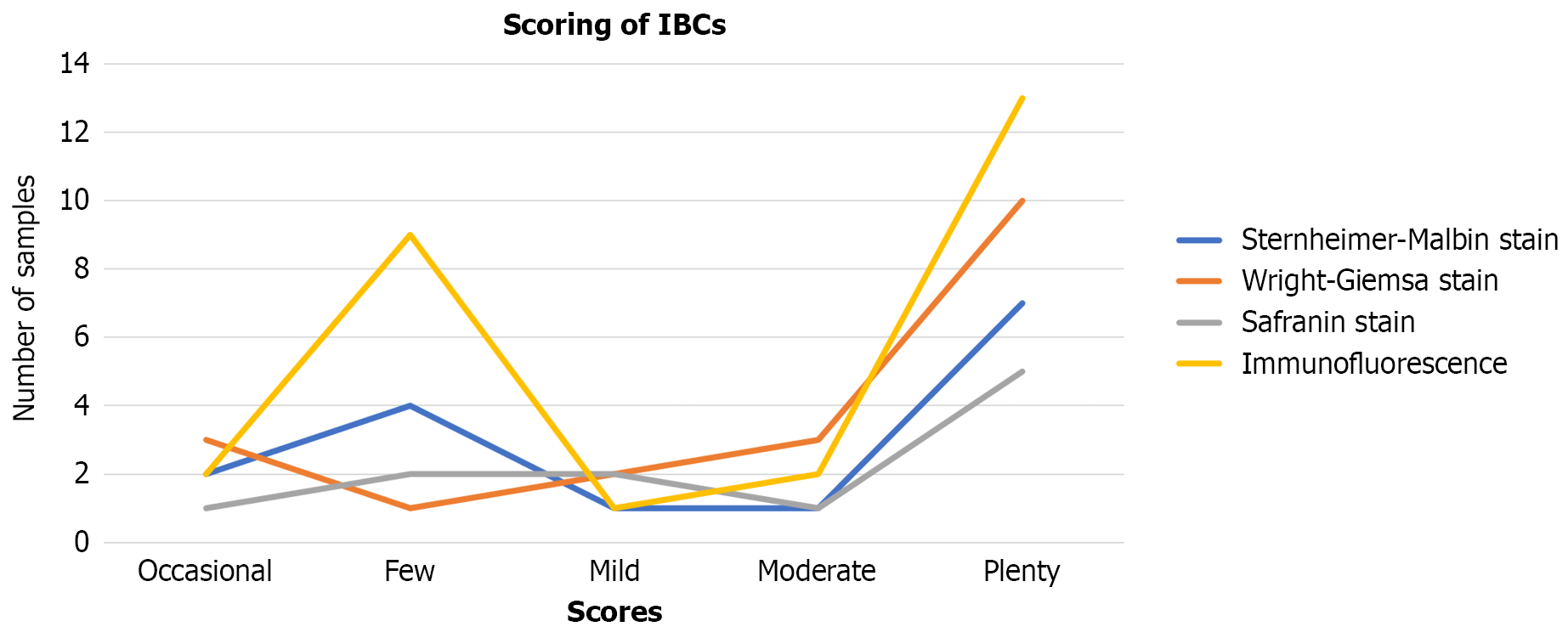
Figure 6 Scoring of intracellular bacterial communities within uroplakin cells by the four staining methods.
IBC: Intracellular bacterial community.
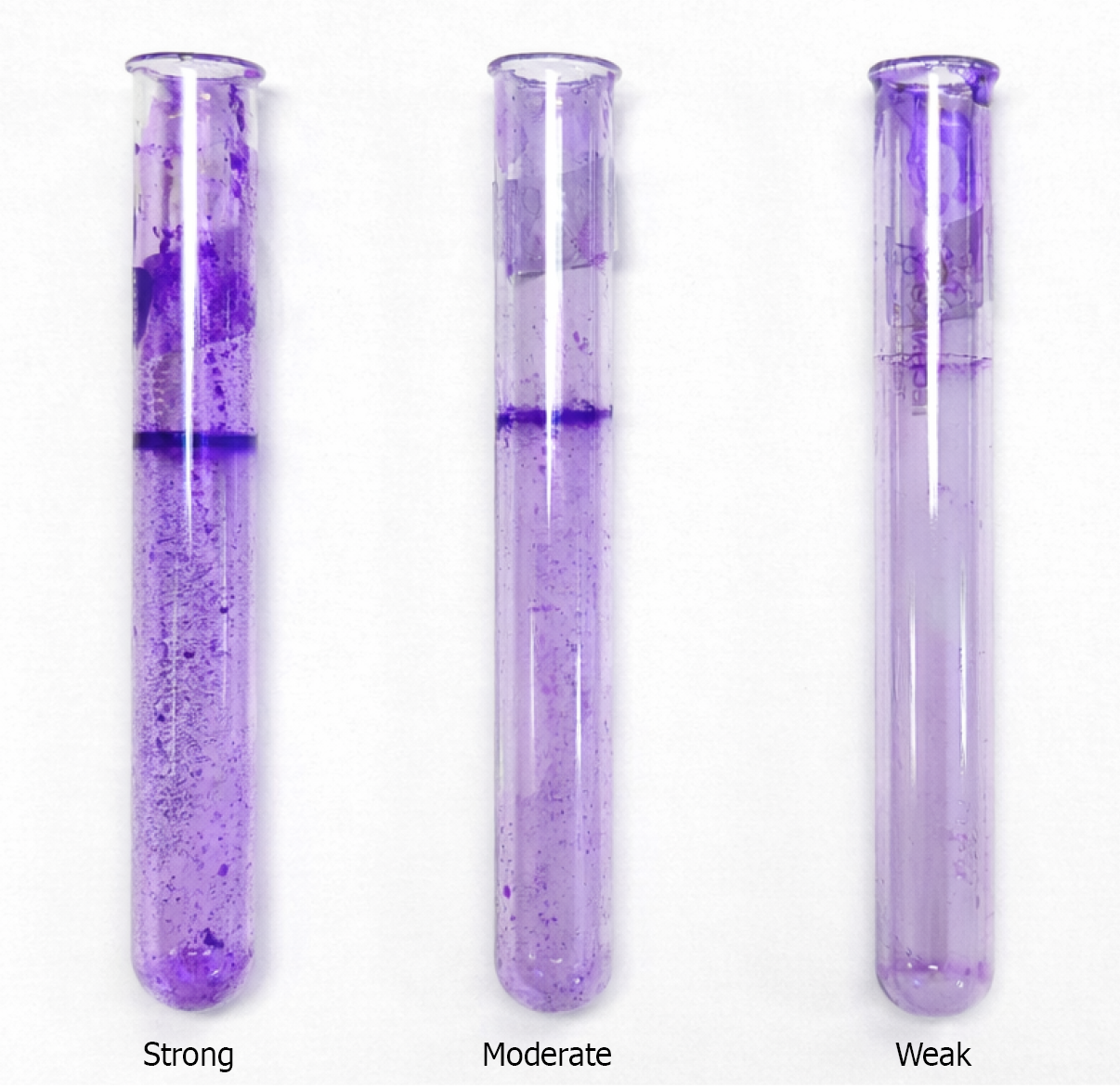
Figure 7
Test tube method showing biofilm formation from strong to weak.
- Citation: Pandey S, Aravaanan ASK, Bhaskar E, Silambanan S. Detection of intracellular bacterial communities and biofilms in urinary tract infections with Escherichia coli using staining protocols. World J Exp Med 2026; 16(2): 119306
- URL: https://www.wjgnet.com/2220-315x/full/v16/i2/119306.htm
- DOI: https://dx.doi.org/10.5493/wjem.v16.i2.119306