
















Copyright: ©Author(s) 2026.
World J Exp Med. Jun 20, 2026; 16(2): 117853
Published online Jun 20, 2026. doi: 10.5493/wjem.v16.i2.117853
Published online Jun 20, 2026. doi: 10.5493/wjem.v16.i2.117853
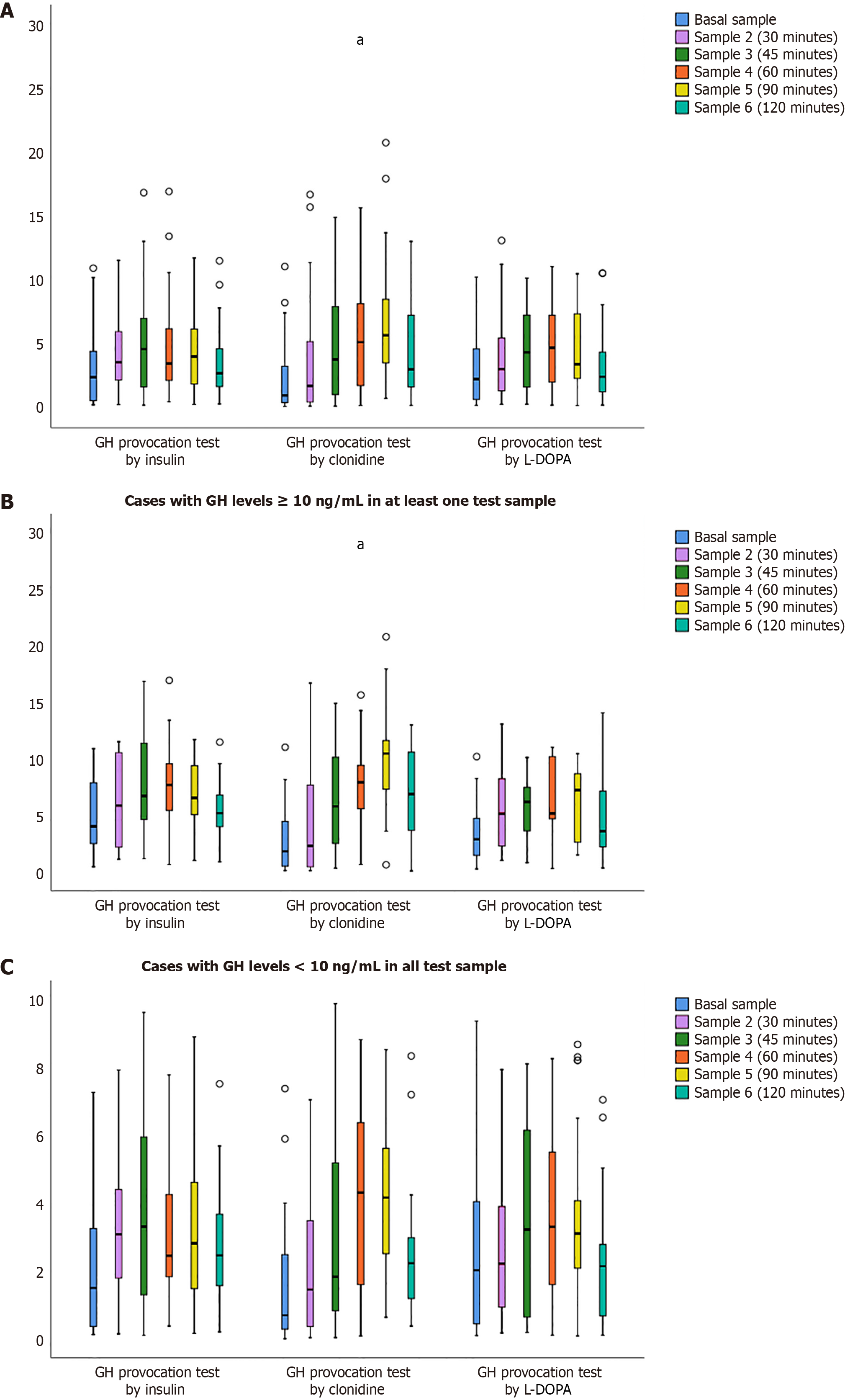
Figure 1 Comparing growth hormone levels.
A: Comparing growth hormone (GH) levels by different provocative tests (n = 50); B: Cases with GH levels ≥ 10 ng/mL in at least one test sample. GH provocation test by insulin (n = 14); GH provocation test by clonidine (n = 20); GH provocation test by levodopa (n = 19); C: Comparing GH response by different provocation tests in cases with GH levels < 10 ng/mL. GH provocation test by insulin (n = 36); GH provocation test by clonidine (n = 30); GH provocation test by levodopa (n = 31). aP < 0.05 vs the corresponding insulin tolerance test. GH: Growth hormone; L-DOPA: Levodopa.
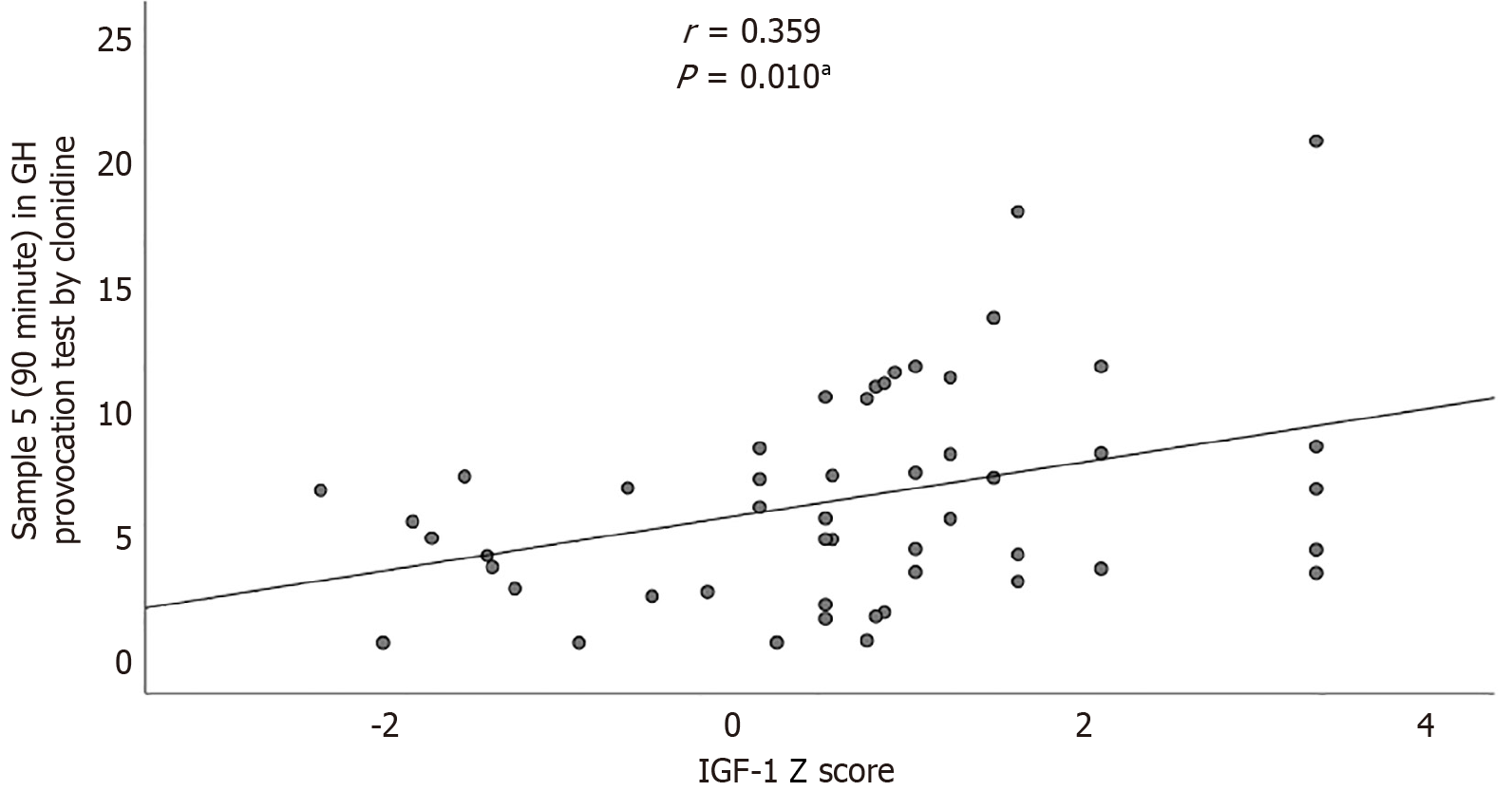
Figure 2 Positive correlation between insulin-like growth factor-1 Z score and clonidine test peak sample (at 90 minutes).
aMeans significant positive correlation (r = 0.359, P = 0.010). GH: Growth hormone; IGF-1: Insulin-like growth factor-1.
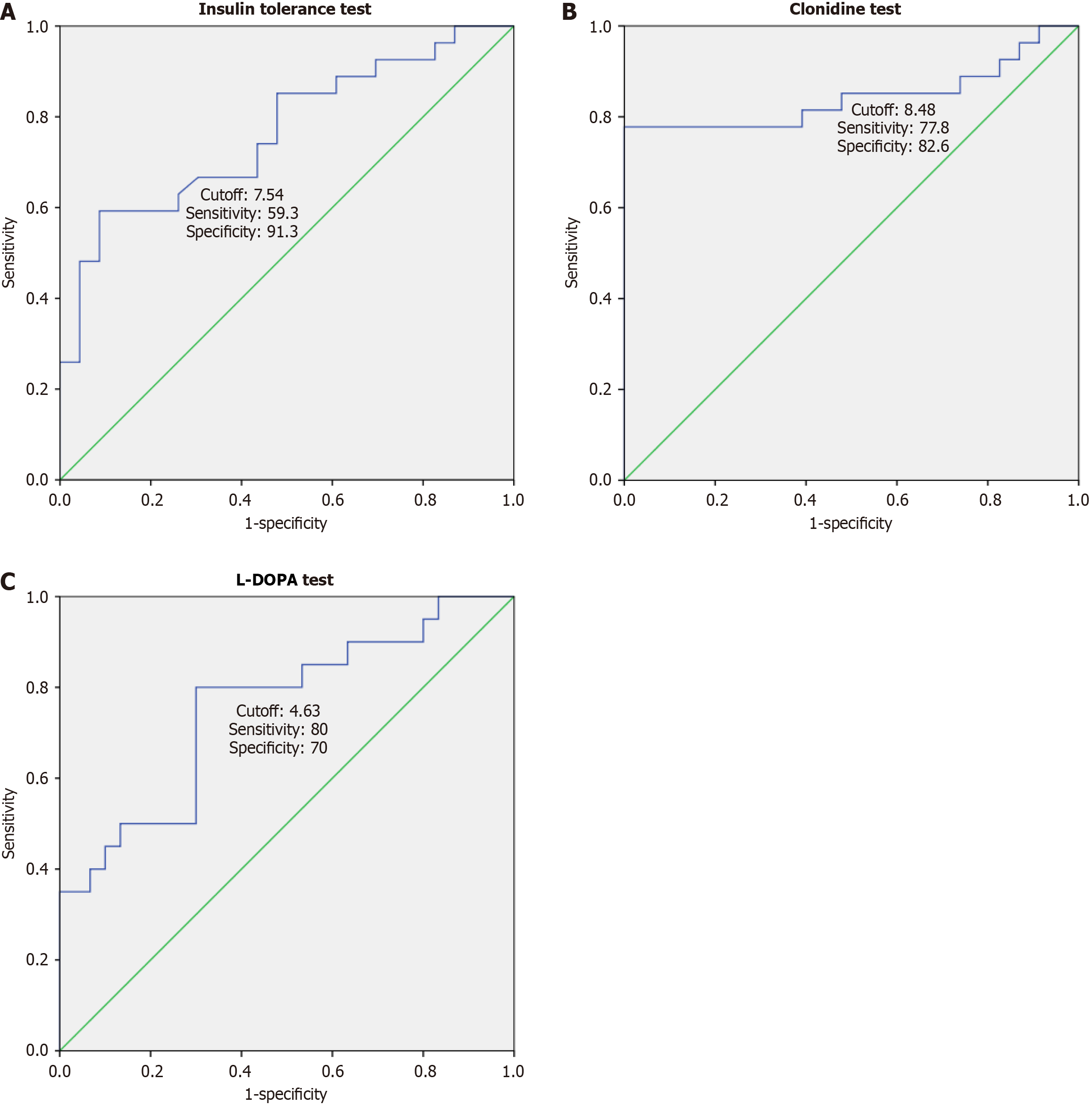
Figure 3 Performance characteristics of the optimal cut-off points of peak growth hormone responses to various provocative tests.
A: Growth hormone (GH) provocation test by Insulin; B: GH provocation test by clonidine; C: GH provocation test by levodopa. L-DOPA: Levodopa.
- Citation: Ahmed AEA, Hassan MH, Hamdan RS, Sakhr HM. Evaluation of growth hormone provocative tests in Egyptian children with growth hormone-related short stature. World J Exp Med 2026; 16(2): 117853
- URL: https://www.wjgnet.com/2220-315x/full/v16/i2/117853.htm
- DOI: https://dx.doi.org/10.5493/wjem.v16.i2.117853