
















©The Author(s) 2025.
World J Exp Med. Dec 20, 2025; 15(4): 114554
Published online Dec 20, 2025. doi: 10.5493/wjem.v15.i4.114554
Published online Dec 20, 2025. doi: 10.5493/wjem.v15.i4.114554
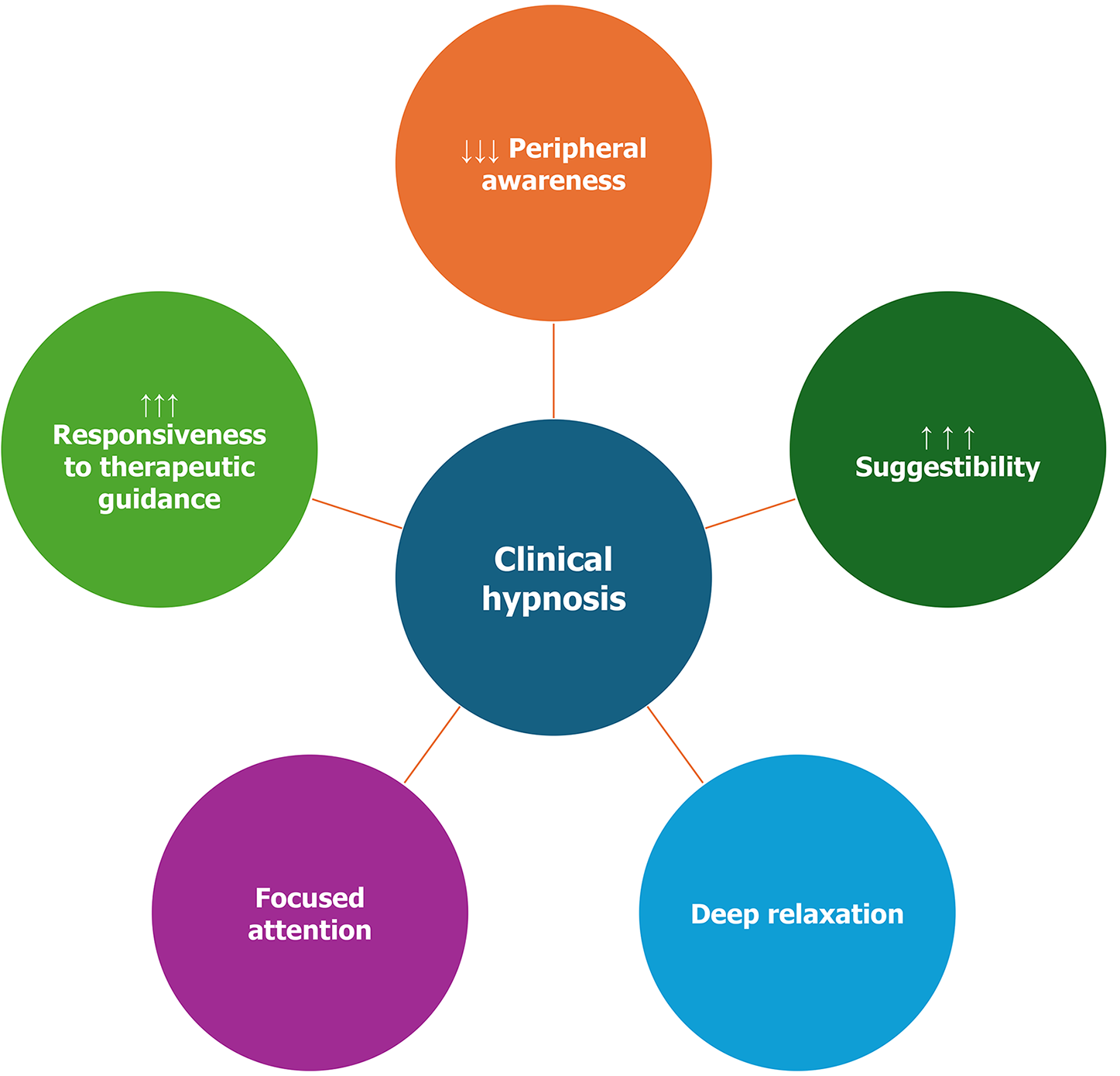
Figure 1
Core components of clinical hypnosis.
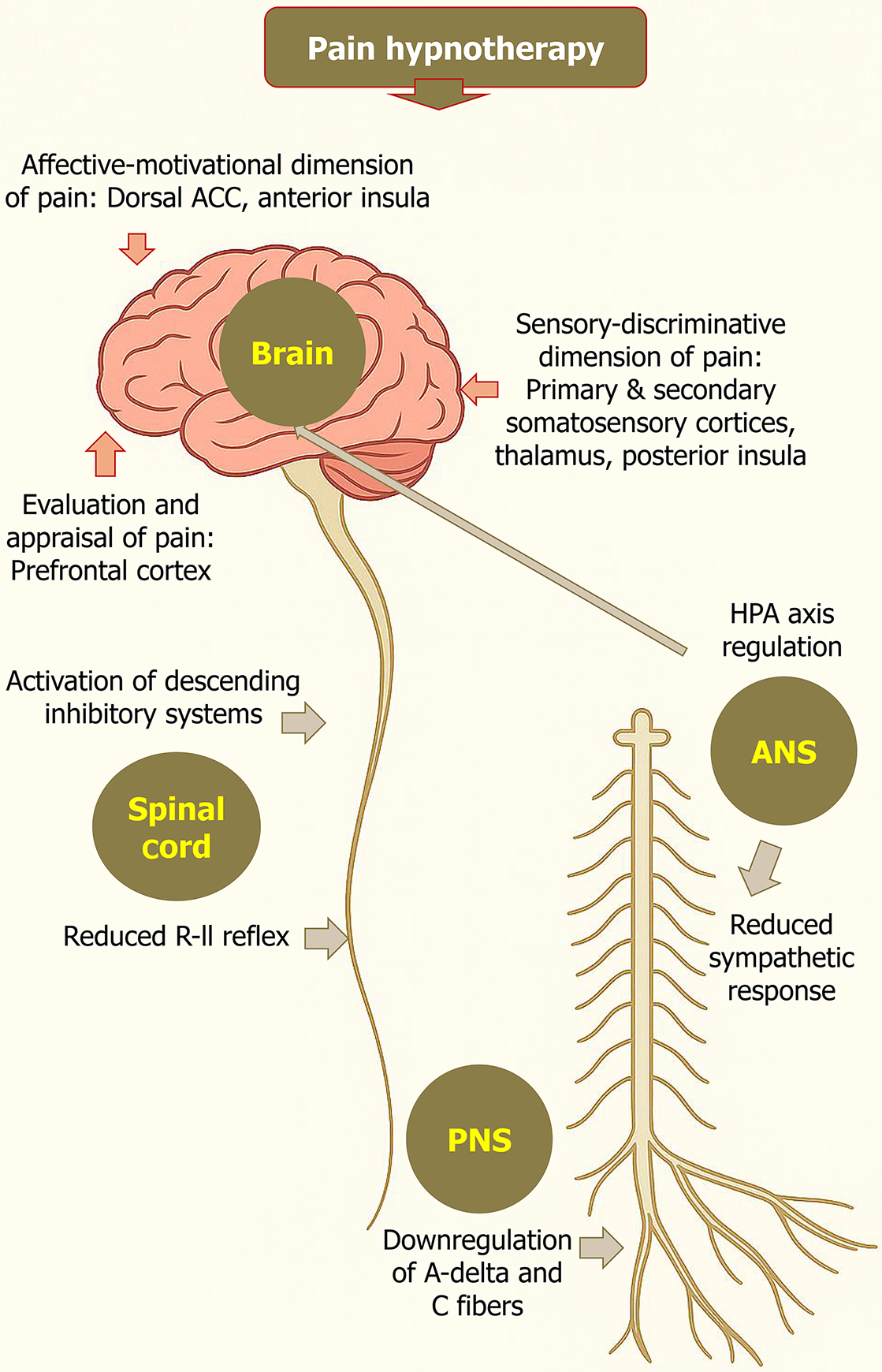
Figure 2 Neurocognitive modulation of pain by hypnotherapy.
This diagram illustrates how pain hypnotherapy initiates top-down neurocognitive modulation to influence pain perception. Pain is processed along two primary dimensions within the Brain: The sensory-discriminative dimension, involving the primary and secondary somatosensory cortices, thalamus, and posterior insula, which processes the location, intensity, and quality of pain. The affective-motivational dimension, processed by the dorsal anterior cingulate cortex and anterior insula, contributes to the unpleasantness and emotional response to pain. The prefrontal cortex plays a crucial role in evaluating and appraising pain, influencing how pain signals are interpreted and responded to. Hypnotherapy, by altering activity in these higher cortical regions, initiates several downstream effects on the spinal cord and peripheral nervous system: It leads to the activation of descending inhibitory systems that suppress pain signals. This central modulation contributes to a reduced R-II reflex (a spinal withdrawal reflex), indicating decreased spinal excitability. Furthermore, hypnotherapy influences the hypothalamic-pituitary-adrenal axis, a neuroendocrine system governed by the brain that modulates the body's stress response. These central influences also impact the autonomic nervous system, resulting in a reduced sympathetic response, which in turn lessens physiological reactions associated with pain and distress. Ultimately, these descending effects lead to the downregulation of A-delta and C fibers within the peripheral nervous system, which are the primary nerve fibers responsible for transmitting noxious (painful) stimuli from the periphery to the central nervous system. Together, these mechanisms highlight how hypnotherapy provides powerful top-down inhibitory control over the entire pain processing pathway. ACC: Anterior cingulate cortex; HPA: Hypothalamic-pituitary-adrenal; ANS: Autonomic nervous system; PNS: Peripheral nervous system.
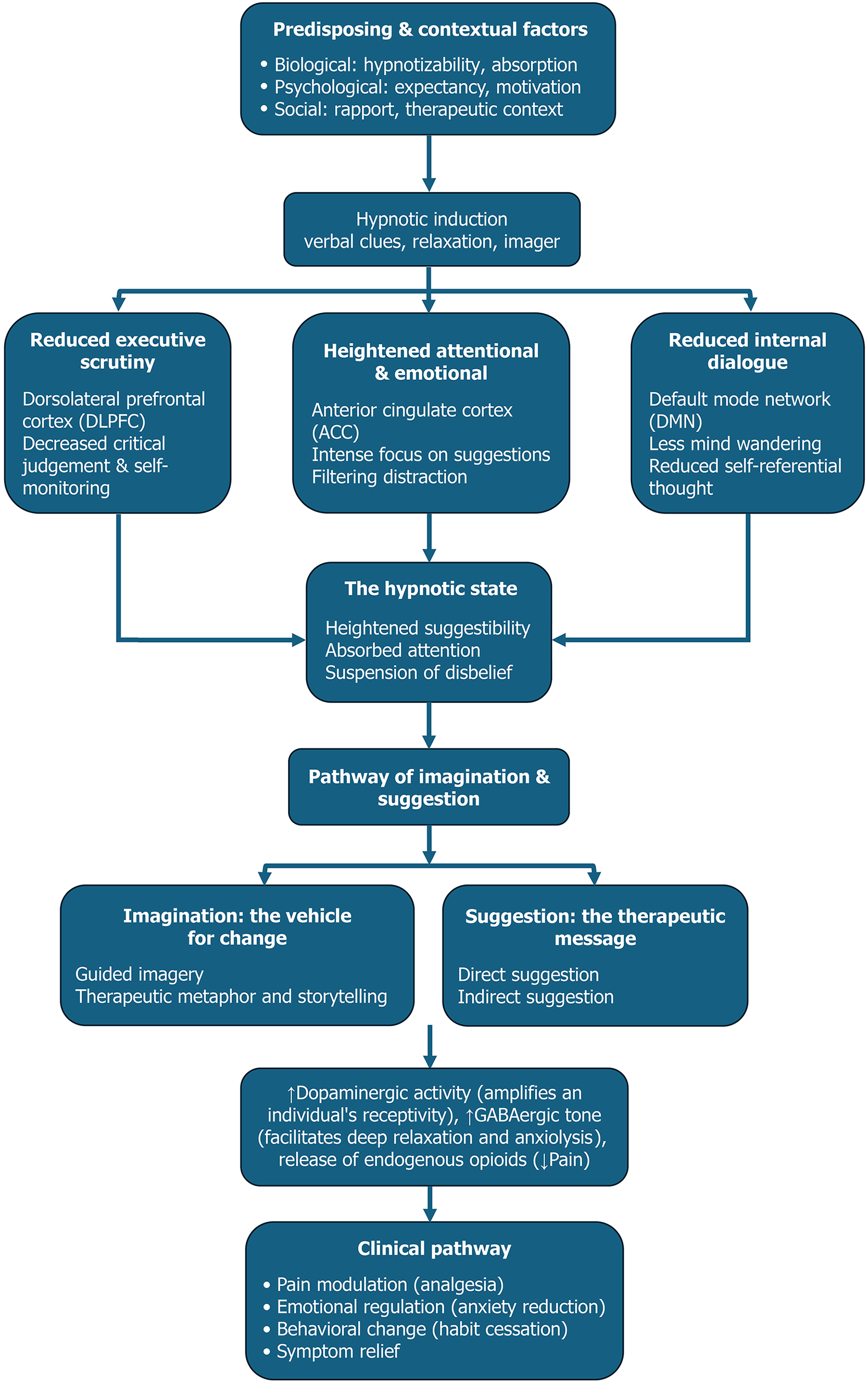
Figure 3 The neuro-cognitive pathway of hypnosis: From influencing factors to clinical outcomes.
This figure illustrates the layered process of clinical hypnosis, beginning with predisposing and contextual factors-biological, psychological, and social-that affect an individual's hypnotic responsiveness. Using verbal cues and imagery, hypnotic induction prompts changes in brain state, including decreased executive scrutiny, heightened attentional control, and reduced internal dialogue. These neurocognitive shifts create the hypnotic state, characterized by increased suggestibility and focused attention. Therapeutic techniques-such as guided imagery, metaphor, and both direct and indirect suggestion-are then applied, resulting in measurable clinical benefits like pain relief, emotional regulation, behavioral changes, and symptom improvement.
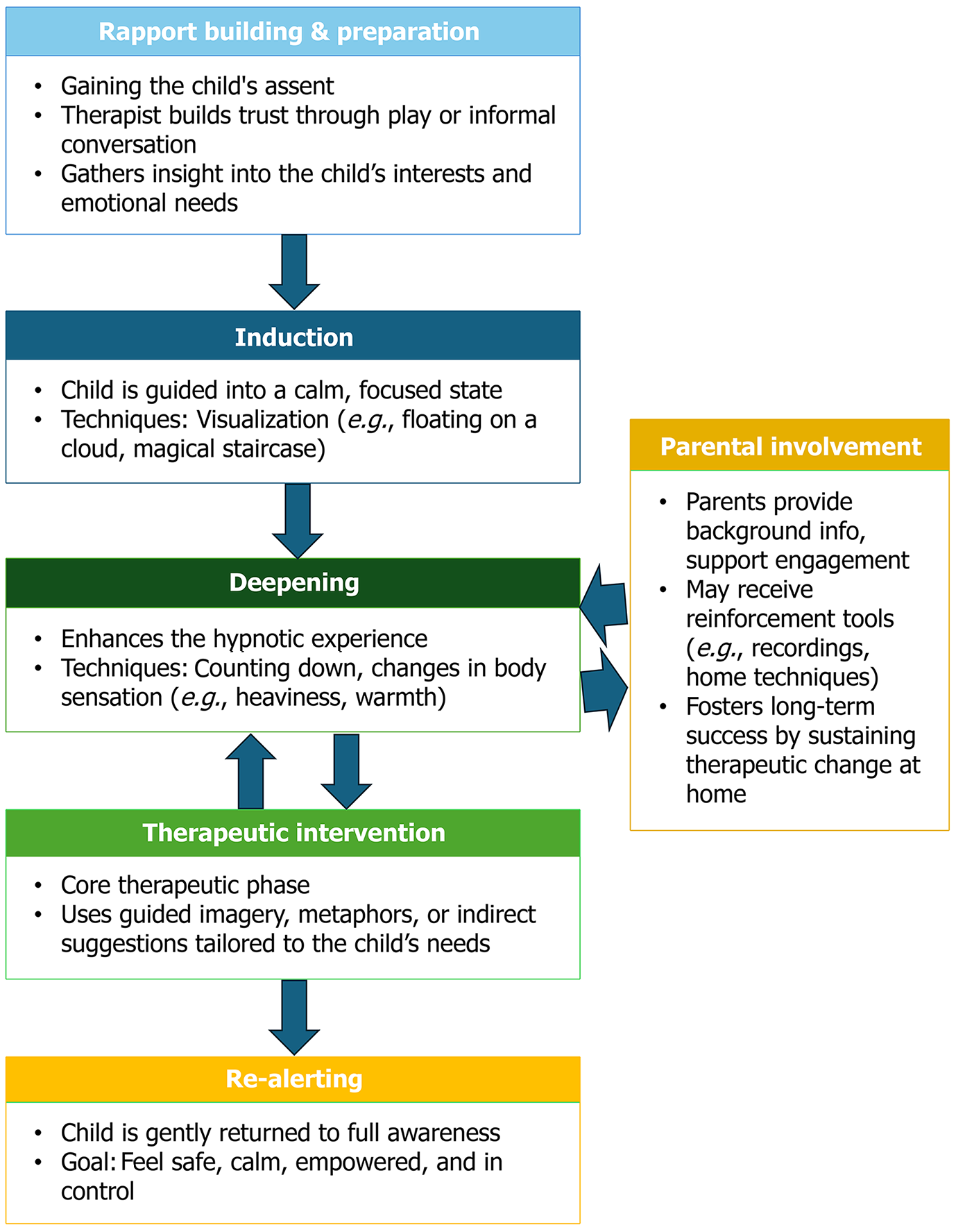
Figure 4 The core stages and dynamic components of pediatric hypnotherapy.
This figure illustrates the core stages and dynamic components of a child-centered hypnotherapy session. The process follows a structured yet flexible path, beginning with rapport building and securing the child's assent, before moving through induction and deepening techniques. The iterative nature of the process is highlighted by the arrow indicating that the deepening phase can be revisited as needed during the core therapeutic intervention. Crucially, the model emphasizes the reciprocal role of parental involvement as a continuous and collaborative partnership essential for therapeutic success. The session concludes with a gentle re-alerting phase designed to leave the child feeling safe, in control, and empowered by the experience.
- Citation: Al-Beltagi M. Clinical hypnosis in pediatric care: An adjunctive tool or therapeutic illusion. World J Exp Med 2025; 15(4): 114554
- URL: https://www.wjgnet.com/2220-315x/full/v15/i4/114554.htm
- DOI: https://dx.doi.org/10.5493/wjem.v15.i4.114554