
















©The Author(s) 2025.
World J Exp Med. Dec 20, 2025; 15(4): 107316
Published online Dec 20, 2025. doi: 10.5493/wjem.v15.i4.107316
Published online Dec 20, 2025. doi: 10.5493/wjem.v15.i4.107316
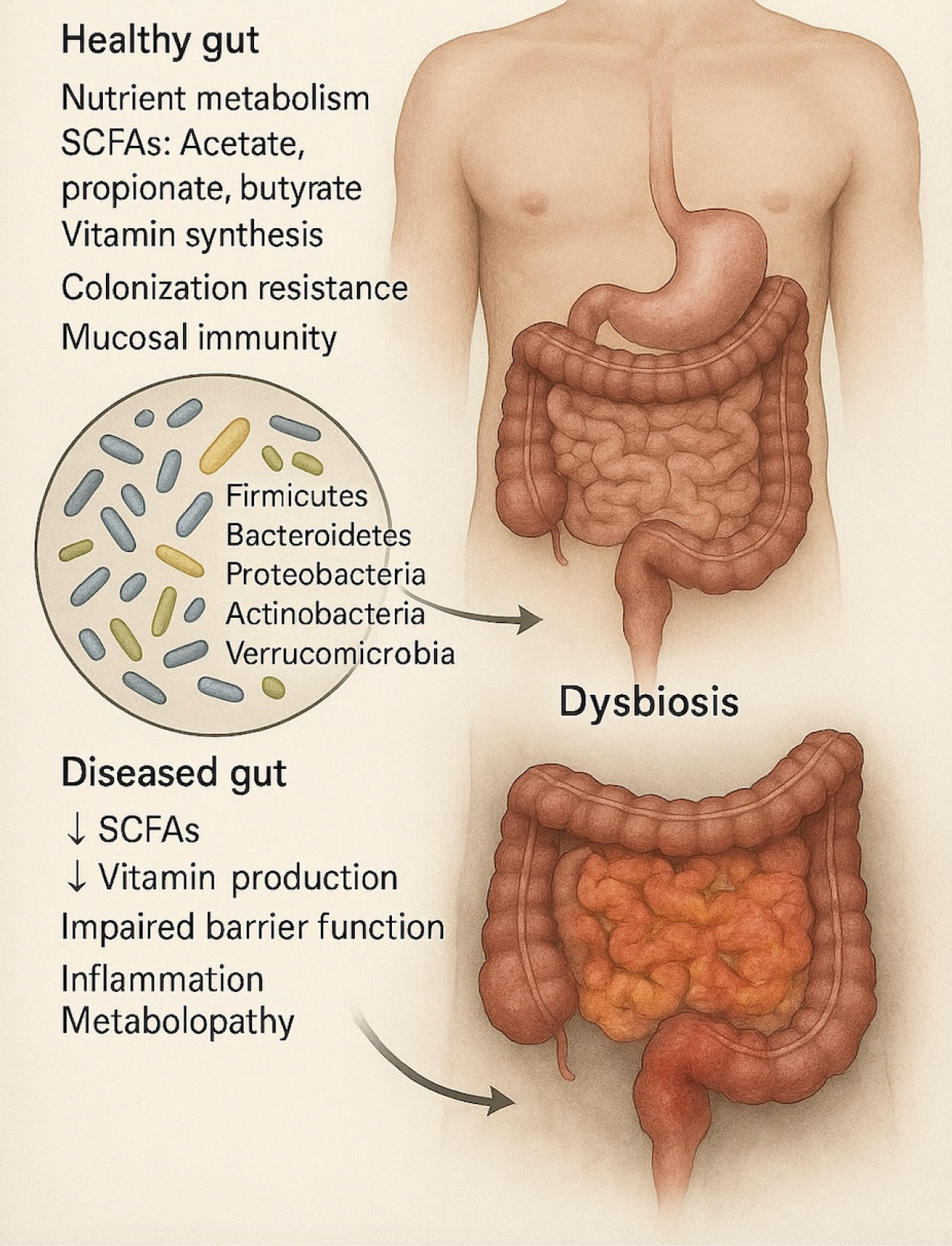
Figure 1 Gut microbiota and dysbiosis-associated changes.
The illustration compares a healthy gut with a dysbiotic gut. The healthy gut is characterized by balanced microbial populations (e.g., Firmicutes, Bacteroidetes, Proteobacteria, Actinobacteria, Verrucomicrobia), which contribute to nutrient metabolism, production of short-chain fatty acids (SCFAs): Acetate, propionate, butyrate), vitamin synthesis, colonization resistance, and mucosal immunity. Dysbiosis is marked by microbial imbalance, leading to decreased SCFAs and vitamin production, impaired gut barrier function, inflammation, and metabolic dysfunction (metabolopathy). These changes disrupt intestinal homeostasis and are implicated in various diseases. SCFAs: Short-chain fatty acids.
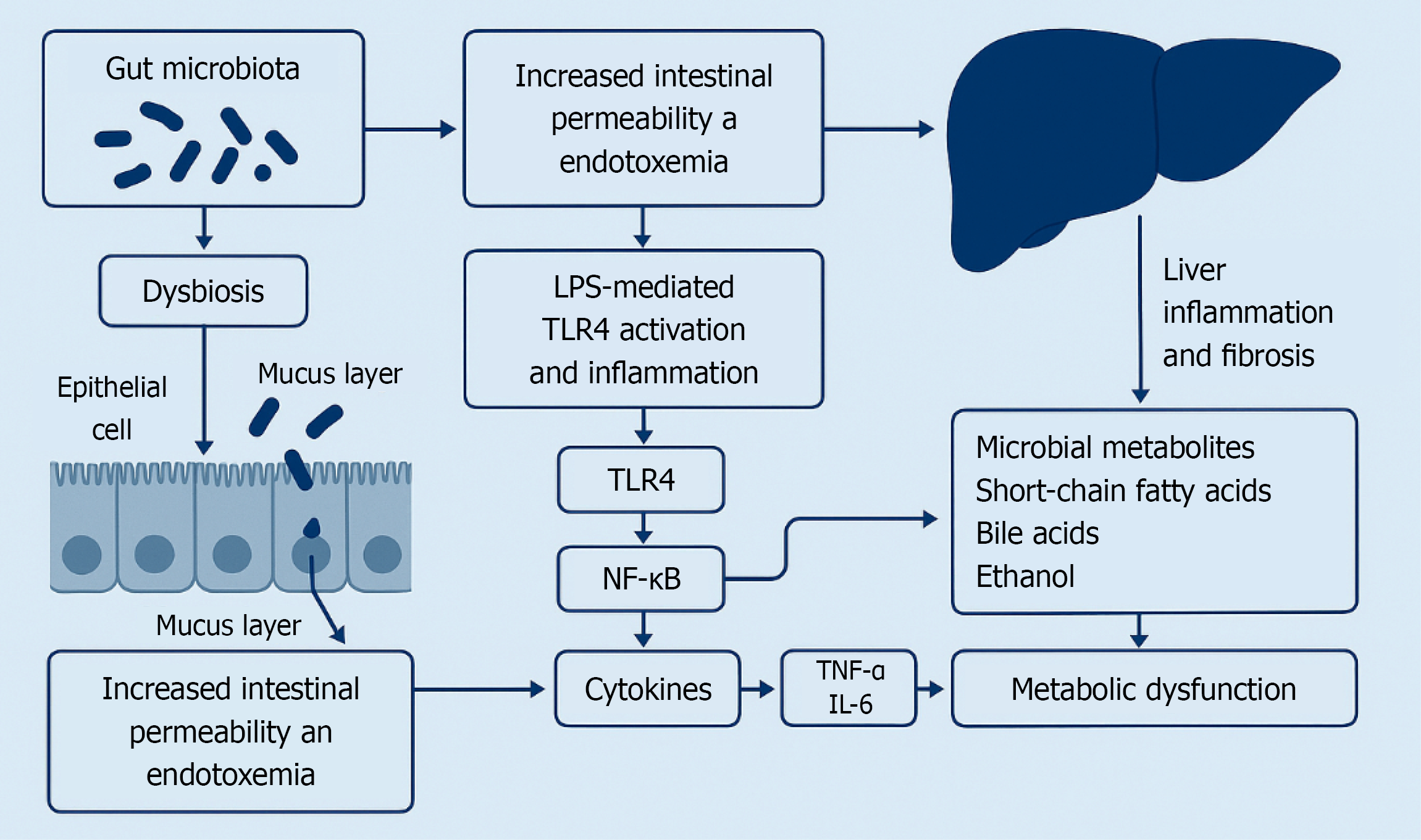
Figure 2 Schematic summary of the bidirectional communication in the gut–liver axis.
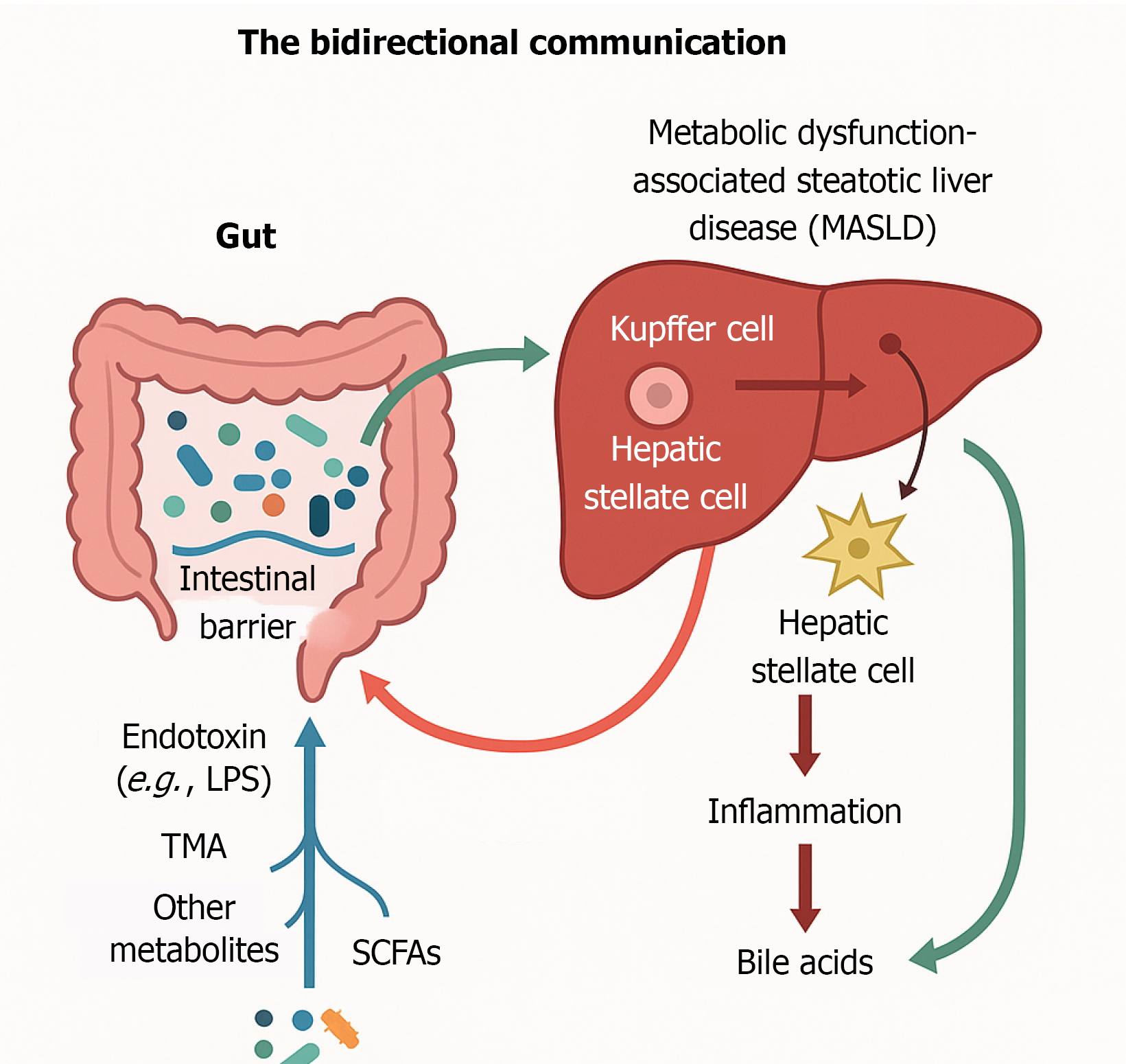
Figure 3 The bidirectional gut–liver communication through bile acids.
Bidirectional gut–liver communication illustrates how microbial metabolites and endotoxins disrupt the intestinal barrier and drive hepatic inflammation, while bile acids regulate gut homeostasis.
- Citation: Rusman RD, Akil F, Parewangi ML, Daud NA, Bachtiar R, Kusuma SH, Rifai A. Gut microbiota and metabolic-associated steatosis liver disease: Unveiling mechanisms and opportunities for therapeutic intervention. World J Exp Med 2025; 15(4): 107316
- URL: https://www.wjgnet.com/2220-315x/full/v15/i4/107316.htm
- DOI: https://dx.doi.org/10.5493/wjem.v15.i4.107316