
















Copyright: ©Author(s) 2026.
World J Exp Med. Jun 20, 2026; 16(2): 121046
Published online Jun 20, 2026. doi: 10.5493/wjem.v16.i2.121046
Published online Jun 20, 2026. doi: 10.5493/wjem.v16.i2.121046
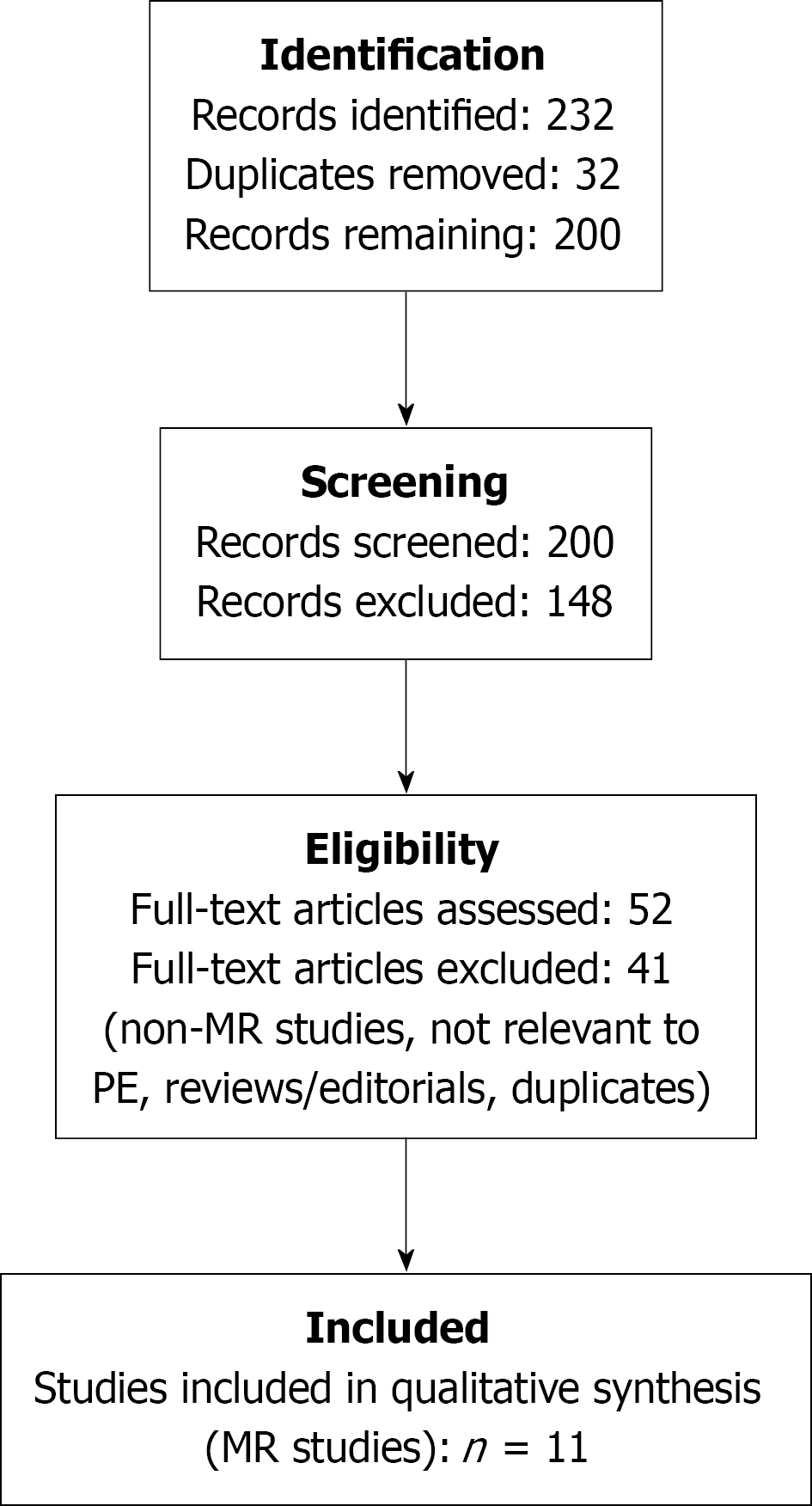
Figure 1 A PRISMA-style flow diagram summarizing the identification, screening, and selection of studies included in this narrative review.
A total of 232 records were identified through database searching, of which 200 remained after duplicate removal. Following title and abstract screening, 52 full-text articles were assessed for eligibility. Of these, 41 articles were excluded based on predefined criteria, including lack of relevance to pulmonary embolism, non-mendelian randomization methodology, duplicate records, and non-original publications. Ultimately, 11 studies were included in the qualitative synthesis. MR: Mendelian randomization.
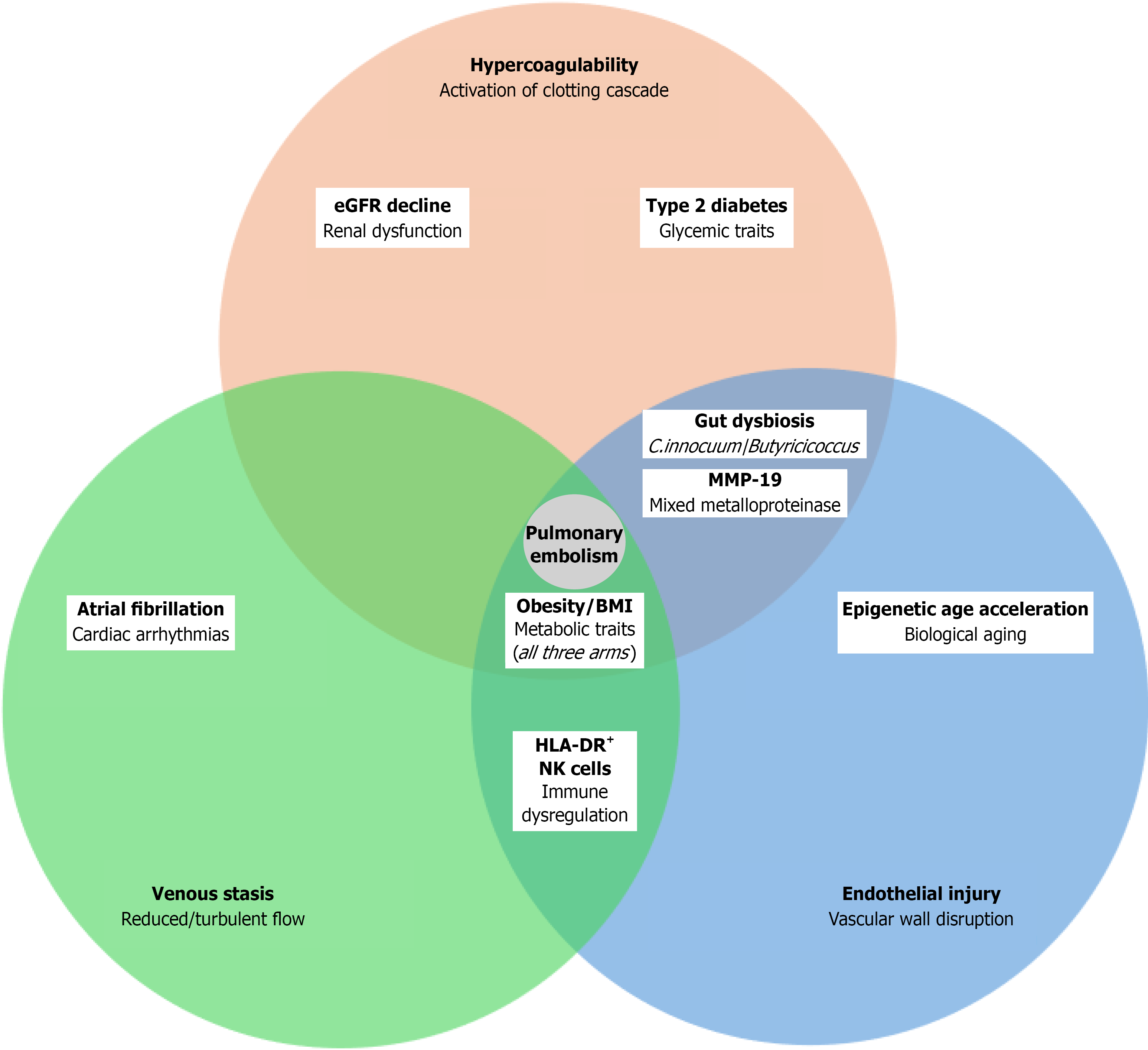
Figure 2 Virchow’s triad as a conceptual framework for Mendelian randomization-supported evidence and related biological pathways in pulmonary embolism.
Each circle represents one arm of Virchow’s triad. Risk factors identified in Mendelian randomization (MR) studies, as summarized in Table 1 , are mapped to their predominant mechanistic domain: Hypercoagulability includes epidermal growth factor receptor decline[29] and glycemic traits[43]; endothelial injury includes matrix metalloproteinases (MMP)-19/MMP-12[5] and epigenetic age acceleration[22]; venous stasis includes atrial fibrillation[48] and HLA-DR+ NK cells[35]; gut dysbiosis[25] spans hypercoagulability and endothelial injury; and obesity/body mass index[55] spans all three arms, reflecting its multifactorial prothrombotic effects. Notably, MR analyses did not support a causal association for type 2 diabetes[43], atrial fibrillation[48], or epigenetic age acceleration[22] with pulmonary embolism. BMI: Body mass index; MMP: Matrix metalloproteinases; eGFR: Estimated glomerular filtration rate.
- Citation: Desai R, Patel D, Prasad A, Mandalapu N, Nagarajan J, Guddeti A, Khatri S, Shahnawaz W, Aleem A, Mohammed AS, Yasmeen U, Ghani MU. Genetic and biological determinants of pulmonary embolism: Insights from Mendelian randomization studies. World J Exp Med 2026; 16(2): 121046
- URL: https://www.wjgnet.com/2220-315X/full/v16/i2/121046.htm
- DOI: https://dx.doi.org/10.5493/wjem.v16.i2.121046