
















Copyright: ©Author(s) 2026.
World J Exp Med. Jun 20, 2026; 16(2): 118250
Published online Jun 20, 2026. doi: 10.5493/wjem.v16.i2.118250
Published online Jun 20, 2026. doi: 10.5493/wjem.v16.i2.118250
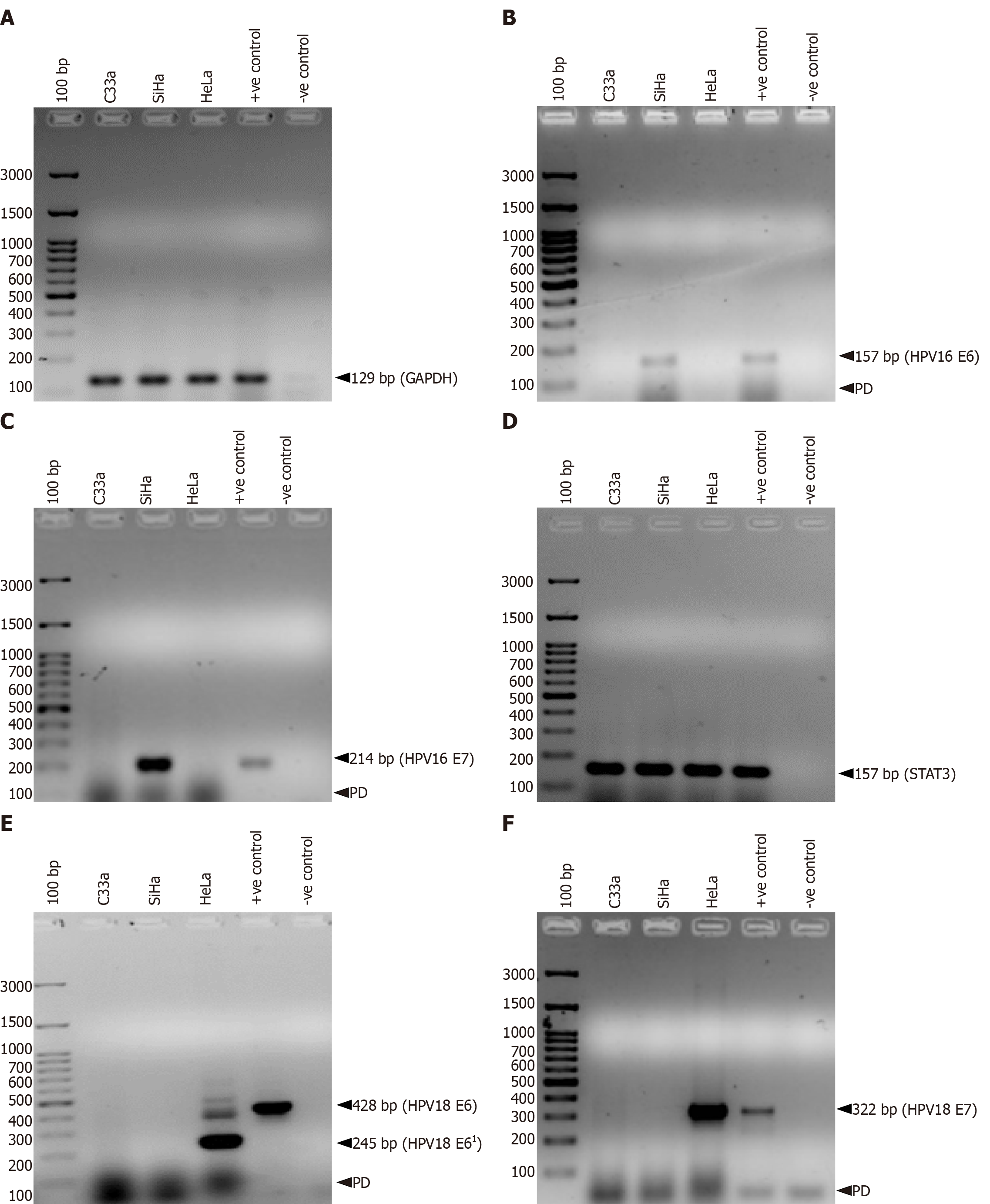
Figure 1 Analysis of human papillomavirus and signal transducer and activator of transcription 3 transcripts in cervical cancer cell line using real-time reverse transcription-polymerase chain reaction.
1Spliced variant of E6. A: Representative gel images showing amplicons of reverse transcriptase-glyceraldehyde-3-phosphate dehydrogenase; B: RT-human papillomavirus (HPV) 16 E6; C: RT-HPV16 E7; D: RT-signal transducer and activator of transcription 3; E: RT-HPV18 E6. In addition to the full-length HPV18 E6 transcript, a 245 bp amplicon corresponding to the spliced variant HPV18 E6 was observed; F: RT-HPV18 E7. RT-PCR: Real-time reverse transcription-polymerase chain reaction; GAPDH: Glyceraldehyde-3-phosphate dehydrogenase; HPV: Human papillomavirus; STAT3: Signal transducer and activator of transcription 3.
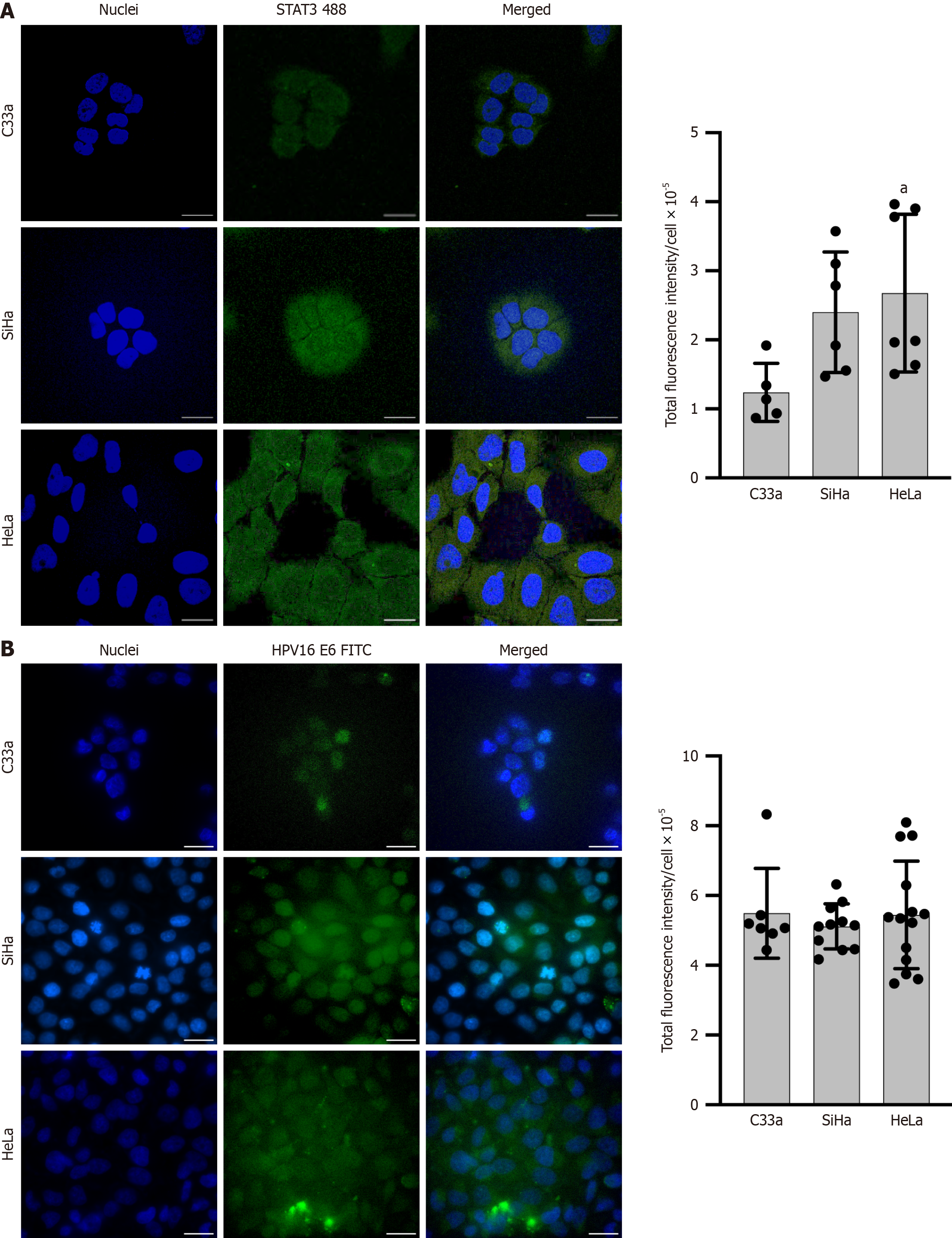
Figure 2 Evaluation and quantitation of signal transducer and activator of transcription 3 and human papillomavirus 16 E6 transcripts in CaCx cell lines using fluorescence microscopy.
Data are presented as mean ± SD. aP < 0.05 vs C33a. A: Representative fluorescence photomicrographs showing fluorescence intensity of signal transducer and activator of transcription 3 (STAT3); B: Representative fluorescence photomicrographs showing fluorescence intensity of human papillomavirus (HPV) 16 E6. CaCx cells were grown on cover glass, fixed with BD Permfix and stained with STAT3 probes labelled with Alexa Fluor 488 and biotin-linked HPV16 probes visualized with streptavidin-fluorescein isothiocyanate. Cells were counterstained with 4’,6-diamidino-2-phenylindole (blue) and examined at magnification 1000 ×. Bar graphs represent the mean fluorescence intensity of STAT3 and HPV16 E6 stained cells. HPV: Human papillomavirus; STAT3: Signal transducer and activator of transcription 3.
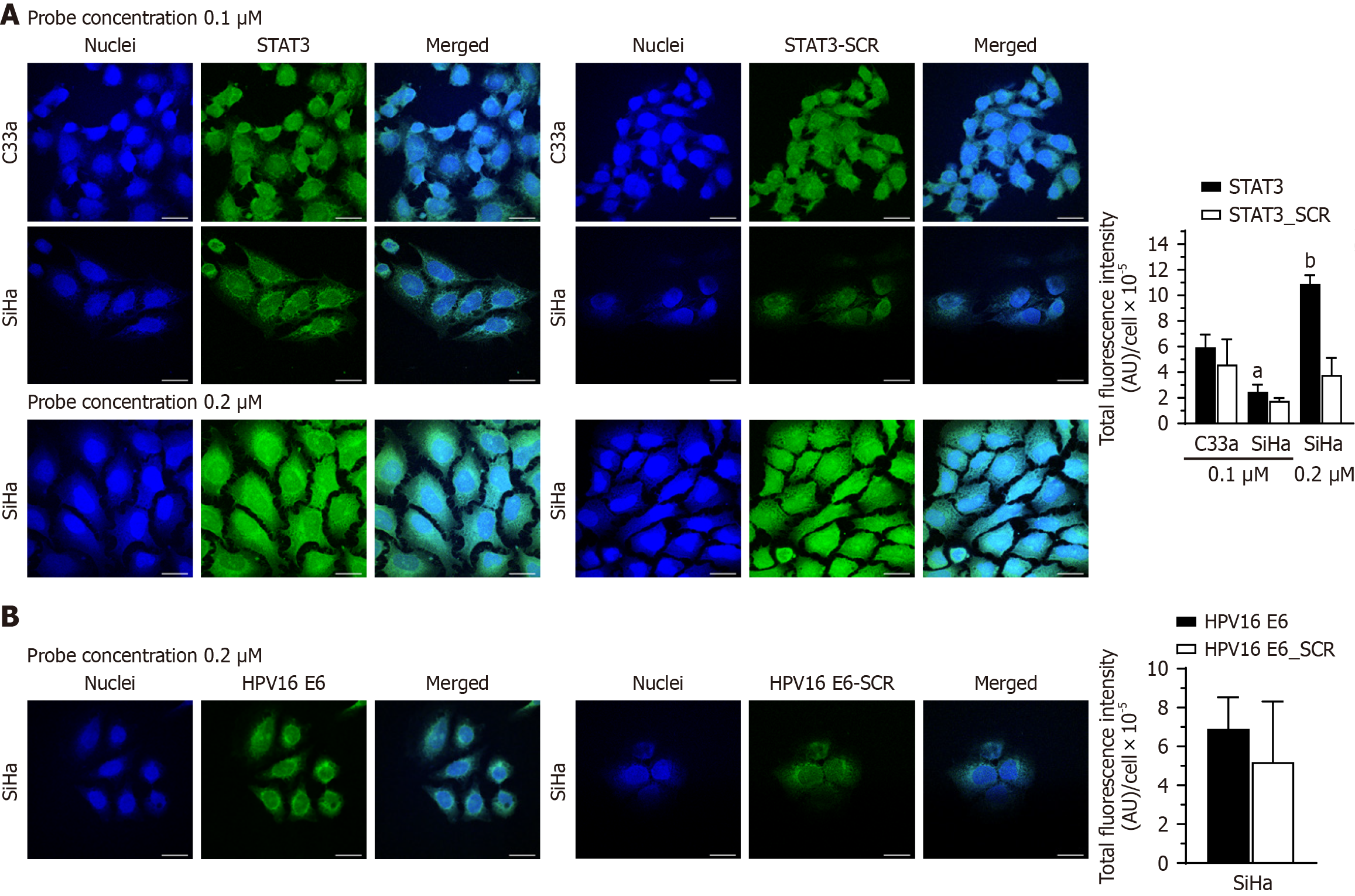
Figure 3 Estimation of specificity of signal transducer and activator of transcription 3 and human papillomavirus 16 E6 at different probe concentrations.
aP < 0.05 vs C33a scrambled, bP < 0.0001 vs SiHa scrambled. A: Representative fluorescence photomicrographs showing expression of signal transducer and activator of transcription 3 (STAT3) transcripts in C33a and SiHa at different concentrations of the probe. The upper panel represent the signal intensity at 0.1 μmol/L probe concentration and lower panel represent the signal intensity at 0.2 μmol/L probe concentration. Non-specific scrambled probe was used as a negative control to estimate the label of non-specific binding of the probe (scale bar: 20 μm). Bar graph showing fluorescence intensity of STAT3 probes and STAT3 scrambled probes; B: Representative fluorescence photomicrographs showing expression of human papillomavirus (HPV) 16 E6E7 transcripts in SiHa (scale bar: 20 μm). HPV16E6 scrambled probe was used as a negative control to estimate the specificity of the probe. Bar graph showing fluorescence intensity of HPV16 E6 probes and HPV16 E6 scrambled probes in SiHa. HPV: Human papillomavirus; STAT3: Signal transducer and activator of transcription 3; SCR: Single locus scrambled probes.
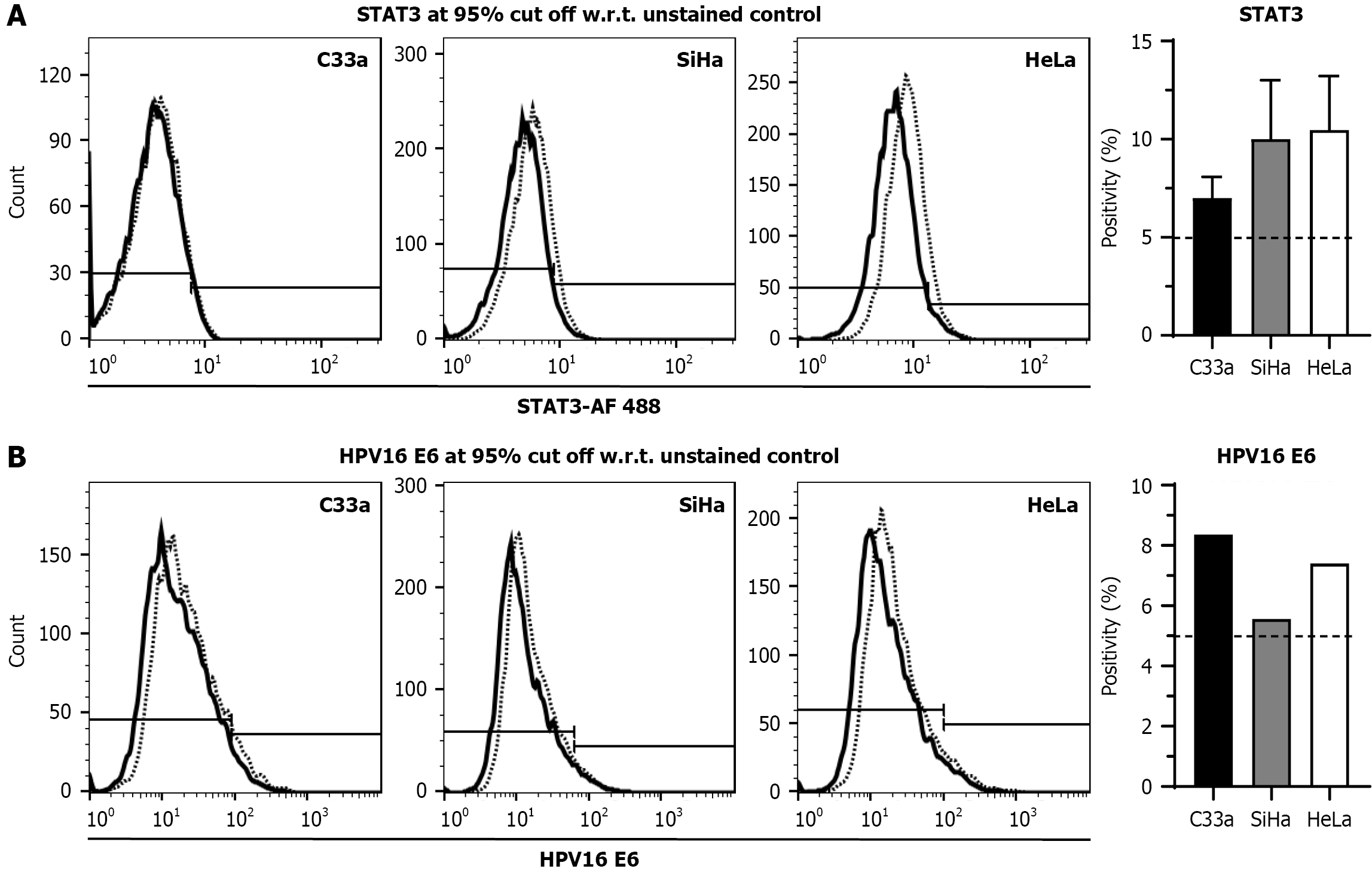
Figure 4 Evaluation and quantitation of signal transducer and activator of transcription 3 and human papillomavirus 16 E6 transcripts using flow-cytometry.
The bar graph shows the percent population of signal transducer and activator of transcription 3 and human papillomavirus 16 E6 positive cells in cervical cancer cell lines. Horizontal dotted bar represents the cutoff of 5% with respect to unstained control. A: Flow-cytometric evaluation of cervical cancer cells hybridized to signal transducer and activator of transcription 3 probes; B: Flow-cytometric evaluation of cervical cancer cells hybridized to human papillomavirus 16 E6 probes. HPV: Human papillomavirus; STAT3: Signal transducer and activator of transcription 3.
- Citation: Chhokar A, Joshi U, Tripathi T, Gupta B, Mudassir M, Janjua D, Chaudhary A, Yadav J, Aggarwal N, Jaggi VK, Bharti AC. Quantitative assessment of STAT3 and HPV16 E6 transcripts using Flow-FISH approach for early detection of progressive cervical lesions. World J Exp Med 2026; 16(2): 118250
- URL: https://www.wjgnet.com/2220-315X/full/v16/i2/118250.htm
- DOI: https://dx.doi.org/10.5493/wjem.v16.i2.118250