
















Copyright: ©Author(s) 2026.
World J Crit Care Med. Sep 9, 2026; 15(3): 119925
Published online Sep 9, 2026. doi: 10.5492/wjccm.119925
Published online Sep 9, 2026. doi: 10.5492/wjccm.119925
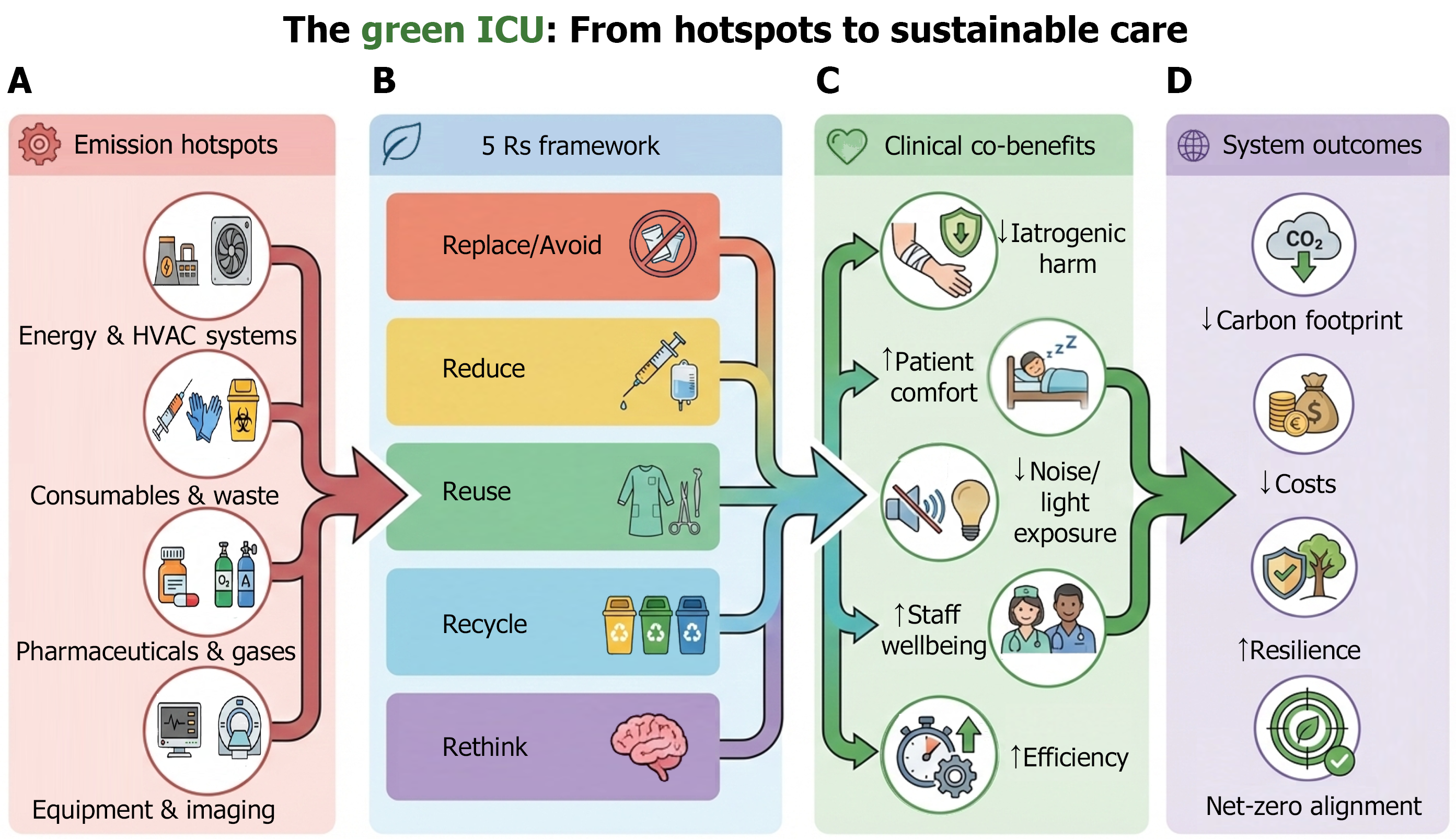
Figure 1 The green intensive care unit framework: From emission hotspots to sustainable critical care.
Conceptual framework illustrating the major emission hotspots in intensive care units, the 5 Rs implementation framework (replace/avoid, reduce, reuse, recycle, rethink), associated clinical co-benefits, and downstream system-level outcomes. The framework demonstrates how targeted interventions in high-impact domains can simultaneously reduce environmental footprint, improve quality of care, and support health-system sustainability. A: Emission hotspots; B: Rs framework; C: Clinical co-benefits; D: System outcomes. ICU: Intensive care unit; HVAC: Heating, ventilation and air conditioning.
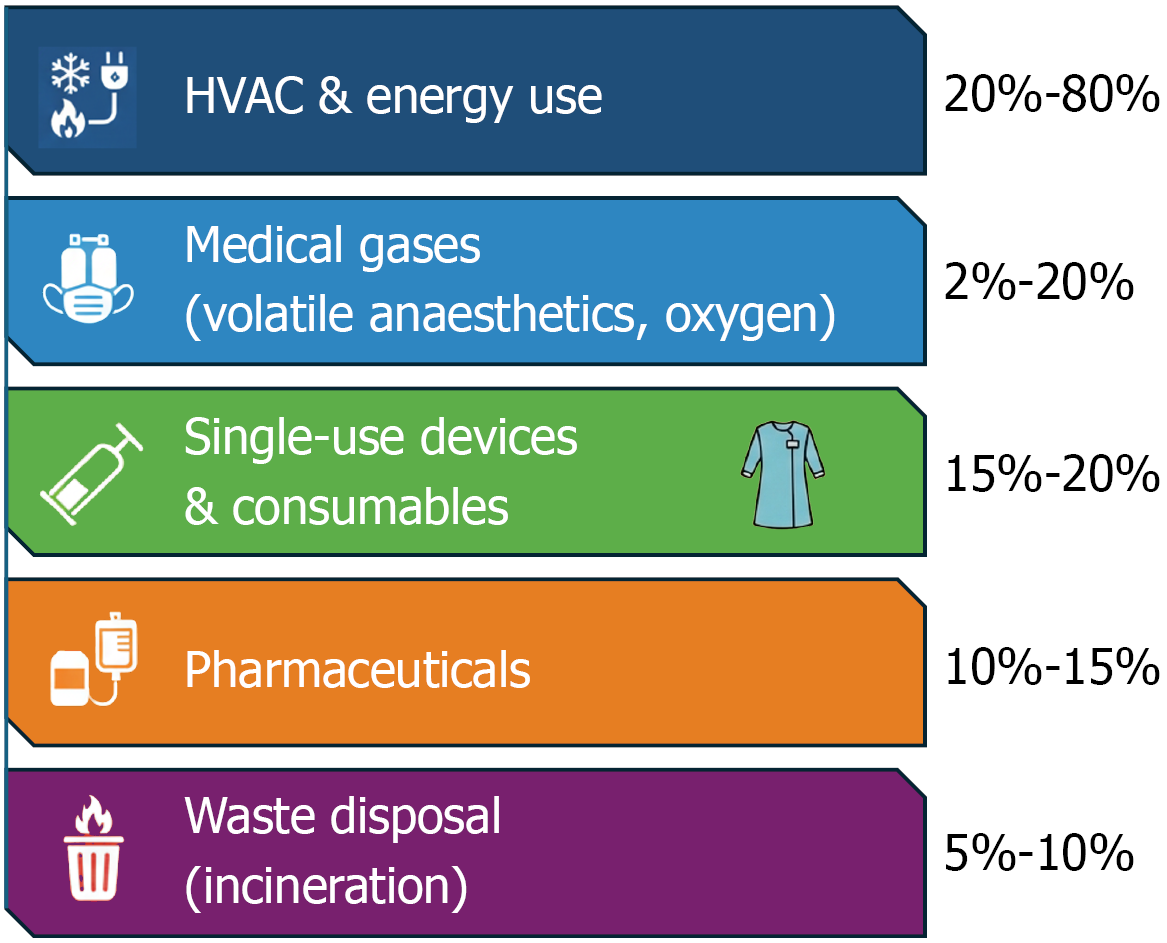
Figure 2 Carbon hotspots in the intensive care unit.
Approximate contribution of major emission sources to the total intensive care unit (ICU) carbon footprint, based on published healthcare life-cycle assessment and sustainability reports. Energy use-predominantly heating, ventilation, and air conditioning systems-accounts for the largest share, followed by medical gases, single-use devices and consumables, pharmaceuticals, and waste disposal. Ranges are illustrative as they are derived from heterogeneous studies with different system boundaries, energy mixes, allocation methods, and included emission categories; they should not be interpreted as components of a single universal ICU carbon-footprint profile. HVAC: Heating, ventilation and air conditioning.
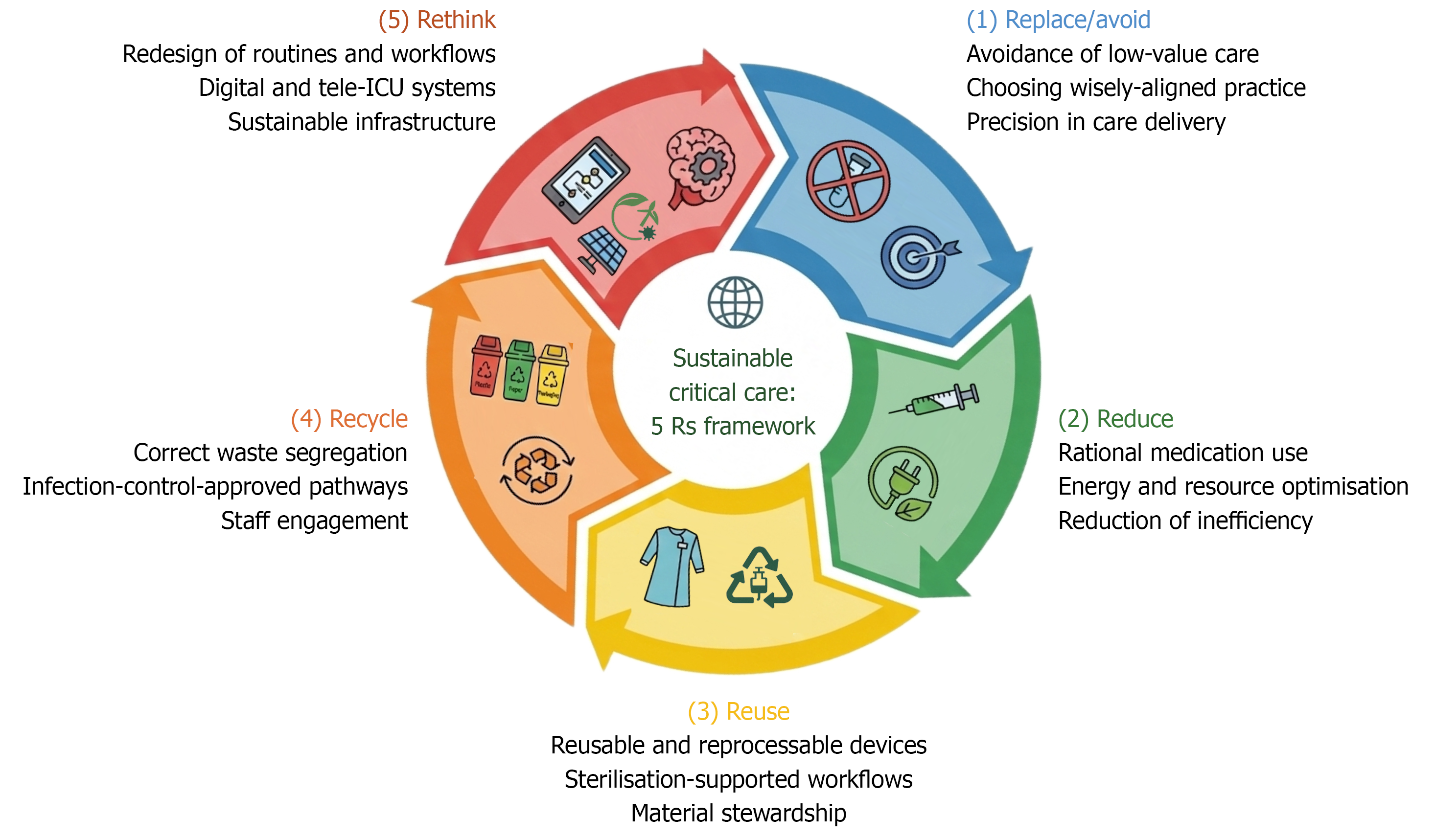
Figure 3 Conceptual representation of the 5 Rs framework (replace/avoid, reduce, reuse, recycle, rethink) for sustainable intensive care unit practice.
The framework integrates bedside clinical decision-making, operational resource stewardship, and system-level redesign to support environmentally responsible critical care without compromising patient safety or care quality. ICU: Intensive care unit.
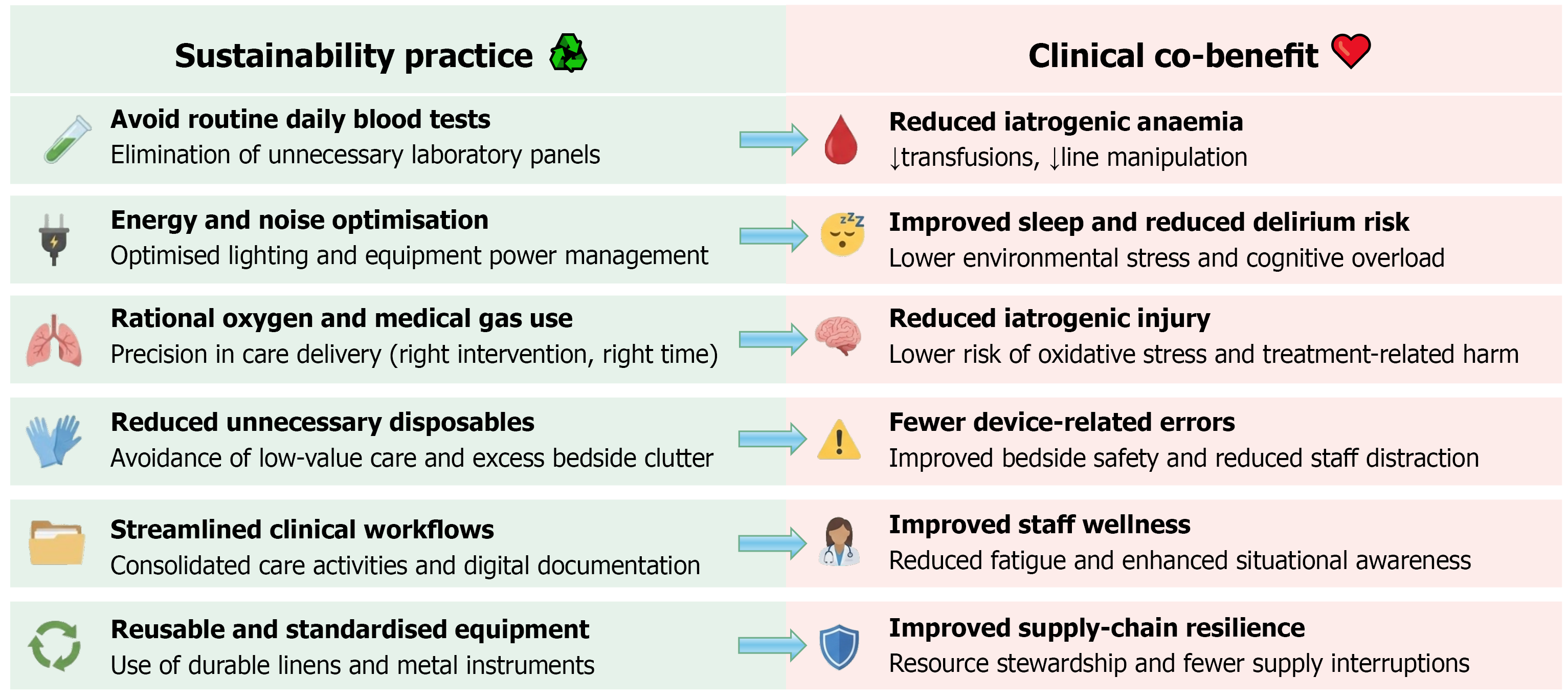
Figure 4 Clinical co-benefits of sustainable intensive care practices.
Selected sustainability interventions in the intensive care unit are associated with direct patient-centred and safety-related benefits. Reducing low-value testing, optimising energy and noise exposure, rationalising oxygen and medical gas use, minimising unnecessary disposables, and streamlining workflows not only lower environmental impact but also improve clinical outcomes, staff wellbeing, and system resilience. This figure illustrates how sustainability initiatives frequently align with established quality-improvement goals, challenging the perceived trade-off between environmental responsibility and high-quality critical care.
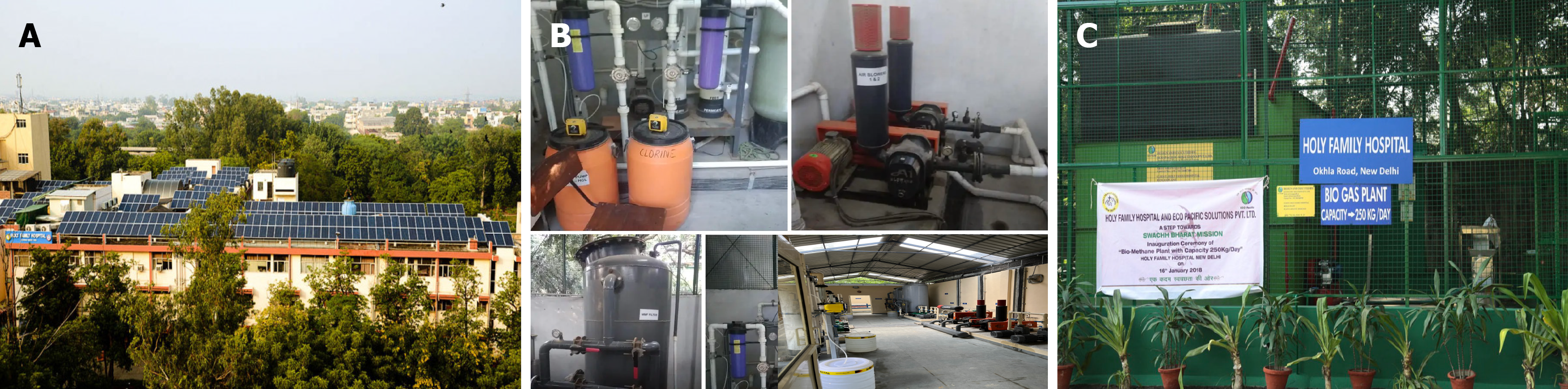
Figure 5 Infrastructure-level sustainability interventions at a tertiary-care hospital in New Delhi, India (Holy Family Hospital).
A: Rooftop solar photovoltaic installation providing on-site renewable electricity generation; B: Hospital wastewater treatment and reverse-osmosis system enabling treatment and non-potable water reuse; C: On-site biogas facility for organic waste conversion.
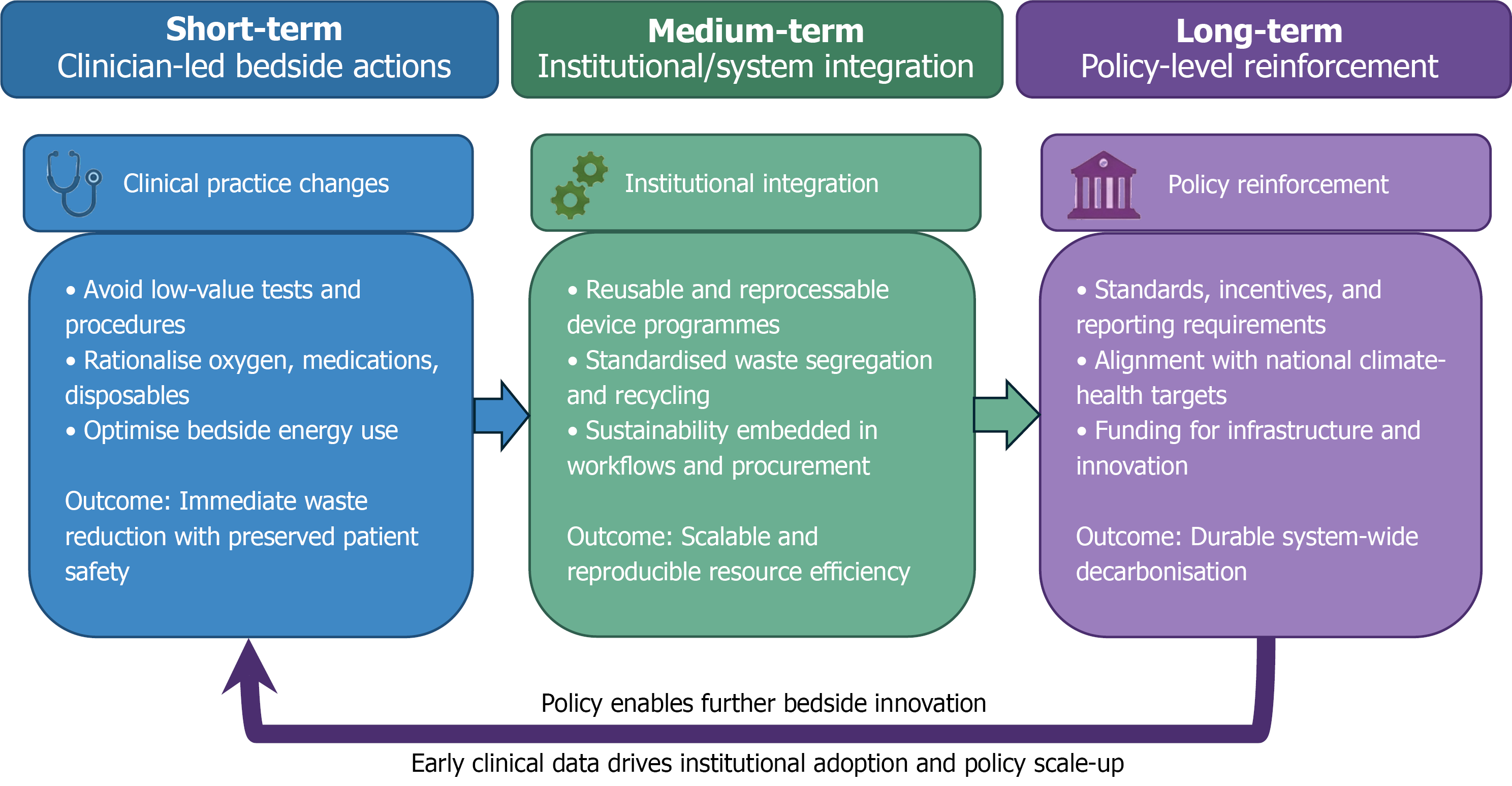
Figure 6 Implementation pathway for sustainable intensive care unit practice.
Conceptual framework illustrating the staged integration of environmental sustainability into intensive care, progressing from clinician-led bedside actions (short term), to institutional and system-level integration (medium term), and finally to policy-level reinforcement (long term). The pathway is iterative, with early clinical data enabling institutional adoption and policy frameworks scaling and sustaining impact.
- Citation: Goel S, Kataria S, Juneja D. From carbon cost to climate care: Greening our intensive care units. World J Crit Care Med 2026; 15(3): 119925
- URL: https://www.wjgnet.com/2220-3141/full/v15/i3/119925.htm
- DOI: https://dx.doi.org/10.5492/wjccm.119925