
















Copyright: ©Author(s) 2026.
World J Clin Pediatr. Dec 9, 2026; 15(4): 121115
Published online Dec 9, 2026. doi: 10.5409/wjcp.121115
Published online Dec 9, 2026. doi: 10.5409/wjcp.121115
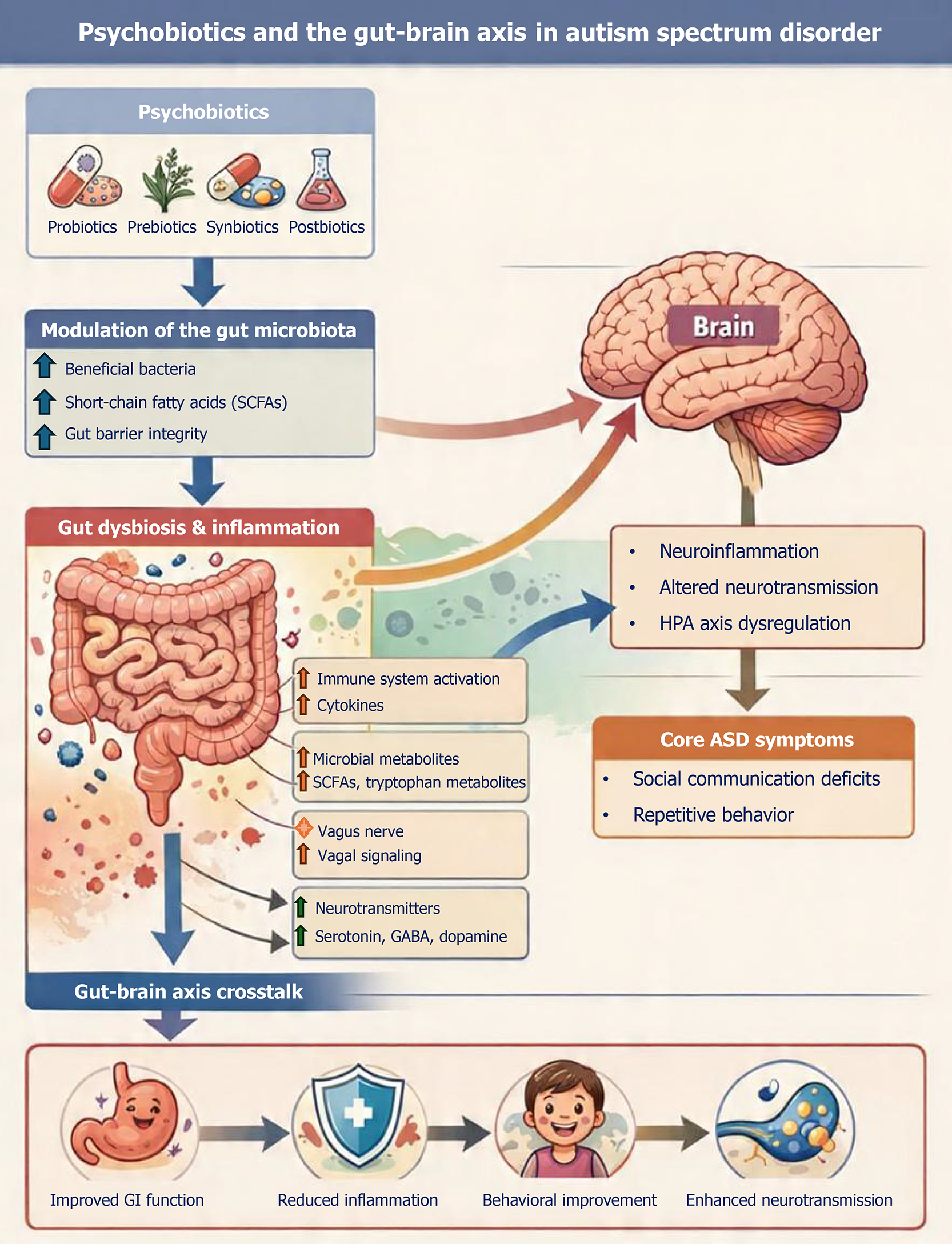
Figure 1 Psychobiotics and the gut-brain axis in autism spectrum disorder.
Psychobiotics, including probiotics, prebiotics, synbiotics, and postbiotics, may modulate the gut microbiota by increasing beneficial bacteria, enhancing short-chain fatty acid production, and improving intestinal barrier integrity. These changes can influence the gut-brain axis through immune signaling, microbial metabolites, vagal pathways, and regulation of neuroactive compounds such as serotonin, gamma-aminobutyric acid, and dopamine. Through these interconnected mechanisms, psychobiotics may reduce gut inflammation, improve gastrointestinal function, and potentially influence neuroinflammation, neurotransmission, and behavioral outcomes associated with autism spectrum disorder. ASD: Autism spectrum disorder; GABA: Gamma-aminobutyric acid; HPA: Hypothalamic-pituitary-adrenal axis; SCFAs: Short-chain fatty acids.
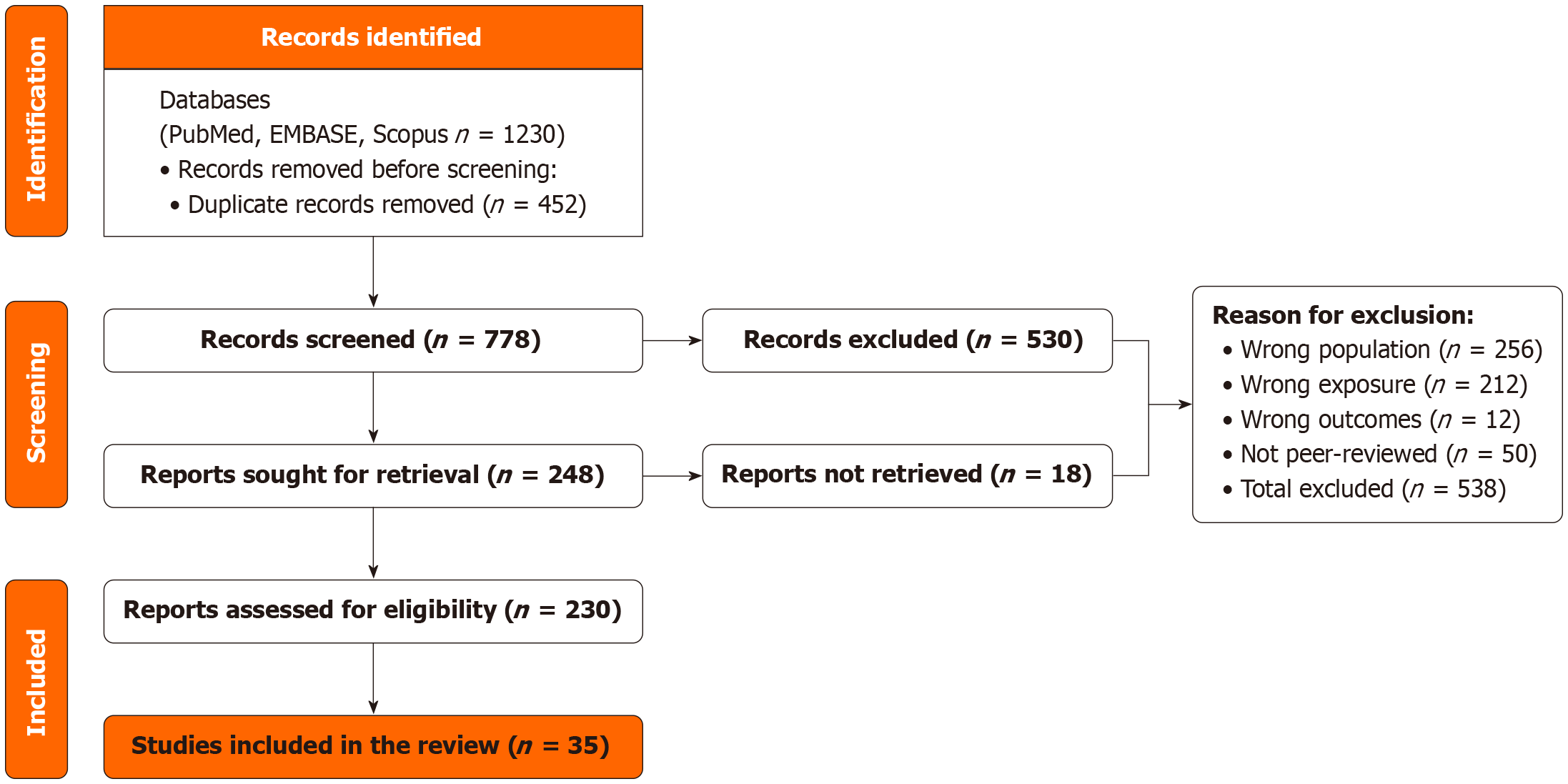
Figure 2
PRISMA 2020 flow diagram for study selection.
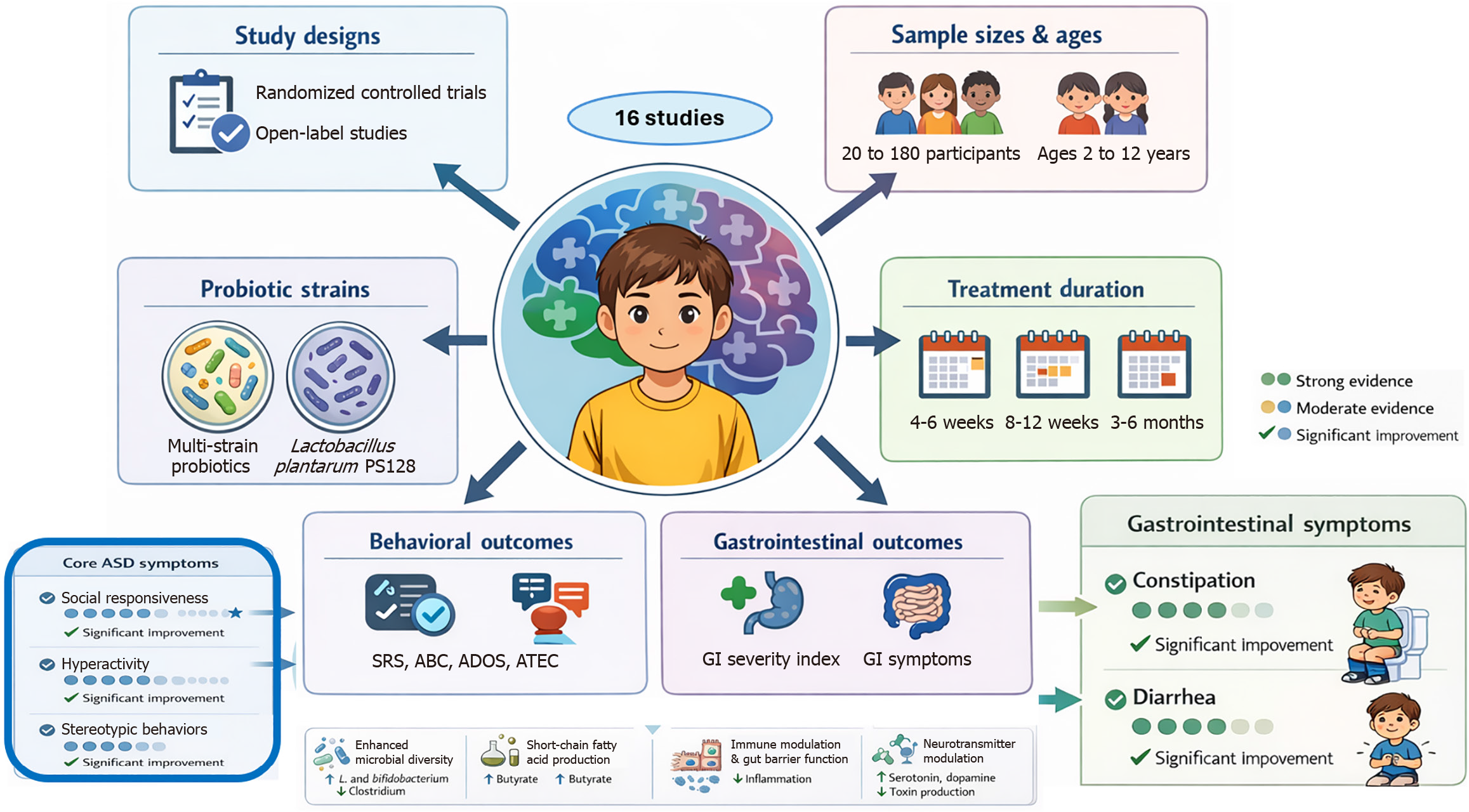
Figure 3 Characteristics of the included probiotic studies in autism spectrum disorder.
The figure illustrates the proposed pathways linking probiotic-induced modulation of the gut microbiota to improvements in gastrointestinal and behavioral outcomes. Probiotic interventions may enhance microbial diversity, increase production of short-chain fatty acids, and modulate immune and neurochemical signaling. These effects may contribute to improvements in gastrointestinal symptoms and selected behavioral domains, including social responsiveness and hyperactivity. The strength of evidence varies across outcomes and is influenced by study design, probiotic formulation, and treatment duration. SRS: Social Responsiveness Scale; ABC: Aberrant Behavior Checklist; ADOS: Autism Diagnostic Observation Schedule; ATEC: Autism Treatment Evaluation Checklist; GI: Gastrointestinal; ASD: Autism spectrum disorder.
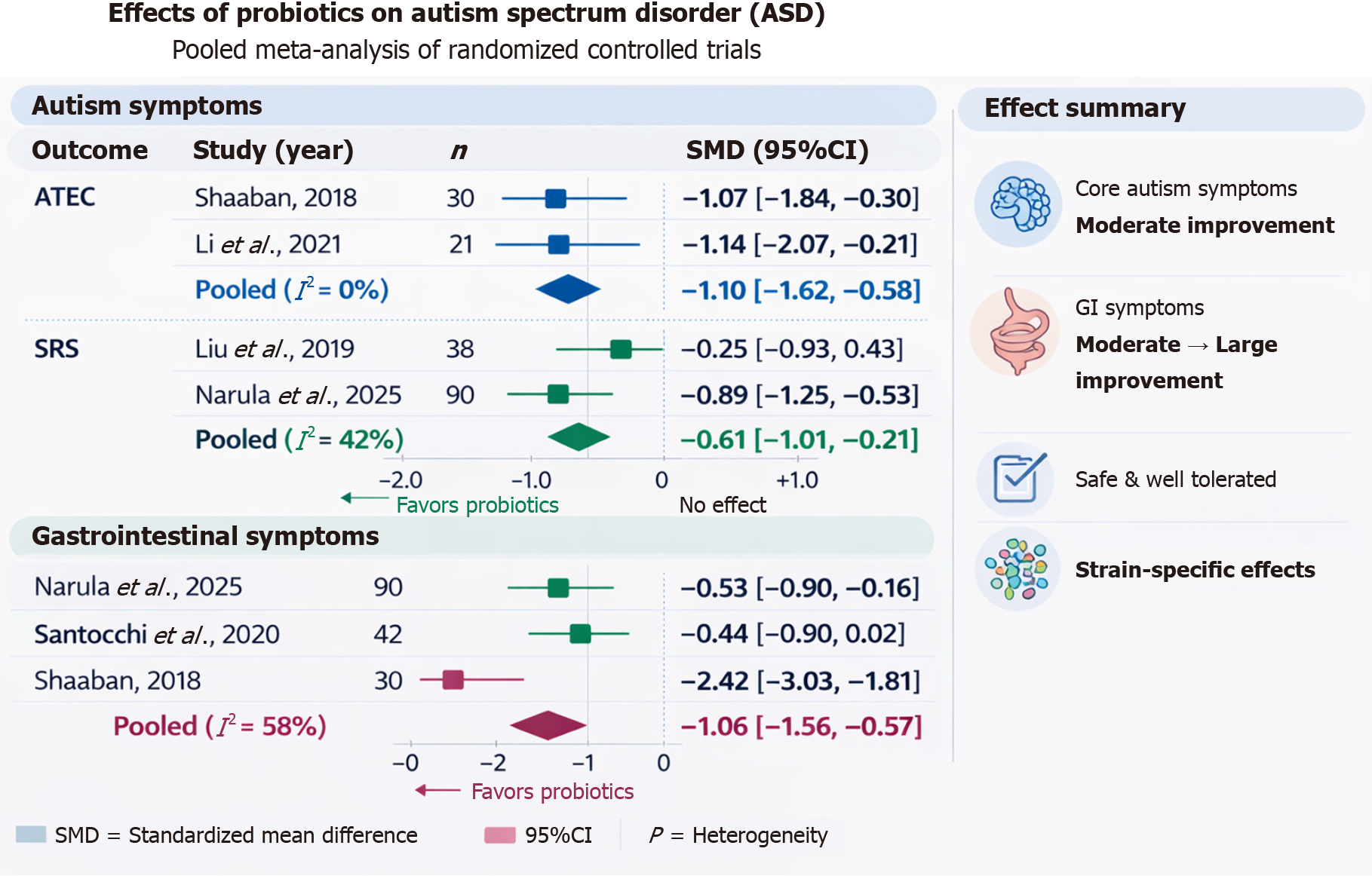
Figure 4 Pooled meta-analysis of randomized controlled trials evaluating the effects of probiotic supplementation on core behavioral and gastrointestinal outcomes in children with autism spectrum disorder.
Forest plots illustrating pooled standardized mean differences (SMD) with 95%CI for randomized controlled trials assessing the effects of probiotic supplementation in children with autism spectrum disorder. The upper panel summarizes effects on core autism symptoms, including autism severity and social responsiveness measured using validated behavioral scales such as the Autism Treatment Evaluation Checklist and Social Responsiveness Scale. The lower panel presents pooled effects on gastrointestinal symptom severity, assessed using structured clinical indices across included studies. Negative SMD values indicate improvement favoring probiotic intervention compared with control conditions. Diamonds represent pooled effect estimates derived using a random-effects model, while horizontal lines indicate study-specific confidence intervals. Statistical heterogeneity across studies is expressed using the I² statistic. Overall, probiotic supplementation was associated with small-to-moderate improvements in core behavioral symptoms and moderate improvements in gastrointestinal outcomes, although variability in probiotic strains, treatment duration, and participant characteristics contributed to between-study heterogeneity. SRS: Social Responsiveness Scale; SMD: Standardized mean differences; ATEC: Autism Treatment Evaluation Checklist; GI: Gastrointestinal; ASD: Autism spectrum disorder.
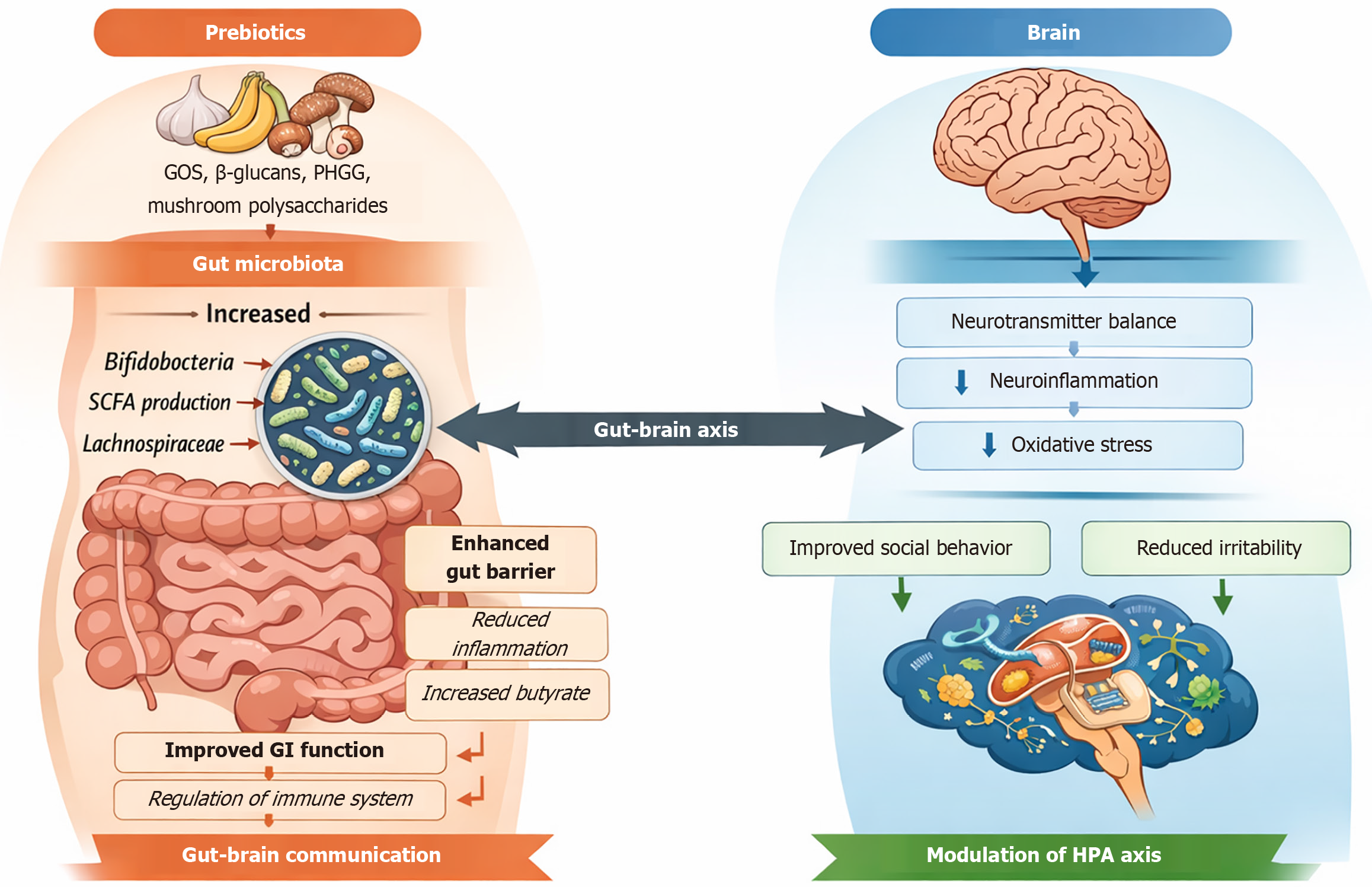
Figure 5 Mechanisms by which prebiotics influence the gut-brain axis in autism spectrum disorder.
Prebiotics are non-digestible dietary substrates that selectively stimulate the growth and metabolic activity of beneficial gut microorganisms, thereby modulating host physiology through the gut-brain axis. Following ingestion, prebiotics such as galacto-oligosaccharides, fructo-oligosaccharides, and inulin are fermented by commensal bacteria, including Bifidobacterium and Lactobacillus species. This fermentation process increases the production of short-chain fatty acids, particularly acetate, propionate, and butyrate, which play critical roles in maintaining intestinal epithelial integrity, regulating immune responses, and influencing neuronal signaling pathways. In the gastrointestinal tract, prebiotic-induced microbial shifts can enhance mucosal barrier function, reduce intestinal permeability, and decrease gastrointestinal symptoms frequently observed in children with autism spectrum disorder (ASD). Systemically, microbial metabolites and immune mediators may enter the circulation and interact with the central nervous system through neural (vagus nerve), immune, and metabolic pathways. These mechanisms may contribute to modulating neuroinflammation, neurotransmitter synthesis (e.g., serotonin and γ-aminobutyric acid), and brain signaling processes associated with social behavior, cognition, and emotional regulation. Collectively, these interconnected pathways illustrate how prebiotic supplementation may influence both gastrointestinal health and neurobehavioral outcomes in ASD through microbiome-mediated modulation of the gut-brain axis. GI: Gastrointestinal; GOS: Galacto-oligosaccharides; PHGC: Partially hydrolysed guar gum; HPA: Hypothalamic-pituitary-adrenal axis; SCFAs: Short-chain fatty acids.
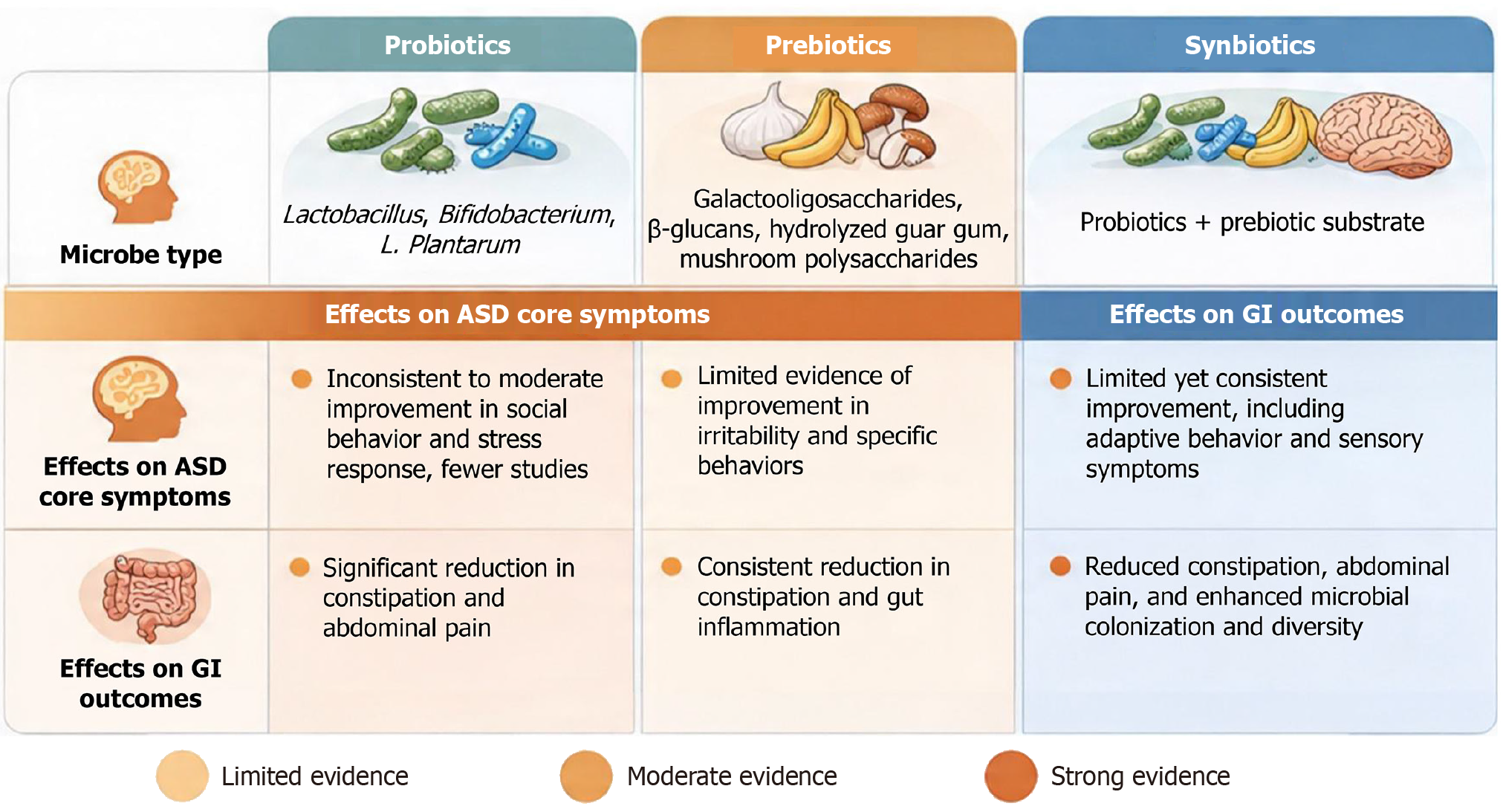
Figure 6 Comparative effects of probiotics, prebiotics, and synbiotics on core autism symptoms and gastrointestinal outcomes in children with autism spectrum disorder.
This comparative synthesis figure summarizes the evidence derived from the included studies evaluating microbiome-targeted interventions in children with autism spectrum disorder (ASD). The figure contrasts the relative effects of probiotics, prebiotics, and synbiotics on two primary outcome domains: Core autism symptoms (including social communication deficits, repetitive behaviors, adaptive functioning, and behavioral symptoms) and gastrointestinal (GI) manifestations (including constipation, abdominal pain, diarrhea, and overall GI symptom severity). Overall, probiotic interventions demonstrated moderate and heterogeneous effects on GI symptoms, with several studies reporting improvements in constipation, abdominal discomfort, and gut microbial composition. However, improvements in core ASD symptoms were inconsistent, with only modest benefits observed in specific behavioral domains such as irritability or social responsiveness. Prebiotic supplementation, including galacto-oligosaccharides, fructo-oligosaccharides, β-glucans, and partially hydrolyzed guar gum, primarily exerts beneficial effects by modulating gut microbiota composition and short-chain fatty acid production. These interventions showed consistent improvements in GI symptoms, while evidence for direct improvements in core autism symptoms remained limited and variable across studies. In contrast, synbiotic interventions, which combine probiotics with fermentable prebiotic substrates, demonstrated broader modulation of the microbiome and metabolic activity, including increased microbial diversity and elevated production of short-chain fatty acids such as butyrate. Across the included studies, synbiotics were associated with significant improvements in GI symptoms and modest improvements in behavioral and adaptive functioning, suggesting a potentially greater capacity to influence the microbiota-gut-brain axis than single-component interventions. The color-coded evidence levels shown in the figure represent the relative strength and consistency of evidence reported across the included studies, ranging from limited evidence to moderate or stronger evidence of clinical benefit. GI: Gastrointestinal; ASD: Autism spectrum disorder.
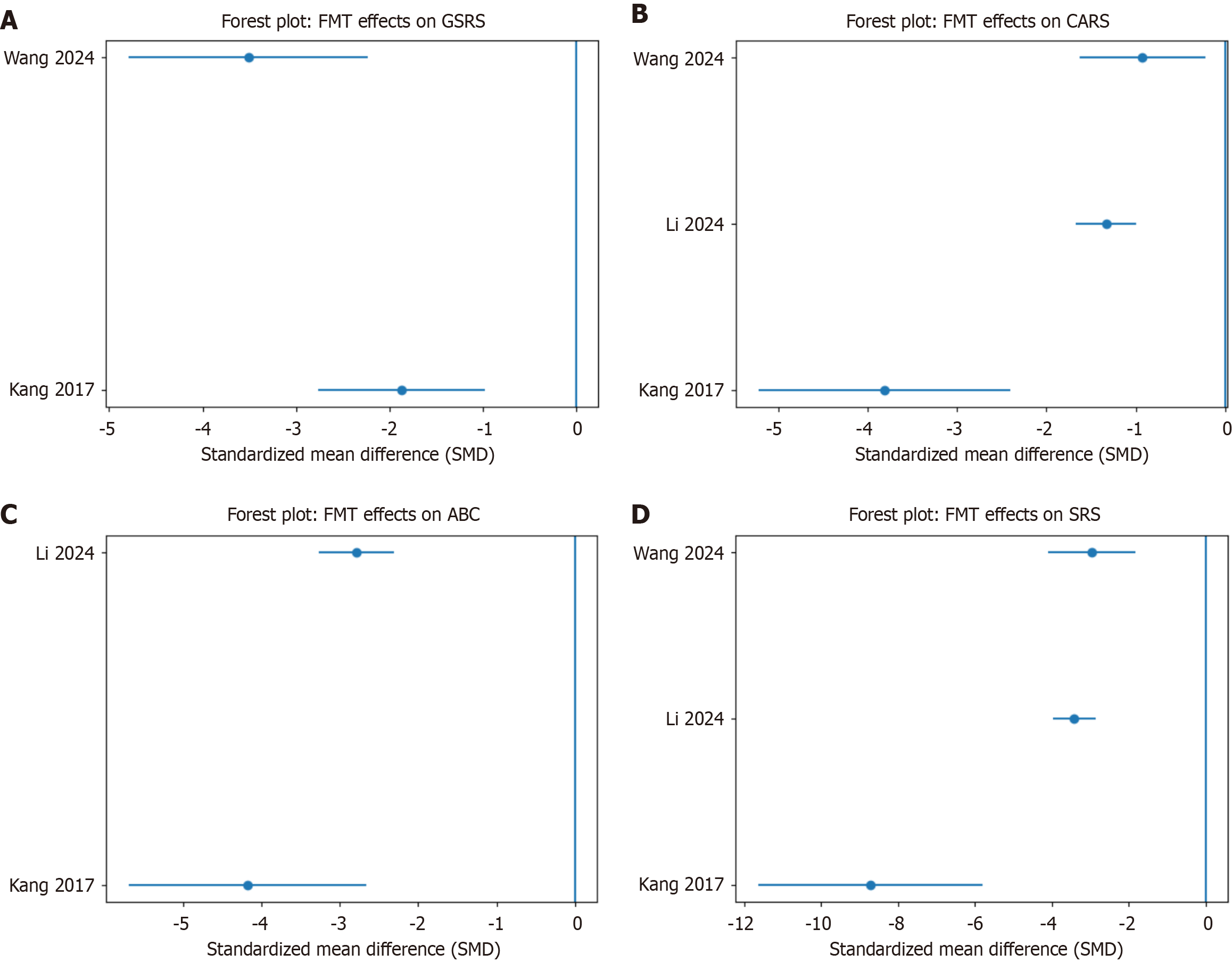
Figure 7 Meta-analysis results: Effects of fecal microbiota transplantation in autism spectrum disorder.
A: Gastrointestinal symptoms, two studies reported changes in Gastrointestinal Symptom Rating Scale scores; B: Childhood Autism Rating scale; C: Aberrant Behavior Checklist; D: Social Responsiveness Scale. GSRS: Gastrointestinal Symptom Rating Scale; CARS: Childhood Autism Rating scale; ABC: Aberrant Behavior Checklist; SRS: Social Responsiveness Scale; SMD: Standardized mean difference; FMT: Fecal microbiota transplantation.
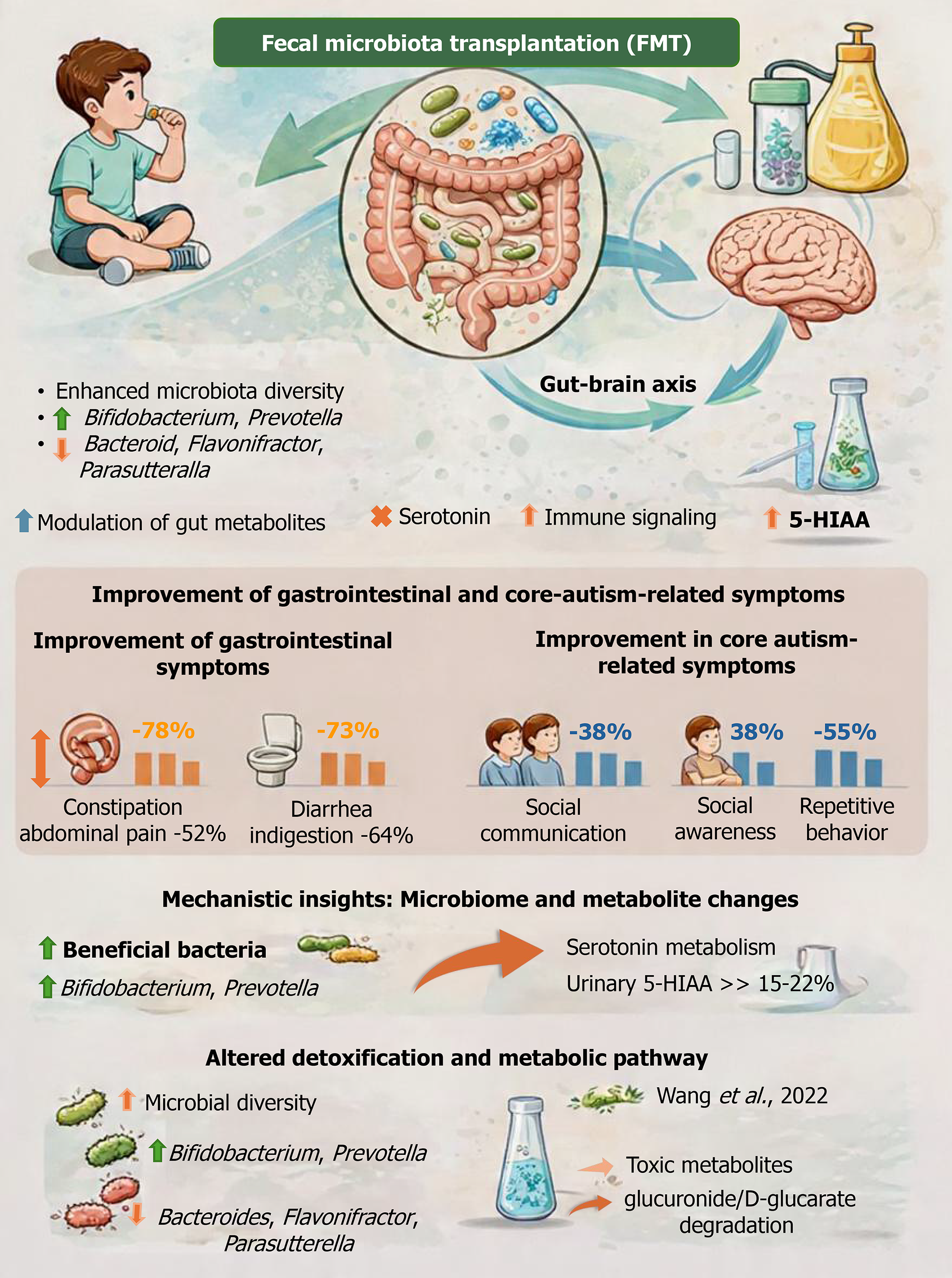
Figure 8 Proposed mechanisms and clinical effects of fecal microbiota transplantation in children with autism spectrum disorder.
This schematic overview illustrates the potential therapeutic effects of fecal microbiota transplantation (FMT) on gastrointestinal (GI) dysfunction and core behavioral symptoms in children with autism spectrum disorder (ASD) through modulation of the gut-brain axis. FMT involves transferring a complex microbial community from a healthy donor to a recipient to restore microbial diversity and functional balance in the intestinal ecosystem. Several clinical studies have shown that FMT can significantly alter the gut microbial composition of children with ASD, typically increasing beneficial taxa such as Bifidobacterium and Prevotella while reducing the relative abundance of potentially pathogenic bacteria, including Bacteroides, Flavonifractor, and Parasutterella. These microbial shifts may influence host metabolism, immune signaling, and neuroactive compound production. Through these microbiome changes, FMT may modulate the gut-brain axis and improve multiple clinical domains. Improvements in GI symptoms-such as constipation, diarrhea, abdominal pain, and indigestion-have been reported using validated instruments, including the GI Symptom Rating Scale. In parallel, improvements in core ASD-related symptoms have been observed using standardized behavioral assessments such as the Childhood Autism Rating Scale, Aberrant Behavior Checklist, and Social Responsiveness Scale. Mechanistically, alterations in microbial metabolism may contribute to these clinical effects. Changes in microbial metabolic pathways can affect serotonin metabolism, immune signaling, and detoxification processes. For example, clinical evidence indicates that FMT may reduce urinary levels of 5-hydroxyindoleacetic acid, a serotonin metabolite, suggesting that microbial modulation of serotonergic pathways may contribute to symptom improvement. Overall, the figure summarizes the current evidence indicating that FMT can reshape the gut microbiome, modify microbial metabolic pathways, and subsequently improve GI symptoms, behavioral outcomes, and neurodevelopmental features associated with ASD. FMT: Fecal microbiota transplantation.
- Citation: Al-Beltagi M, Saeed NK, Elbeltagi YM. Psychobiotics in pediatric autism spectrum disorder: A systematic review of efficacy, mechanisms, and clinical translation. World J Clin Pediatr 2026; 15(4): 121115
- URL: https://www.wjgnet.com/2219-2808/full/v15/i4/121115.htm
- DOI: https://dx.doi.org/10.5409/wjcp.121115