
















Copyright: ©Author(s) 2026.
World J Clin Pediatr. Dec 9, 2026; 15(4): 120921
Published online Dec 9, 2026. doi: 10.5409/wjcp.120921
Published online Dec 9, 2026. doi: 10.5409/wjcp.120921
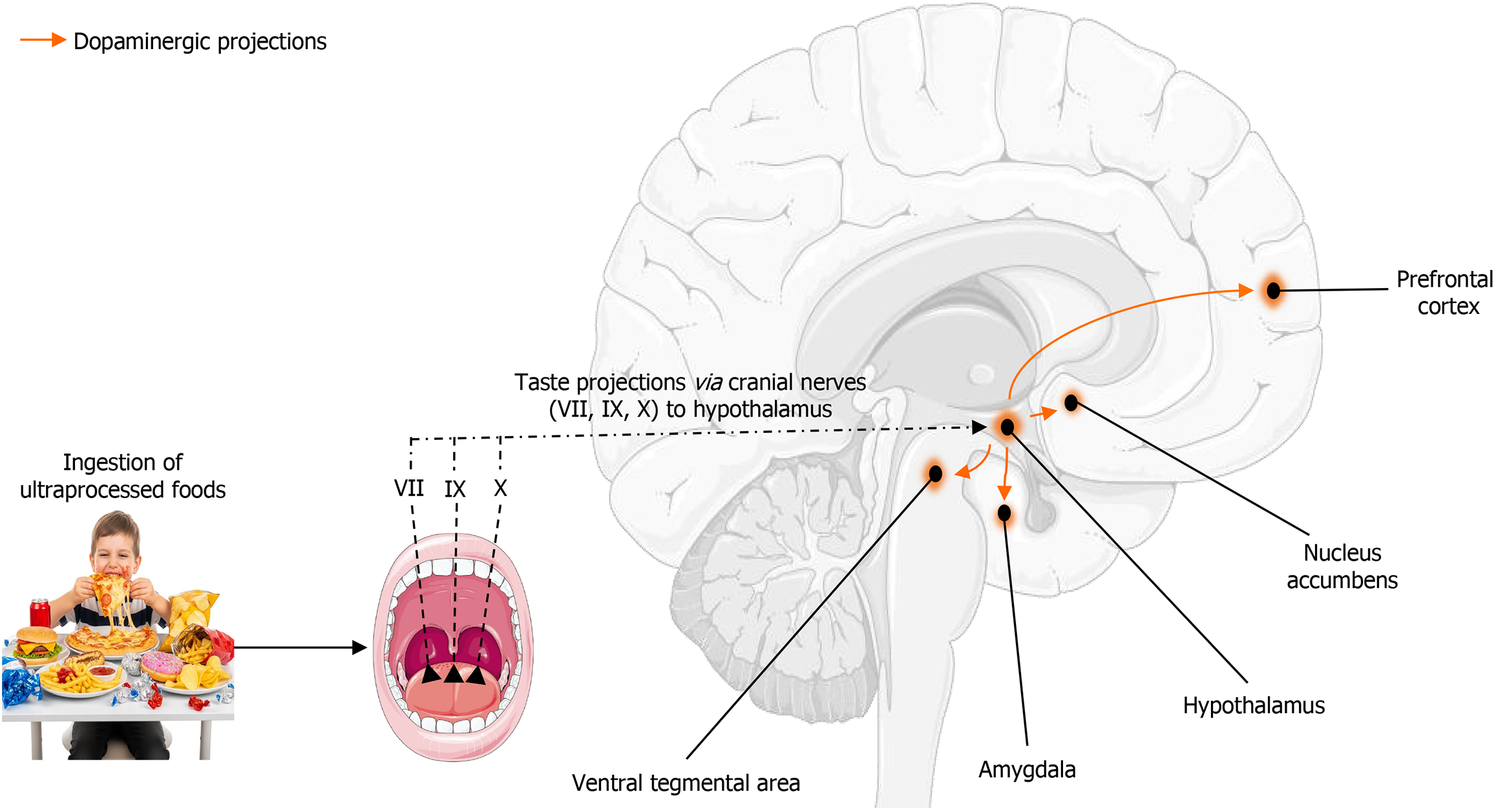
Figure 1 Schematic representation of reward circuitry activation induced by ultra-processed foods.
Ingestion of ultra-processed foods (UPFs), stimulates gustatory receptors in the oral cavity. Sensory signals are transmitted primarily via the facial (VII), glossopharyngeal (IX), and vagus (X) cranial nerves. These gustatory afferents converge in the hypothalamus (dotted lines), from where the pathway activates dopaminergic neurons in the ventral tegmental area. Dopaminergic projections (orange arrows) subsequently release dopamine in the nucleus accumbens (mediating immediate hedonic pleasure), the amygdala (encoding emotional valence), and the prefrontal cortex (supporting executive control and value-based decision-making). This neurocircuitry underlies the potent motivational and reinforcing effects of UPFs.
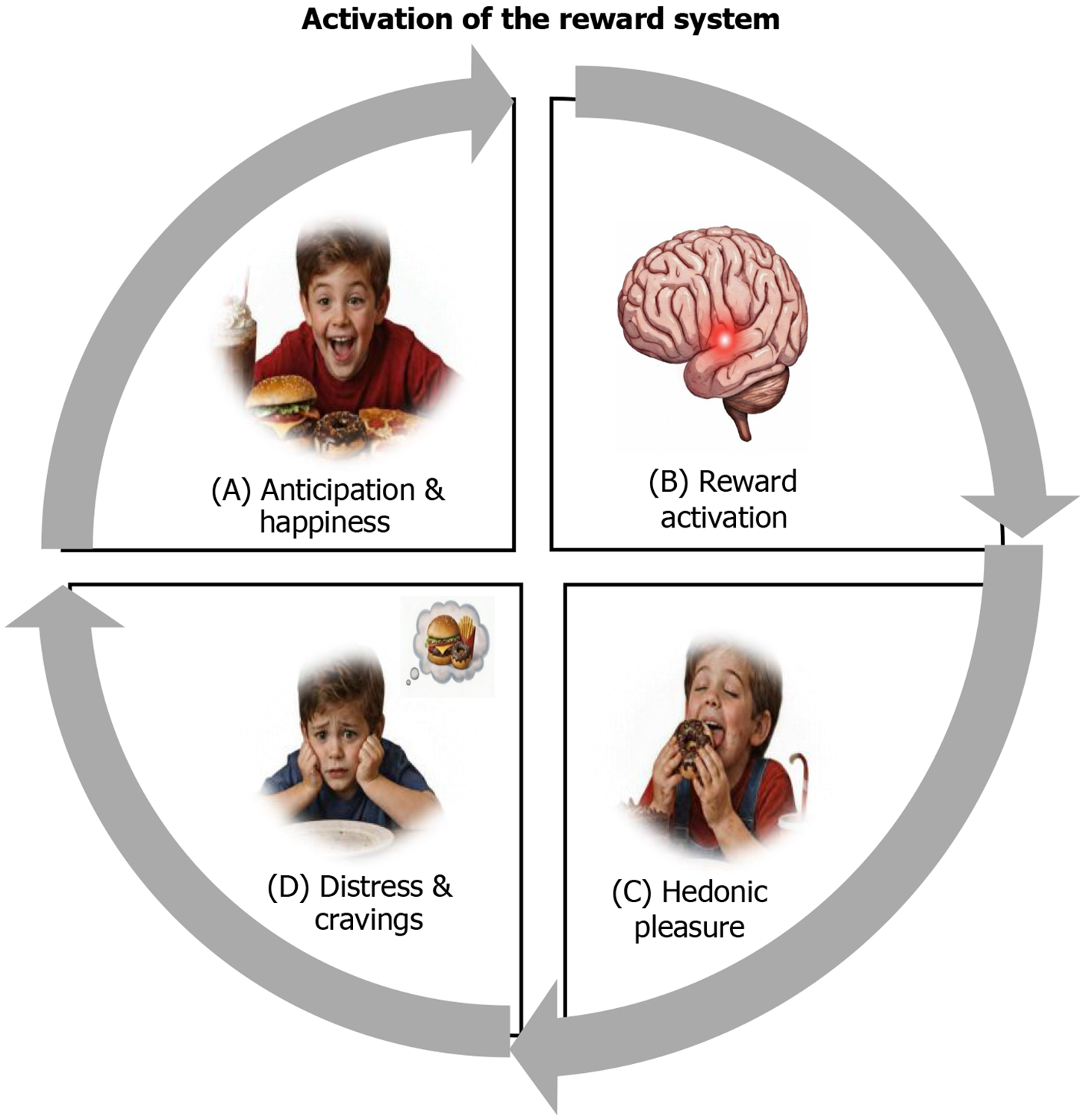
Figure 2 Vicious cycle of ultra-processed foods consumption in children and adolescents.
The diagram illustrates a self-perpetuating neurobehavioral loop initiated by: A: Anticipation or visual/olfactory exposure to ultra-processed foods, which elicits anticipatory happiness and craving via amygdala activation; B: Ingestion activates gustatory (cranial nerves VII, IX, X) and post-ingestive (gut-brain) reward pathways; C: Massive dopamine release in the NAc, amygdala, and prefrontal cortex produces intense hedonic pleasure and forms strong emotional memories; D: Subsequent everyday stress, anxiety, or negative affect reactivates the cycle via amygdala-driven cravings. This loop is exacerbated by prefrontal immaturity and contributes to compulsive overeating despite known health consequences.
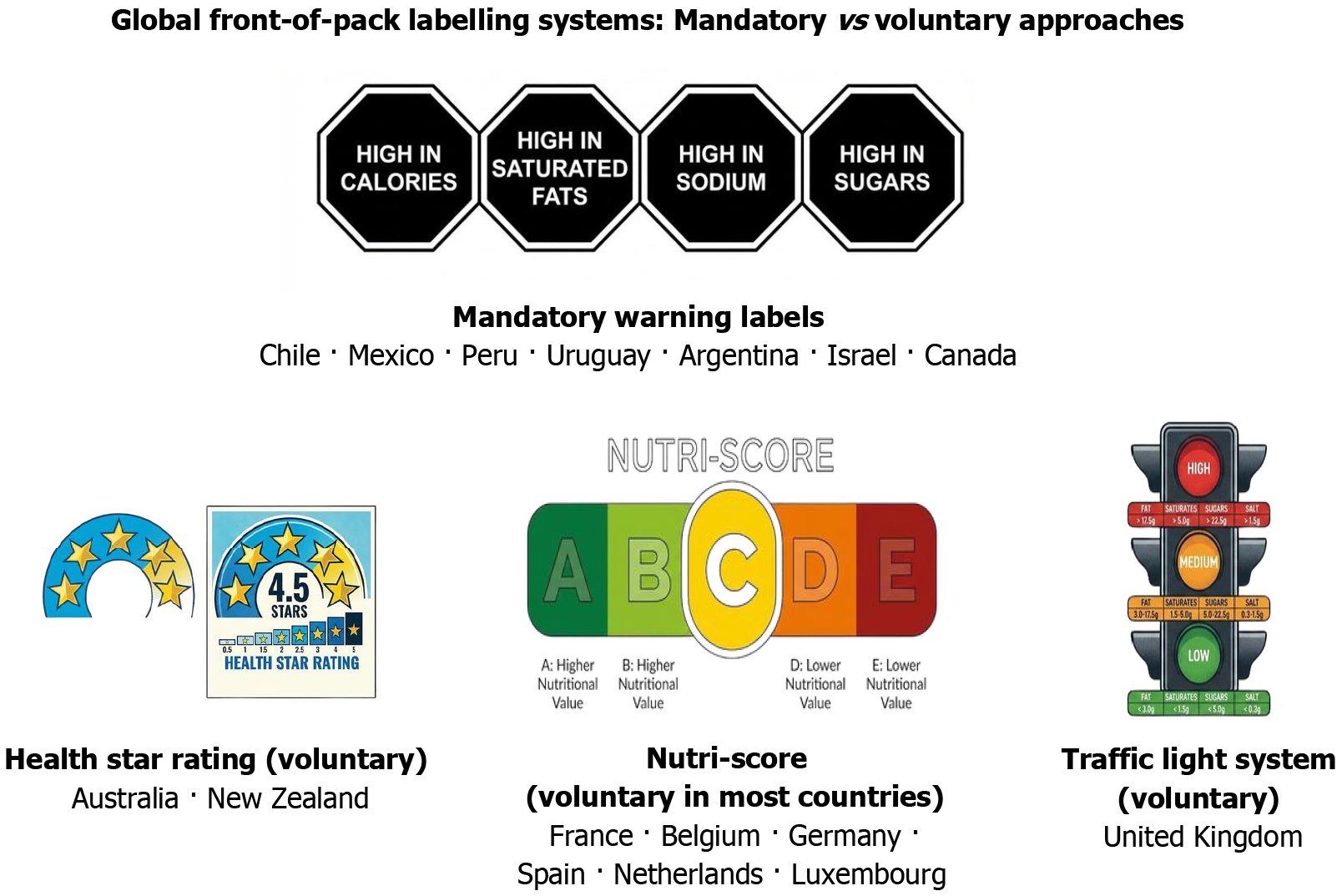
Figure 3 Global comparison of front-of-package labeling systems.
The figure presents examples of front-of-package labelling approaches implemented across different regions. Mandatory nutrient warning labels have been adopted in countries such as Chile, Mexico, Peru, Argentina, Uruguay, Israel, and Canada. In contrast, voluntary or interpretative systems, including the Health Star Rating (Australia and New Zealand), Nutri-Score (France, Belgium, Germany, Spain, the Netherlands, and Luxembourg), and traffic-light labelling (United Kingdom). Stylized representations are shown for illustrative purposes and to protect copyright.
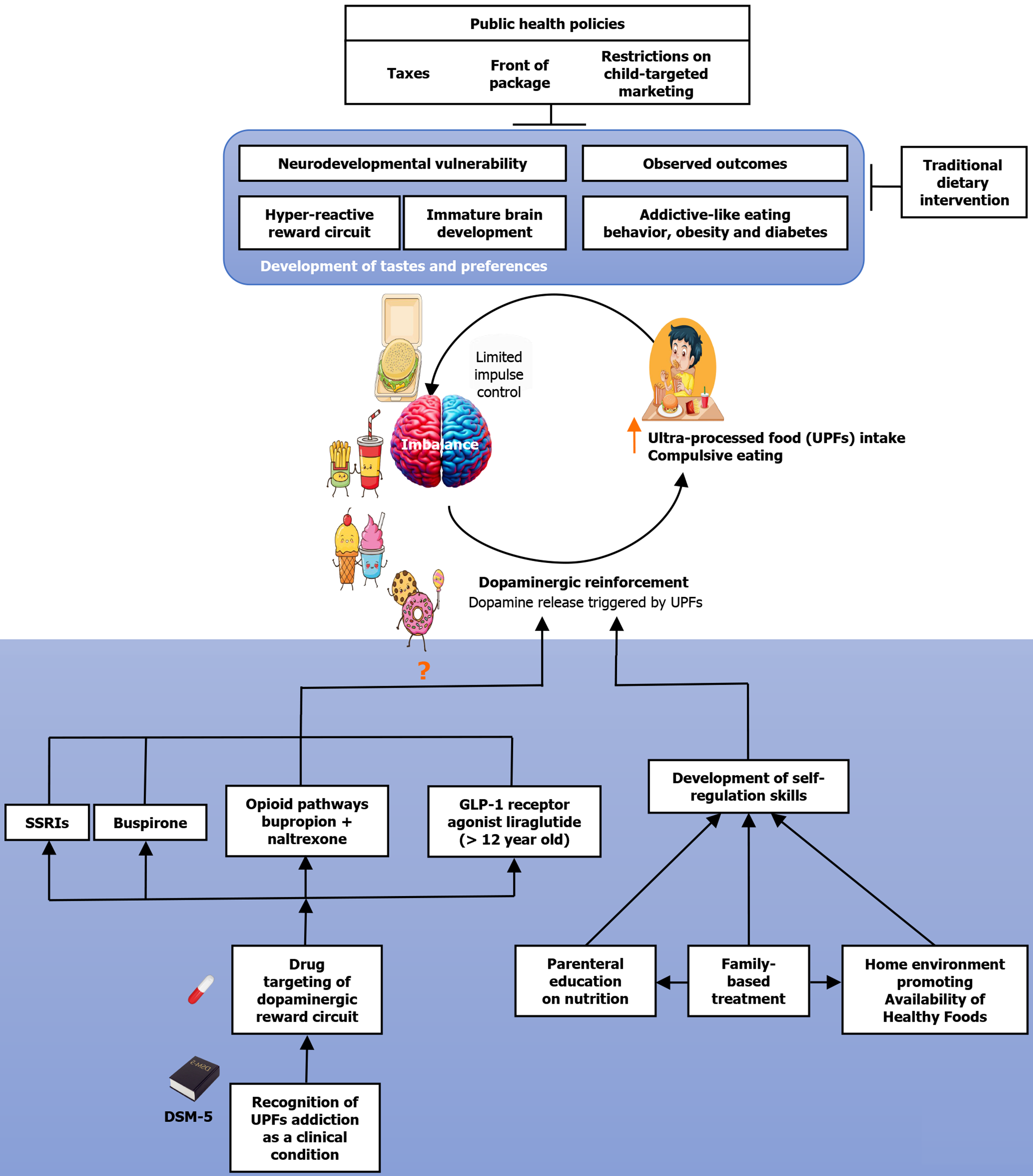
Figure 4 Proposed multitargeted intervention to prevent ultra-processed foods overconsumption in children and adolescents.
The upper panel illustrates the current limitations of public health policies [taxes on ultra-processed foods (UPFs), front-of-package labeling, and restrictions on child-targeted marketing]. These policies primarily target the obesogenic environment but fail to address the core neurodevelopmental vulnerabilities: A hyper-reactive reward circuit combined with an immature prefrontal cortex (PFC) that provides limited impulse control. This imbalance leads to excessive dopamine release triggered by UPFs consumption, promoting compulsive and addictive-like eating behaviors, which in turn contribute to obesity and metabolic diseases. Traditional dietary interventions are shown as having limited impact because they do not target the underlying neurobiological mechanisms. The lower panel proposes a comprehensive multi-targeted intervention model. On the left side, it emphasizes the recognition of UPFs addiction as a clinical condition (aligned with Diagnostic and Statistical Manual of Mental Disorders, fifth edition criteria for binge-eating disorder and related disorders) as a necessary prerequisite to enable rigorous research on pharmacological therapies already used in adults for weight management. These include selective serotonin reuptake inhibitors, buspirone, bupropion combined with naltrexone (opioid pathway modulation), and GLP-1 agonists such as liraglutide. On the right side, the model highlights family-centered strategies as the central and immediately actionable pillar: (1) Parental nutrition education; (2) Family-based treatment; and (3) Modification of the home food environment to increase the availability and accessibility of healthy foods. These interventions aim to strengthen children’s self-regulation skills, reduce exposure to UPFs cues, and support the maturing PFC in exerting greater inhibitory control over reward-driven eating. Arrows indicate the proposed transition from current policy limitations toward an integrated approach that combines neurobehavioral, family-based, and potential future pharmacological strategies. UPF: Ultra-processed foods; DSM-5: Diagnostic and Statistical Manual of Mental Disorders, fifth edition.
- Citation: Vargas-Vargas MA, González-Montoya M, Torres-Isidro O, Martínez-González AP, Cuiniche-Méndez MG, García-Romero DP, Reyes-Orozco MA, Calderón-Cortés E, Rodríguez-Orozco AR, Cortés-Rojo C. Prefrontal cortex immaturity and reward circuit hijacking: Why anti-obesity policies fail to protect children from ultra-processed food overconsumption. World J Clin Pediatr 2026; 15(4): 120921
- URL: https://www.wjgnet.com/2219-2808/full/v15/i4/120921.htm
- DOI: https://dx.doi.org/10.5409/wjcp.120921