
















Copyright: ©Author(s) 2026.
World J Clin Pediatr. Dec 9, 2026; 15(4): 120203
Published online Dec 9, 2026. doi: 10.5409/wjcp.120203
Published online Dec 9, 2026. doi: 10.5409/wjcp.120203
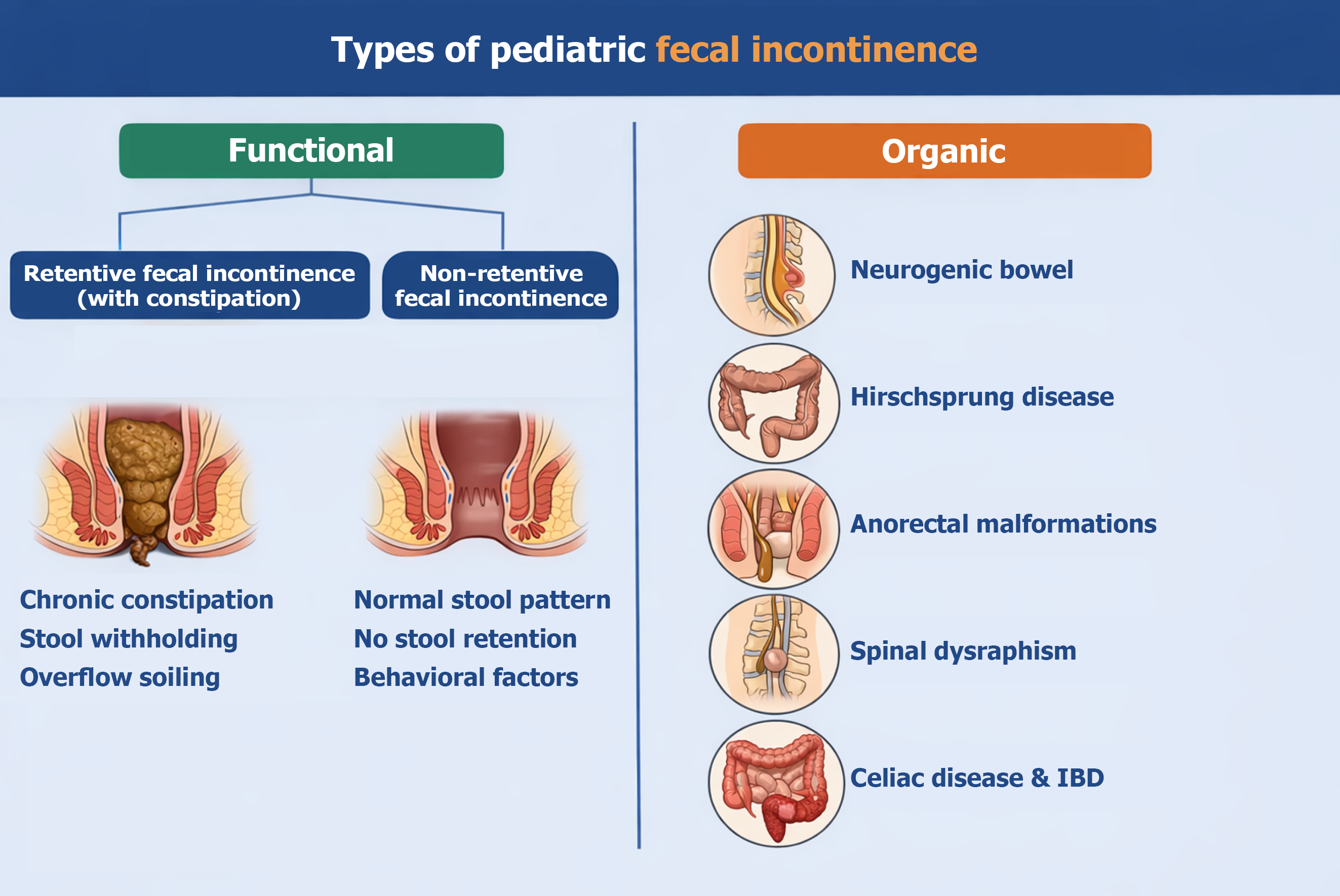
Figure 1 Types of pediatric fecal incontinence.
IBD: Inflammatory bowel disease.
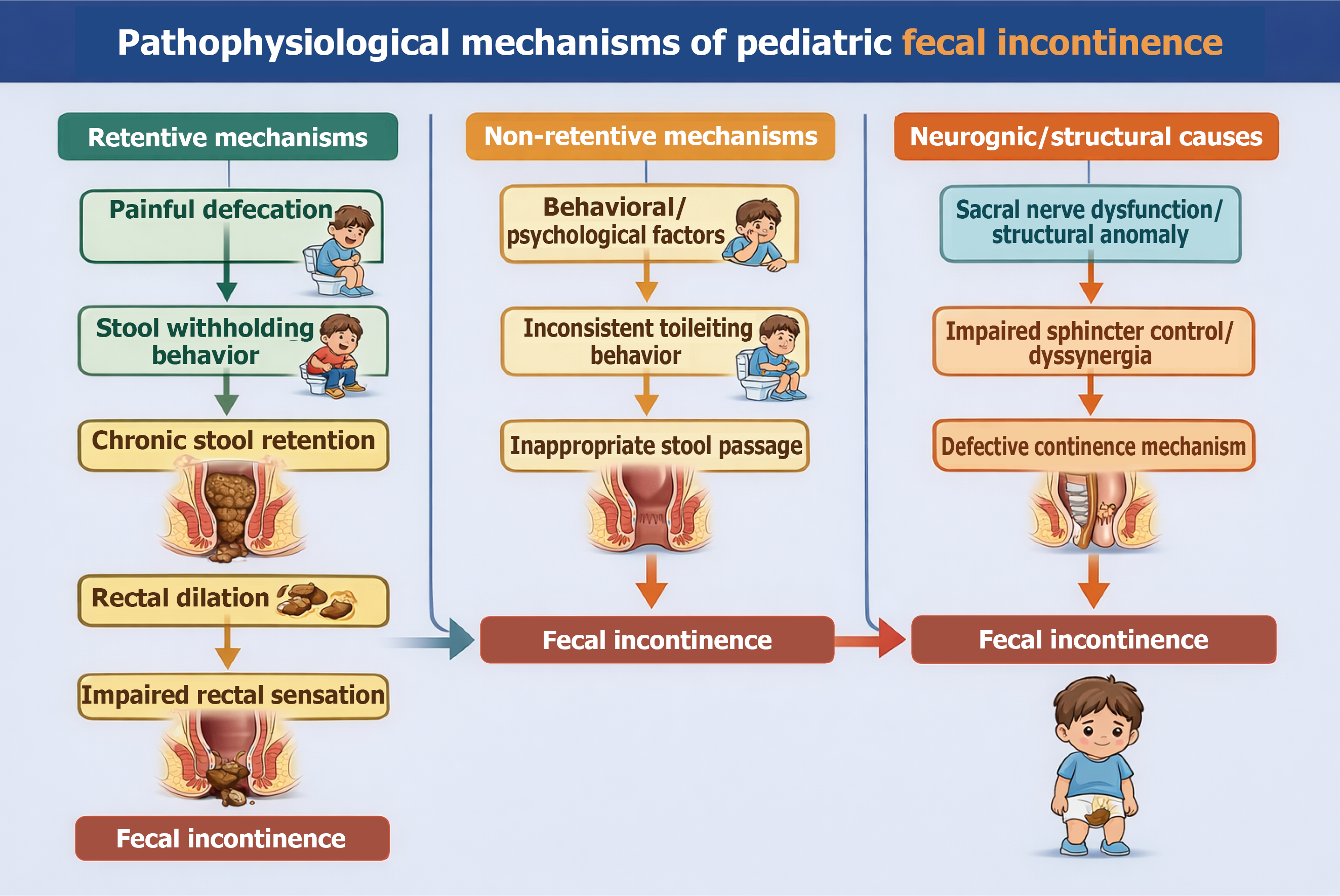
Figure 2 Pathophysiological mechanisms of pediatric fecal incontinence.
This schematic diagram illustrates the principal pathophysiological pathways leading to pediatric fecal incontinence (FI). Retentive mechanisms begin with painful defecation, leading to stool withholding, chronic fecal retention, rectal dilation (megarectum), impaired rectal sensation, and ultimately overflow incontinence. Non-retentive mechanisms are primarily related to behavioral and psychological factors that result in inconsistent toileting behavior and inappropriate stool passage in the absence of fecal retention. Neurogenic and structural causes involve sacral nerve dysfunction, sphincter impairment, or pelvic floor dyssynergia, leading to defective continence mechanisms. The figure emphasizes that although distinct mechanisms exist, all pathways converge on the final clinical manifestation of FI.
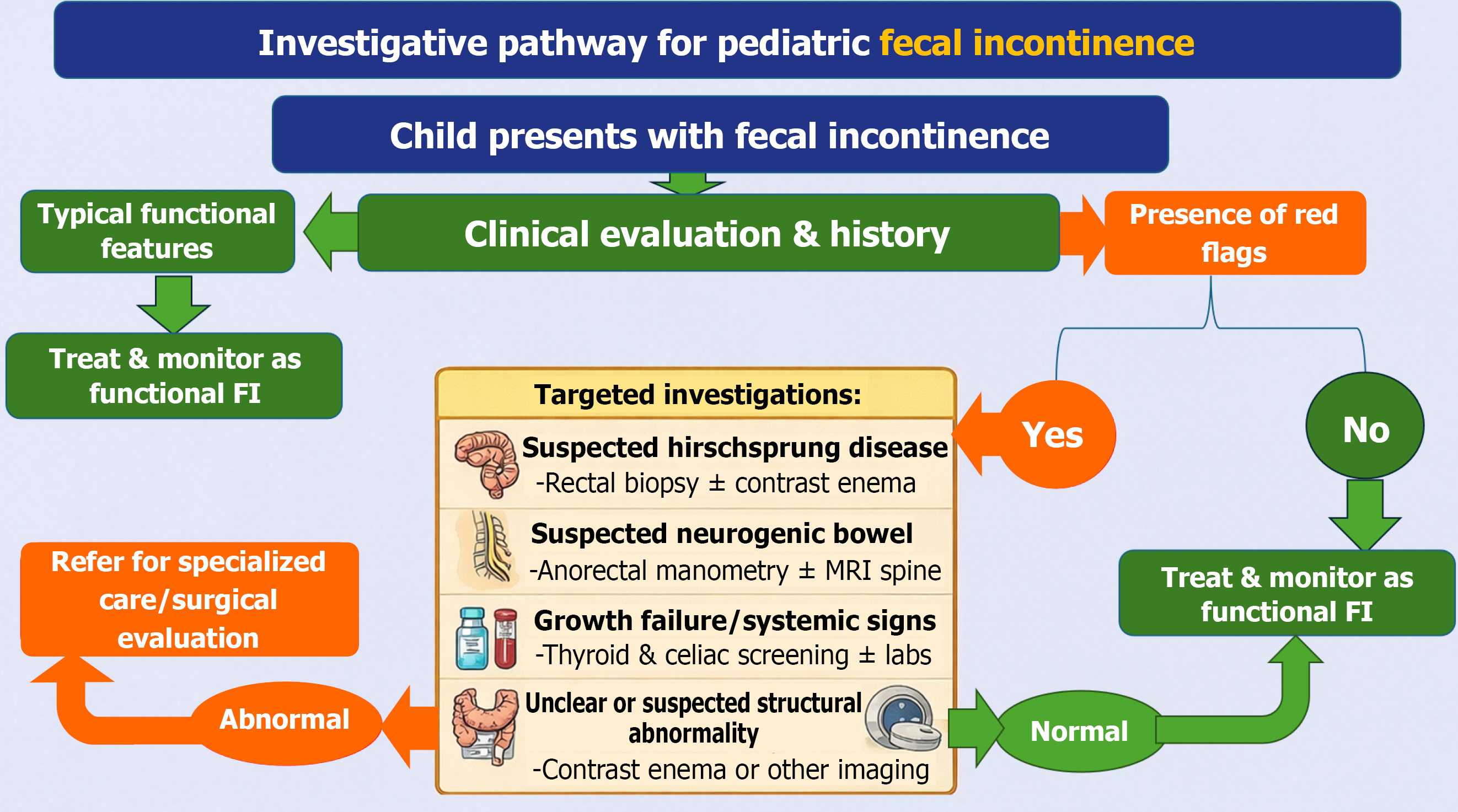
Figure 3 Investigative pathway for pediatric fecal incontinence.
This figure illustrates a structured, stepwise diagnostic algorithm for children presenting with fecal incontinence (FI). The evaluation begins with comprehensive clinical history and physical examination to distinguish typical functional FI from cases with red flags or atypical features. In the absence of alarm signs, children are managed as functional FI with standard therapy and close monitoring of response. The presence of red flags (e.g., delayed meconium passage, severe abdominal distension, neurologic abnormalities, growth failure, refractory symptoms, or systemic features) prompts targeted investigations. These include rectal biopsy and/or contrast enema for suspected Hirschsprung disease; anorectal manometry and spinal magnetic resonance imaging for suspected neurogenic bowel; thyroid and celiac screening in the presence of growth or systemic concerns; and contrast imaging for suspected structural abnormalities. Failure to respond to appropriate management or identification of organic pathology warrants referral for specialized multidisciplinary or surgical evaluation. This algorithm emphasizes early identification of organic causes while minimizing unnecessary investigations in typical functional cases. FI: Fecal incontinence.
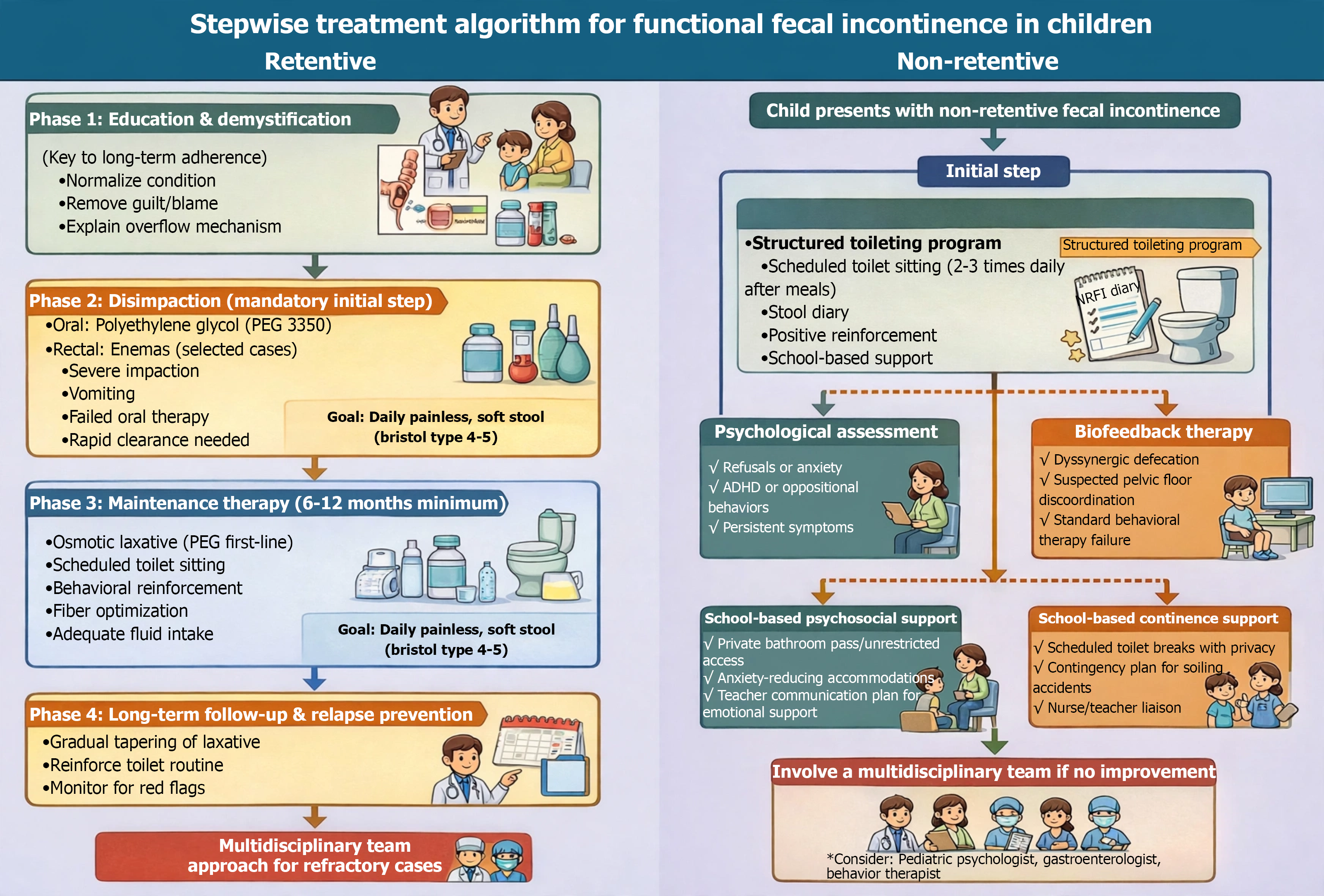
Figure 4 Integrated management algorithms for pediatric functional fecal incontinence retentive and non-retentive subtypes.
This composite figure presents parallel, structured management pathways for the two major subtypes of pediatric functional fecal incontinence (FI). Functional retentive FI management follows a stepwise medical-behavioral approach beginning with education and demystification, mandatory disimpaction (preferably oral polyethylene glycol), and prolonged maintenance therapy combining osmotic laxatives, scheduled toileting, behavioral reinforcement, dietary optimization, and hydration. Long-term follow-up with gradual tapering is essential to prevent relapse. Non-retentive FI emphasizes behavioral and psychosocial interventions. First-line therapy includes structured toileting programs and positive reinforcement. Psychological assessment is recommended when comorbid behavioral or emotional disorders are suspected. Biofeedback therapy may be considered in selected cases. School-based accommodations are integral to sustained improvement. Together, these algorithms highlight the fundamental therapeutic distinction between constipation-driven overflow incontinence and behaviorally mediated non-retentive incontinence, underscoring the need for subtype-specific management strategies. PEG: Polyethylene glycol; ADHD: Attention-deficit/hyperactivity disorder.
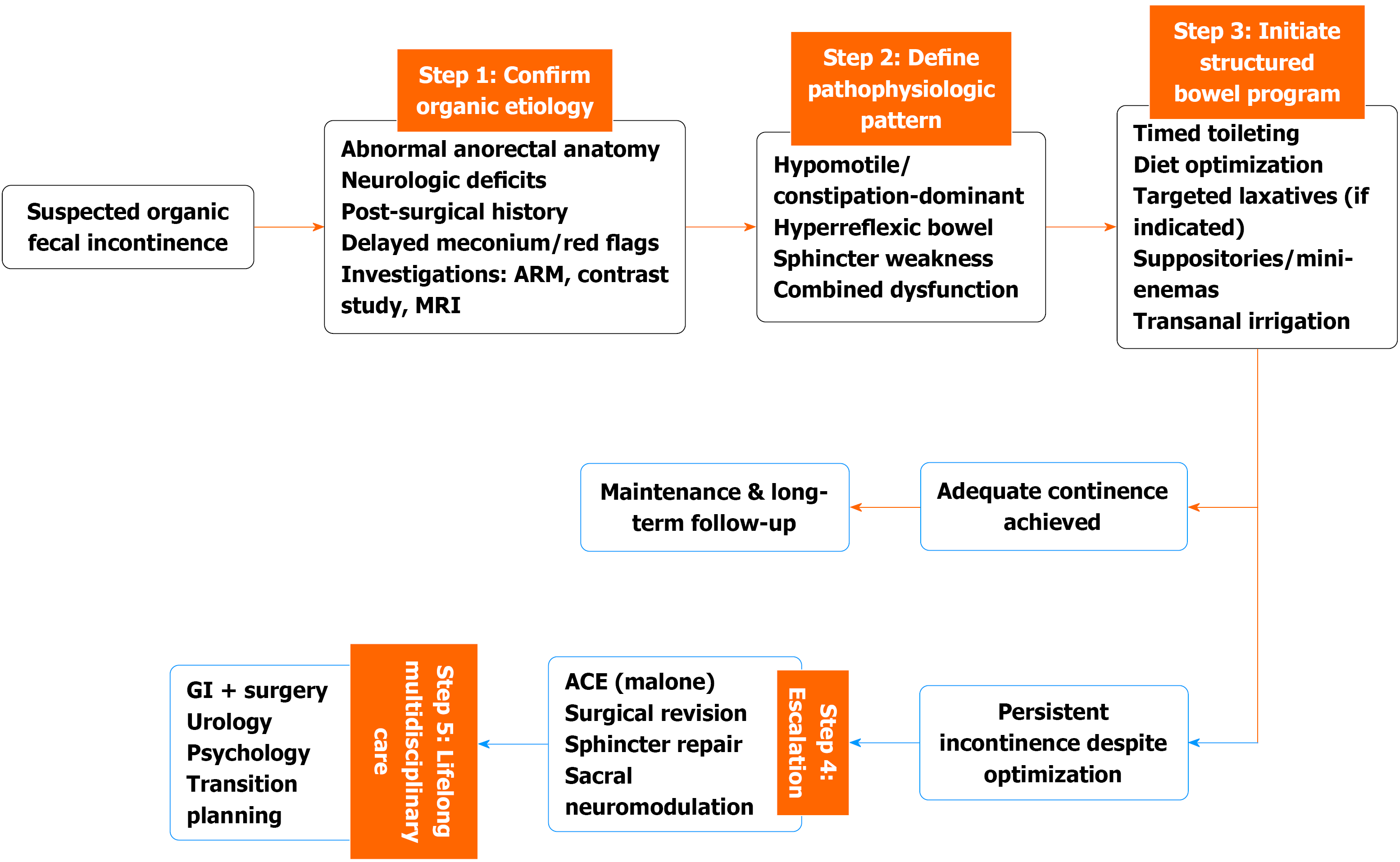
Figure 5 Management algorithm for organic fecal incontinence in children.
The algorithm begins with confirmation of an organic etiology through clinical evaluation and targeted investigations. Management is guided by the dominant pathophysiologic pattern and initiated with a structured bowel program. If continence is achieved, maintenance therapy and longitudinal follow-up are recommended. Persistent incontinence warrants escalation to advanced interventions, including antegrade continence enema, surgical revision, sphincter reconstruction, or neuromodulation. Most patients require coordinated multidisciplinary care and long-term follow-up. ACE: Antegrade continence enema; ARM: Anorectal malformation; MRI: Magnetic resonance imaging; GI: Gastroenterology.
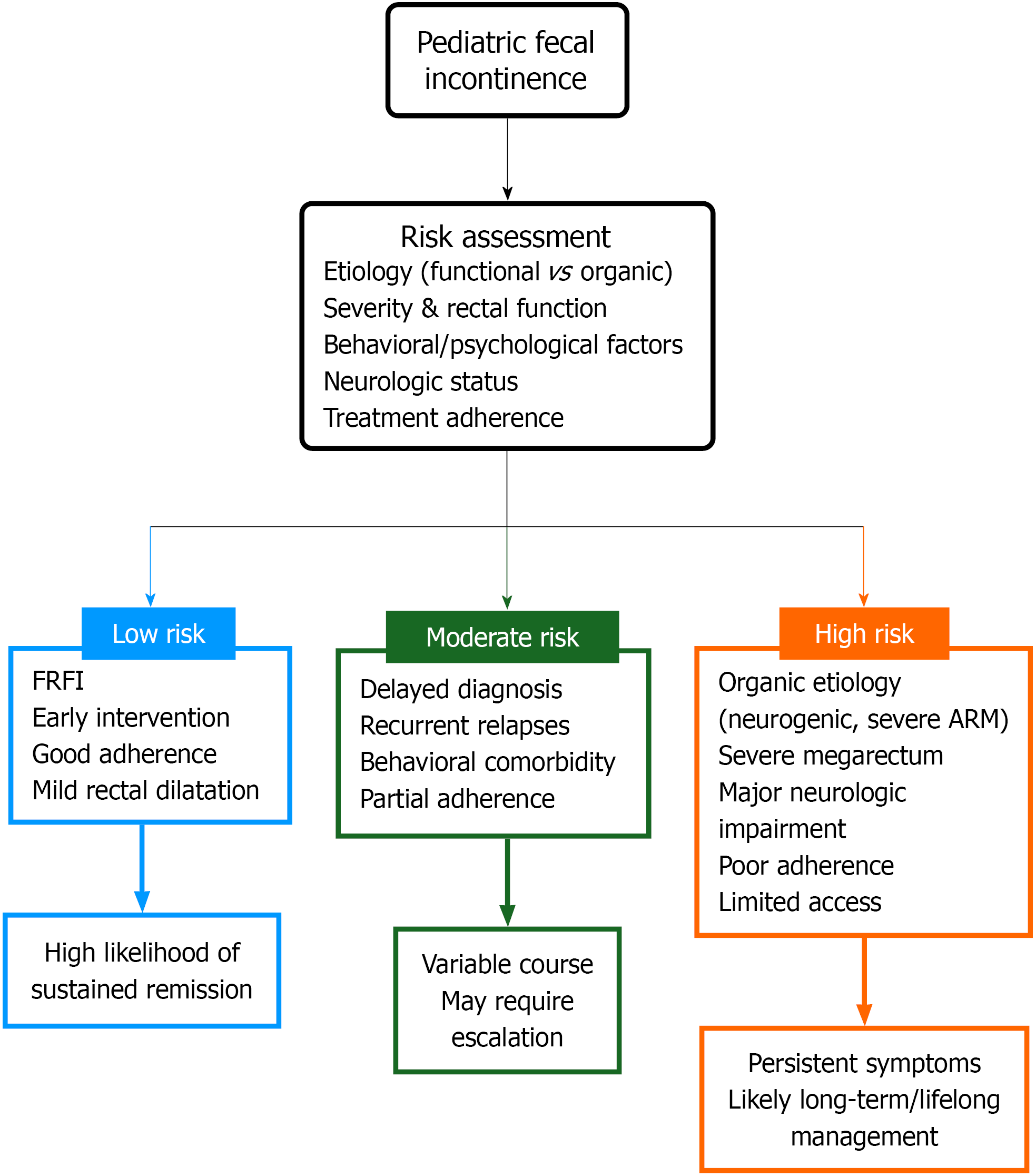
Figure 6 Risk stratification model for persistence of pediatric fecal incontinence.
Prognosis is influenced by etiology, severity of anorectal dysfunction, behavioral and neurologic comorbidities, treatment adherence, and access to multidisciplinary care. Children with functional retentive fecal incontinence who receive early intervention and maintain adherence typically demonstrate favorable long-term outcomes (low risk). Moderate risk is associated with delayed diagnosis, recurrent relapse, or behavioral comorbidity. High-risk patients—particularly those with organic etiologies, severe rectal dysfunction, neurologic impairment, or poor adherence—frequently require prolonged or lifelong bowel management. FRFI: Functional retentive fecal incontinence; ARM: Anorectal malformation.
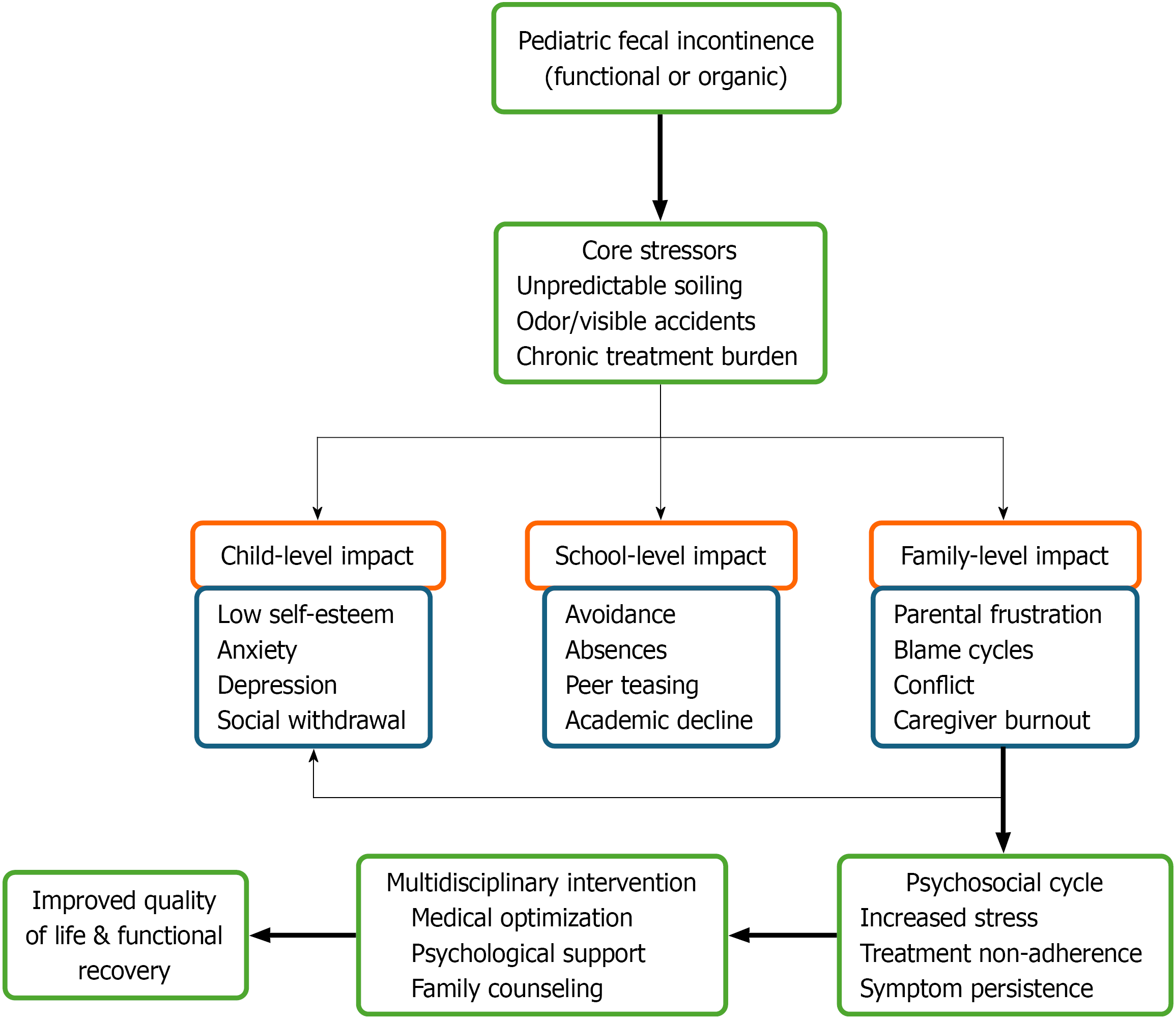
Figure 7 Conceptual model of psychosocial impact in pediatric fecal incontinence.
Pediatric fecal incontinence generates core stressors related to unpredictability, stigma, and chronic treatment demands. These stressors affect the child (self-esteem, anxiety, social withdrawal), school functioning (avoidance, absenteeism, academic impairment), and family dynamics (parental frustration, conflict, caregiver burnout). Without intervention, these factors may create a self-perpetuating psychosocial cycle that worsens adherence and symptom persistence. Early multidisciplinary intervention interrupts this cycle, improving psychological well-being, social integration, and overall quality of life.
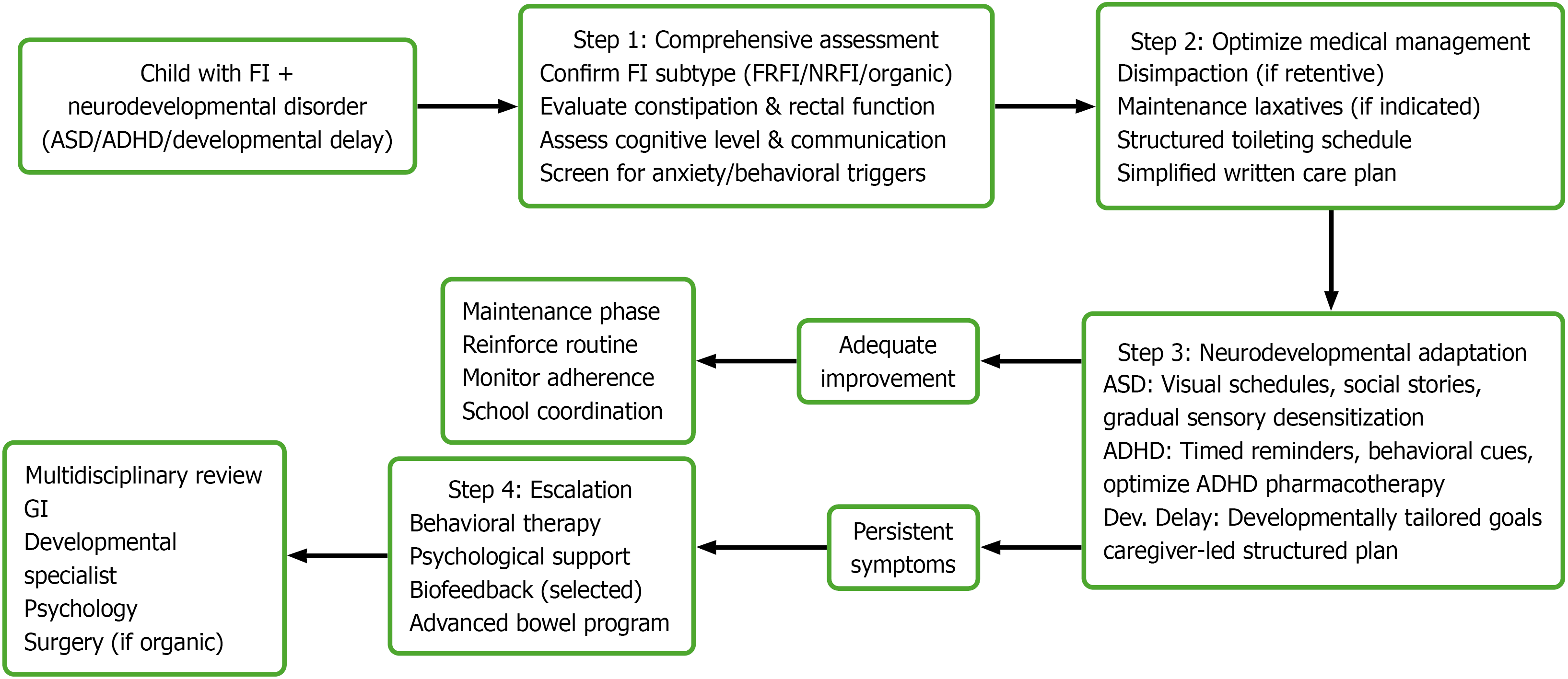
Figure 8 Tailored management algorithm for fecal incontinence in children with neurodevelopmental disorders.
Management begins with confirmation of fecal incontinence subtype and assessment of cognitive and behavioral factors. Standard medical therapy is optimized according to pathophysiology, followed by neurodevelopmentally adapted behavioral strategies. Children with autism spectrum disorder benefit from visual supports and sensory desensitization, whereas those with attention-deficit/hyperactivity disorder (ADHD) require structured reminders and optimization of ADHD treatment. Developmental delay necessitates individualized, caregiver-led programs. Persistent symptoms warrant escalation to behavioral therapy, psychological support, or advanced bowel management within a multidisciplinary framework. FI: Fecal incontinence; ASD: Autism spectrum disorder; ADHD: Attention-deficit/hyperactivity disorder; FRFI: Functional retentive fecal incontinence; NRFI: Non-retentive fecal incontinence; GI: Gastroenterology.
- Citation: Al-Beltagi M. Clinical guidelines for the diagnosis and management of pediatric fecal incontinence: A comprehensive review and treatment algorithm. World J Clin Pediatr 2026; 15(4): 120203
- URL: https://www.wjgnet.com/2219-2808/full/v15/i4/120203.htm
- DOI: https://dx.doi.org/10.5409/wjcp.120203