
















Copyright: ©Author(s) 2026.
World J Clin Pediatr. Dec 9, 2026; 15(4): 120091
Published online Dec 9, 2026. doi: 10.5409/wjcp.120091
Published online Dec 9, 2026. doi: 10.5409/wjcp.120091
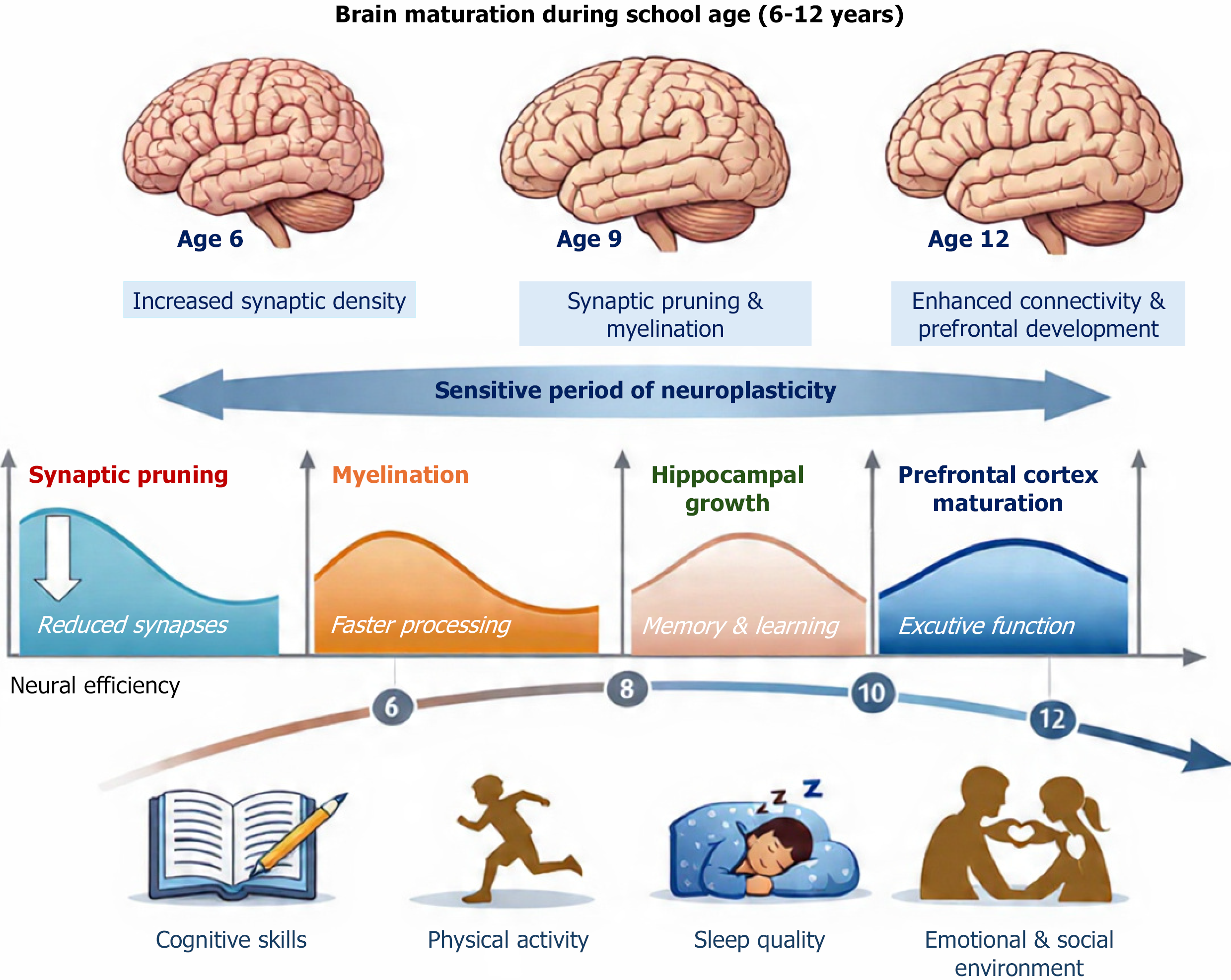
Figure 1 Neurodevelopmental trajectories and brain maturation during the school-age period (6-12 years).
It illustrates key neurodevelopmental processes occurring during the school-age period (6-12 years), a sensitive window of heightened brain plasticity. Progressive maturation is depicted across three representative ages (6 years, 9 years, and 12 years), highlighting dynamic changes in brain structure and function. Early school-age is characterized by high synaptic density, followed by activity-dependent synaptic pruning that enhances neural efficiency. Concurrently, ongoing myelination of frontoparietal and frontostriatal pathways supports faster information processing and improved executive control. Refinement of hippocampal circuitry underpins advances in learning and memory, while prolonged maturation of the prefrontal cortex facilitates the development of higher-order cognitive functions, including working memory, inhibitory control, and cognitive flexibility. It also emphasizes the influence of modifiable environmental factors – such as cognitive stimulation, physical activity, sleep quality, and emotional and social support – on shaping neurodevelopmental trajectories during this period. Collectively, these processes underscore the school years as a critical window for targeted, evidence-based interventions to optimize cognitive function and intelligence.
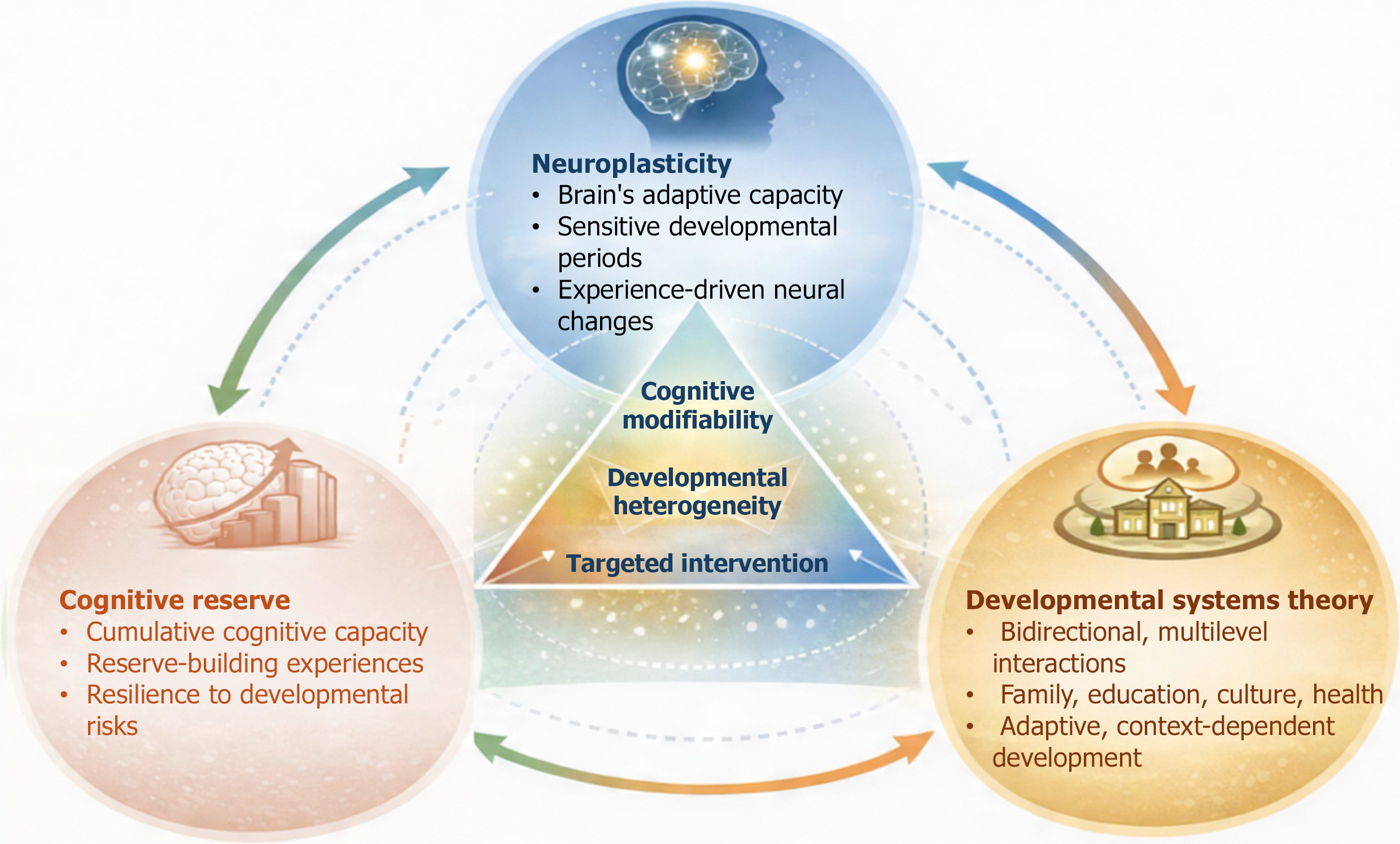
Figure 2 Integrated conceptual framework linking neuroplasticity, cognitive reserve, and developmental systems theory.
It illustrates the dynamic, bidirectional relationships among neuroplasticity, cognitive reserve, and developmental systems theory, as complementary mechanisms underlying cognitive development across childhood. Neuroplasticity is a foundational biological process that enables experience-dependent structural and functional changes in the brain, particularly during developmentally sensitive periods. Cognitive reserve is represented as an emergent, cumulative capacity arising from repeated cognitive engagement, environmental enrichment, and adaptive neural network utilization, conferring resilience against developmental risk and variability in cognitive outcomes. Developmental systems theory encompasses and contextualizes both constructs, highlighting the continuous interactions among neural maturation, behavior, and multilevel environmental influences (e.g., family, education, culture, and health). Together, these interconnected processes support cognitive modifiability, developmental heterogeneity, and differential responsiveness to intervention across cognitive domains and developmental stages.
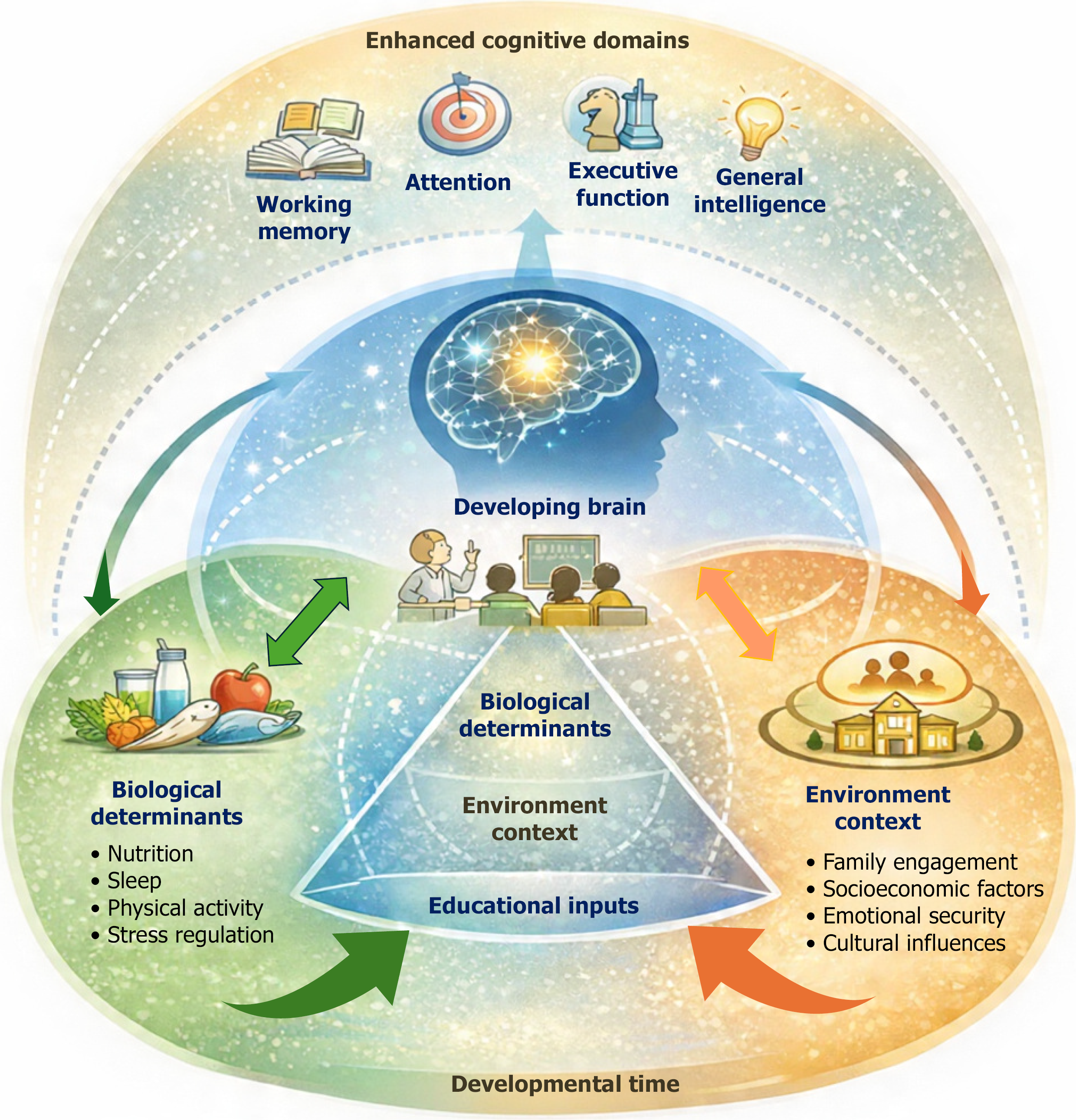
Figure 3 Integrative model of cognitive enhancement in school-age children.
It illustrates the proposed integrative mode in which cognitive enhancement arises from the dynamic and bidirectional interplay among biological, environmental, and educational determinants within a developing neuroplastic brain. These integrated factors cumulatively build cognitive reserve over developmental time, resulting in enhanced cognitive domains in school-age children.
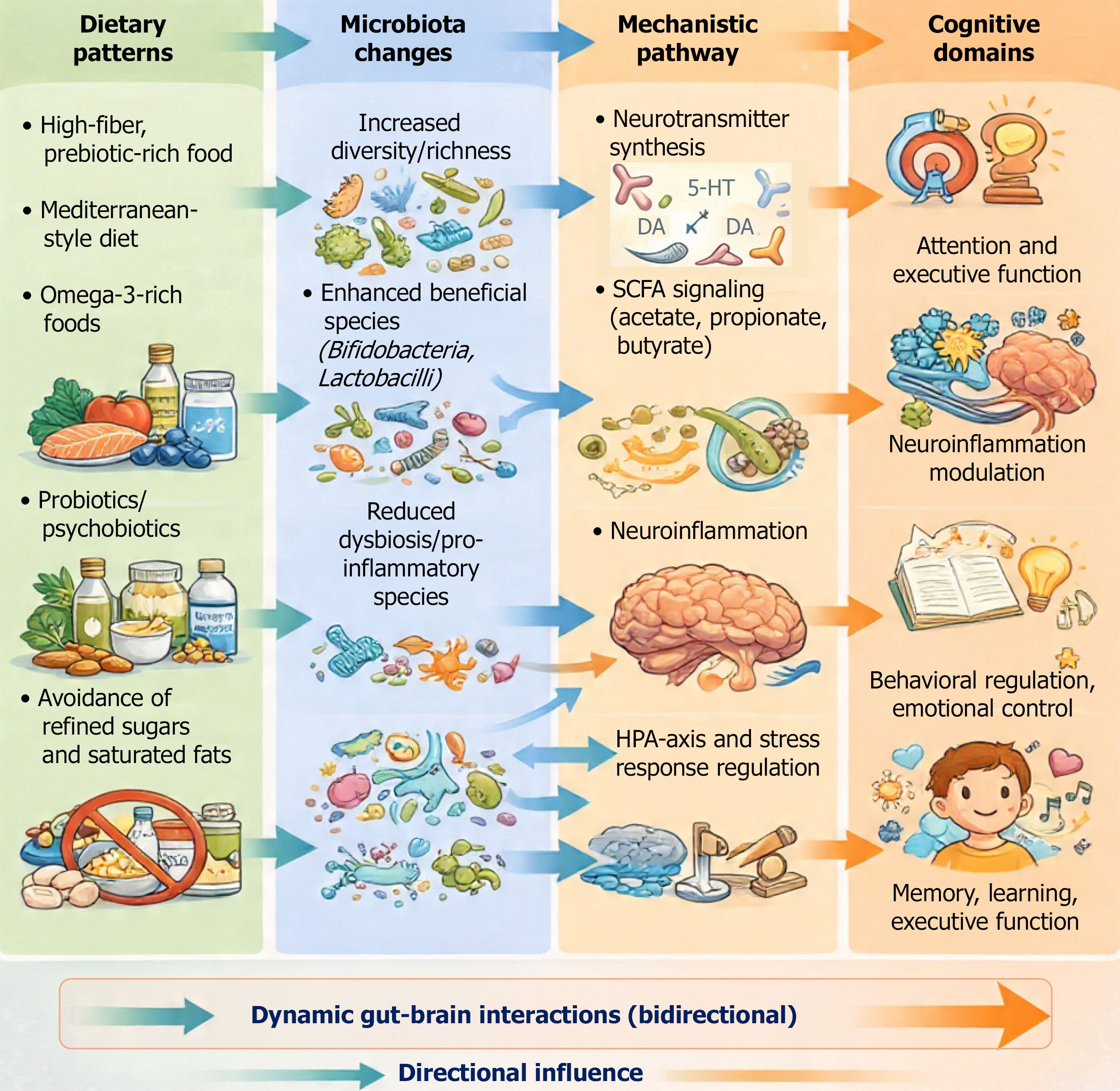
Figure 4 Modulation of diet-microbiota-brain pathways: Supporting cognitive functions in school-age children.
Dietary patterns modulate gut microbiota composition and diversity, influencing mechanistic pathways, including neurotransmitter synthesis, short-chain fatty acid signaling, neuroinflammation, and hypothalamic-pituitary-adrenal-axis regulation – which in turn shape key cognitive domains such as attention, working memory, executive function, learning, and behavioral regulation. High-fiber, prebiotic-rich, and Mediterranean-style diets, along with probiotics or psychobiotics, promote beneficial microbial populations and enhance cognitive resilience, whereas diets high in refined sugars or saturated fats may reduce diversity and impair cognitive performance. Arrows indicate directional influence, while bidirectional interactions between microbiota and mechanistic pathways reflect dynamic feedback in the gut-brain axis. This integrative model emphasizes diet as a modifiable lever for cognitive enhancement during the school-age developmental window. DA: Dopamine; HPA: Hypothalamic-pituitary-adrenal; SCFA: Short-chain fatty acid; 5-HT: 5-hydroxytryptamine.
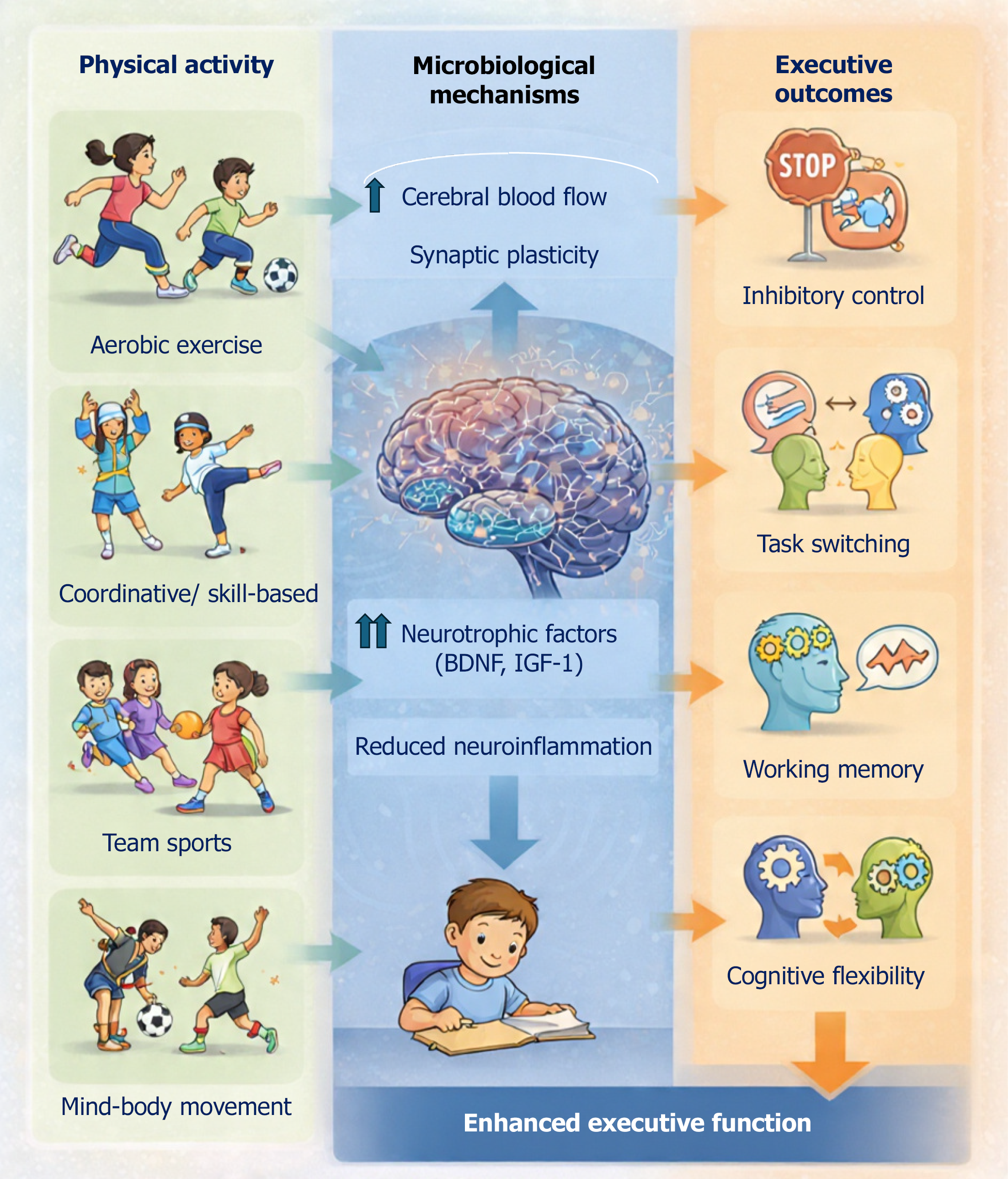
Figure 5 Physical activity and executive function in school-age children.
BDNF: Brain-derived neurotrophic factor; IGF-1: Insulin-like growth factor-1.
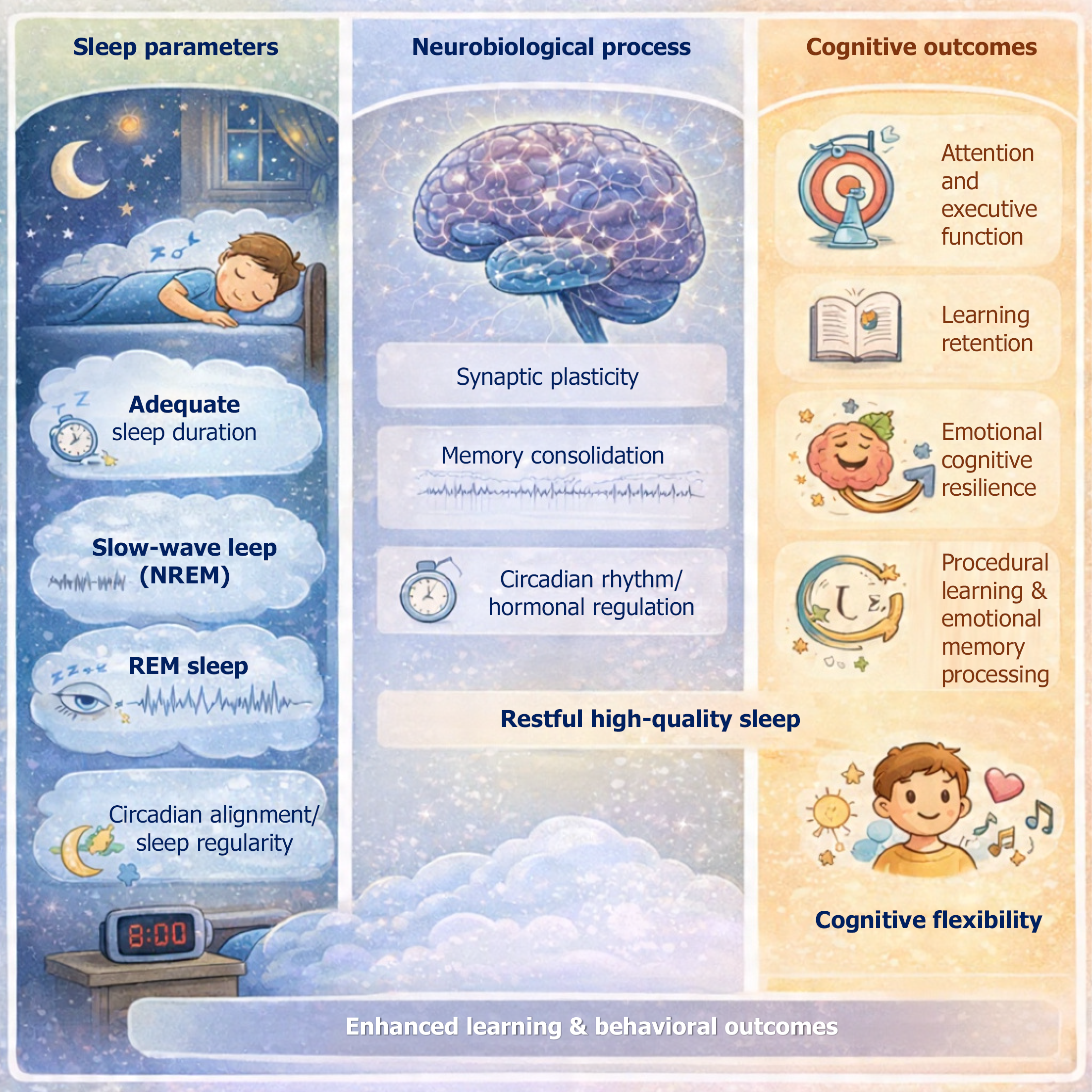
Figure 6 Sleep architecture and cognitive outcomes in school-age children.
It illustrates the relationship between key sleep parameters and cognitive outcomes in school-age children through underlying neurobiological mechanisms. Adequate sleep duration preserves slow-wave sleep (non-rapid eye movement), sufficient rapid eye movement sleep, and stable circadian alignment, supporting synaptic plasticity, hippocampal-cortical memory consolidation, and neuroendocrine regulation. These processes facilitate optimal functioning of executive domains, including attention, working memory, cognitive flexibility, emotional regulation, and learning retention. Disruption of sleep quantity, quality, or circadian timing may impair these neurobiological pathways, leading to suboptimal executive control and academic performance. The model emphasizes sleep as a modifiable, non-pharmacological target for optimizing neurocognitive development during the school years. NREM: Non-rapid eye movement; REM: Rapid eye movement.
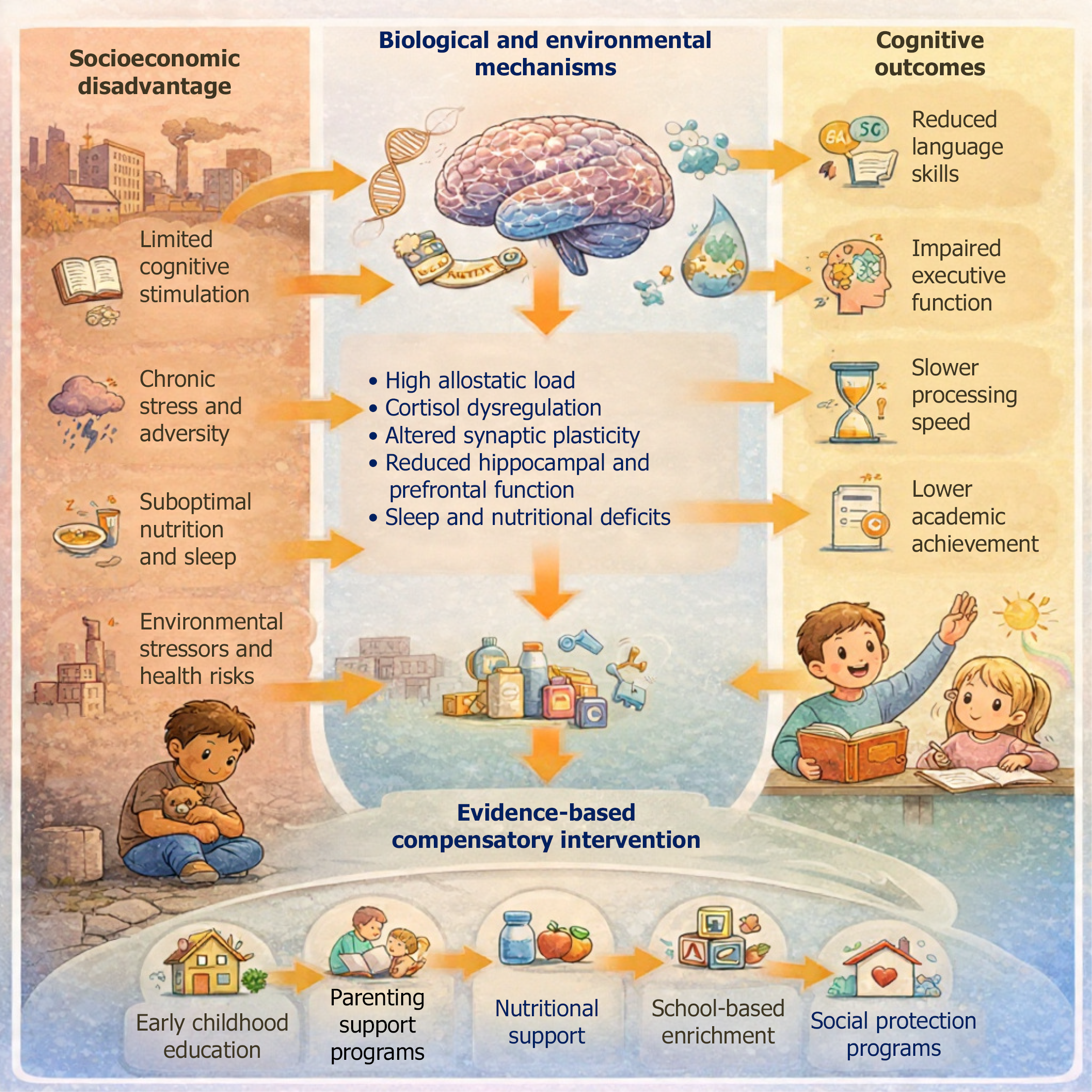
Figure 7 Socioeconomic determinants of cognitive development within an integrative neurodevelopmental framework.
It illustrates how socioeconomic status shapes cognitive development through interconnected biological, environmental, and psychosocial pathways. Socioeconomic disadvantage – characterized by limited cognitive stimulation, chronic stress and adversity, suboptimal nutrition and sleep, and increased environmental exposures – acts on key neurobiological mechanisms, including cortisol dysregulation, elevated allostatic load, altered synaptic plasticity, and reduced hippocampal and prefrontal cortex functioning. These processes collectively contribute to impairments across multiple cognitive domains, such as language development, executive function, processing speed, and academic achievement. The lower panel highlights evidence-based compensatory interventions, including early childhood education programs, parenting support initiatives, nutritional supplementation, school-based enrichment, and social protection policies, which can buffer adverse effects and promote cognitive resilience. It situates socioeconomic status as a central upstream determinant interacting with nutritional, neurobiological, behavioral, and environmental factors across development.
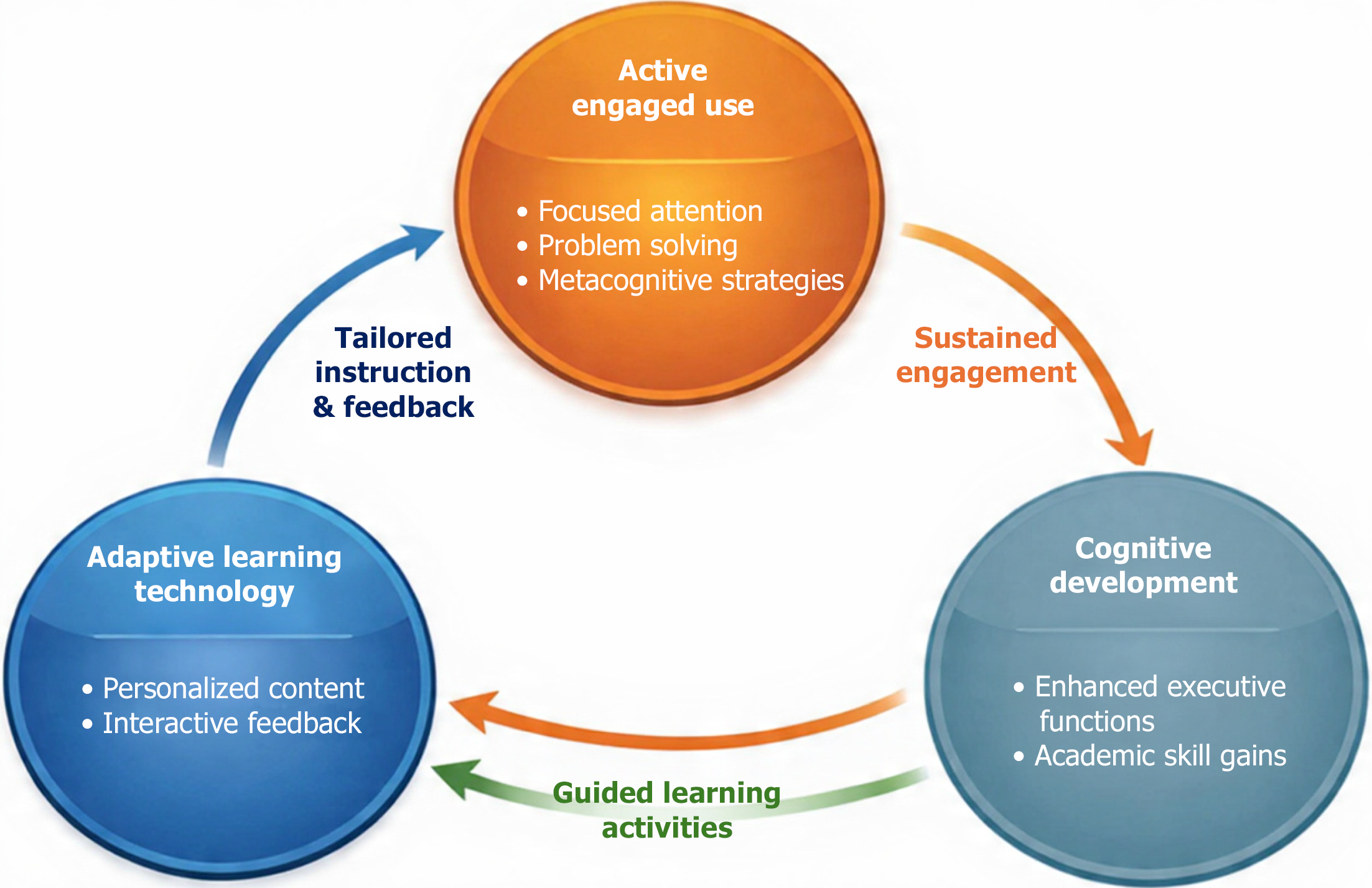
Figure 8 Adaptive technology and cognitive development: A conceptual model.
It illustrates the dynamic interactions between adaptive digital learning platforms, child engagement, and cognitive outcomes. Adaptive learning technology provides personalized content and interactive feedback, promoting active, engaged use through focused attention, problem-solving, and metacognitive strategies. Sustained engagement, in turn, drives cognitive development, including enhanced executive functions, academic skill gains, and metacognitive growth. Feedback loops indicate that improvements in cognitive outcomes reinforce engagement, while guided learning activities strengthen the connection between adaptive technology and engagement. This model highlights the potential for structured, goal-directed digital interventions to augment school-age cognitive development while emphasizing the importance of context, supervision, and purposeful instructional design.
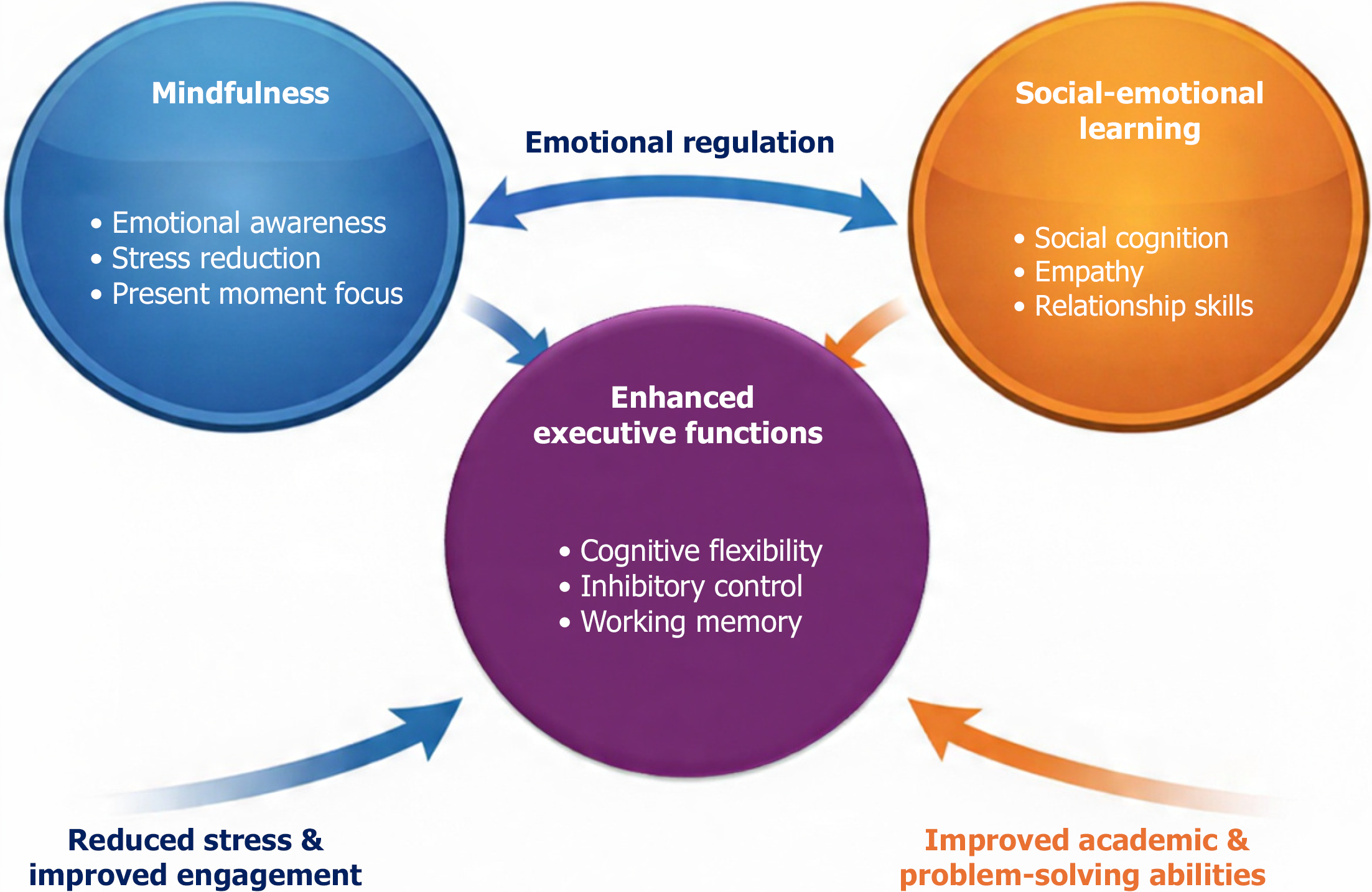
Figure 9 Integrative model linking mindfulness, social–emotional learning, and executive functions in cognitive development.
It depicts an integrative model linking mindfulness and social-emotional learning (SEL) to the development of executive functions and higher-order cognition. Mindfulness practices enhance attention regulation, self-monitoring, and emotional control by modulating prefrontal-limbic systems. SEL programs strengthen social cognition, empathy, and emotion understanding, which further support inhibitory control, cognitive flexibility, and goal-directed behavior. Bidirectional interactions between mindfulness and SEL reinforce adaptive self-regulation and stress resilience. These converging pathways promote improved learning engagement, academic performance, and long-term cognitive and psychosocial outcomes, with effects moderated by developmental stage and implementation context.
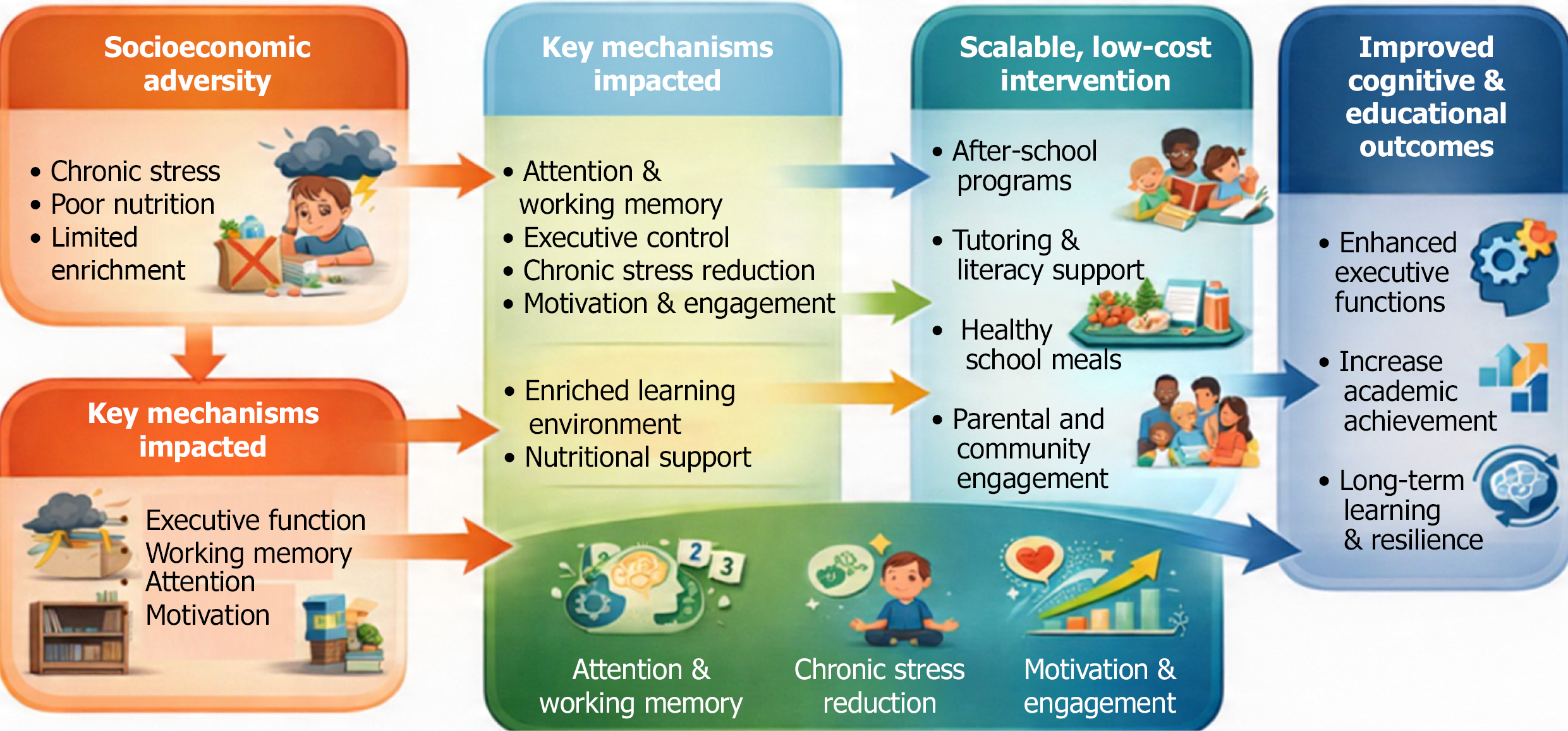
Figure 10 Cognitive development in children facing socioeconomic or educational disadvantages.
It illustrates the pathways linking socio
- Citation: Al-Beltagi M. Unleashing children’s potential: An evidence-based narrative review of strategies to enhance cognitive function and intelligence in school-age children. World J Clin Pediatr 2026; 15(4): 120091
- URL: https://www.wjgnet.com/2219-2808/full/v15/i4/120091.htm
- DOI: https://dx.doi.org/10.5409/wjcp.120091