
















Copyright: ©Author(s) 2026.
World J Clin Pediatr. Sep 9, 2026; 15(3): 120485
Published online Sep 9, 2026. doi: 10.5409/wjcp.120485
Published online Sep 9, 2026. doi: 10.5409/wjcp.120485
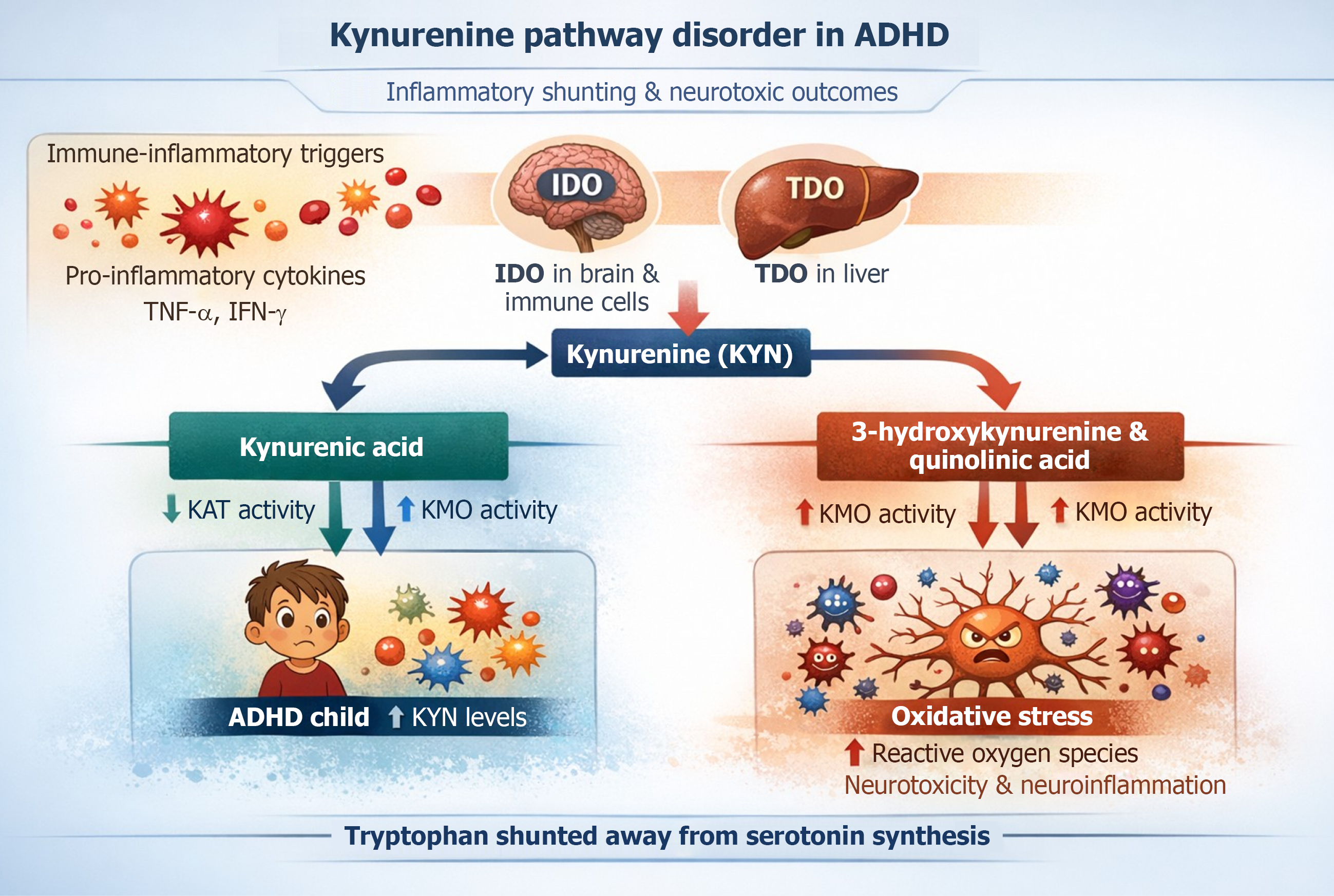
Figure 1 Neuroinflammation and tryptophan shunting in attention-deficit/hyperactivity disorder pathophysiology.
This diagram outlines how immune-inflammatory triggers redirect tryptophan metabolism. In attention-deficit/hyperactivity disorder, increased enzymatic activity “shunts” tryptophan away from serotonin, favoring the production of neurotoxic compounds like quinolinic acid. The failure of the kynurenine aminotransferase branch to produce sufficient neuroprotective kynurenic acid creates an imbalance that contributes to neuronal oxidative stress and glutamate dysregulation. ADHD: Attention-deficit/hyperactivity disorder; IDO: Indoleamine 2,3-dioxygenase; IFN-γ: Interferon-gamma; KAT: Kynurenine aminotransferase; KMO: Kynurenine 3-monooxygenase; KYN: Kynurenine; TDO: Tryptophan dioxygenase; TNF-α: Tumor necrosis factor-alpha; ROS: Reactive oxygen species.
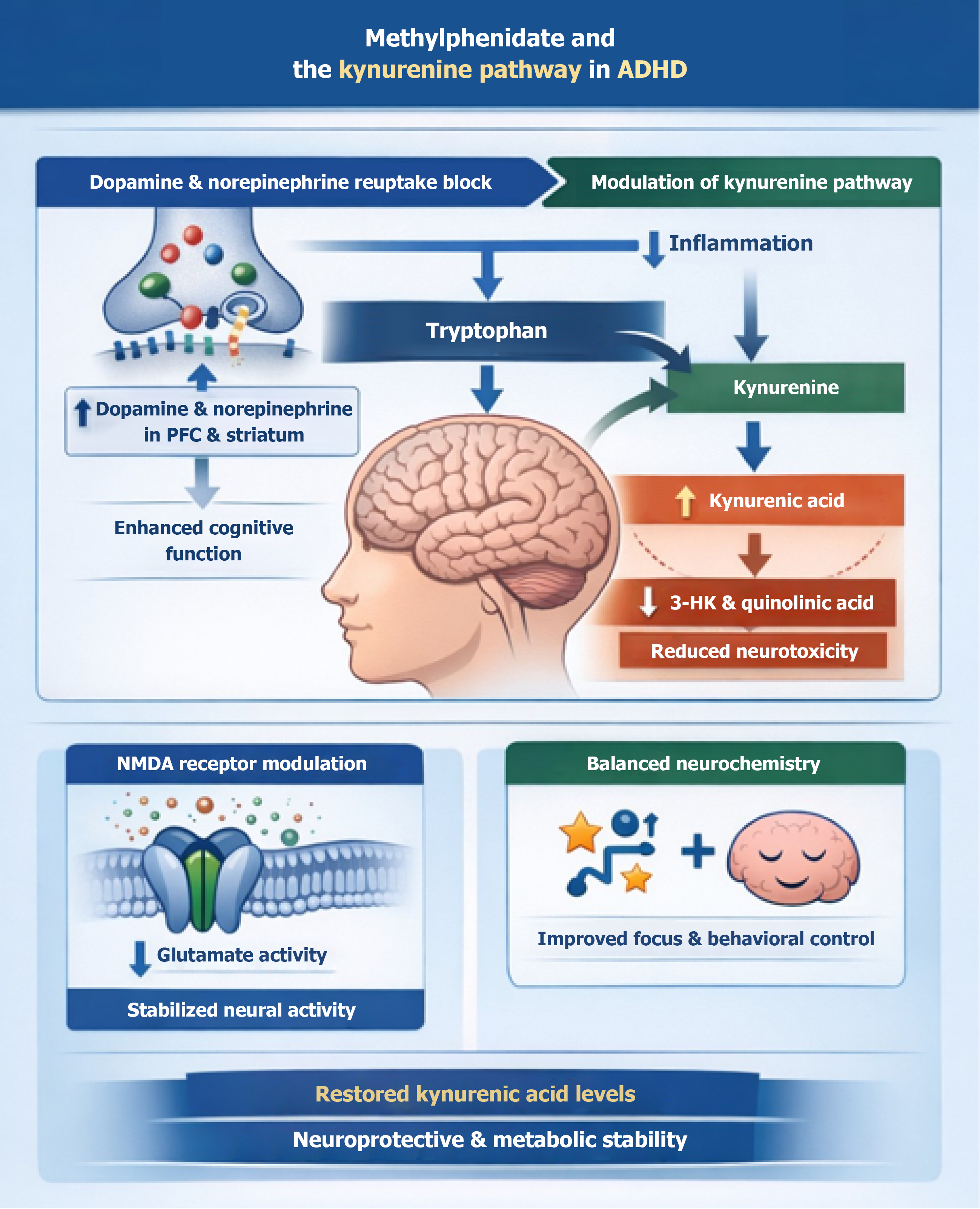
Figure 2 Metabolic and circuit-level synergy of stimulant therapy in attention-deficit/hyperactivity disorder.
Methylphenidate enhances the brain’s internal valuation system through a two-pronged mechanism: (1) Direct dopaminergic enhancement in the prefrontal cortex and striatum; and (2) Kynurenine pathway modulation. The resulting increase in kynurenic acid sensitizes reward circuitry while filtering out kynurenine-driven “noise”. This dual action reinforces reward signaling and behavioral inhibition, explaining the improved engagement with low-novelty tasks and the reduction in motor restlessness characteristic of successful stimulant treatment. ADHD: Attention-deficit/hyperactivity disorder; PFC: Prefrontal cortex; 3-HK: 3-hydroxykynurenine.
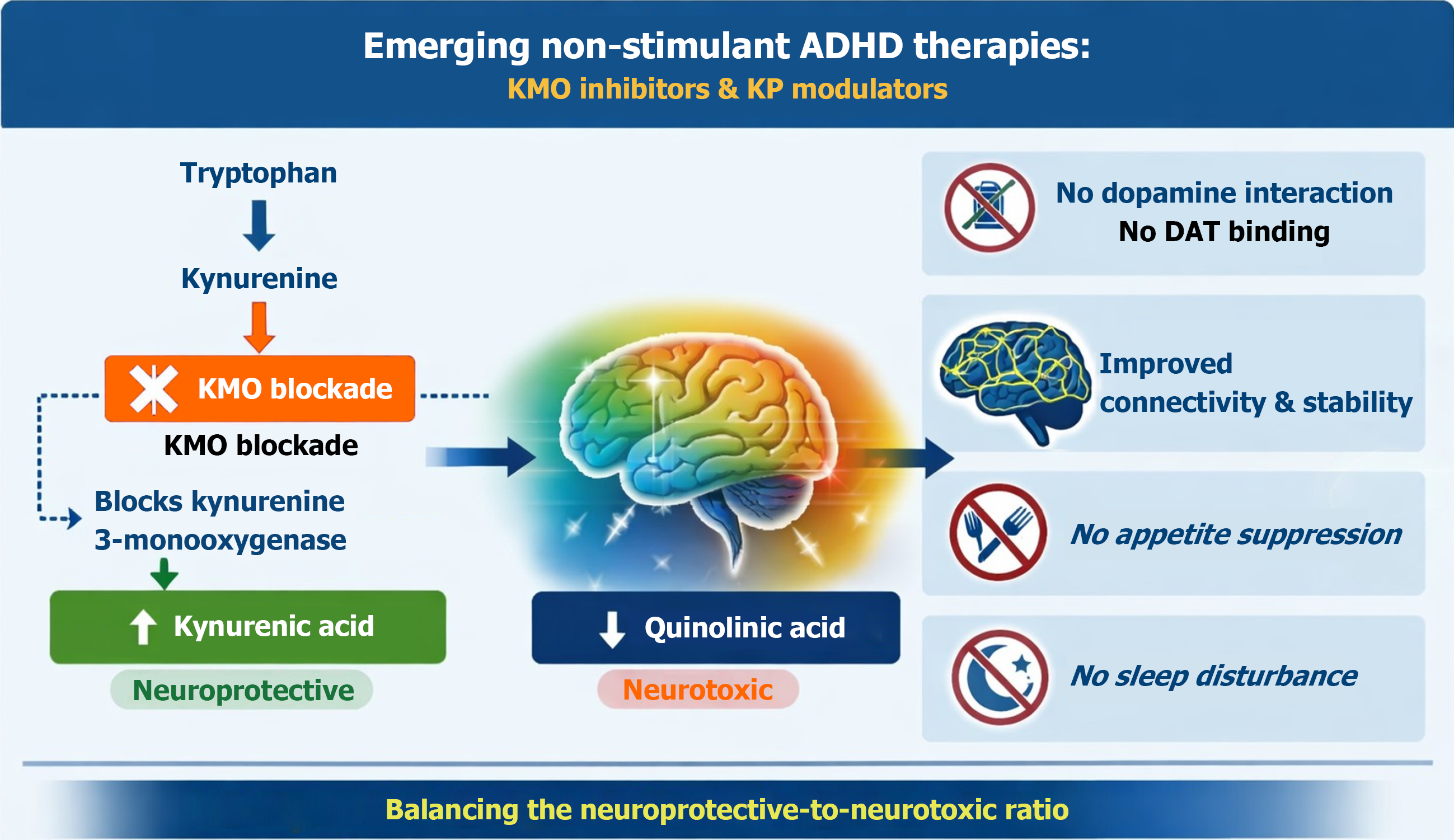
Figure 3 The “metabolic detour”: Selective kynurenine pathway modulation to restore network coordination.
A diagrammatic representation of the therapeutic potential of kynurenine 3-monooxygenase inhibitors in attention-deficit/hyperactivity disorder. Unlike stimulants that act on neurotransmitter transporters, kynurenine 3-monooxygenase inhibitors correct metabolic “noise” by preventing the accumulation of N-methyl-D-aspartate-agonistic neurotoxins. The resulting increase in the “neuroprotective buffer” (kynurenic acid) facilitates bottom-up stabilization of biological rhythms and network coordination, offering a precision-medicine approach for patients who are refractory to standard stimulant treatments. ADHD: Attention-deficit/hyperactivity disorder; DAT: Dopamine transporter; KMO: Kynurenine 3-monooxygenase; KP: Kynurenine pathway.
- Citation: Nagamine T. Kynurenine pathway dysregulation in attention-deficit hyperactivity disorder: Impact on N-methyl-D-aspartate receptors and phasic dopamine maturation. World J Clin Pediatr 2026; 15(3): 120485
- URL: https://www.wjgnet.com/2219-2808/full/v15/i3/120485.htm
- DOI: https://dx.doi.org/10.5409/wjcp.120485