
















Copyright: ©Author(s) 2026.
World J Clin Pediatr. Sep 9, 2026; 15(3): 119985
Published online Sep 9, 2026. doi: 10.5409/wjcp.119985
Published online Sep 9, 2026. doi: 10.5409/wjcp.119985
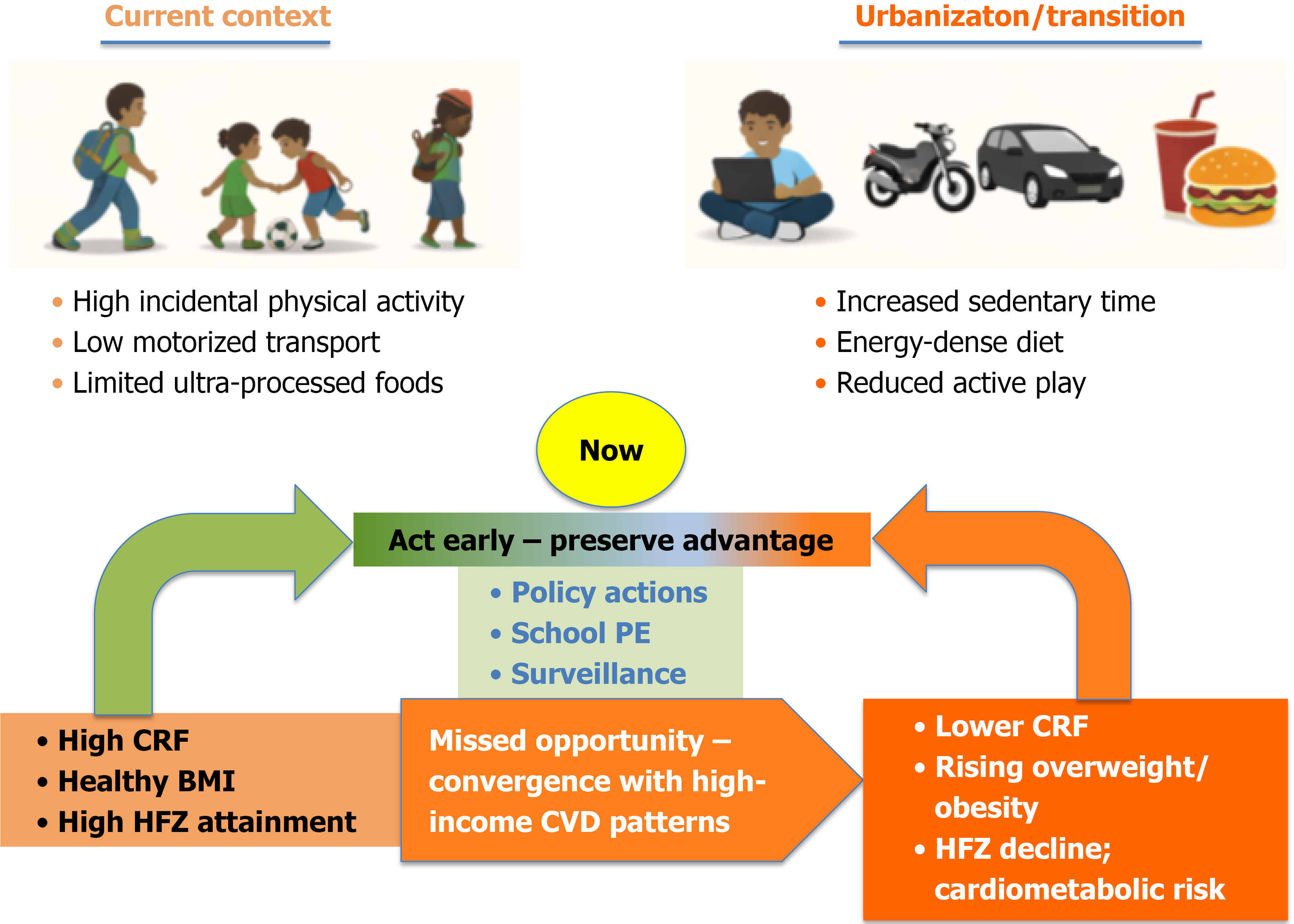
Figure 1 Schematic of cardiometabolic trajectories in Nigerian youth under lifestyle transition.
The left panel illustrates the current context in many regions of Nigeria, where active daily living-walking to school, informal outdoor play, and household chores-supports high cardiorespiratory fitness, healthy body mass index, and a high prevalence of FitnessGram healthy fitness zone achievement. The right panel depicts an increasingly urbanized, sedentary environment characterized by motorized transport, screen-based leisure, and energy-dense diets, which is associated with declining fitness, rising overweight/obesity, and elevated cardiometabolic risk. A central branching pathway highlights the present moment as a window of opportunity: Proactive policies and school- and community-based interventions can preserve and enhance the favourable trajectory, whereas inaction may lead Nigerian youth to converge toward the adverse cardiometabolic profiles already seen in many high-income countries. CRF: Cardiorespiratory fitness; HFZ: Healthy fitness zone; CVD: Cardiovascular disease; BMI: Body mass index; PE: Physical education.
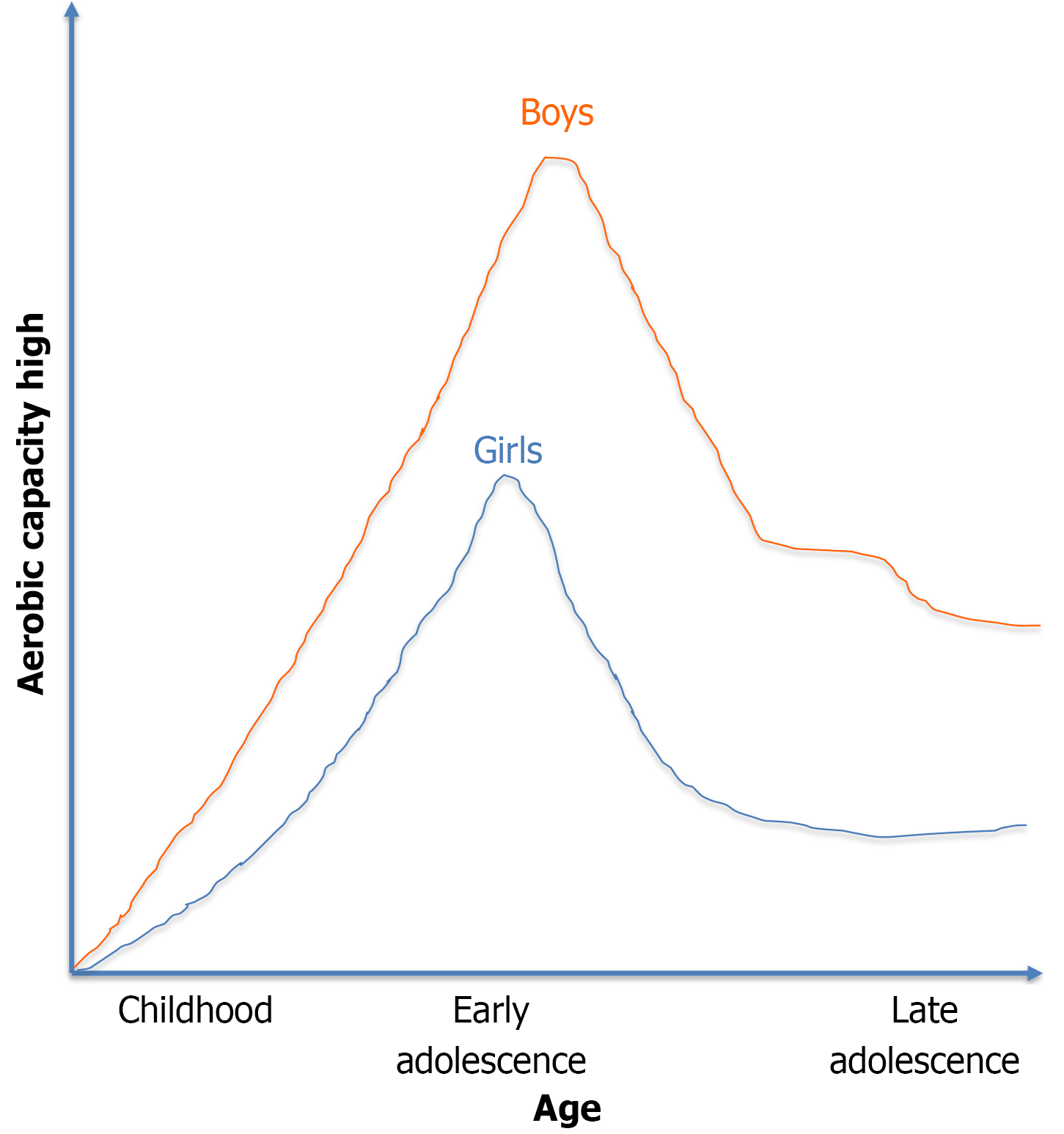
Figure 2 Age- and sex-specific gaps in aerobic capacity among Nigerian youth.
Conceptual trajectories illustrate relative aerobic capacity across childhood, early adolescence, and late adolescence, with the vertical axis representing aerobic capacity and the horizontal axis representing age. The orange curve shows boys achieving high aerobic capacity in early adolescence followed by a gradual decline, whereas the blue curve shows girls reaching a lower peak earlier and then plateauing at a comparatively reduced level. This pattern highlights emerging vulnerabilities in older boys and particularly in adolescent girls, underscoring the need for age- and gender-sensitive strategies to maintain FitnessGram healthy fitness zone achievement during the transition to late adolescence.
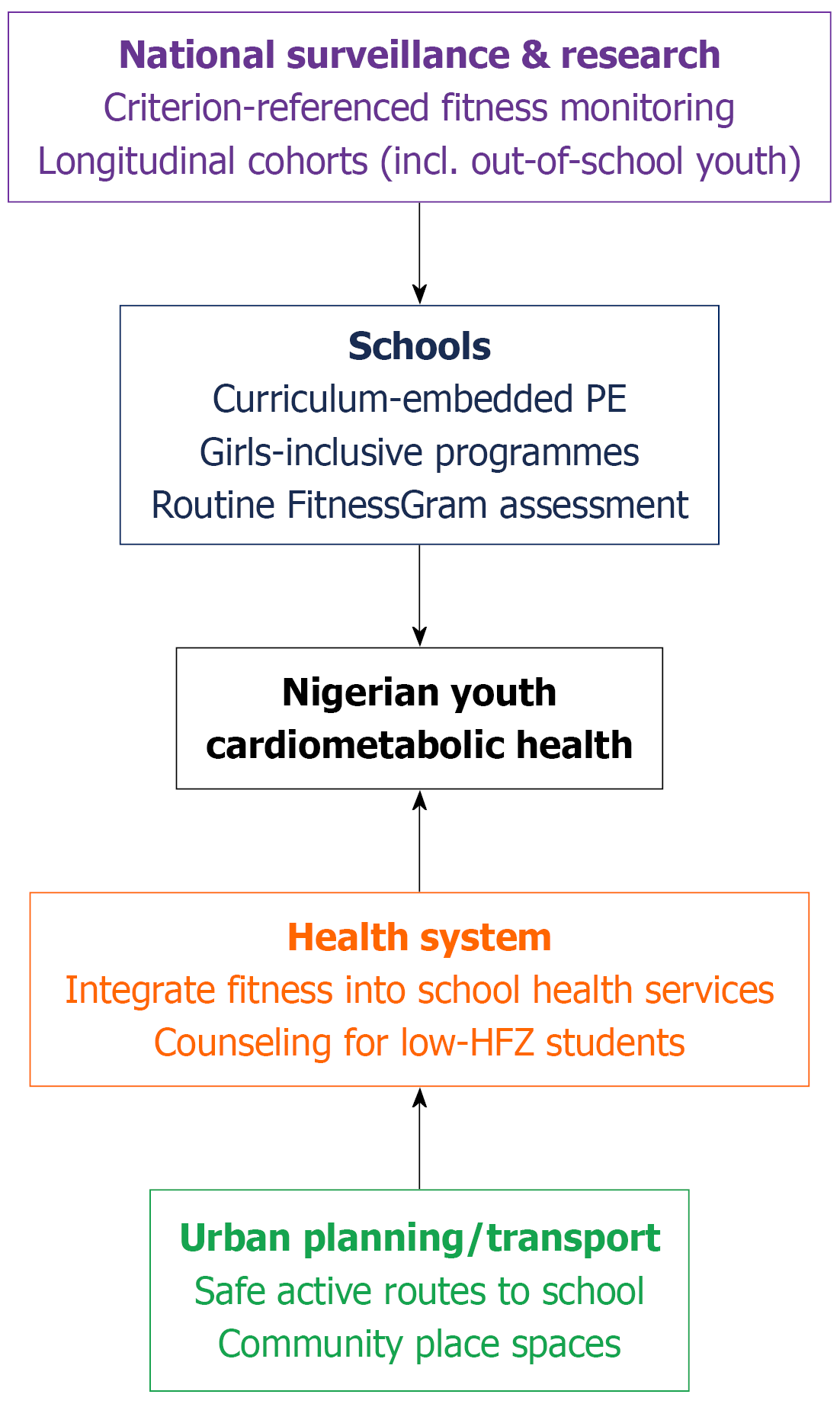
Figure 3 Multi-sectoral policy framework to preserve and enhance Nigerian youth cardiometabolic fitness, integrating education, health systems, built environment, and national surveillance.
The schematic depicts Nigerian youth cardiometabolic health at the centre, influenced by coordinated action across four sectors. National surveillance and research (top) provide criterion-referenced fitness monitoring and longitudinal cohorts, including out-of-school youth, to track trends and inform policy. Schools (upper middle) implement curriculum-embedded physical education, girls-inclusive programmes, and routine FitnessGram assessment to sustain high fitness levels. The health system (lower middle) integrates fitness into school health services and offers counselling for students who fall below healthy fitness zone thresholds. Urban planning and transport (bottom) support safe active routes to school and accessible community play spaces, reinforcing daily incidental physical activity. Together, these sectors form an integrated framework to maintain Nigeria’s current FitnessGram advantage and prevent deterioration with ongoing urbanization. HFZ: Healthy fitness zone; PE: Physical education.
- Citation: Bodiga VL, Vemuri PK, Bodiga S. Nigerian youth FitnessGram edge: A bright signal with important caveats. World J Clin Pediatr 2026; 15(3): 119985
- URL: https://www.wjgnet.com/2219-2808/full/v15/i3/119985.htm
- DOI: https://dx.doi.org/10.5409/wjcp.119985