
















Copyright: ©Author(s) 2026.
World J Clin Pediatr. Sep 9, 2026; 15(3): 118730
Published online Sep 9, 2026. doi: 10.5409/wjcp.118730
Published online Sep 9, 2026. doi: 10.5409/wjcp.118730
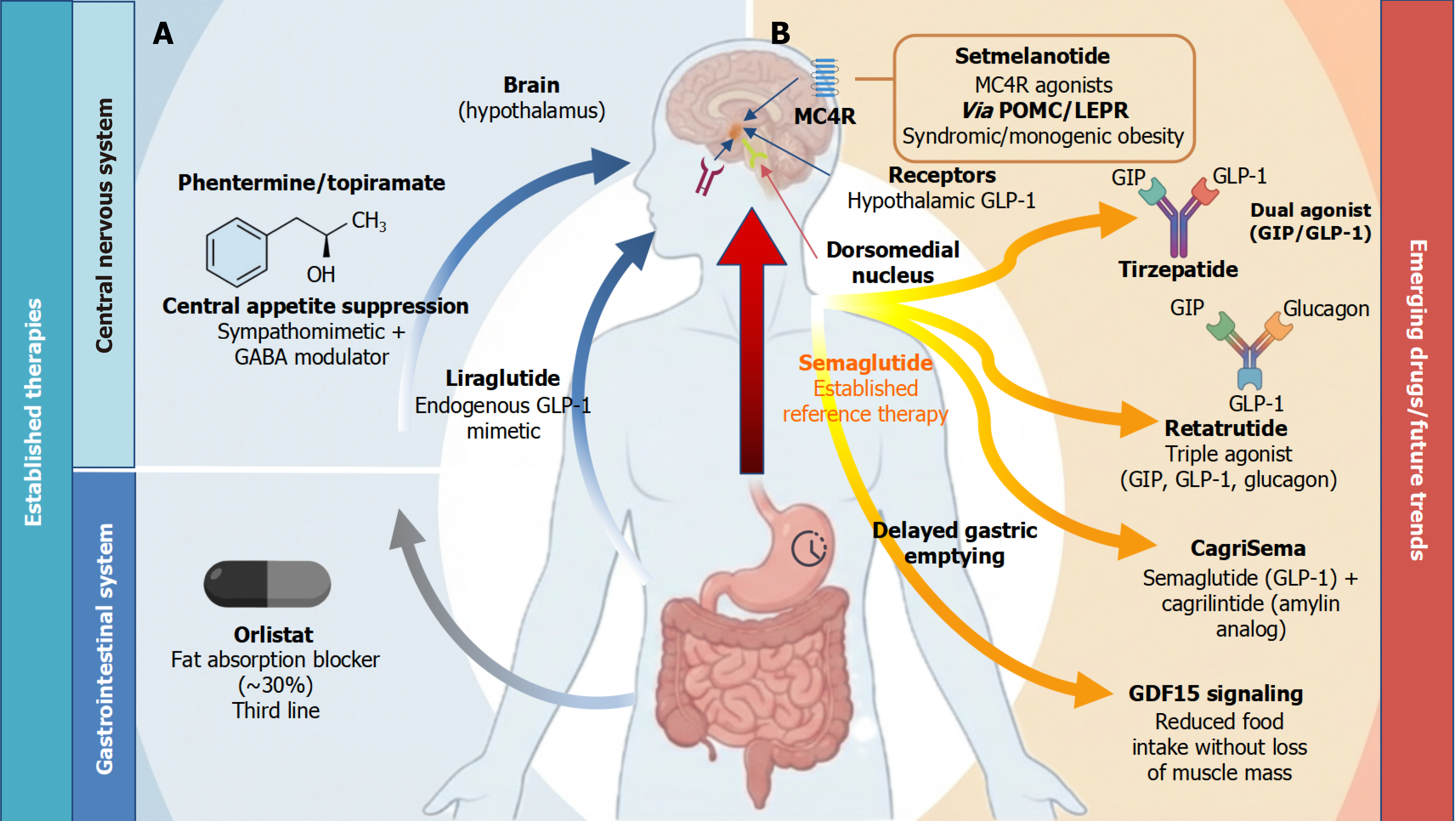
Figure 1 Current and emerging pharmacological landscape for adolescent obesity.
The mechanisms of action of the reviewed therapies are presented. A: Established therapies. These include peripheral agents like orlistat, which inhibits gastric and pancreatic lipases to reduce fat absorption; central appetite suppressants such as phentermine/topiramate (acting via gamma-aminobutyric acid modulation and sympathomimetic pathways); and glucagon-like peptide-1 receptor agonists (liraglutide and semaglutide) that target the hypothalamus and dorsomedial nucleus to increase satiety while delaying gastric emptying. Setmelanotide is shown targeting the melanocortin 4 receptor pathway for specific monogenic obesity cases; B: Emerging drugs and future trends. This section details next-generation multi-agonists, including dual glucose-dependent insulinotropic polypeptide/glucagon-like peptide-1 agonists (tirzepatide) and triple glucose-dependent insulinotropic polypeptide/glucagon-like peptide-1/glucagon agonists (retatrutide). It also highlights combination therapies like CagriSema (semaglutide and the amylin analog cagrilintide) and novel signaling pathways such as growth differentiation factor 15, aimed at reducing food intake while preserving lean muscle mass. GABA: Gamma-aminobutyric acid; MC4R: Melanocortin 4 receptor; POMC: Proopiomelanocortin; LEPR: Leptin receptor; GLP-1: Glucagon-like peptide-1; GIP: Glucose-dependent insulinotropic polypeptide; GDF15: Growth differentiation factor 15.
- Citation: Fuentes-Mendoza JM, Concepción-Zavaleta MJ, Dongo-Dueñas LG, Jara-Pianto JMJ, Sierra-Martel JA, Medina-Angulo CA, Virú-Flores HM, Mendoza-Godoy JJ, Zavaleta-Gutiérrez FE, Paz-Ibarra J. Current and forthcoming pharmacotherapies for adolescent obesity: Evidence-based review. World J Clin Pediatr 2026; 15(3): 118730
- URL: https://www.wjgnet.com/2219-2808/full/v15/i3/118730.htm
- DOI: https://dx.doi.org/10.5409/wjcp.118730