
















Copyright: ©Author(s) 2026.
World J Clin Pediatr. Sep 9, 2026; 15(3): 117421
Published online Sep 9, 2026. doi: 10.5409/wjcp.117421
Published online Sep 9, 2026. doi: 10.5409/wjcp.117421
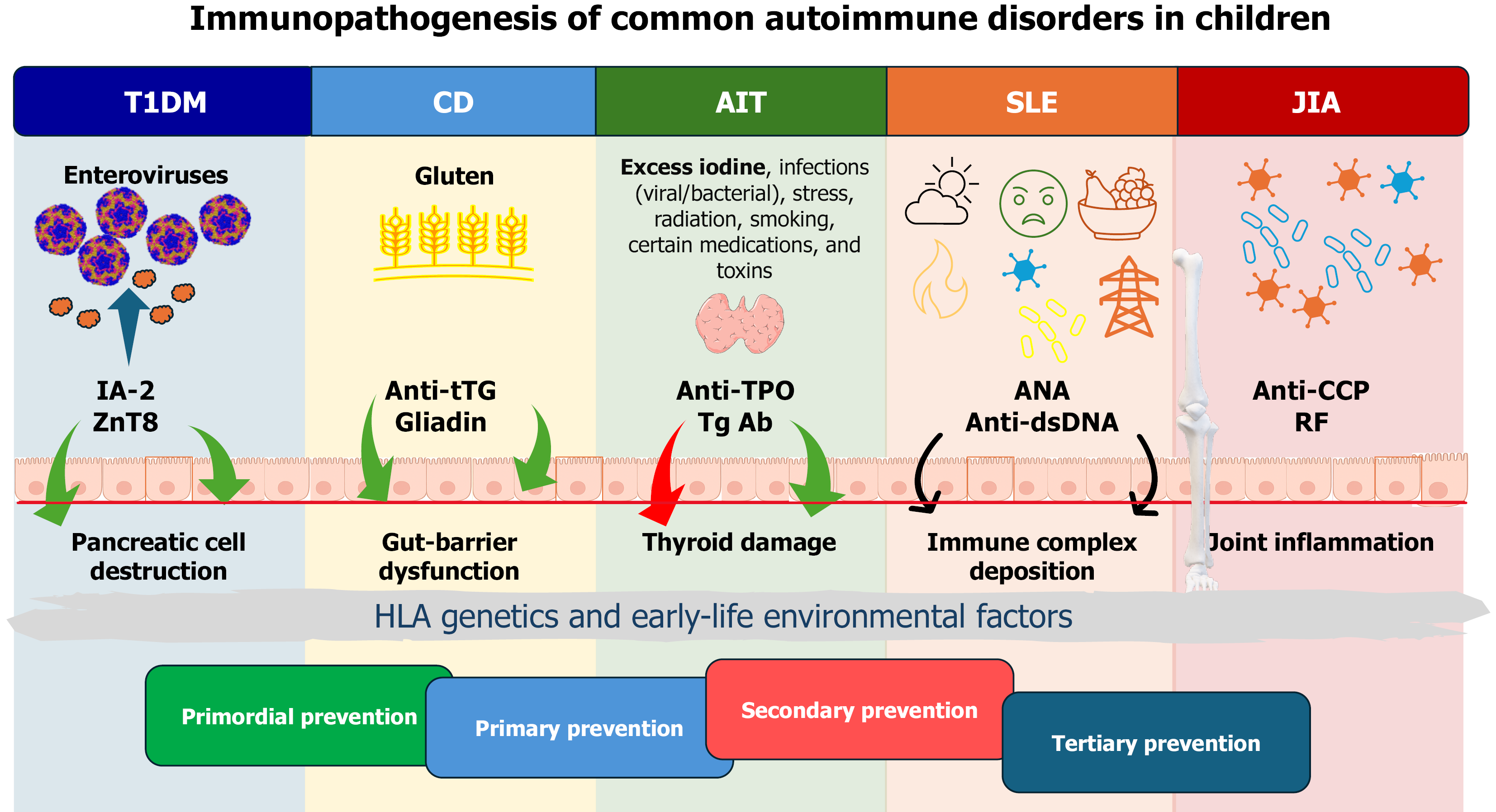
Figure 1 Comparative pathophysiological cascades and intervention windows in major pediatric autoimmune diseases.
This schematic compares the pathophysiological progression of five major pediatric autoimmune diseases. Shared mechanisms: All conditions share a common foundation of genetic susceptibility (primarily human leukocyte antigen and early-life environmental factors that promote systemic inflammation and gut barrier dysfunction. Disease-specific cascades: The transition to clinical disease is dictated by specific antigens (e.g., gluten in celiac) or infectious triggers (e.g., enteroviruses in type 1 diabetes mellitus) that drive organ-specific immune responses. Prevention rationale: The figure illustrates why primordial prevention (targeting the shared foundation) can be universal, whereas secondary prevention (targeting specific autoantibodies and biomarkers) must be tailored to the individual disease’s unique “immunological signature”. T1DM: Type 1 diabetes mellitus; CD: Celiac disease; AIT: Autoimmune thyroiditis; SLE: Systemic lupus erythematosus; JIA: Juvenile idiopathic arthritis; IA-2: Insulinoma-associated antigen 2; ZnT8: Zinc transporter 8; tTG: Tissue transglutaminase; TPO: Thyroid peroxidase; Tg: Thyroglobulin; Ab: Antibody; ANA: Anti
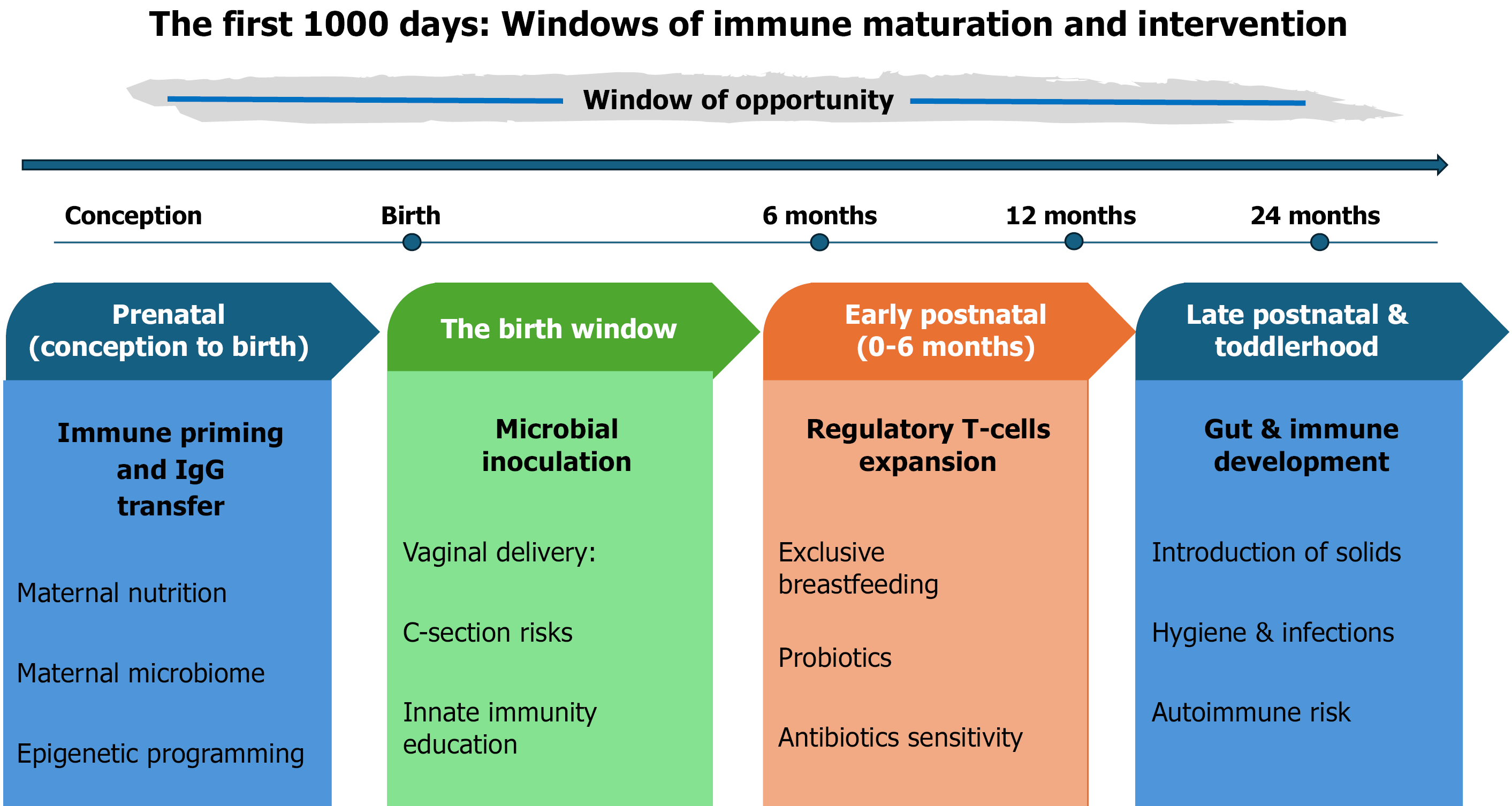
Figure 2 The first 1000 days: Critical windows for immune education and autoimmune prevention.
This schematic figure maps the temporal sequence of immune system maturation and microbiome colonization from conception through the second year of life. Prenatal phase: Highlights the role of maternal health and nutrition (e.g., vitamin D, omega-3) in epigenetic programming. Birth window: Illustrates the “microbial inoculation” phase, where delivery mode determines the initial pioneer species (e.g., Lactobacillus vs Staphylococcus). 0-6 months: Focuses on the role of human milk oligosaccharides and secretory immunoglobulin A in promoting regulatory T cells expansion. 6-24 months: Depicts the transition to an adult-like microbiome through complementary feeding and the development of oral tolerance. The shaded areas represent “windows of vulnerability” where environmental disruptions (e.g., antibiotics, dysbiosis) may shift the trajectory toward preclinical autoimmunity. Ig: Immunoglobulin.
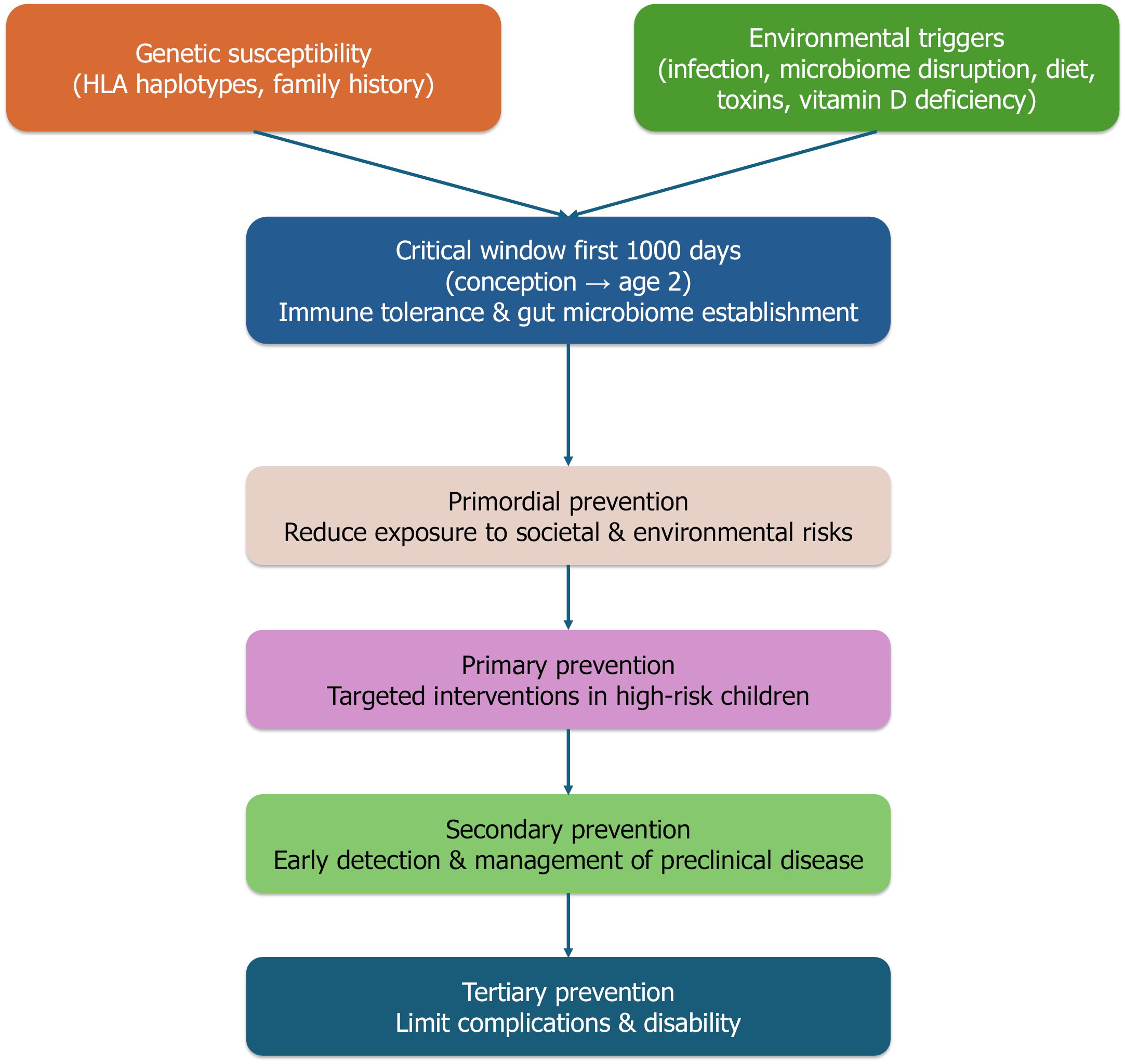
Figure 3 The link between genetic susceptibility, environmental triggers, and early-life factors to prevention strategies for autoimmune diseases in high-risk children.
The figure shows how genetic susceptibility, environmental triggers, and the first 1000 days influence prevention strategies from primordial to tertiary levels. HLA: Human leukocyte antigen.
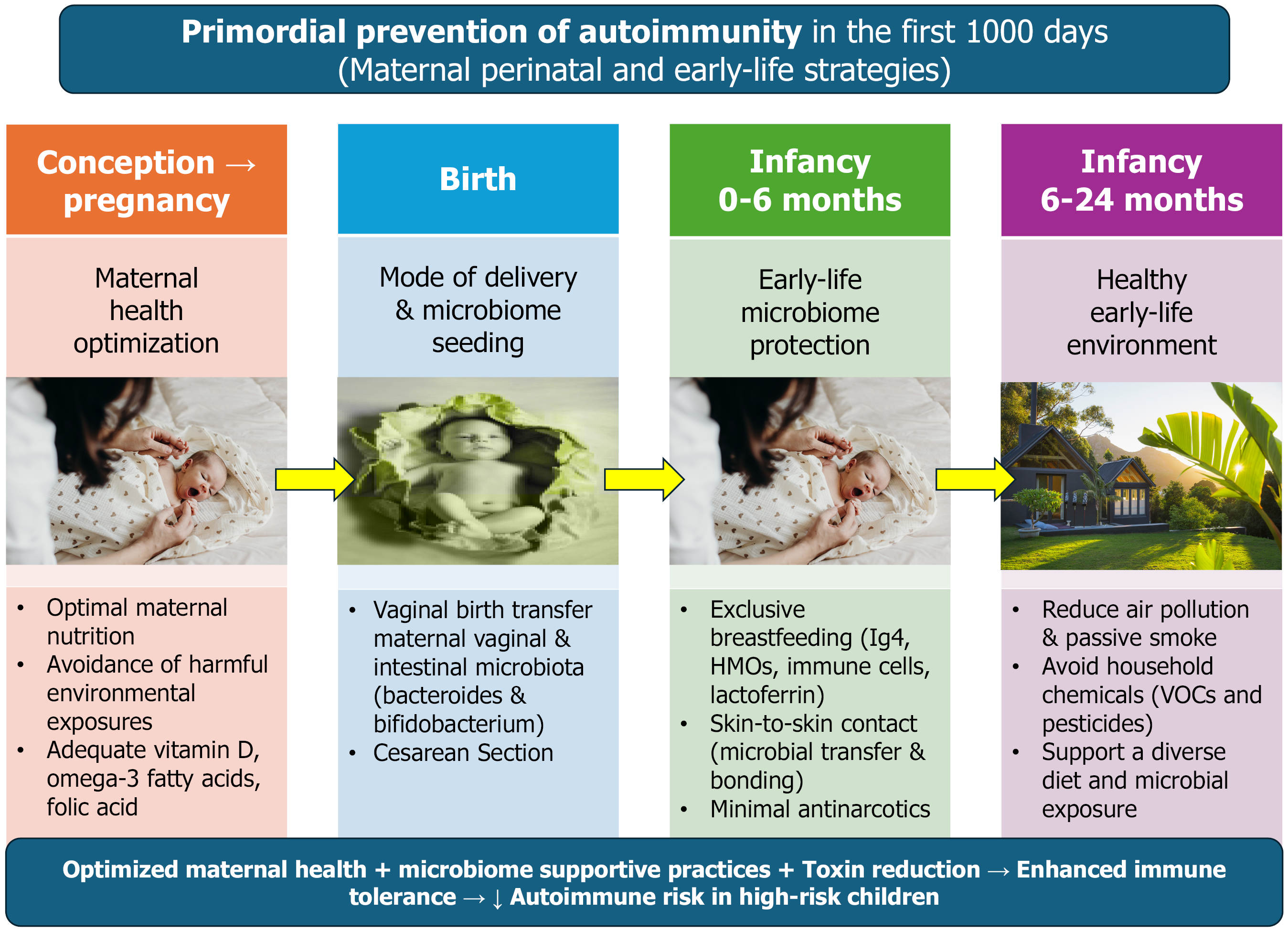
Figure 4 Primordial prevention strategies for autoimmune diseases in high-risk children.
This infographic summarizes evidence-based strategies aimed at reducing the risk of autoimmune diseases in genetically susceptible children by targeting environmental and lifestyle factors from early life. Ig: Immunoglobulin; HMO: Human milk oligosaccharides; VOC: Volatile organic compounds.
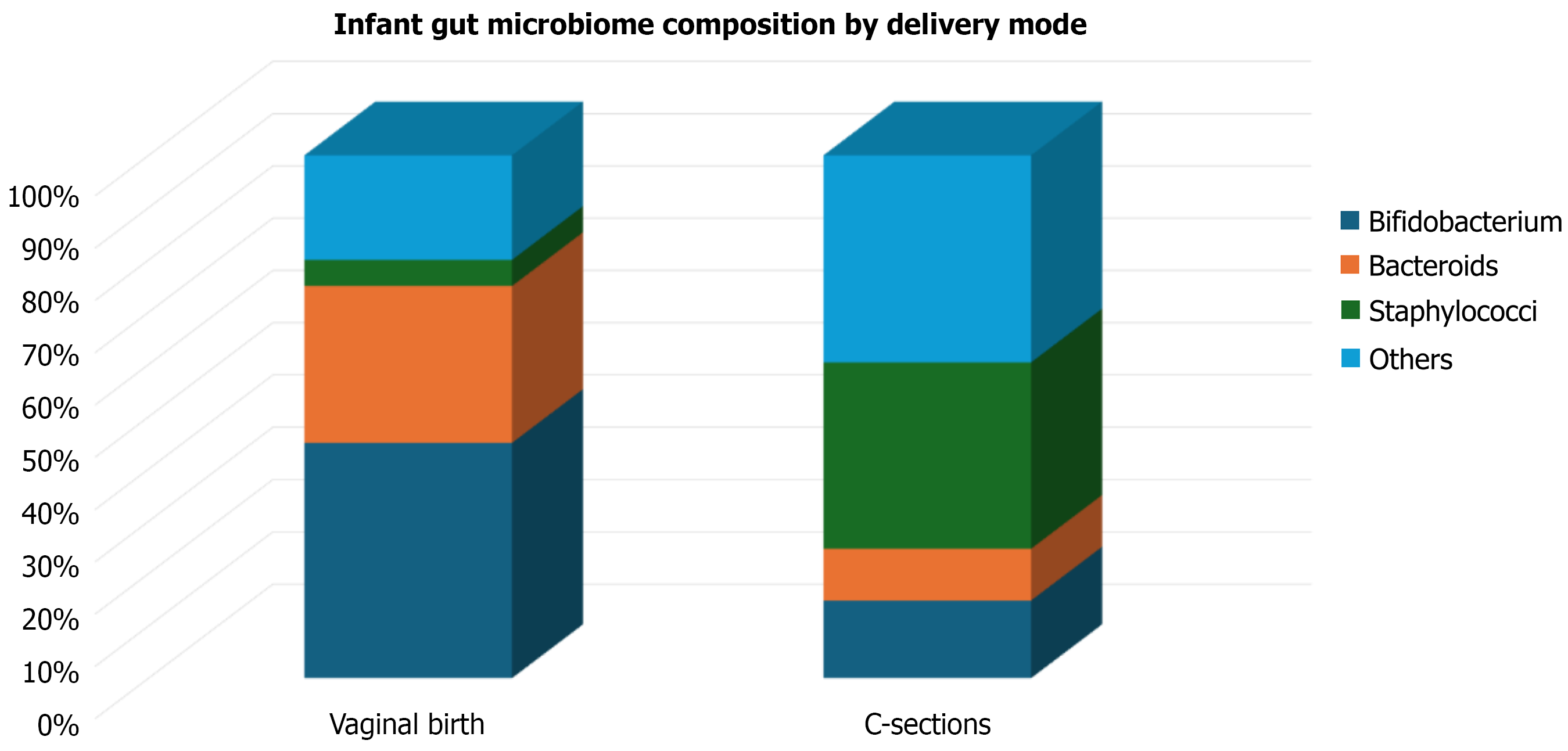
Figure 5 Infant gut microbiome composition by delivery mode.
This comparison shows how vaginal birth seeds the gut with beneficial bacteria like Bifidobacterium, while C-sections are associated with more skin and environmental microbes.
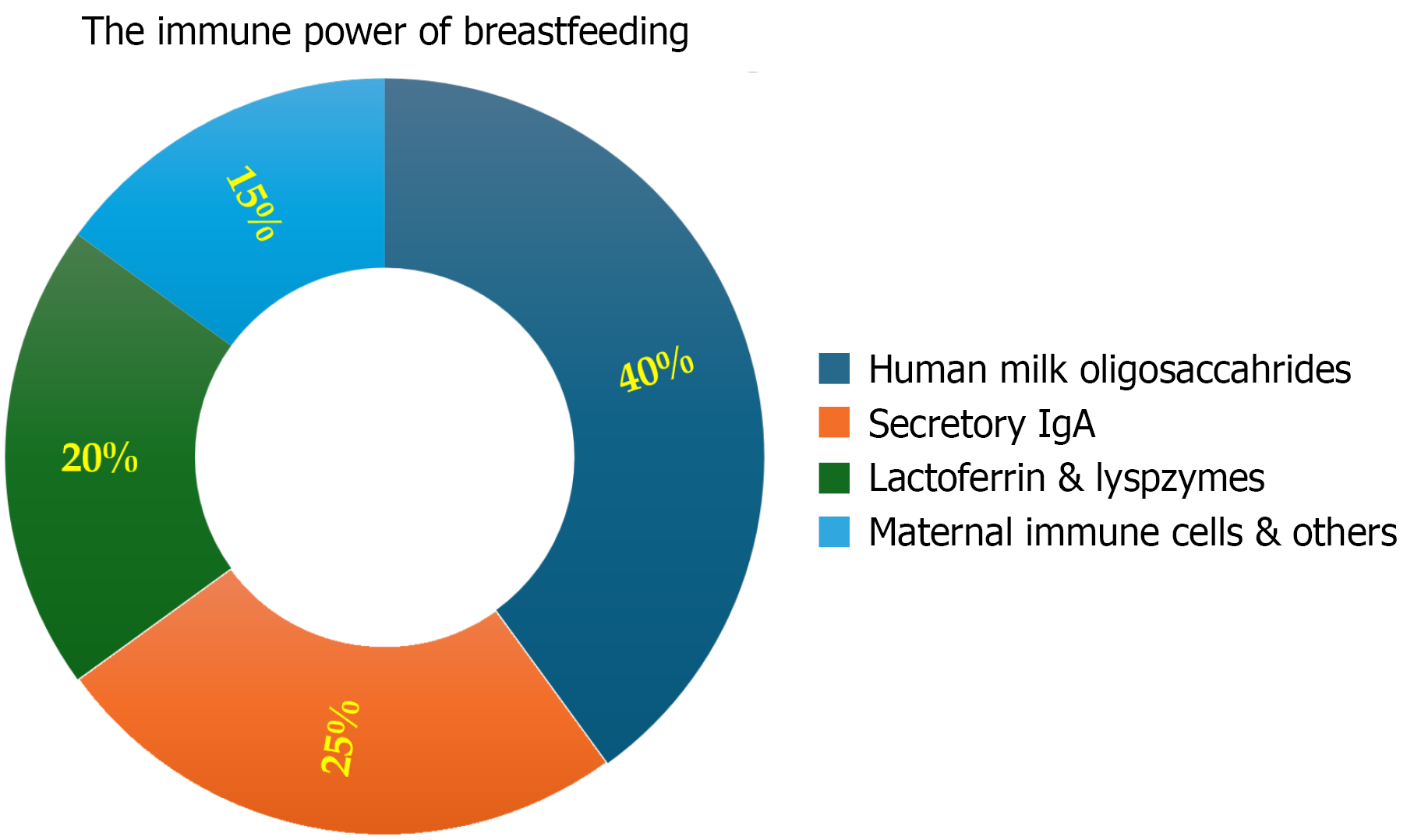
Figure 6 The immune power of breastfeeding.
Breast milk is a living fluid packed with immunological components that protect the infant and cultivate a healthy gut microbiome. Ig: Immunoglobulin.
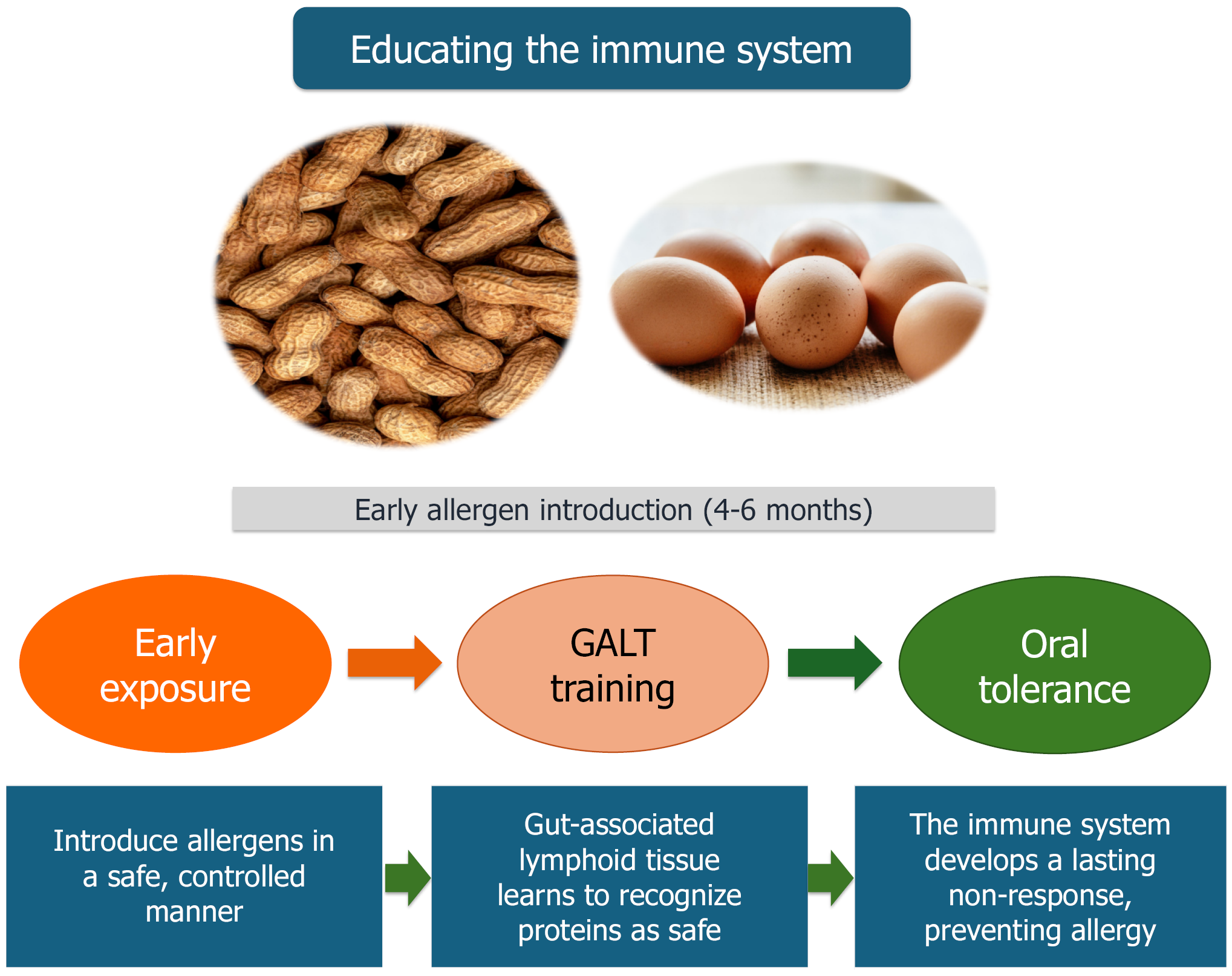
Figure 7 Eary allergen introduction and immune tolerance.
The infographic shows that a controlled, early exposure to certain foods can train the immune system, promoting tolerance rather than reactivity. This provides a powerful model for preventing immune-mediated diseases. GALT: Gut-associated lymphoid tissues.
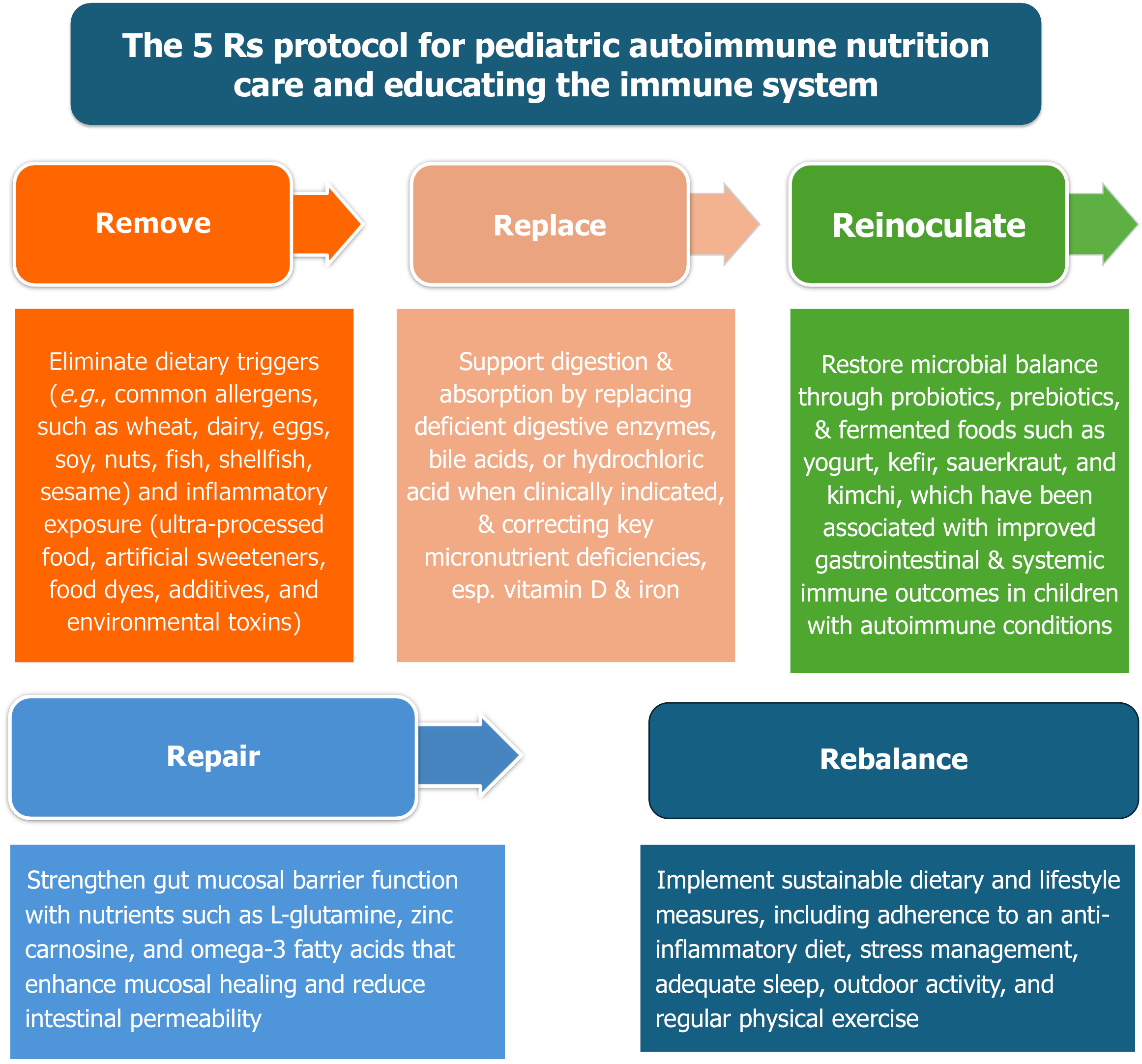
Figure 8 The 5 Rs protocol for pediatric autoimmune nutrition care and educating the immune system.
This flowchart illustrates the 5R protocol - remove, replace, reinoculate, repair, and rebalance - as a structured approach to restoring and maintaining gut health in children to prevent autoimmune disorders. Remove focuses on eliminating harmful pathogens, allergens, and dietary triggers that disrupt the gut environment. Replace emphasizes replenishing essential digestive enzymes and nutrients required for optimal gastrointestinal function. Reinoculate involves restoring beneficial bacteria through probiotics and prebiotics to re-establish microbial balance. Repair highlights the importance of nutrients such as zinc, glutamine, and omega-3 fatty acids in strengthening the intestinal lining and reducing inflammation. Rebalance promotes long-term gut health through stress management, adequate sleep, and sustainable lifestyle modifications. Together, these five interconnected steps form a comprehensive strategy for improving gastrointestinal integrity, reducing dysbiosis, and supporting systemic health in pediatric populations.
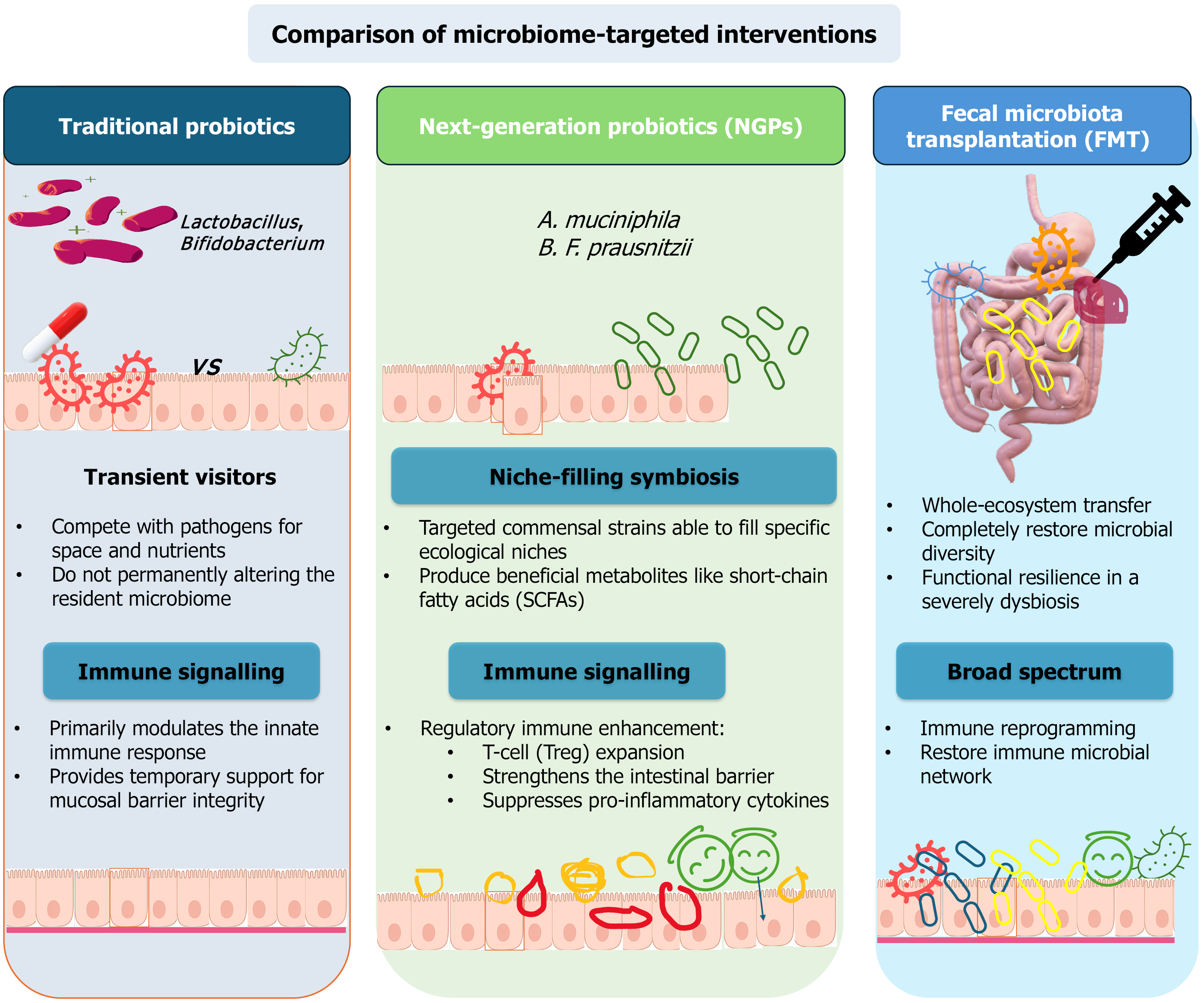
Figure 9 Comparative mechanisms of microbiome-targeted interventions in pediatric autoimmunity.
This schematic illustrates the distinct pathways through which different microbiome therapeutics influence the gut environment and systemic immune signaling. Traditional probiotics: Utilize exogenous strains (e.g., Lactobacillus) to provide transient competitive inhibition of pathogens and general immune support. Next-generation probiotics: Employ rationally selected commensal bacteria (e.g., Akkermansia muciniphila) that target specific metabolic pathways, such as short-chain fatty acids production, to enhance gut barrier function and induce regulatory T cells-mediated tolerance. Fecal microbiota transplantation: Involves the transfer of a complete, diverse microbial ecosystem to achieve broad-scale restoration of the gut-immune axis. The diagram highlights how these interventions move from transient modulation (probiotics) to targeted functional restoration (next-generation probiotics) and finally to complete ecological reconstruction (fecal microbiota transplantation). NGPs: Next-generation probiotics; FMT: Fecal microbiota transplantation; SCFA: Short-chain fatty acids.
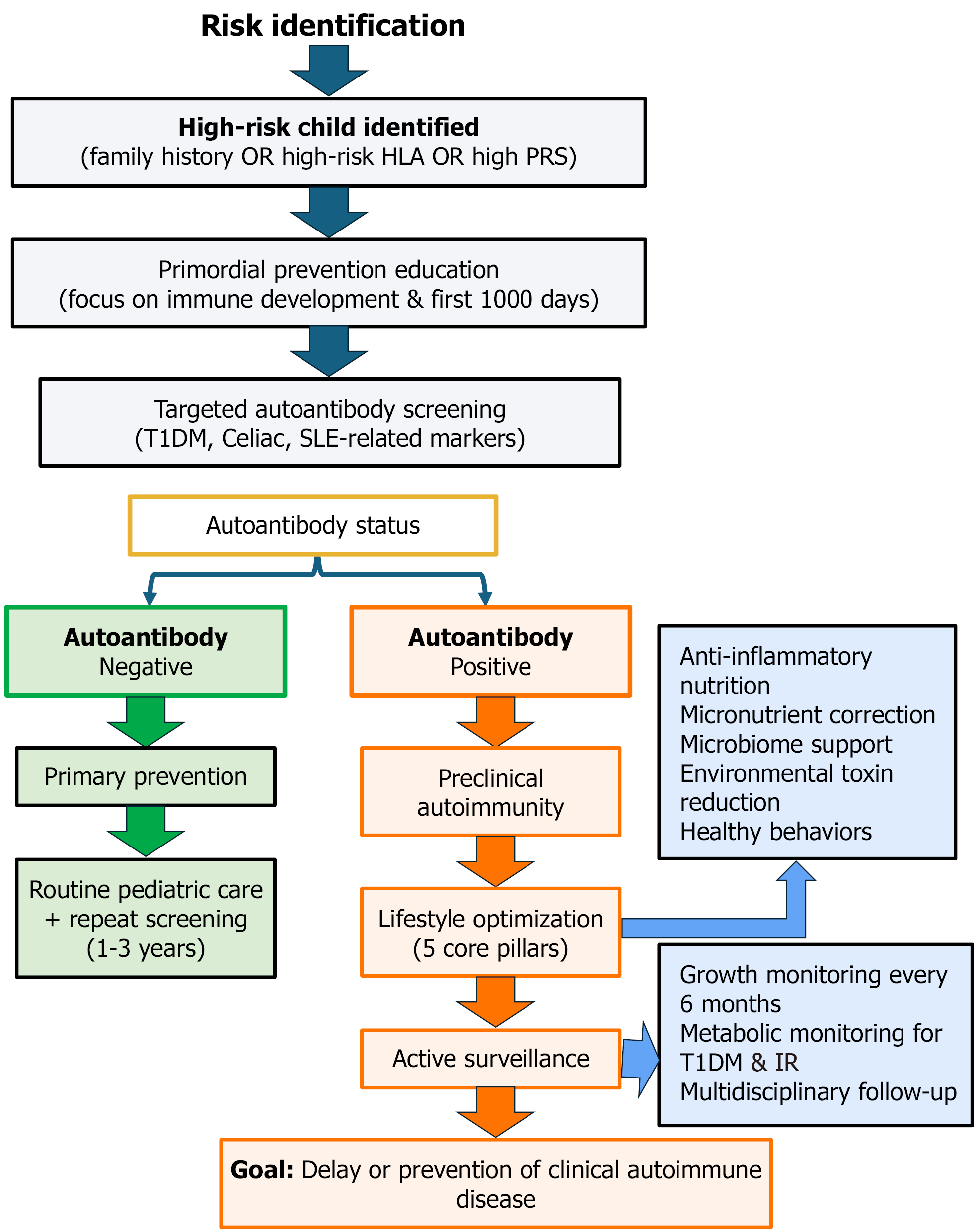
Figure 10 Clinical decision-support algorithm for lifestyle optimization in children at high risk of autoimmune disease.
This one-panel schematic illustrates a clinical decision-support algorithm for the early identification and management of children at high risk for autoimmune diseases. Children with genetic susceptibility or family history first receive primordial prevention education, followed by targeted autoantibody screening. Autoantibody-negative children continue routine care with periodic re-evaluation, whereas autoantibody-positive children enter a preclinical autoimmune pathway combining structured lifestyle optimization and active surveillance. The algorithm integrates prevention, monitoring, and multidisciplinary care with the goal of delaying or preventing progression to overt autoimmune disease. HLA: Human leukocyte antigen; PRS: Polygenic risk scores; T1DM: Type 1 diabetes mellitus; SLE: Systemic lupus erythematosus; IR: Insulin Resistance.
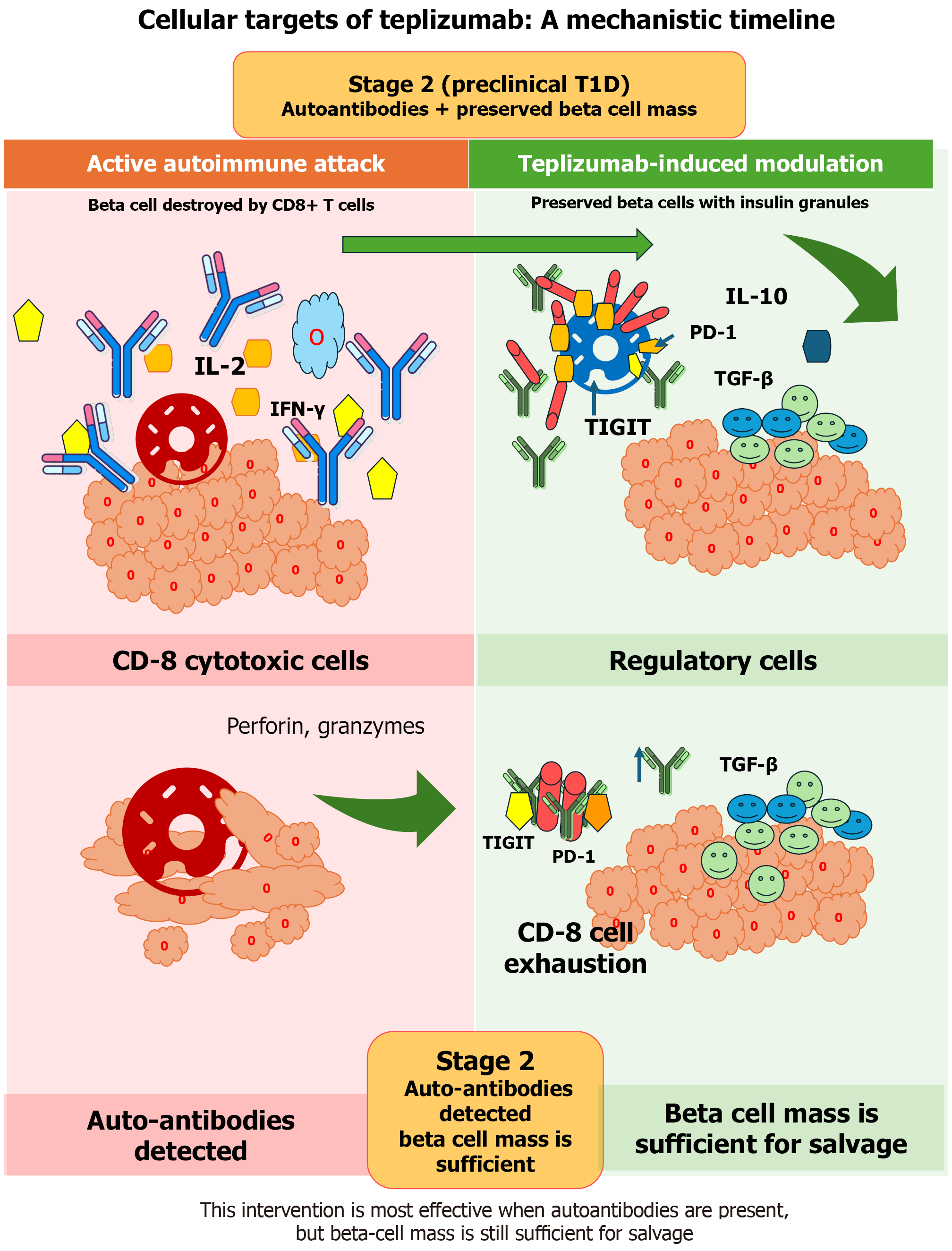
Figure 11 Mechanistic action of teplizumab and β-cell preservation in stage 2 type 1 diabetes.
This figure illustrates the cellular and immunological mechanisms by which teplizumab delays disease progression in stage 2 (preclinical) type 1 diabetes, highlighting the critical importance of treatment timing. The schematic is presented as a before-after comparison. On the left, an active autoimmune attack is shown, characterized by autoreactive CD8⁺ cytotoxic T cells infiltrating the pancreatic islet and inducing β-cell destruction through perforin- and granzyme-mediated cytotoxicity, accompanied by pro-inflammatory cytokine release (e.g., interleukin-2, interferon-gamma). On the right, teplizumab-induced immune modulation is depicted. Teplizumab, an anti-CD3 monoclonal antibody, binds to the CD3ε chain of the T-cell receptor complex on autoreactive CD8⁺ T cells, inducing a metabolic and functional shift toward T-cell “exhaustion” or anergy. This state is characterized by reduced effector function and upregulation of inhibitory markers such as programmed cell death protein 1 and T cell immunoreceptor with immunoglobulin and immunoglobulin and tyrosine-based inhibitory motif domain, resulting in diminished cytokine secretion and cytotoxic activity. Concurrently, teplizumab promotes a regulatory immune network, supporting the expansion and functional activity of regulatory T cells. These cells secrete immunosuppressive cytokines (e.g., interleukin-10 and transforming growth factor-beta), actively suppressing ongoing autoimmune inflammation within the islet microenvironment. The combined effects of effector T-cell attenuation and enhanced immune regulation lead to preservation of residual β-cell mass, maintenance of insulin granules, and prolonged endogenous insulin secretion. A highlighted timeline emphasizes the stage 2 clinical window, defined by the presence of diabetes-associated autoantibodies with preserved β-cell function and normoglycemia. Intervention during this phase maximizes the disease-modifying potential of teplizumab, delaying progression to symptomatic (stage 3) type 1 diabetes. T1D: Type 1 diabetes; IL: Interleukin; IFN: Interferon; PD-1: Programmed cell death protein 1; TGF: Trans
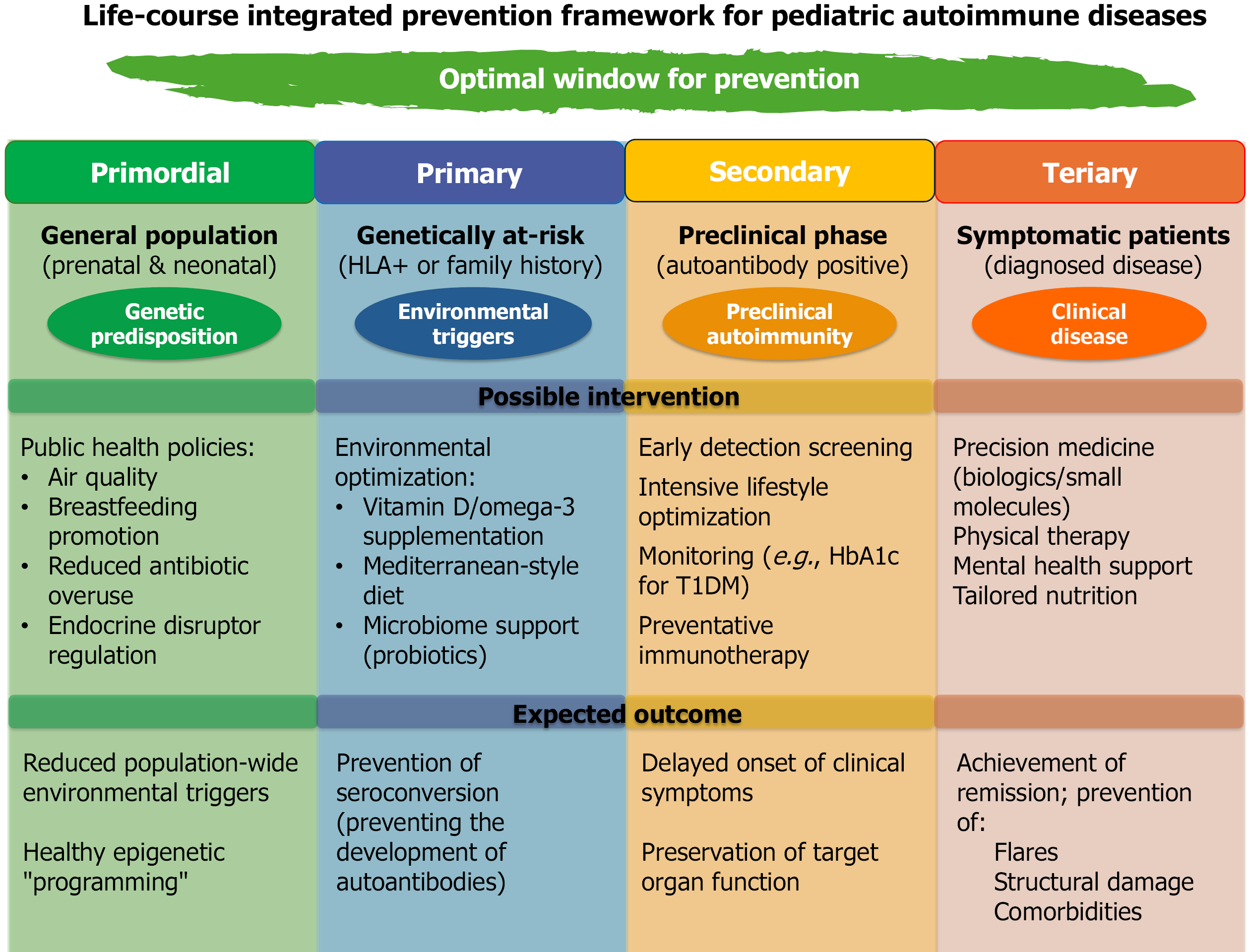
Figure 12 Life-course integrated prevention framework for pediatric autoimmune diseases.
This schematic provides a consolidated overview of the four-tiered prevention framework - primordial, primary, secondary, and tertiary - applied across the pediatric life course to mitigate the development and progression of autoimmune diseases. Primordial prevention targets the general population during prenatal life and early childhood, focusing on immune system programming before disease risk is established. Interventions include maternal nutrition optimization, microbiome-supportive practices, avoidance of environmental toxins, and promotion of healthy early-life exposures. The expected outcome is resilient immune tolerance and reduced baseline autoimmune susceptibility. Primary prevention applies to genetically susceptible but asymptomatic children, identified by family history, high-risk human leukocyte antigen genotypes, or elevated polygenic risk scores. Strategies include lifestyle optimization, anti-inflammatory dietary patterns, vitamin D sufficiency, microbiome support, and environmental risk reduction, with the goal of preventing immune activation and autoantibody development. Secondary prevention focuses on individuals with preclinical autoimmunity, defined by the presence of disease-specific autoantibodies but preserved organ function. Interventions emphasize enhanced surveillance, targeted lifestyle interventions, and selected immune-modulating therapies where appropriate, aiming to delay or halt progression to clinical disease. Tertiary prevention applies to children with established autoimmune disease, where management strategies include disease-modifying therapies, complication prevention, psychosocial support, and long-term monitoring. The primary goal at this stage is preservation of organ function, reduction of disease burden, and optimization of quality of life. Together, this figure visually integrates prevention strategies across developmental stages, highlighting how timing, risk stratification, and intervention intensity determine outcomes in pediatric autoimmune diseases. HLA: Human leukocyte antigen; HbA1C: Glycated hemoglobin; T1DM: Type 1 diabetes mellitus.
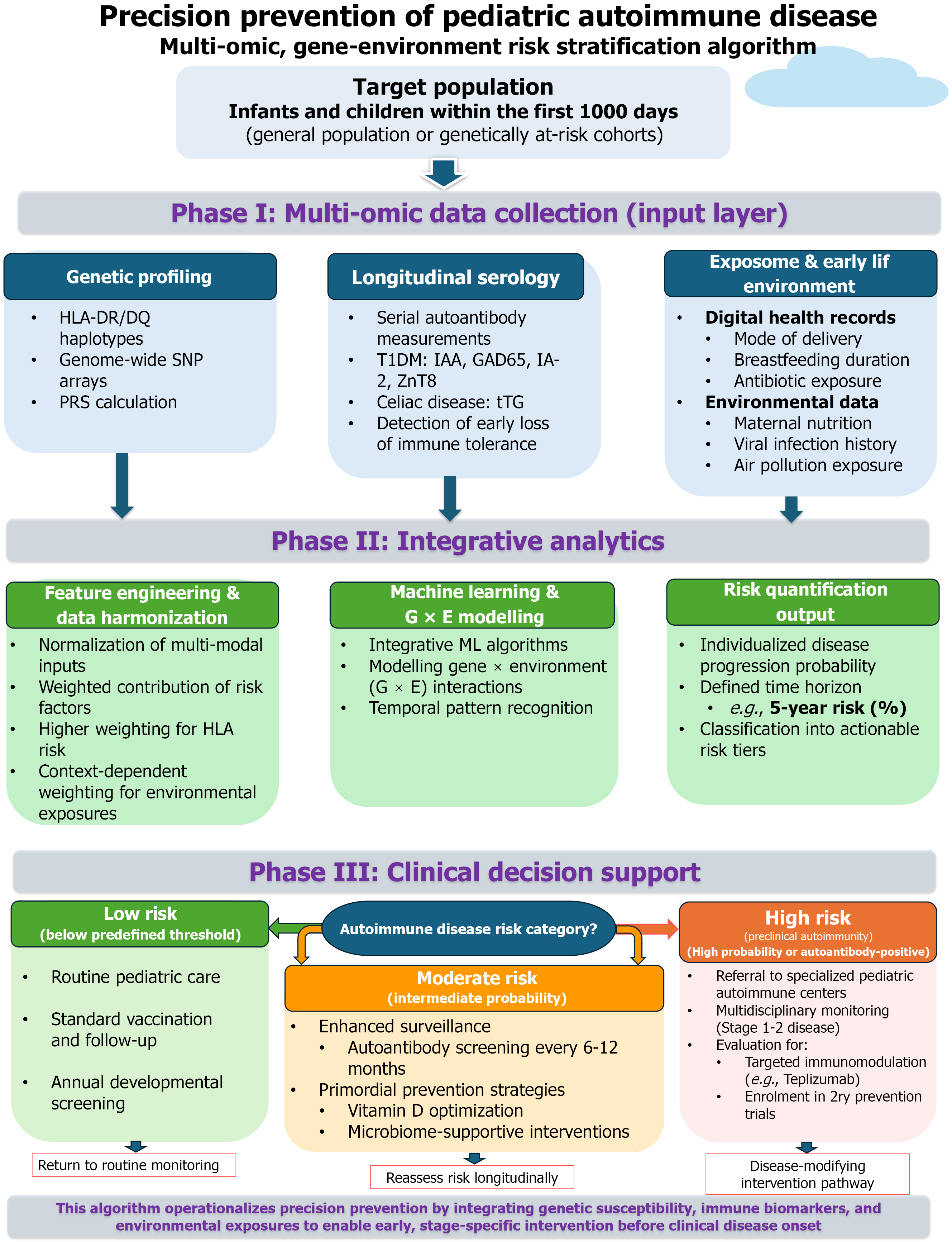
Figure 13 Precision prevention of pediatric autoimmune disease: A multi-omic gene-environment risk stratification algorithm during early life.
This figure illustrates a stepwise, integrative framework for the early identification and prevention of pediatric autoimmune diseases within the critical first 1000 days of life. Phase I (multi-omic data collection) integrates genetic susceptibility (human leukocyte antigen-DR/DQ haplotypes and genome-wide single-nucleotide polymorphism-based polygenic risk scores), longitudinal immune profiling through serial measurements of disease-specific autoantibodies (e.g., insulin autoantibody, glutamic acid decarboxylase 65, insulinoma-associated antigen 2, zinc transporter 8 for type 1 diabetes mellitus and tissue transglutaminase antibodies for celiac disease), and comprehensive exposome tracking derived from digital health records and environmental data, including mode of delivery, breastfeeding duration, antibiotic exposure, maternal nutrition, viral infection history, and air pollution exposure. Phase II (integrative analytics) applies feature engineering and machine-learning-based modeling to harmonize heterogeneous data streams and characterize dynamic gene-environment interactions, resulting in individualized estimates of autoimmune disease progression risk within a defined temporal window. Phase III (clinical decision support) translates quantified risk into actionable clinical pathways. Individuals are stratified into low-, moderate-, or high-risk categories, guiding tailored interventions ranging from routine pediatric care to enhanced immune surveillance, primordial preventive strategies (e.g., vitamin D optimization and microbiome support), or referral to specialized pediatric autoimmune centers for multidisciplinary monitoring, targeted immunomodulatory therapy, or enrollment in secondary prevention trials. Collectively, this algorithm operationalizes a precision prevention paradigm, emphasizing early-life timing as a critical determinant for intercepting autoimmune disease before the onset of clinical symptoms. HLA: Human leukocyte antigen; SNP: Single-nucleotide polymorphism; PRS: Polygenic risk score; IAA: Insulin autoantibody; T1DM: Type 1 diabetes mellitus; GAD: Glutamic acid decarboxylase 65; IA-2: Insulinoma-associated antigen 2; ZnTB: Zinc transporter; tTG: Tissue transglutaminase; ML: Machine learning; G × E: Gene-environment.
- Citation: Al-Beltagi M, Saeed NK, Bediwy AS, Bediwy EA, Elbeltagi R. From genes to environment: A life-course approach to prevent pediatric autoimmune diseases. World J Clin Pediatr 2026; 15(3): 117421
- URL: https://www.wjgnet.com/2219-2808/full/v15/i3/117421.htm
- DOI: https://dx.doi.org/10.5409/wjcp.117421