
















Copyright: ©Author(s) 2026.
World J Clin Pediatr. Jun 9, 2026; 15(2): 117843
Published online Jun 9, 2026. doi: 10.5409/wjcp.v15.i2.117843
Published online Jun 9, 2026. doi: 10.5409/wjcp.v15.i2.117843
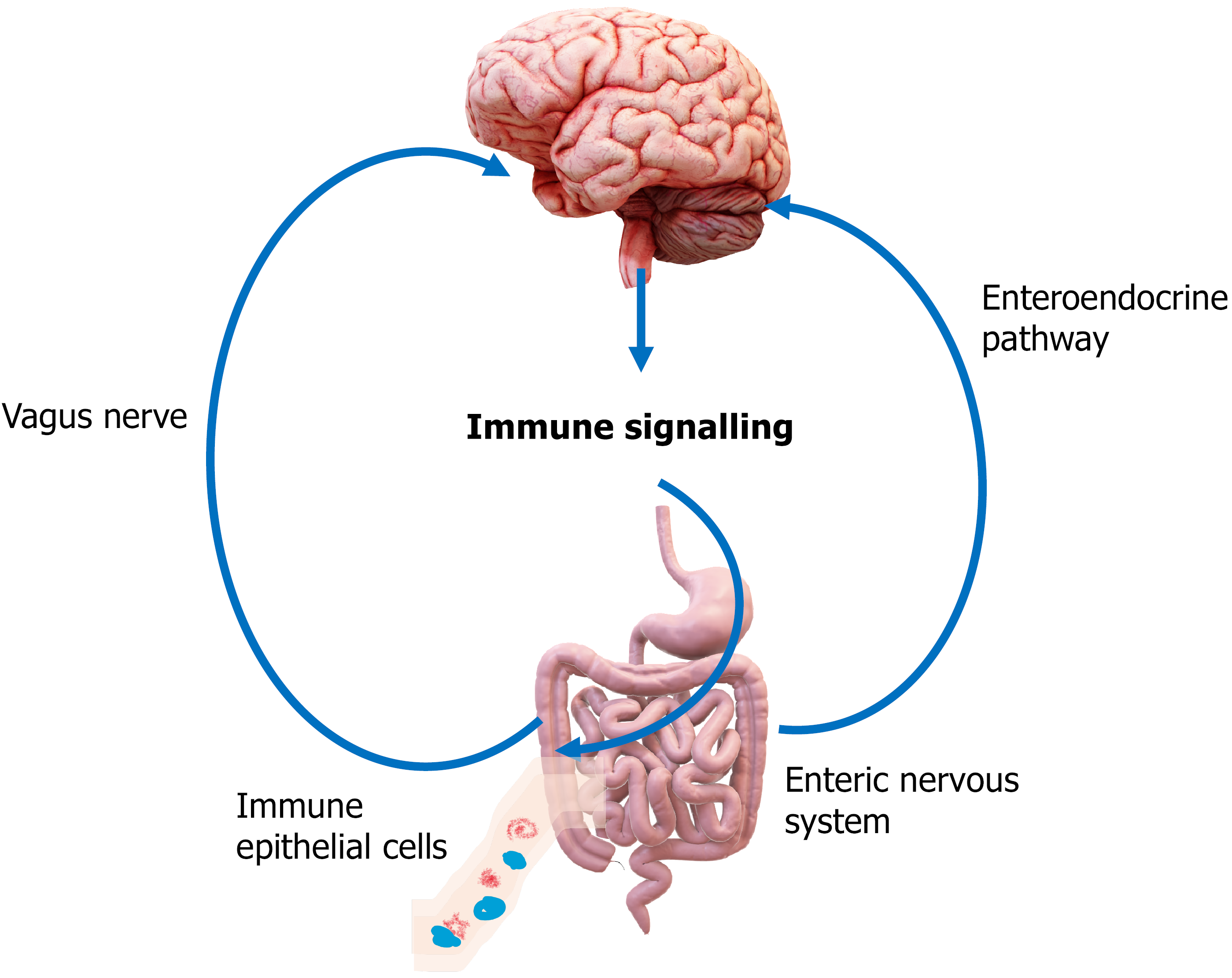
Figure 1 The gut-brain axis in early life: Neural, immune, and endocrine pathways linking the developing intestine and brain.
It illustrates the major communication pathways that constitute the gut-brain axis during early life, a period marked by rapid maturation of both the gastrointestinal and central nervous systems. The neural pathway is represented by the vagus nerve and the enteric nervous system, which relay signals from the intestinal lumen to the brainstem and modulate autonomic responses. The immune pathway shows how cytokines, microbial products, and antigen-presenting cell activity transmit inflammatory or regulatory signals across the systemic circulation to influence microglial activation and neurodevelopment. The endocrine and enteroendocrine pathway highlights gut-derived hormones and metabolites – such as glucagon-like peptide-1, serotonin, and short-chain fatty acids – that modulate brain function, appetite regulation, stress responses, and neuronal maturation. Together, these interconnected routes form a dynamic bidirectional system that shapes neurodevelopmental outcomes in infancy.
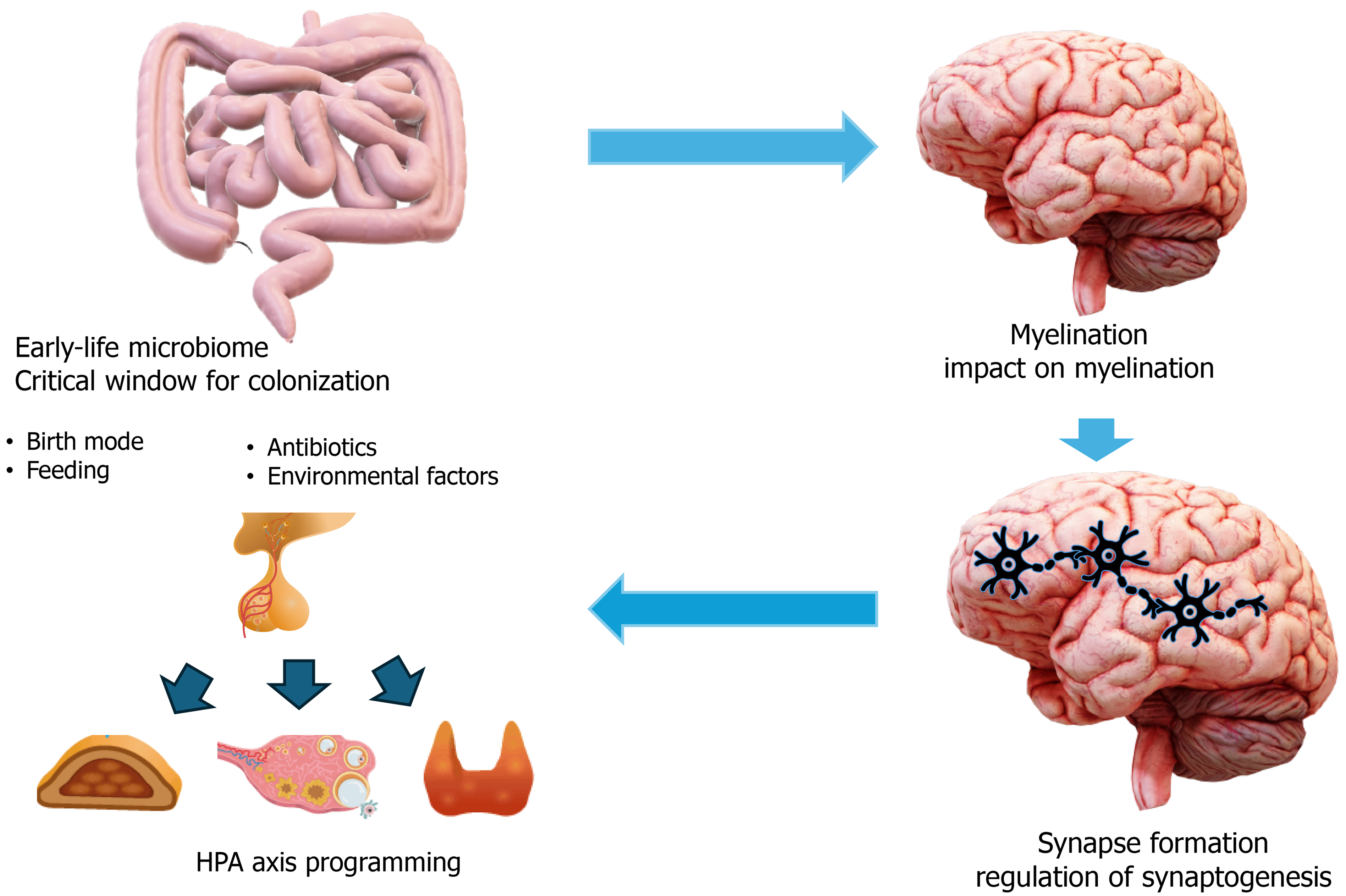
Figure 2 How the early-life microbiome shapes the developing brain.
It summarizes the major pathways through which the early-life gut microbiome influences neurodevelopment. During the critical colonization window of infancy, microbial composition is shaped by birth mode, feeding practices, antibiotic exposure, and environmental factors. These early microbial communities generate metabolites and immune signals that drive key processes in brain development. Microbiota-derived molecules support myelination by promoting oligodendrocyte maturation and white matter integrity. They also regulate synapse formation and pruning, influencing neuronal connectivity and neurotrophic signaling. In parallel, microbial cues help program the hypothalamic-pituitary-adrenal axis, establishing lifelong patterns of stress responsiveness. Together, these interconnected pathways demonstrate how disruption of the early microbiome – such as through inflammation, dysbiosis, or antibiotic exposure – can alter neurodevelopmental trajectories and increase vulnerability to long-term cognitive and behavioral impairments.
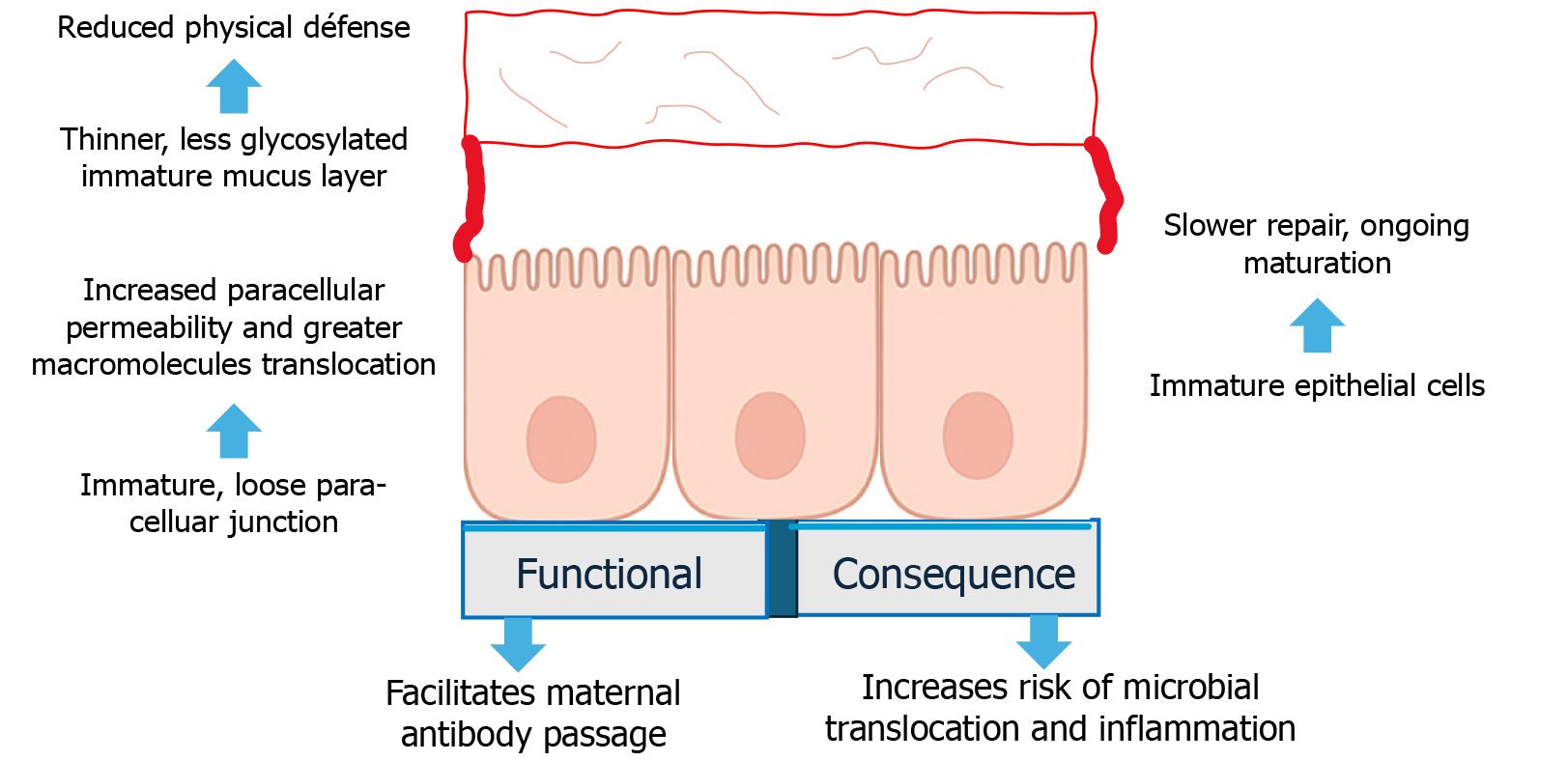
Figure 3 Developmental factors contributing to intestinal mucosal barrier vulnerability in neonates and infants.
It illustrates the key developmental features that make the intestinal mucosal barrier more permeable and vulnerable in neonates and young infants. The mucus layer is thin and less glycosylated, providing weaker physical protection against microbes and inflammatory injury. The intestinal epithelial cells are still undergoing maturation, with slower turnover and less efficient repair responses following injury. The tight junctions between adjacent epithelial cells are structurally immature and more permissive, allowing greater paracellular movement of macromolecules. While this increased permeability facilitates the passive transfer of maternal antibodies, it also heightens susceptibility to microbial translocation and inflammation, creating a critical window of vulnerability early in life.
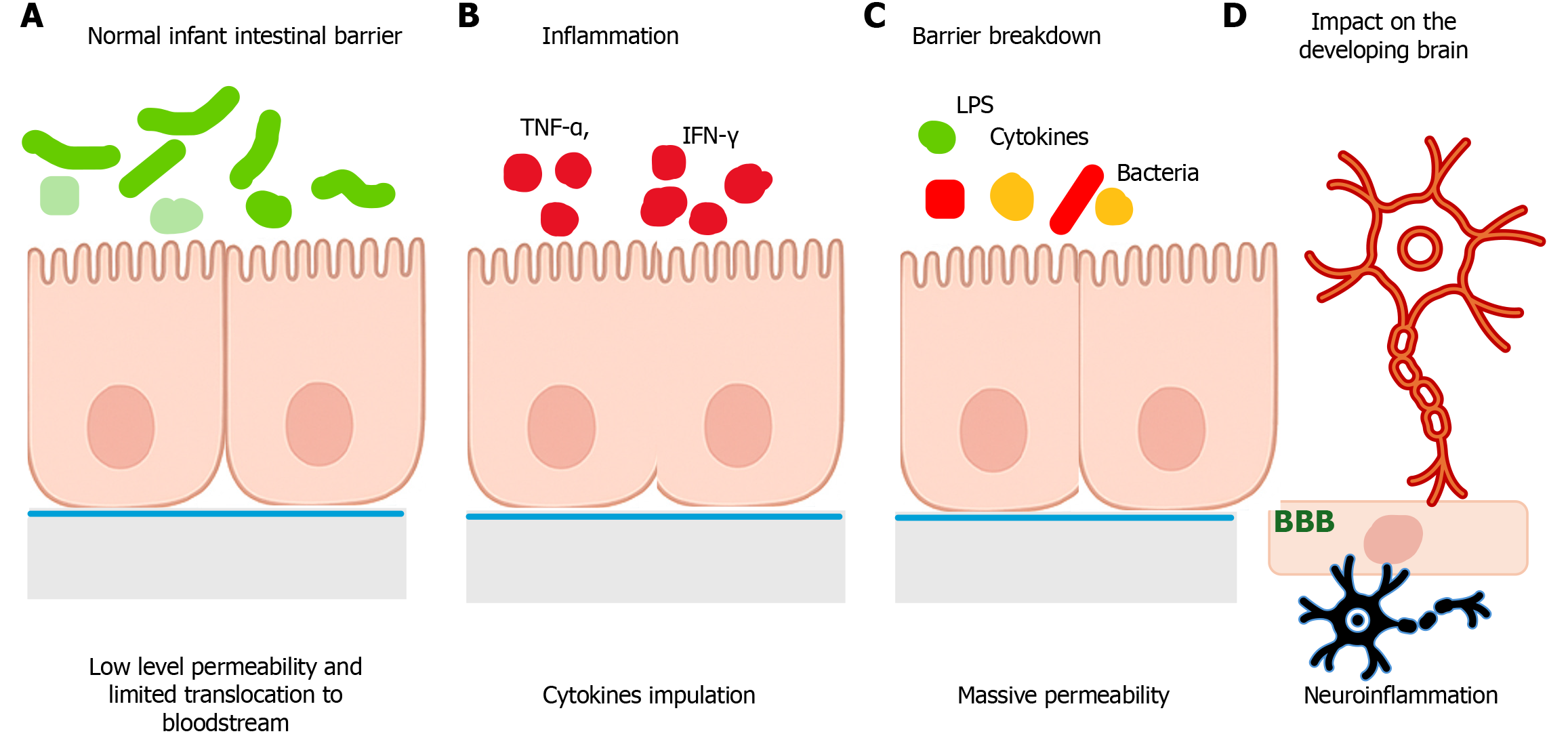
Figure 4 Early-life intestinal barrier integrity and its disruption during inflammation: Pathways linking the gut to the developing brain.
This schematic illustrates the developmental characteristics of the infant intestinal barrier and the mechanisms by which early-life inflammation disrupts gut integrity and triggers downstream neuroinflammatory effects. A: It depicts the normal neonatal intestinal barrier, characterized by immature yet functionally regulated permeability, a thin mucus layer, and developing tight junctions that allow controlled antigen exposure essential for immune maturation; B: It shows inflammatory stimulation by cytokines such as tumor necrosis factor-alpha and interferon gamma, which initiate epithelial stress responses; C: It demonstrates inflammatory breakdown of the barrier: Tight junction disassembly, widening of the paracellular space, and translocation of luminal microbial components – including lipopolysaccharide – along with pro-inflammatory cytokines into the systemic circulation; D: It illustrates how these circulating mediators cross or signal across the immature blood-brain barrier, activate microglia, and induce neuroinflammation, ultimately altering neurodevelopmental processes such as synaptogenesis, neuronal connectivity, and cognitive maturation. Together, it summarizes the mechanistic cascade linking early gastrointestinal inflammation to potential long-term cognitive and behavioral consequences. BBB: Blood-brain barrier; LPS: Lipopolysaccharide.
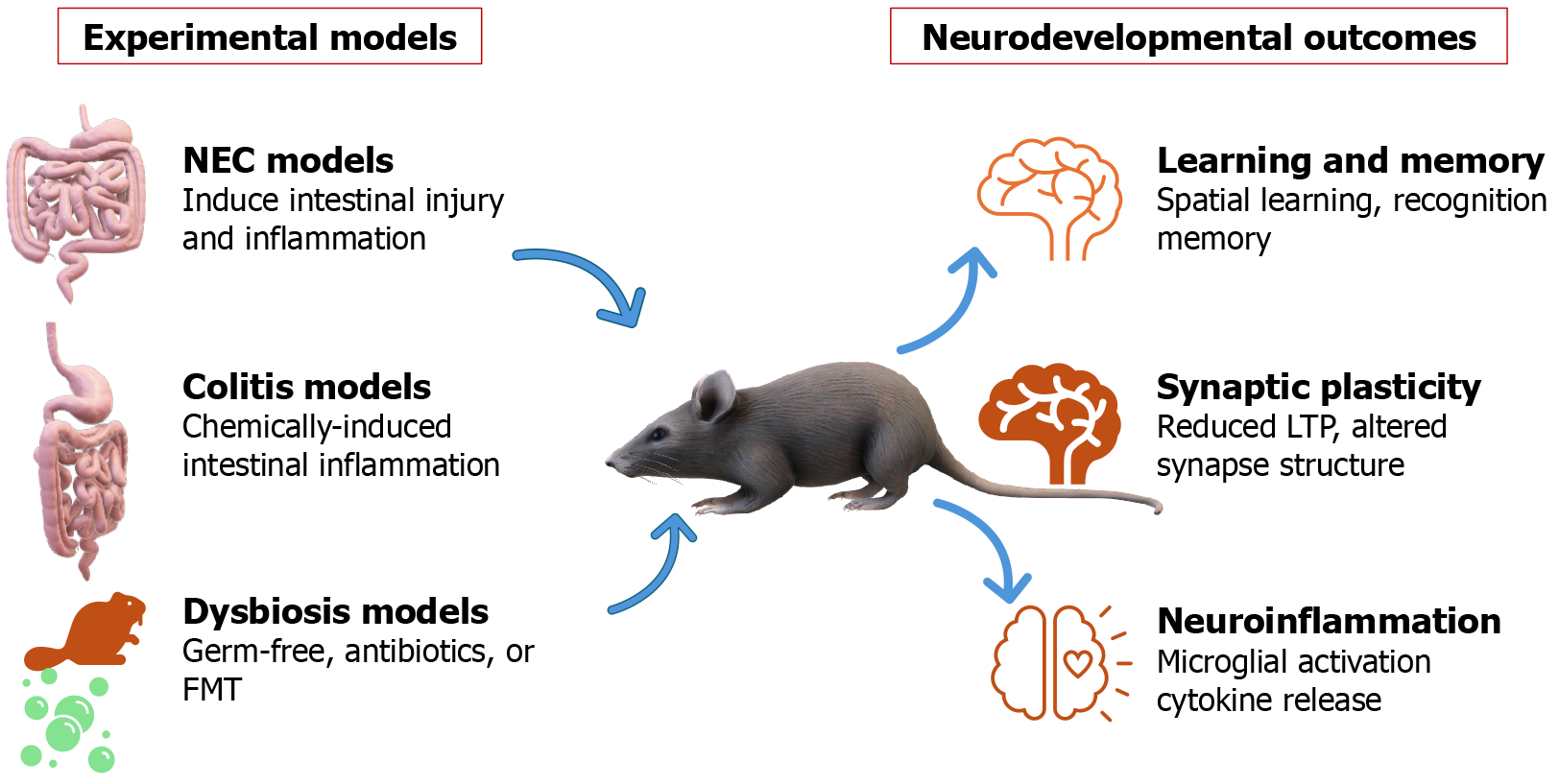
Figure 5 How early gut injury impairs brain development: Insights from animal models.
It summarizes key findings from animal models demonstrating how early gastrointestinal injury disrupts neurodevelopment. Experimental paradigms – including necrotizing enterocolitis models, chemically induced colitis, and dysbiosis models (germ-free rearing, antibiotic exposure, or fecal microbiota transfer) – produce intestinal inflammation, barrier disruption, and microbial imbalance during critical developmental windows. These gut insults lead to measurable neurodevelopmental consequences, including impaired learning and memory (e.g., deficits in spatial navigation and recognition tasks), altered synaptic plasticity (reduced long-term potentiation, changes in dendritic spine morphology), and increased neuroinflammation characterized by microglial activation and elevated cytokine signaling in the brain. Together, these animal data provide mechanistic evidence for a causal pathway linking early-life gut injury to long-term cognitive and neural dysfunction. FMT: Fecal microbiota transplantation; LTP: Long-term potentiation.
- Citation: Al-Beltagi M, Saeed NK, El-Sawaf Y, Bediwy AS, Elbeltagi R. Early-life gastrointestinal inflammation and the developing brain: Unravelling the pathways to long-term cognitive dysfunction. World J Clin Pediatr 2026; 15(2): 117843
- URL: https://www.wjgnet.com/2219-2808/full/v15/i2/117843.htm
- DOI: https://dx.doi.org/10.5409/wjcp.v15.i2.117843