
















Copyright: ©Author(s) 2026.
World J Clin Pediatr. Jun 9, 2026; 15(2): 117274
Published online Jun 9, 2026. doi: 10.5409/wjcp.v15.i2.117274
Published online Jun 9, 2026. doi: 10.5409/wjcp.v15.i2.117274
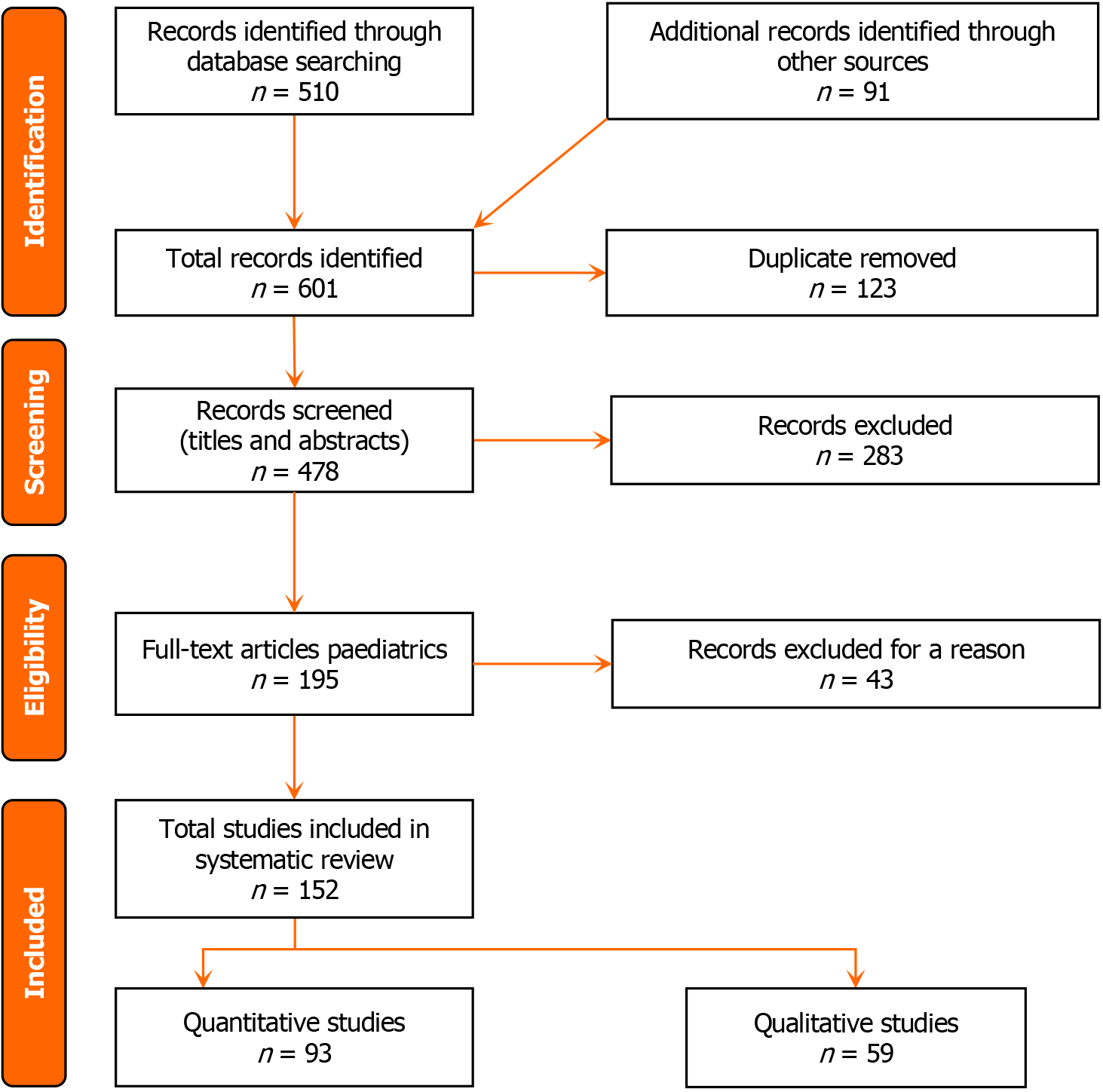
Figure 1
The PRISMA flow chart of the study.
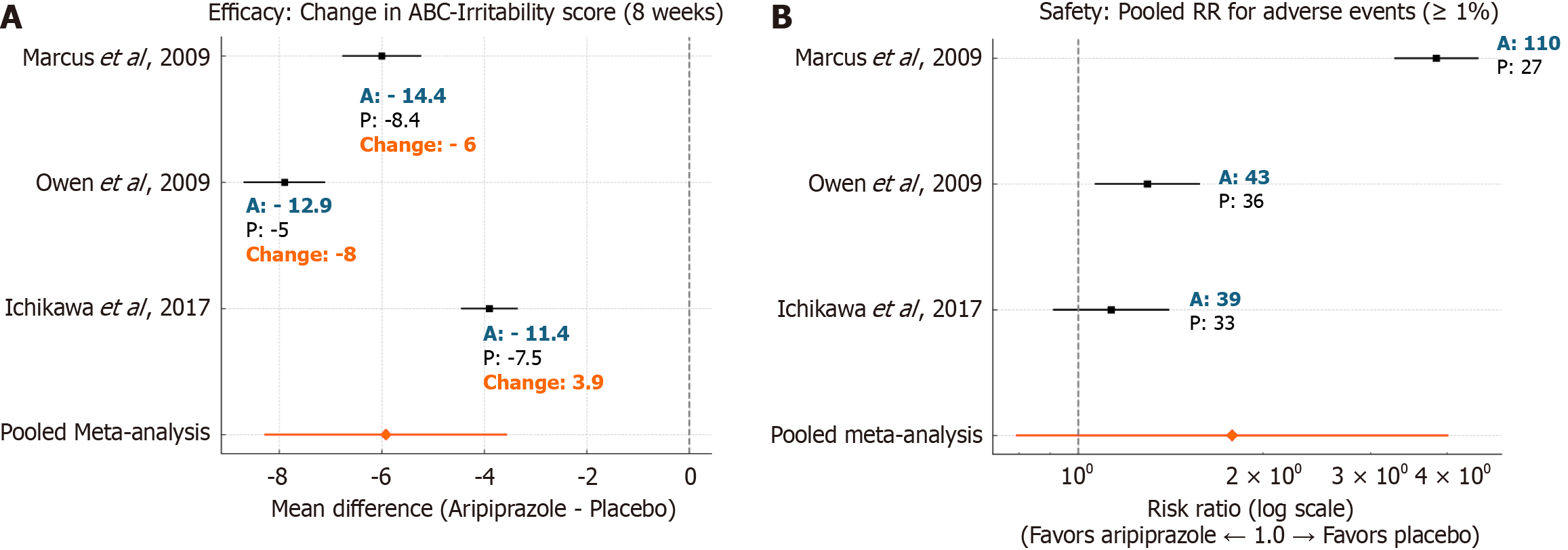
Figure 2 Forest plot.
A: Pooled meta-analysis of aripiprazole efficacy on Aberrant Behavior Checklist-Irritability (8 weeks). Forest plot showing the mean difference in change from baseline in the Aberrant Behavior Checklist-Irritability subscale across randomized controlled trials evaluating aripiprazole in children and adolescents with autism spectrum disorder. Negative values indicate greater improvement in irritability compared with placebo. Squares represent study-level effect sizes with 95% confidence intervals, scaled by inverse-variance weighting. The diamond represents the pooled random effects estimate. A vertical line at mean difference = 0 indicates no treatment effect. All included studies demonstrated greater symptom reduction with aripiprazole than placebo; B: Pooled risk ratio for adverse events associated with aripiprazole in autism spectrum disorder. Forest plot summarizing the pooled risk ratios of adverse events reported in clinical trials of aripiprazole for irritability associated with autism spectrum disorder. Effect sizes are displayed on a logarithmic scale. A vertical reference line at risk ratios = 1.0 denotes no difference in adverse event risk between aripiprazole and placebo. Squares represent individual study risk ratios with 95% confidence intervals, proportional to study weight. The pooled random-effects estimate is shown as a diamond. Values to the right of the reference line indicate an increased likelihood of adverse events with aripiprazole. ABC: Aberrant Behavior Checklist; RRs: Risk ratios.
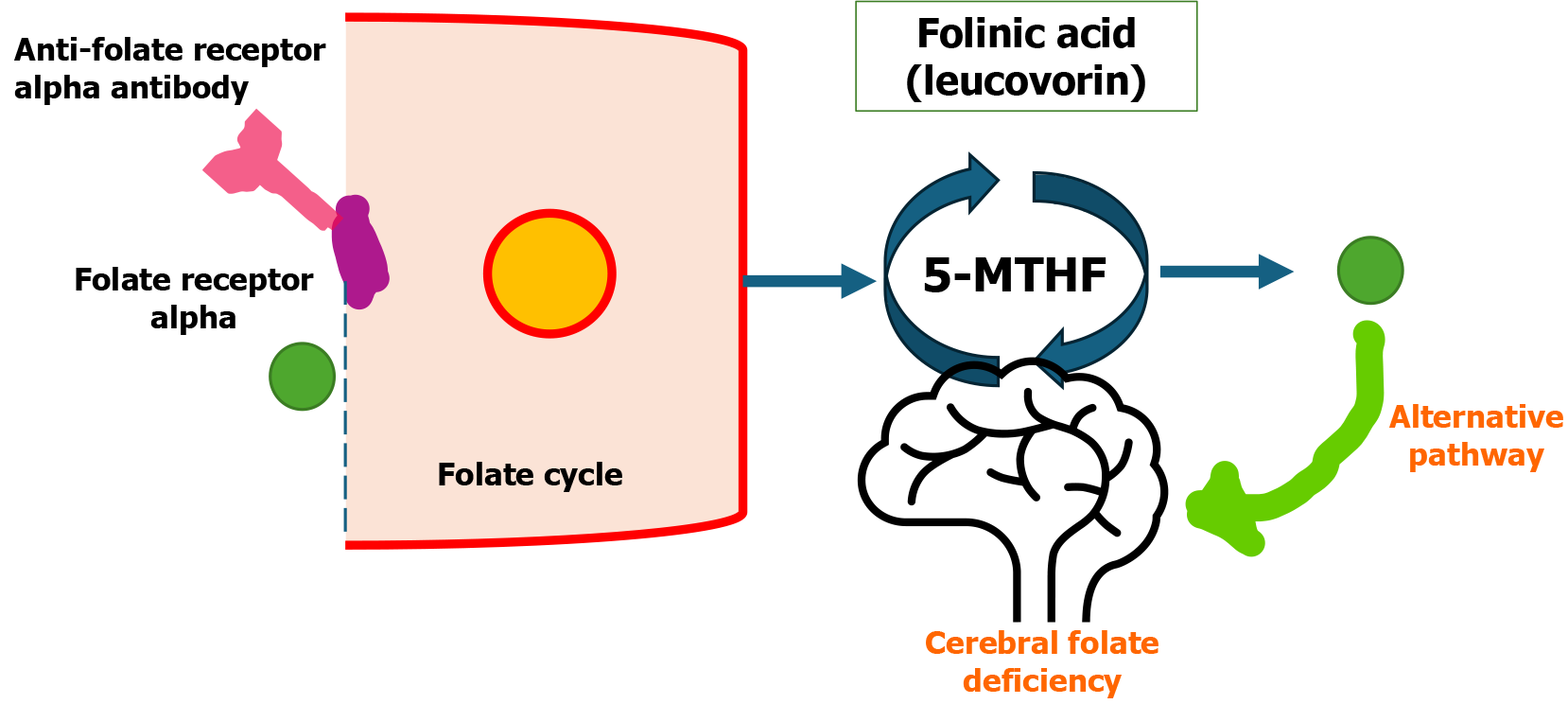
Figure 3 Folate transport and metabolism pathway targeted by folinic acid in autism spectrum disorder.
This figure illustrates the biological mechanism underlying cerebral folate deficiency in a subset of children with autism spectrum disorder. It provides the mechanistic rationale for targeted treatment with high-dose folinic acid (leucovorin). Under normal conditions, active folate (5-methyltetrahydrofolate) is transported across the blood-brain barrier by the folate receptor alpha. In children with cerebral folate deficiency, circulating folate receptor alpha autoantibodies bind and block the folate receptor alpha receptor, impairing folate transport into the central nervous system despite normal peripheral serum folate levels. This blockade reduces cerebral folate availability and disrupts downstream metabolism in the folate cycle. Folinic acid, a reduced folate derivative, bypasses the folate receptor alpha-dependent transport mechanism because it can enter the brain via alternative, non-folate receptor alpha transporters. Once inside the central nervous system, folinic acid is converted to 5-methyltetrahydrofolate, restoring folate cycle function and improving neurological and behavioral outcomes in biomarker-positive children. This figure highlights the translational precision-medicine link, showing that folate receptor alpha autoantibodies are predictive biomarkers of clinical responsiveness to folinic acid therapy. 5-MTHF: 5-methyltetrahydrofolate.
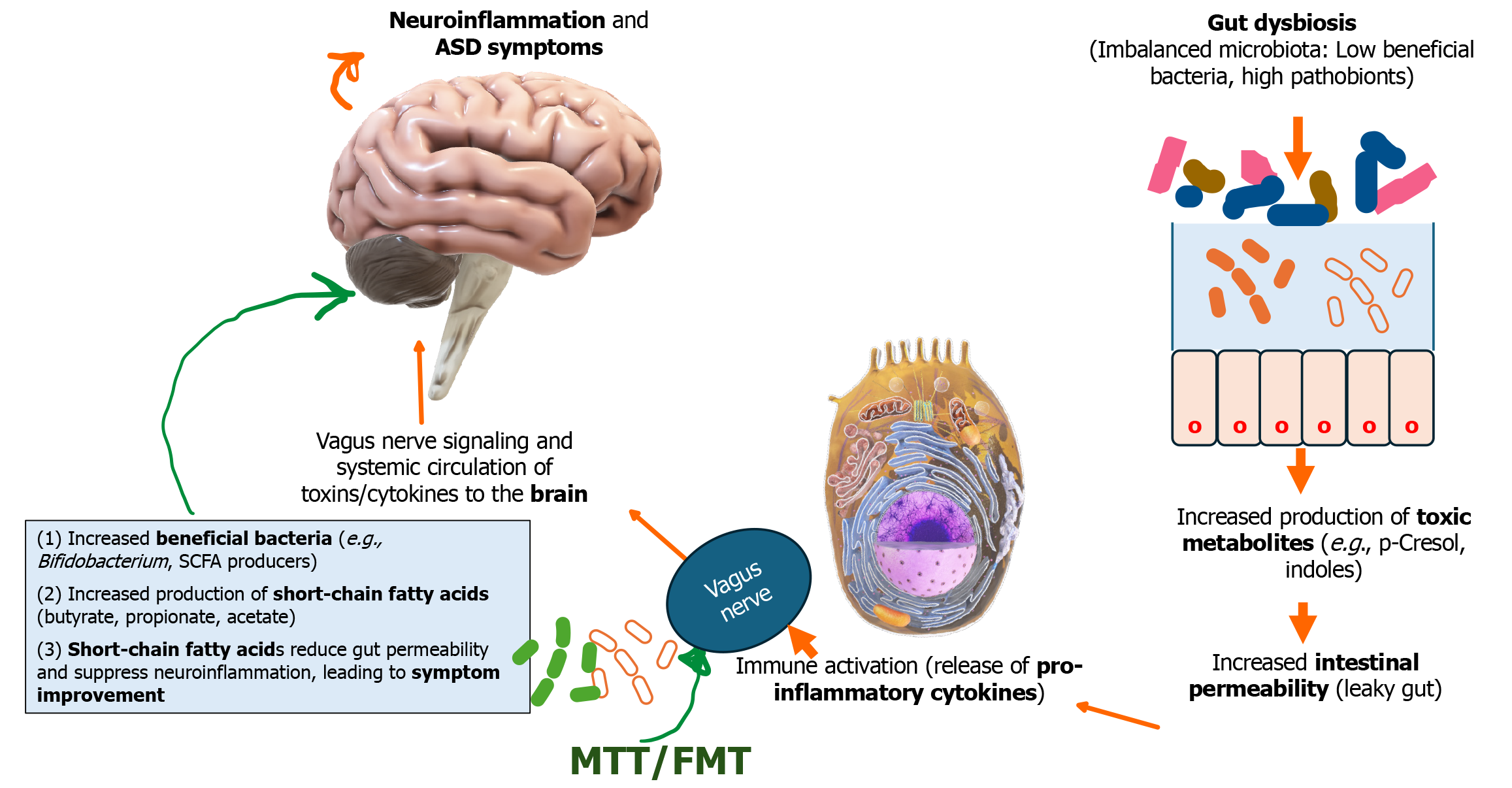
Figure 4 The microbiota-gut-brain axis in autism spectrum disorder and the mechanism of microbiota transfer therapy (microbiota transfer therapy/fecal microbiota transplantation).
This figure depicts the pathophysiological disturbances of the microbiota-gut-brain axis observed in autism spectrum disorder and illustrates how microbiota transfer therapy (microbiota transfer therapy/fecal microbiota transplantation) may reverse these abnormalities. In autism spectrum disorder, gut dysbiosis - characterized by reduced beneficial bacteria and increased pathobionts - leads to elevated production of harmful metabolites (e.g., p-cresol, indoles) and contributes to increased intestinal permeability (“leaky gut”). This allows microbial metabolites and inflammatory mediators to cross the intestinal barrier, triggering immune activation and the release of pro-inflammatory cytokines. Through both systemic circulation and vagal-nerve signaling, these immune and metabolic disturbances reach the brain, promoting neuroinflammation and exacerbating autism spectrum disorder symptoms. The therapeutic pathway shows how microbiota transfer therapy/fecal microbiota transplantation introduces a healthier and more diverse microbial community into the gut. This intervention increases beneficial bacteria, enhances production of short-chain fatty acids such as butyrate, propionate, and acetate, and helps restore intestinal barrier integrity. Short-chain fatty acids exert anti-inflammatory effects locally and centrally, ultimately reducing neuroinflammation and supporting symptom improvement. The figure highlights how a mechanism-based intervention can target a specific autism spectrum disorder endophenotype (gut dysbiosis/Low short-chain fatty acids state), illustrating the precision-medicine rationale for microbiota-directed therapies. ASD: Autism spectrum disorder; MTT: Microbiota transfer therapy; FMT: Fecal microbiota transplantation; SCFA: Short-chain fatty acids.
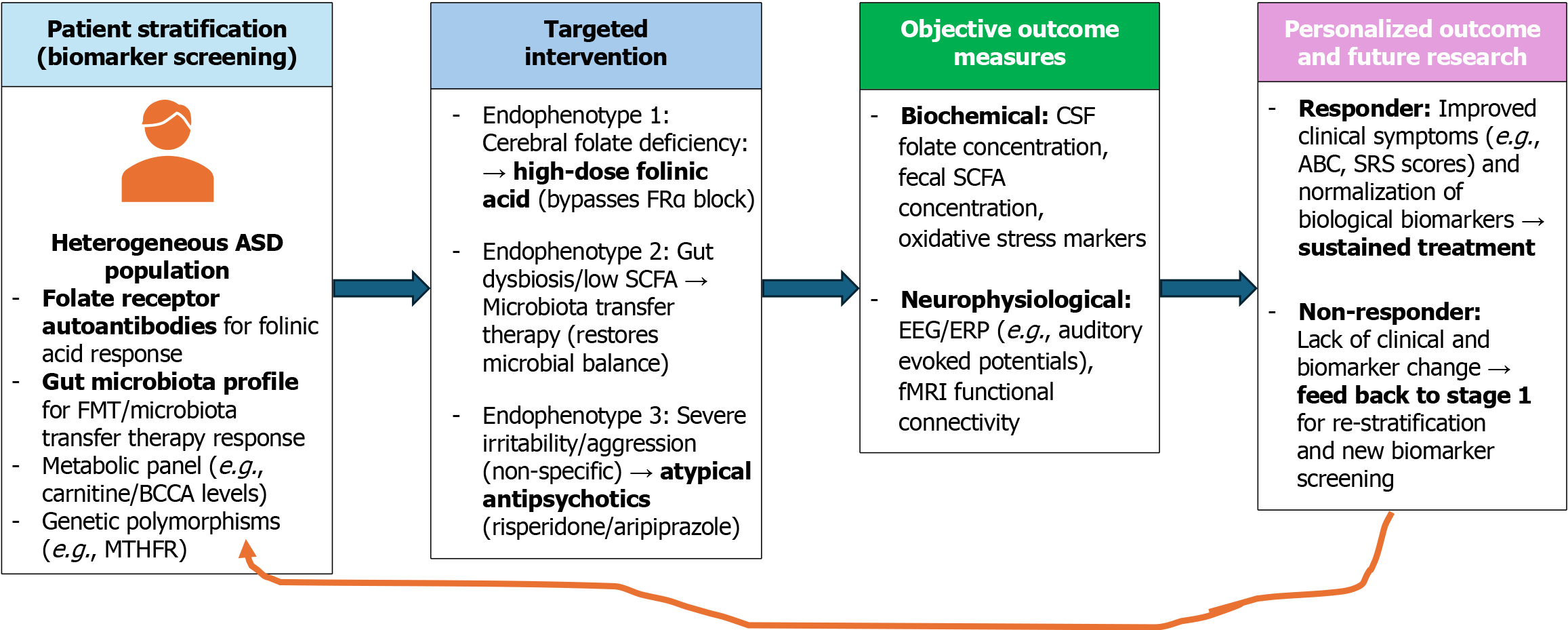
Figure 5 The translational precision medicine pipeline for medical management of autism spectrum disorder.
This figure illustrates the proposed precision-medicine framework for autism spectrum disorder, demonstrating how biomarker-based stratification can guide individualized medical treatment. The pipeline begins with Patient Stratification, where children with autism spectrum disorder undergo biomarker screening, including folate receptor-α autoantibodies (predicting folinic acid response), gut microbiota composition (predicting response to microbiota transfer therapy/fecal microbiota transplantation), metabolic panels (e.g., carnitine, branched-chain amino acids levels), and relevant genetic polymorphisms (e.g., methylenetetrahydrofolate reductase variants). These biomarkers identify biologically meaningful endophenotypes within the heterogeneous autism spectrum disorder population. The second stage, targeted intervention, maps each endophenotype to a mechanism-driven therapy - for example, folinic acid for cerebral folate deficiency, microbiota transfer therapy for gut dysbiosis/Low short-chain fatty acids states, and atypical antipsychotics for severe irritability/aggression. The third stage, objective outcome measures, emphasizes the use of biological markers such as cerebrospinal fluid folate levels, fecal short-chain fatty acids concentrations, and electroencephalography/functional magnetic resonance imaging signatures to monitor treatment response, moving beyond reliance on subjective scales (e.g., Aberrant Behavior Checklist, Childhood Autism Rating Scale). The pipeline concludes with personalized outcome and future research, showing that responders experience symptom improvement and enhanced quality of life, whereas non-responders re-enter the pipeline for re-evaluation. This model highlights how biomarker-driven stratification can enable mechanism-based, individualized treatments in autism spectrum disorder. ASD: Autism spectrum disorder; FMT: Fecal microbiota transplantation; BCAA: Branched-chain amino acids; MTHFR: Methylenetetrahydrofolate reductase; FRα: Folate receptor alpha; SCFA: Short-chain fatty acids; CSF: Cerebrospinal fluid; EEG: Electroencephalography; ERP: Event-related potential; ABC: Aberrant Behavior Checklist; SRS: Social Responsiveness Scale.
- Citation: Elbeltagi YM, Abd Rab El Rasool AO, Elkashlan AM, Al-Beltagi M. Medical treatment of autism spectrum disorder in children: Current evidence, controversies, and clinical challenges. World J Clin Pediatr 2026; 15(2): 117274
- URL: https://www.wjgnet.com/2219-2808/full/v15/i2/117274.htm
- DOI: https://dx.doi.org/10.5409/wjcp.v15.i2.117274