
















Copyright: ©Author(s) 2026.
World J Clin Pediatr. Jun 9, 2026; 15(2): 115963
Published online Jun 9, 2026. doi: 10.5409/wjcp.v15.i2.115963
Published online Jun 9, 2026. doi: 10.5409/wjcp.v15.i2.115963
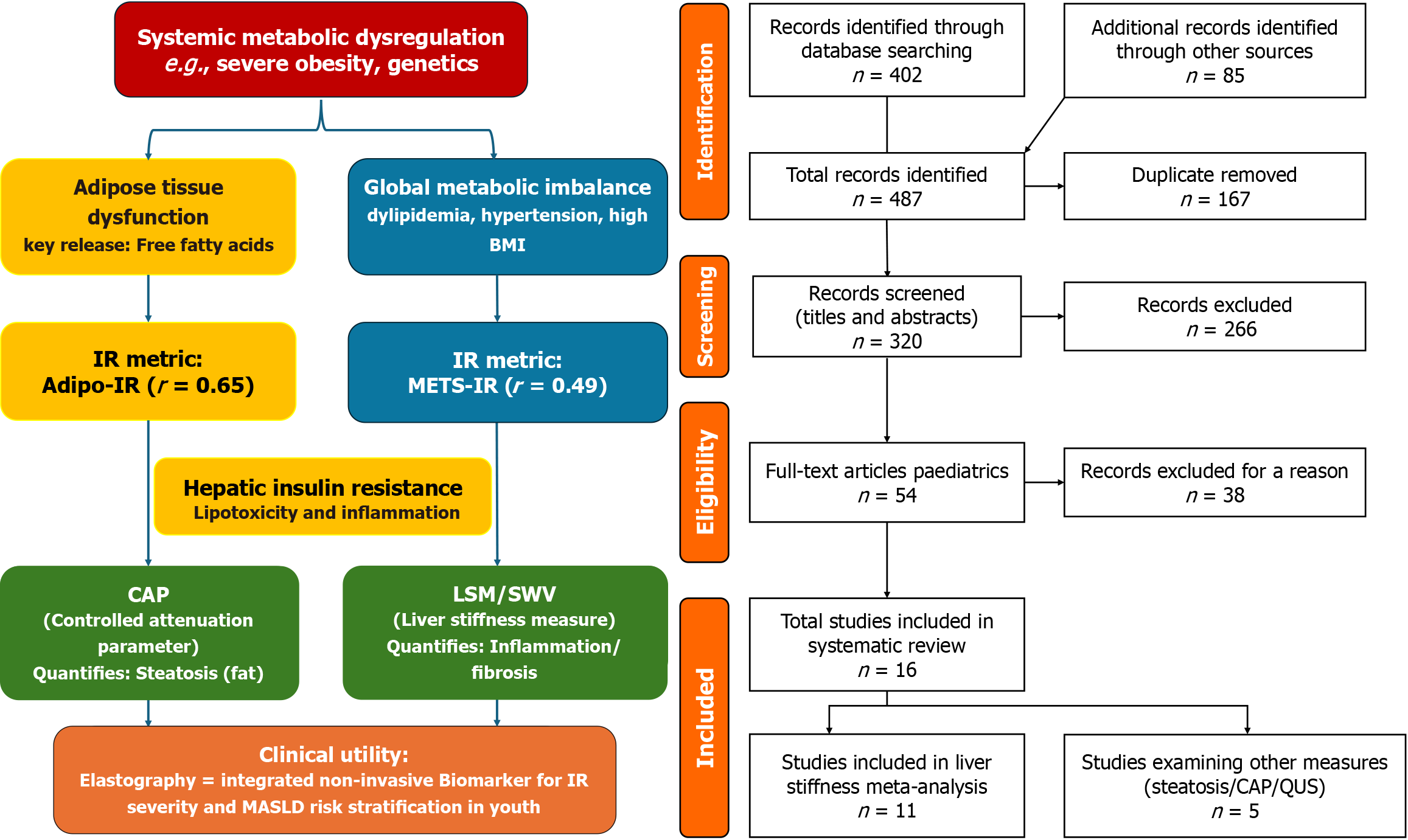
Figure 1 The flow chart of the included studies.
BMI: Body mass index; IR: Insulin resistance; Adipo-IR: Adipose tissue insulin resistance; CAP: Controlled attenuation parameter; LSM: Liver stiffness measurement; SWV: Shear wave velocity; MASLD: Metabolic dysfunction-associated steatotic liver disease; QUS: Quantitative ultrasound.
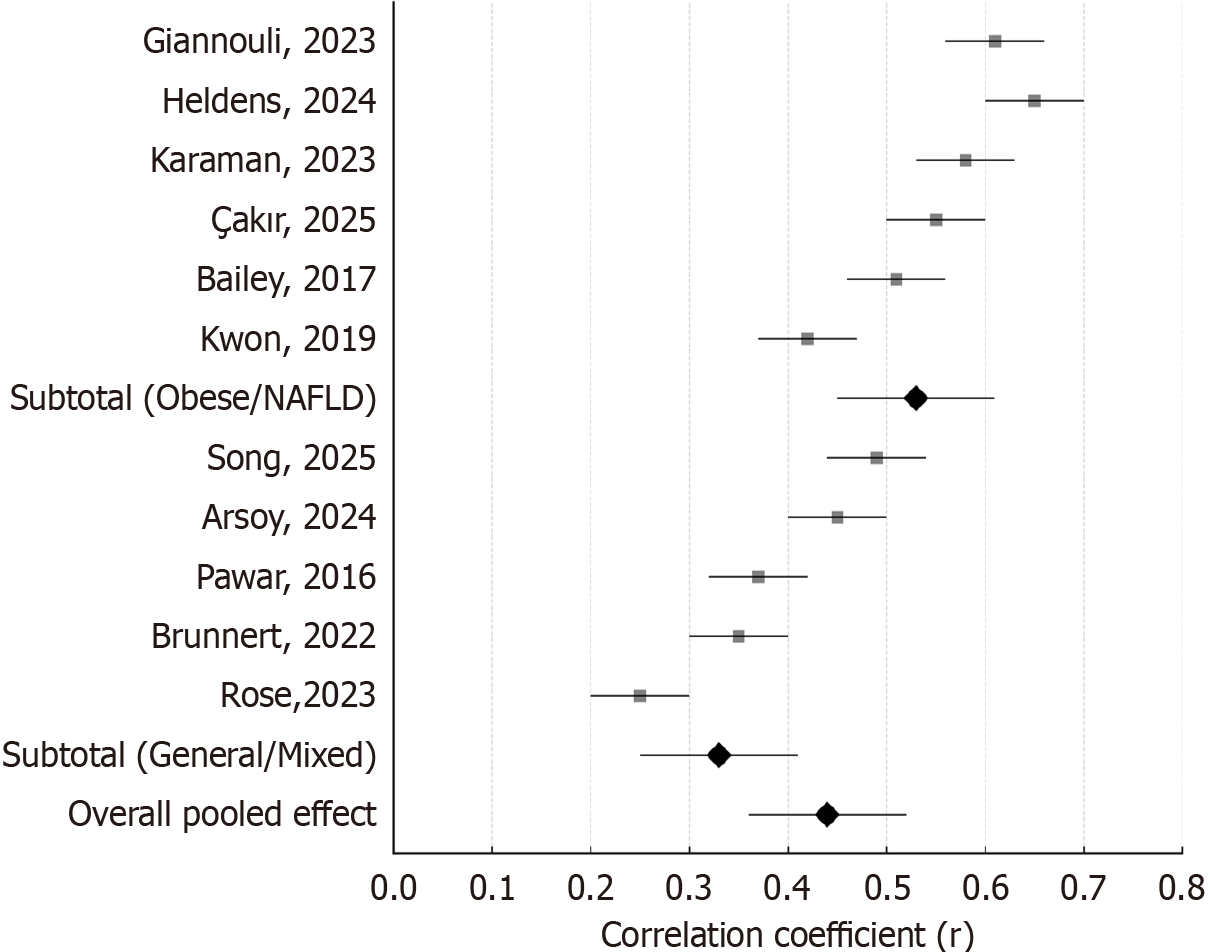
Figure 2 Forest plot of study-level correlations between liver stiffness and insulin resistance in the pediatric population.
The forest plot visually represents the individual study correlations (liver stiffness measurement/shear wave velocity vs insulin resistance) and the overall pooled effect, including the subgroup analysis by patient population. Each line represents an individual study included in the meta-analysis (n = 11, total n = 1338). The pooled overall effect [r = 0.44 (0.39-0.49)] is shown as a gray diamond at the bottom, with horizontal lines indicating 95% confidence intervals under a random-effects model. NAFLD: Non-alcoholic fatty liver disease.
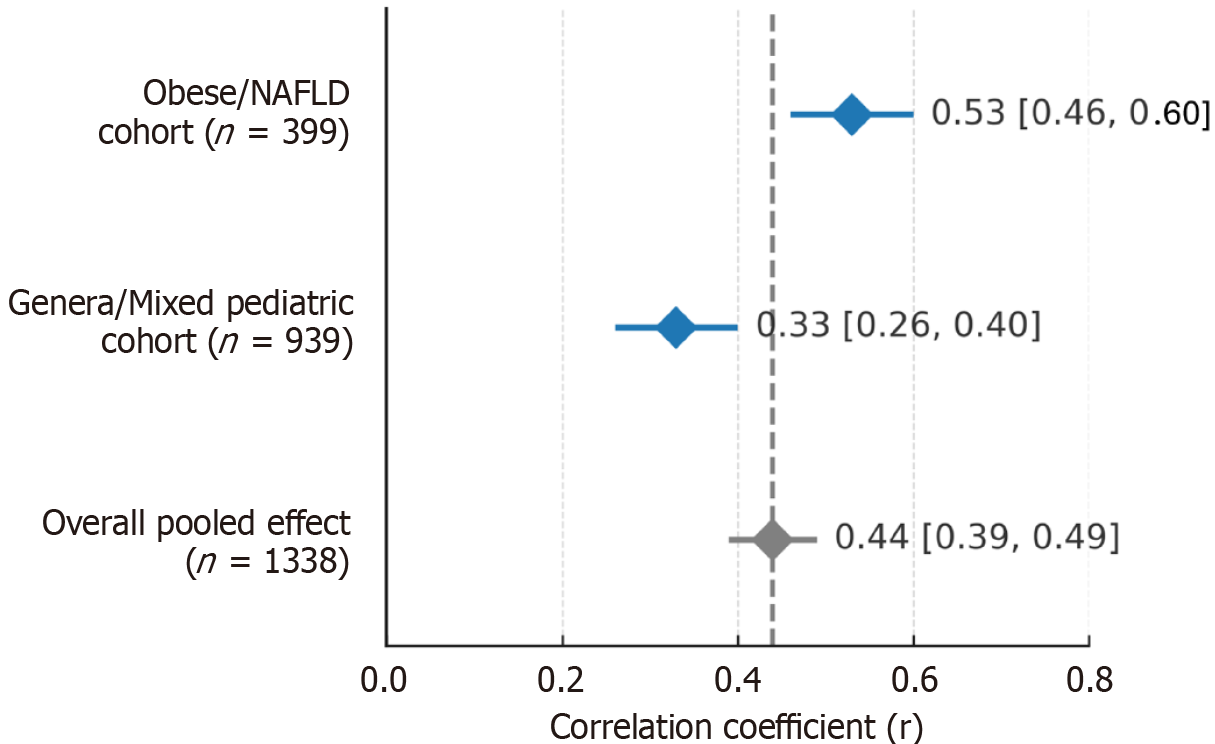
Figure 3 Subgroup comparison of pooled correlations between liver stiffness and insulin resistance.
This plot summarizes pooled effect sizes for two major subgroups: Children with obesity or non-alcoholic fatty liver disease [r = 0.53 (0.46-0.60), n = 399] and general/mixed pediatric populations [r = 0.33 (0.26-0.40), n = 939]. The grey diamond and dashed line represent the overall pooled correlation [r = 0.44 (0.39-0.49), n = 1338]. Blue diamonds denote subgroup estimates; horizontal bars indicate 95% confidence intervals under a random-effects model. NAFLD: Non-alcoholic fatty liver disease.
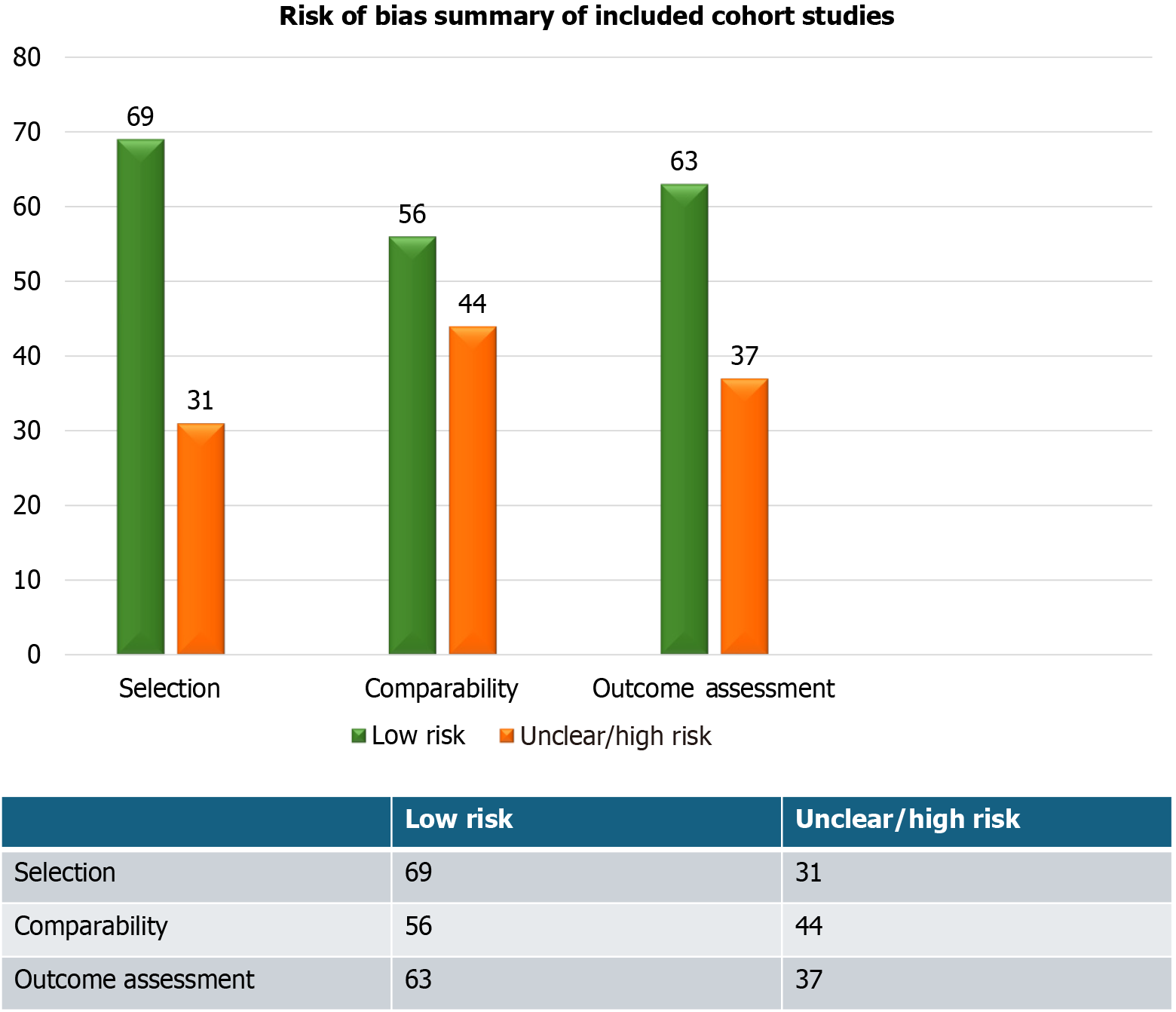
Figure 4 Risk of bias summary of included cohort studies by domain (Newcastle-Ottawa Scale, n = 16).
This figure summarizes the methodological quality of the included non-randomized cohort studies using the Newcastle-Ottawa Scale. The results are categorized across the three core Newcastle-Ottawa Scale domains: Selection, comparability, and outcome. The green bars represent a low risk of bias, yellow/orange represents unclear risk, and red represents high risk for the corresponding domain criteria. The majority of studies showed a low risk of bias in the selection and outcome domains. However, the comparability domain exhibits the highest proportion of unclear or high risk (44% combined). This indicates a significant methodological limitation across the pediatric literature, primarily due to the failure of many studies to adequately report or adjust for critical confounding factors, such as age, body mass index, and pubertal stage. This weak comparability among studies is hypothesized to be a major contributor to the observed statistical heterogeneity (I2) in the meta-analysis results.
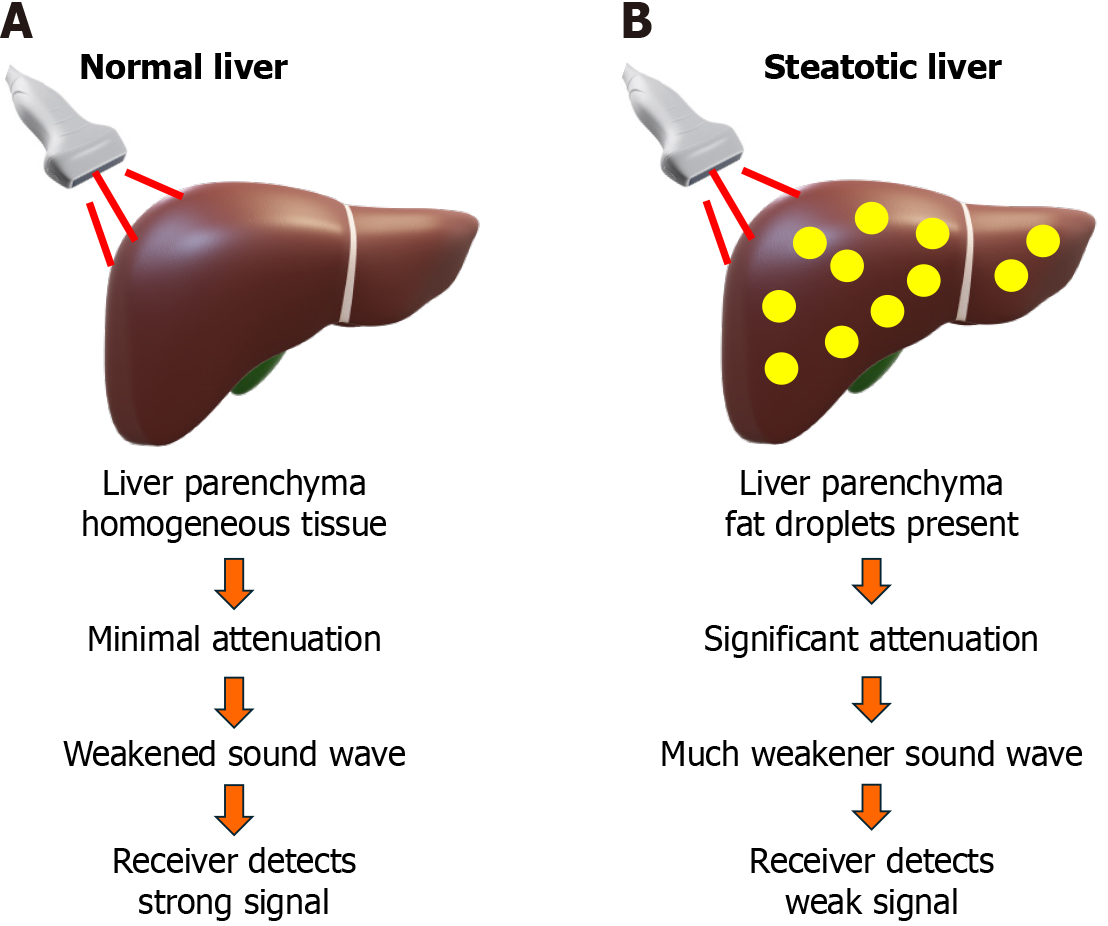
Figure 5 The principle of controlled attenuation parameter for steatosis assessment.
This schematic illustrates how the controlled attenuation parameter (CAP), measured in decibels per meter (dB/m), quantifies hepatic steatosis (liver fat). A: Sound waves passing through a healthy liver with homogeneous tissue, resulting in minimal signal energy loss (low attenuation) and a corresponding low CAP value; B: The effect of steatosis. Fat droplets (lipid vacuoles) are highly scattering and absorptive to the ultrasound signal. As the wave travels through the fatty liver tissue, it loses substantial energy, resulting in a significantly weakened signal upon returning to the receiver (high attenuation). This signal loss correlates directly with the degree of steatosis, yielding a high CAP value. CAP is therefore a direct, non-invasive biomarker for the physical presence of fat in the liver.
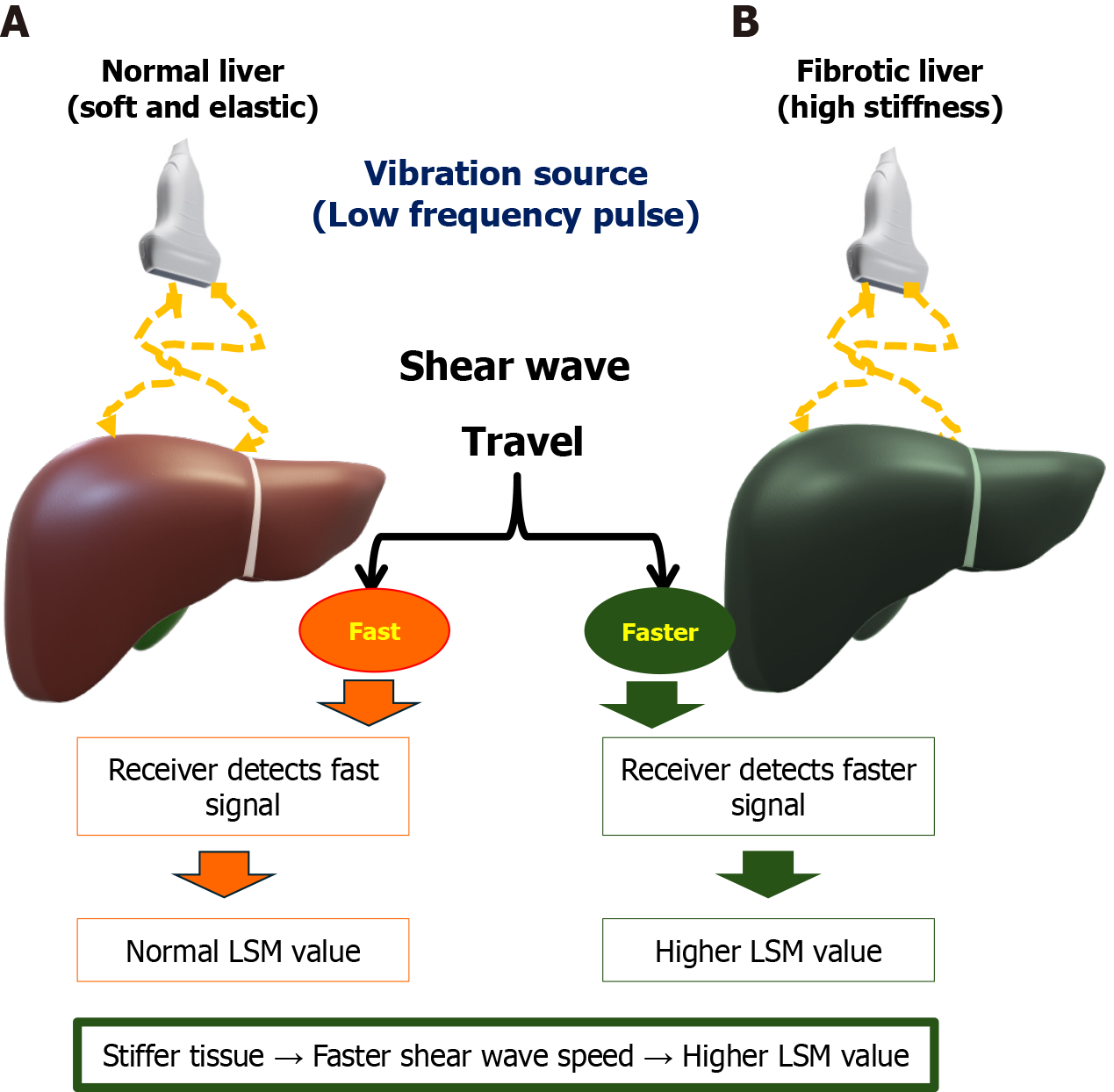
Figure 6 The principle of liver stiffness measurement for fibrosis assessment using transient elastography.
This schematic illustrates the mechanism by which liver stiffness measurement (LSM), typically measured in kPa, assesses liver fibrosis. LSM is derived from the speed of a low-frequency mechanical shear wave as it propagates through the liver. A: Depicts the shear wave traveling through a soft, normal (non-fibrotic) liver. The wave is minimally resisted and travels relatively slower; B: Depicts the shear wave traveling through a stiff, fibrotic liver (tissue hardened by collagen deposits). The rigid structure causes the shear wave to propagate faster. The core principle is that the stiffer the tissue, the faster the shear wave velocity. The LSM value is mathematically calculated from this velocity, providing a direct, non-invasive measure of liver stiffness, a validated surrogate for liver inflammation and fibrosis severity. LSM: Liver stiffness measurement.
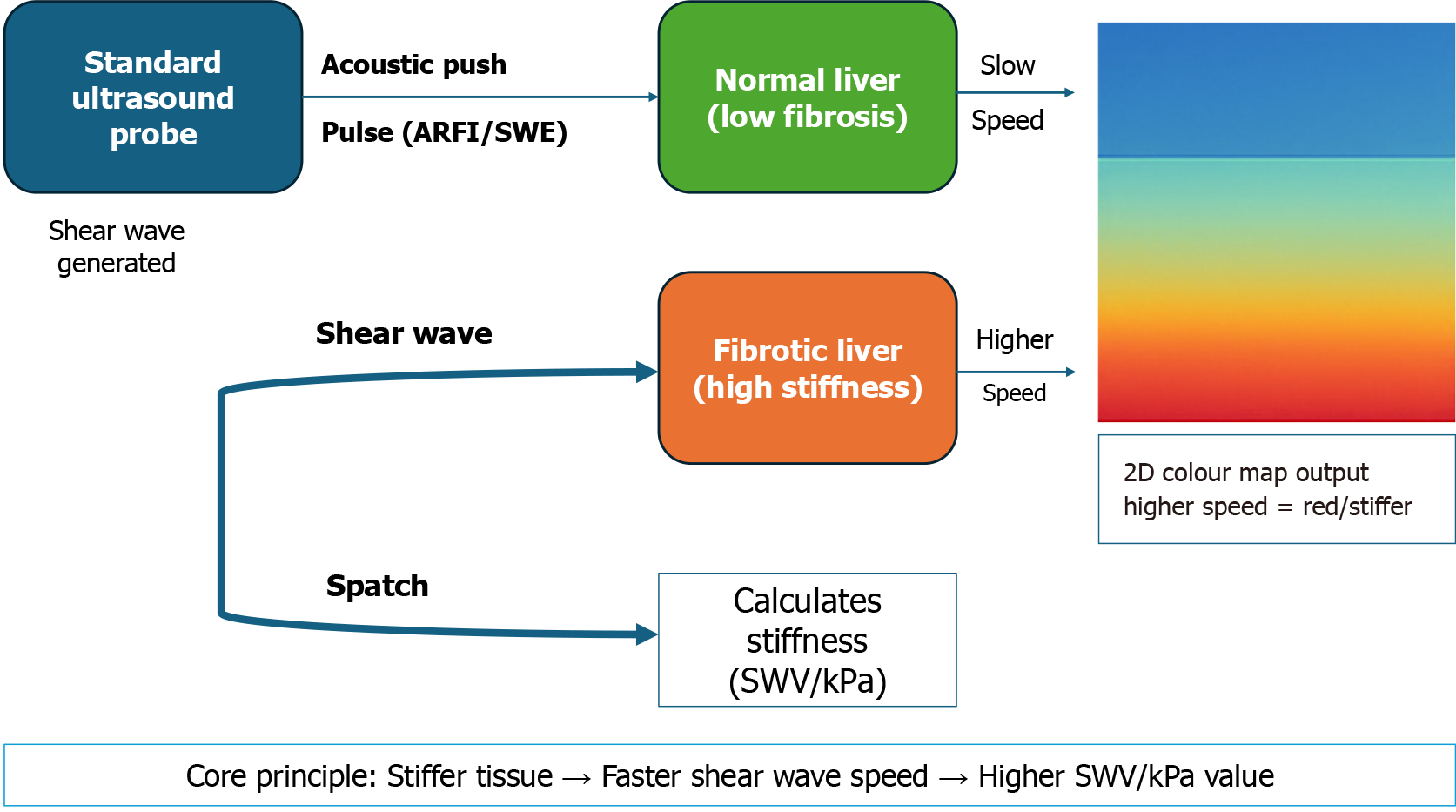
Figure 7 The principle of shear wave elastography for fibrosis assessment.
This schematic illustrates how shear wave elastography and acoustic radiation force impulse measure liver stiffness [shear wave velocity (SWV), measured in m/second or converted to kPa]. Unlike transient elastography, the shear wave is generated by a focused, acoustic push pulse emitted from a conventional ultrasound probe. This pulse perturbs the tissue, creating a shear wave that travels laterally. In normal liver tissue (low fibrosis), the wave travels slower, yielding a low SWV value. In fibrotic liver tissue (high stiffness), the wave travels faster. The system measures this speed and presents the result as a quantitative value (SWV) and often as a 2D color map, enabling real-time visualization of the stiffness distribution. This technique provides a non-invasive assessment of the inflammatory and fibrotic components of metabolic dysfunction-associated steatotic liver disease. ARFI: Acoustic radiation force impulse; SWE: Shear wave elastography; SWV: Shear wave velocity.
- Citation: Elbeltagi RM, Saeed NK, Bediwy AS, Al-Beltagi M. Ultrasound hepatic elastography: A non-invasive indicator of insulin resistance in the pediatric population: A systematic review. World J Clin Pediatr 2026; 15(2): 115963
- URL: https://www.wjgnet.com/2219-2808/full/v15/i2/115963.htm
- DOI: https://dx.doi.org/10.5409/wjcp.v15.i2.115963