
















Copyright: ©Author(s) 2026.
World J Clin Pediatr. Jun 9, 2026; 15(2): 114986
Published online Jun 9, 2026. doi: 10.5409/wjcp.v15.i2.114986
Published online Jun 9, 2026. doi: 10.5409/wjcp.v15.i2.114986
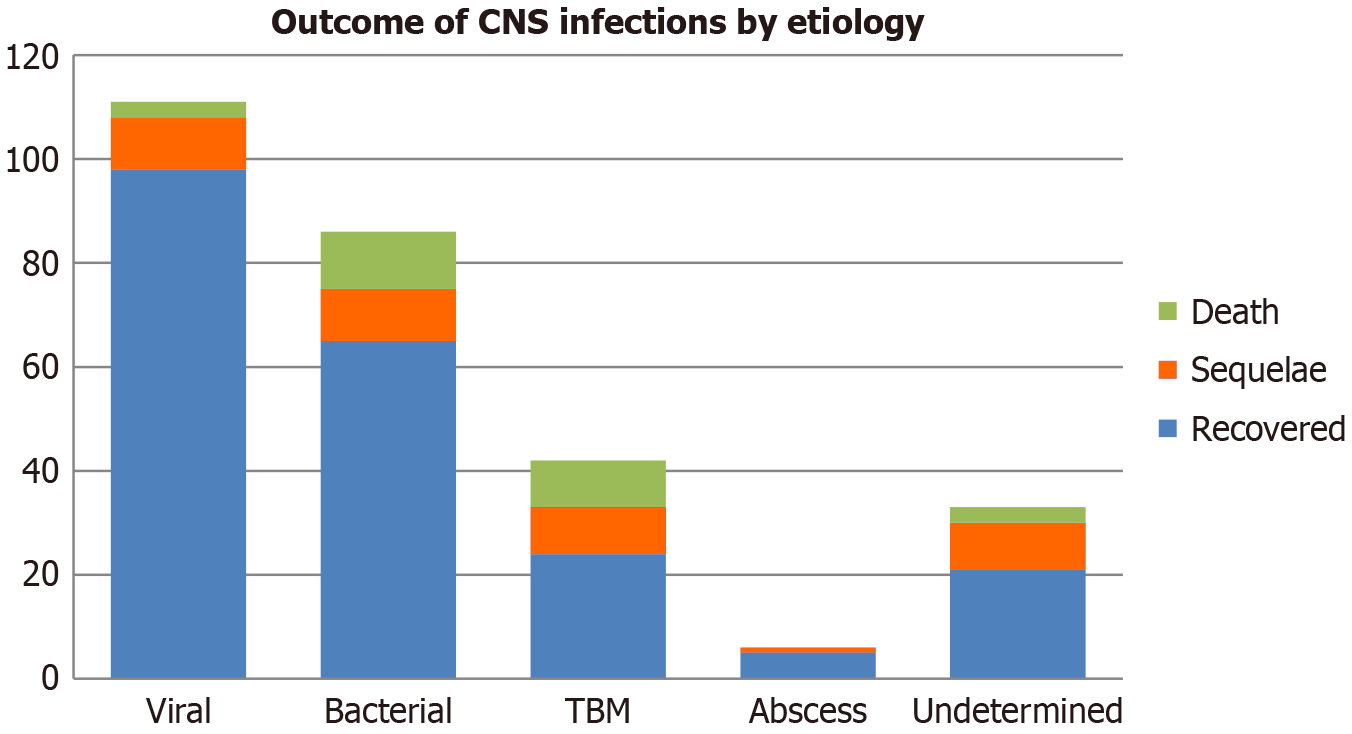
Figure 1 Clinical outcomes by etiology among children with central nervous system infections.
Stacked bar chart presenting outcome categories – full recovery, neurological sequelae, and mortality – for each major etiology. Viral encephalitis shows the highest recovery rate, while tuberculous meningitis is associated with the highest proportions of sequelae and mortality. CNS: Central nervous system; TBM: Tuberculous meningitis.
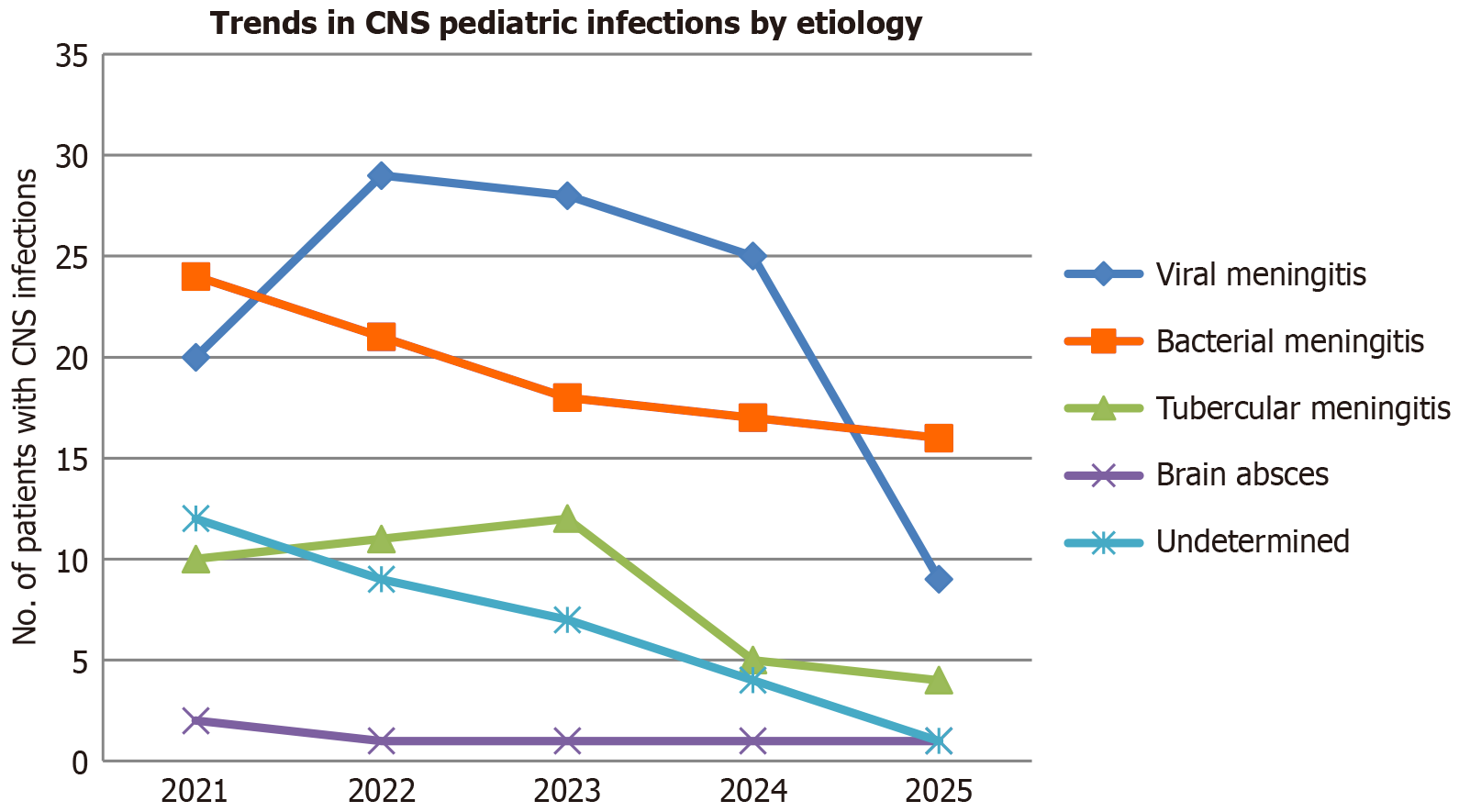
Figure 2 Trends in etiological distribution of pediatric central nervous system infections.
Line graph showing annual proportions of major etiological categories, including bacterial meningitis, viral encephalitis, tuberculous meningitis, brain abscess, and undetermined cases. Viral encephalitis shows a rising trend over the study period, whereas bacterial meningitis demonstrates a gradual decline. CNS: Central nervous system.
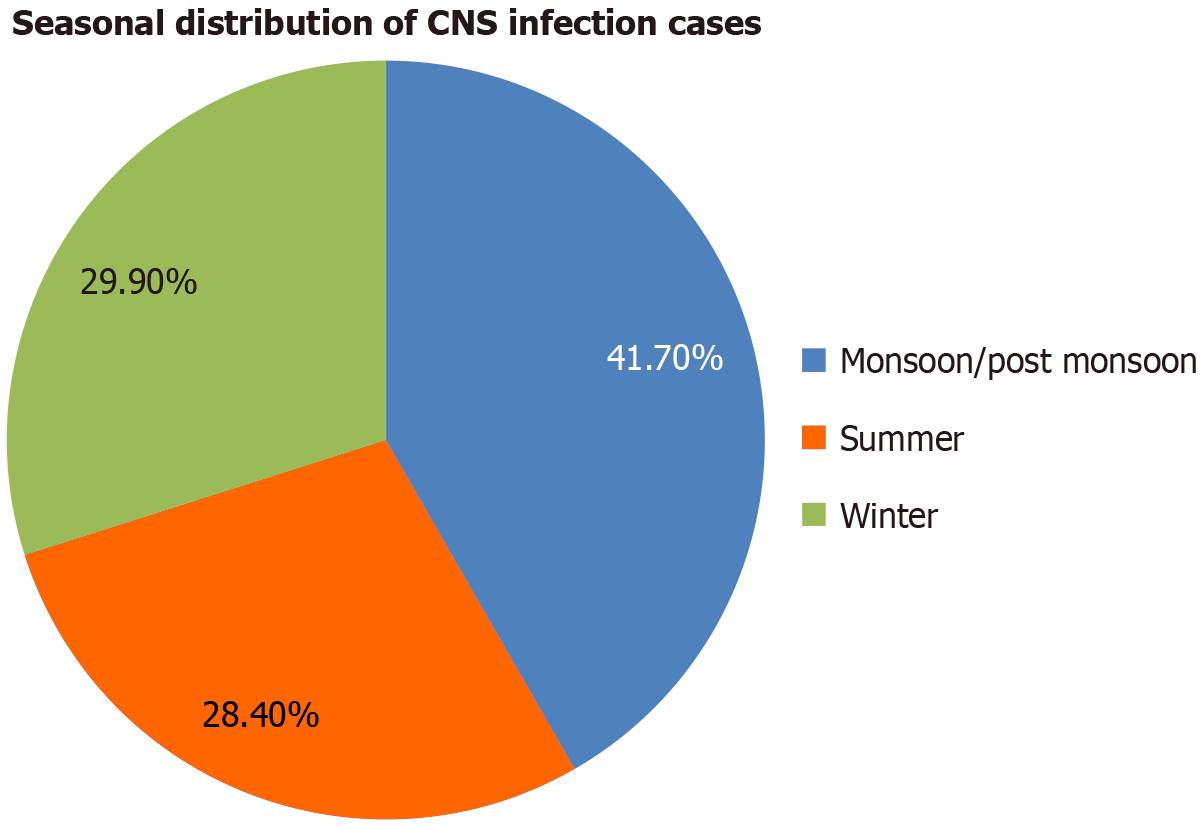
Figure 3 Seasonal distribution of pediatric central nervous system infection cases.
Bar chart depicting the distribution of cases across three seasonal categories: (1) Monsoon/post-monsoon (July-October); (2) Winter (November-February); and (3) Summer (March-June). The highest concentration of cases occurred during monsoon and post-monsoon months. CNS: Central nervous system.
- Citation: Patil PN, Khan Z, Mahyavanshi DK. Epidemiological trends and neurological outcomes of pediatric central nervous system infections in rural part of western India. World J Clin Pediatr 2026; 15(2): 114986
- URL: https://www.wjgnet.com/2219-2808/full/v15/i2/114986.htm
- DOI: https://dx.doi.org/10.5409/wjcp.v15.i2.114986