
















©Author(s) (or their employer(s)) 2026.
World J Clin Pediatr. Mar 9, 2026; 15(1): 111501
Published online Mar 9, 2026. doi: 10.5409/wjcp.v15.i1.111501
Published online Mar 9, 2026. doi: 10.5409/wjcp.v15.i1.111501
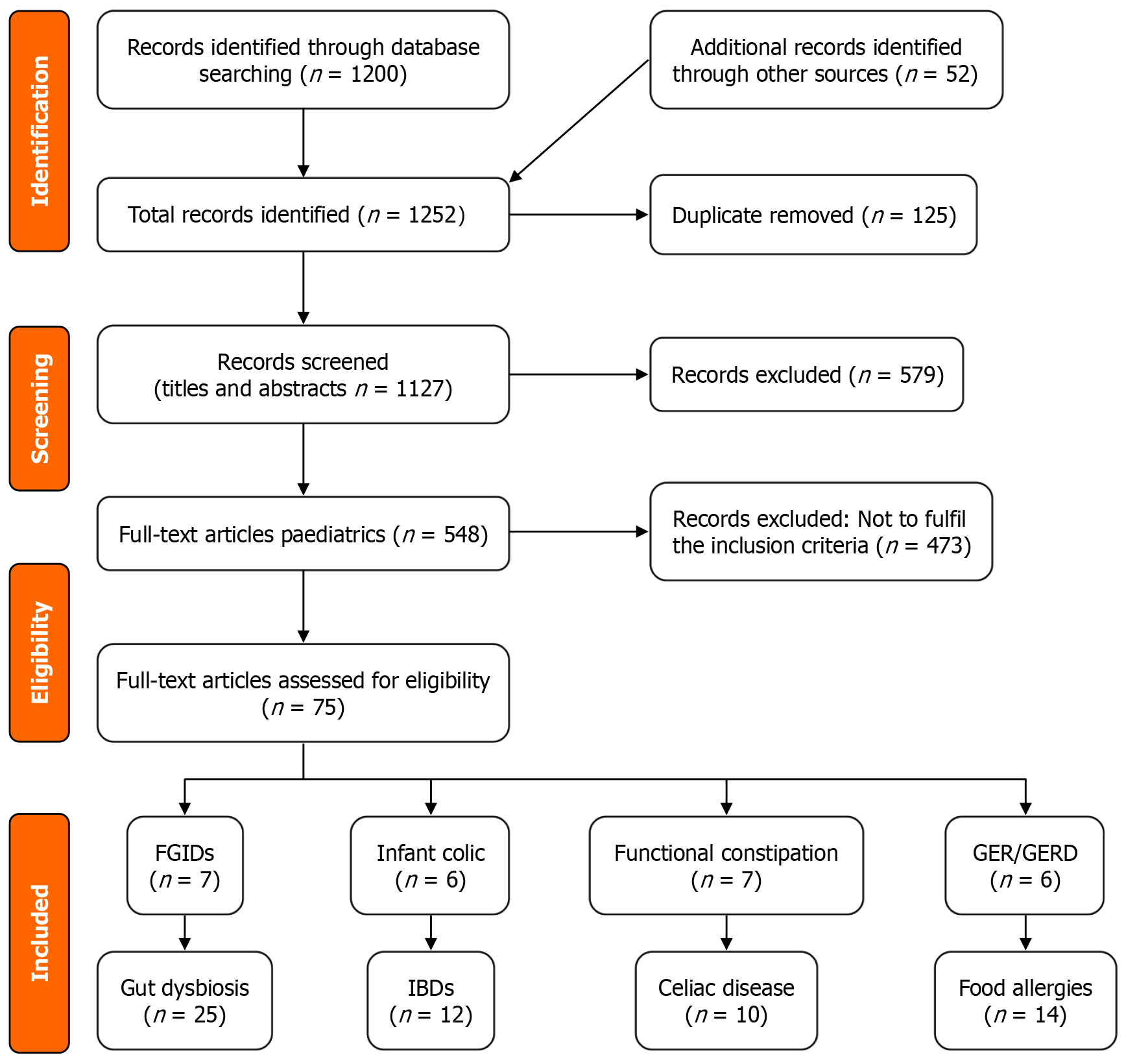
Figure 1 The flow chart of the included studies.
FGIDs: Functional gastrointestinal disorders; GER: Gastroesophageal reflux; GERD: Gastroesophageal reflux disease; IBDs: Inflammatory bowel diseases.
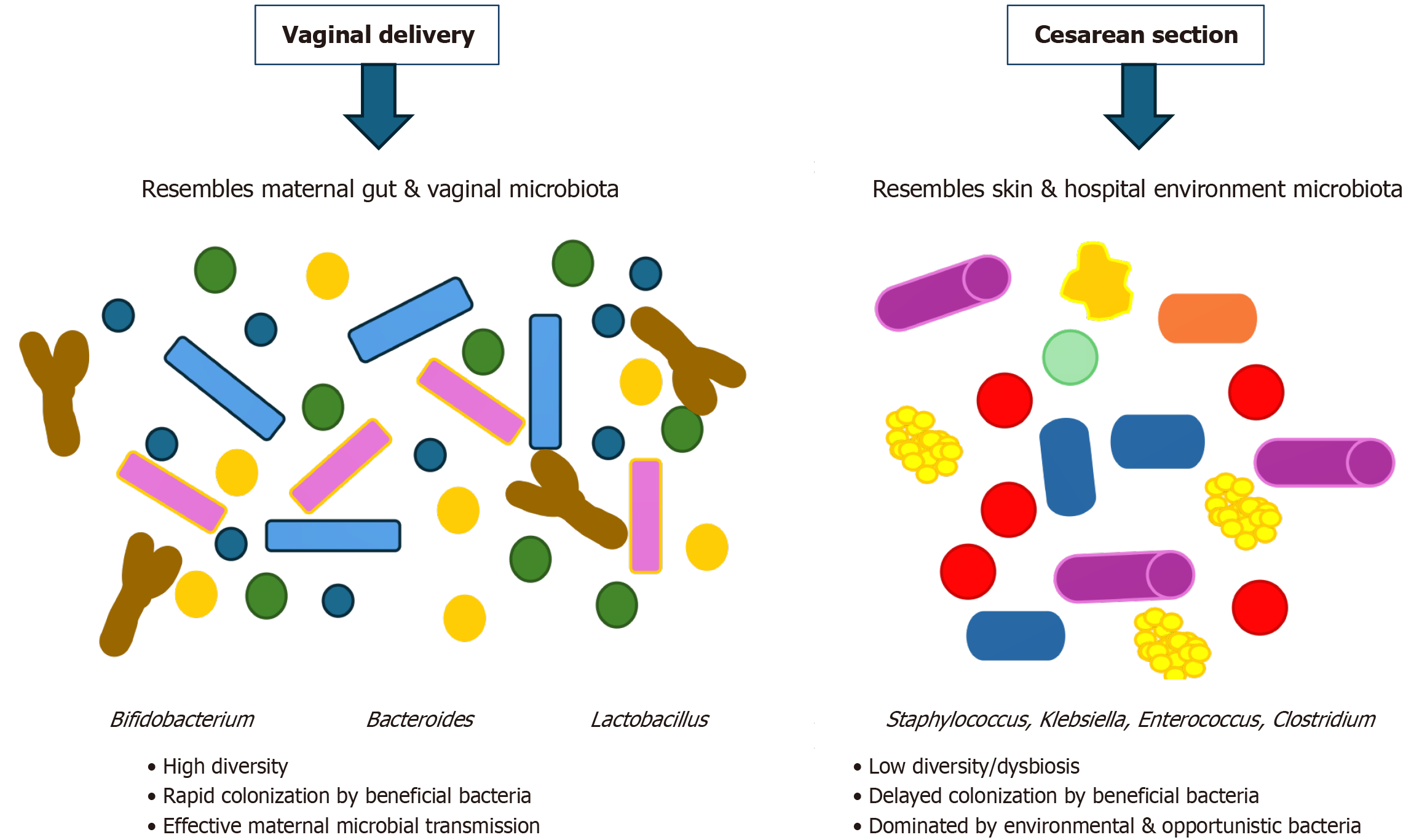
Figure 2 Comparison of initial gut microbiota colonization in infants by delivery mode.
Infants born vaginally (left panel) are exposed to maternal vaginal and fecal microbes, leading to rapid colonization with high diversity and an abundance of beneficial bacteria such as Bifidobacterium, Bacteroides, and Lactobacillus. In contrast, infants born via C-section (right panel) bypass this exposure and are primarily colonized by microbes from the skin and hospital environment, such as Staphylococcus, Klebsiella, and Enterococcus. This results in significantly reduced microbial diversity, a delayed colonization by beneficial commensals, and a state of dysbiosis that has been linked to adverse gastrointestinal outcomes.
- Citation: Al-Beltagi M, Alzayani S, Saeed NK, Bediwy AS, Prabu Kumar A, Bediwy HA, Elbeltagi R. Gastrointestinal consequences of cesarean section birth: A systematic review of short- and long-term effects in infancy and beyond. World J Clin Pediatr 2026; 15(1): 111501
- URL: https://www.wjgnet.com/2219-2808/full/v15/i1/111501.htm
- DOI: https://dx.doi.org/10.5409/wjcp.v15.i1.111501