
















Copyright: ©Author(s) 2026.
World J Orthop. Jun 18, 2026; 17(6): 121411
Published online Jun 18, 2026. doi: 10.5312/wjo.v17.i6.121411
Published online Jun 18, 2026. doi: 10.5312/wjo.v17.i6.121411
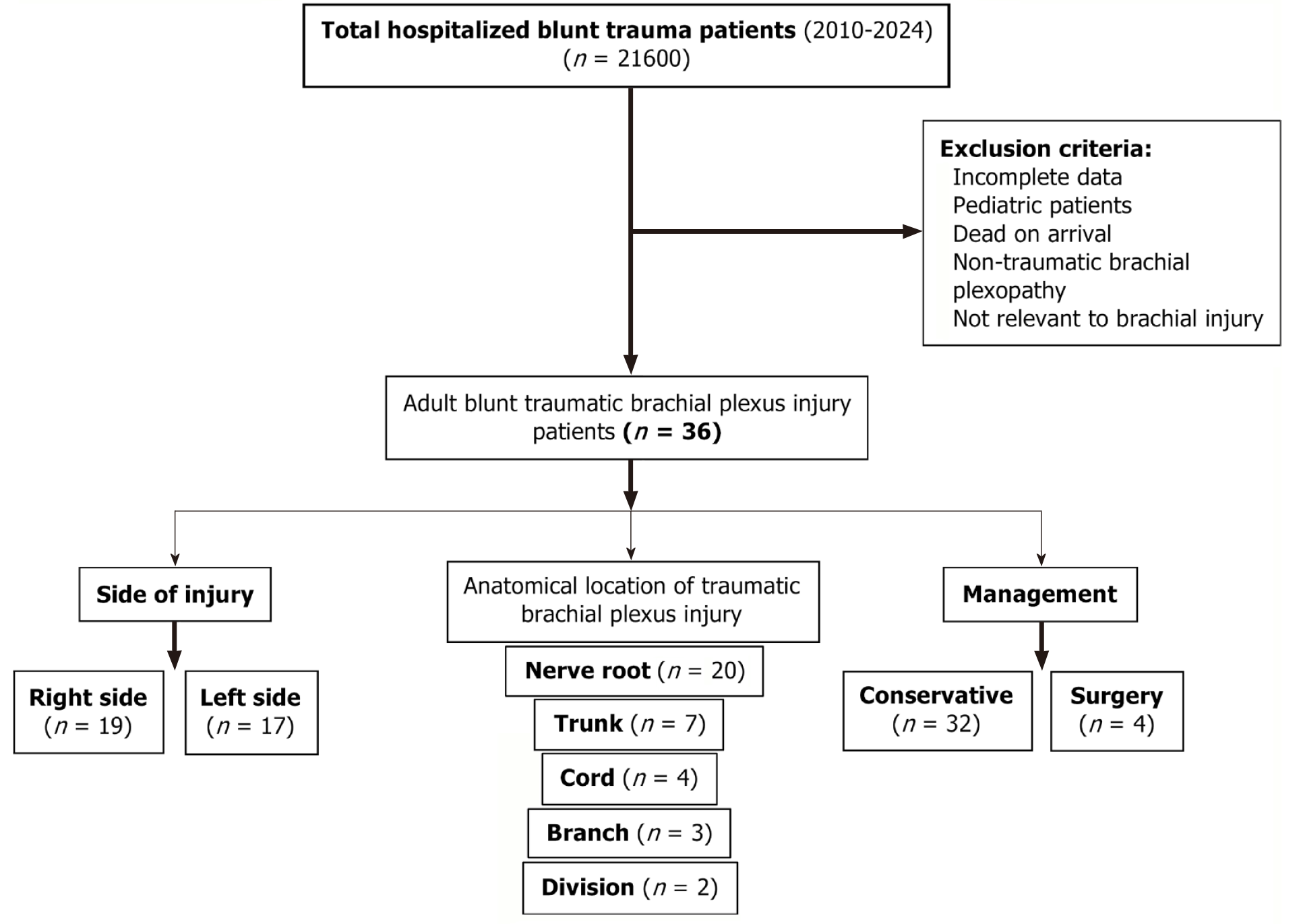
Figure 1 Study flowchart.
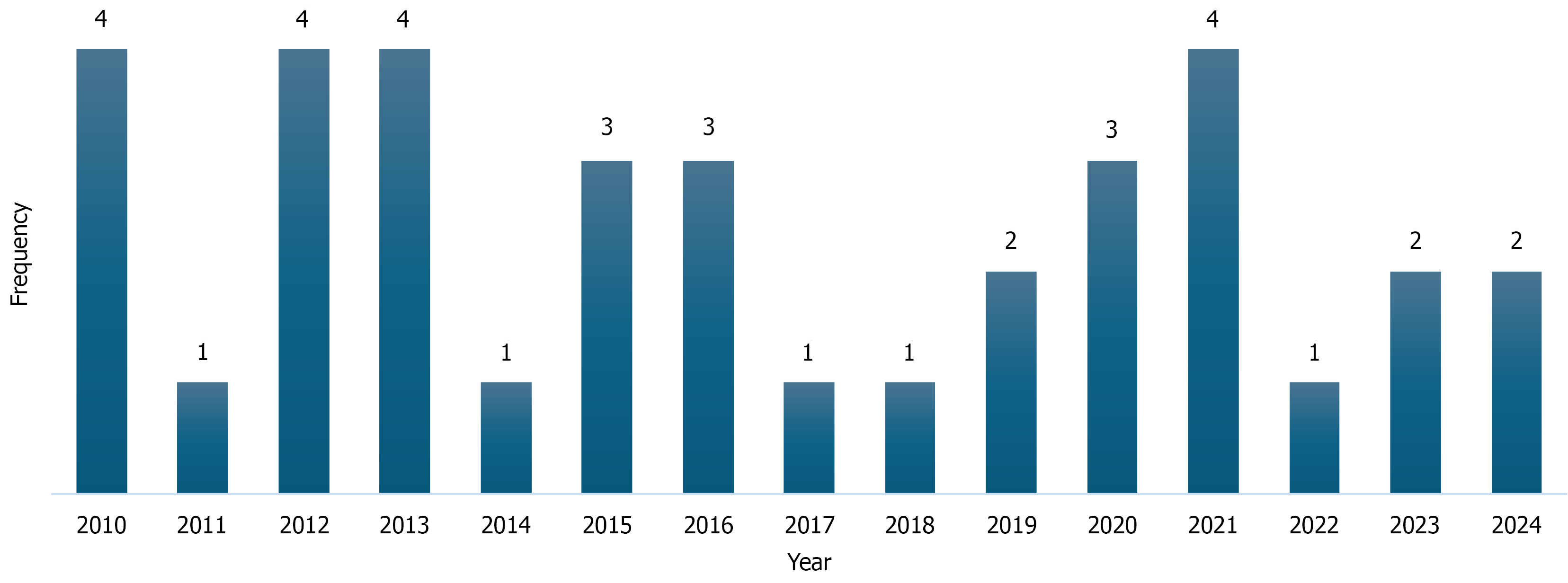
Figure 2 Frequency of traumatic brachial plexus injury in Qatar (2010-2024).
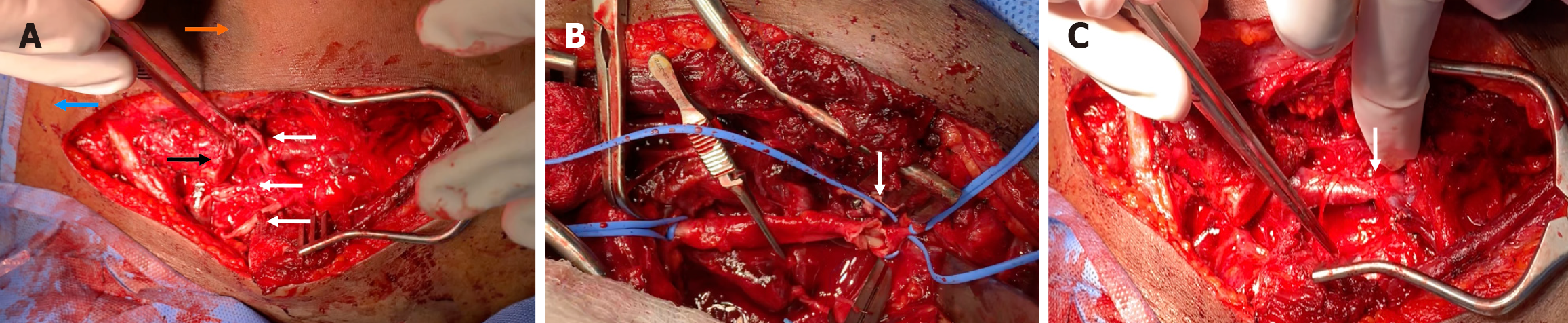
Figure 3 The examination results during the surgical procedure.
A: Orange arrow, pointing to the neck of the patient, the blue arrow pointing to the right shoulder, the black arrow pointing to the right clavicle, which is divided to expose the neurovascular of the brachial plexus and the axillary artery and vein. The three white arrows show the complete transaction of the nerve at the level of the cords of the brachial plexus; B: Proximal auxiliary artery with the repair process and vascular clamp on the proximal and distal ends for control; C: Axillary vein after repair.
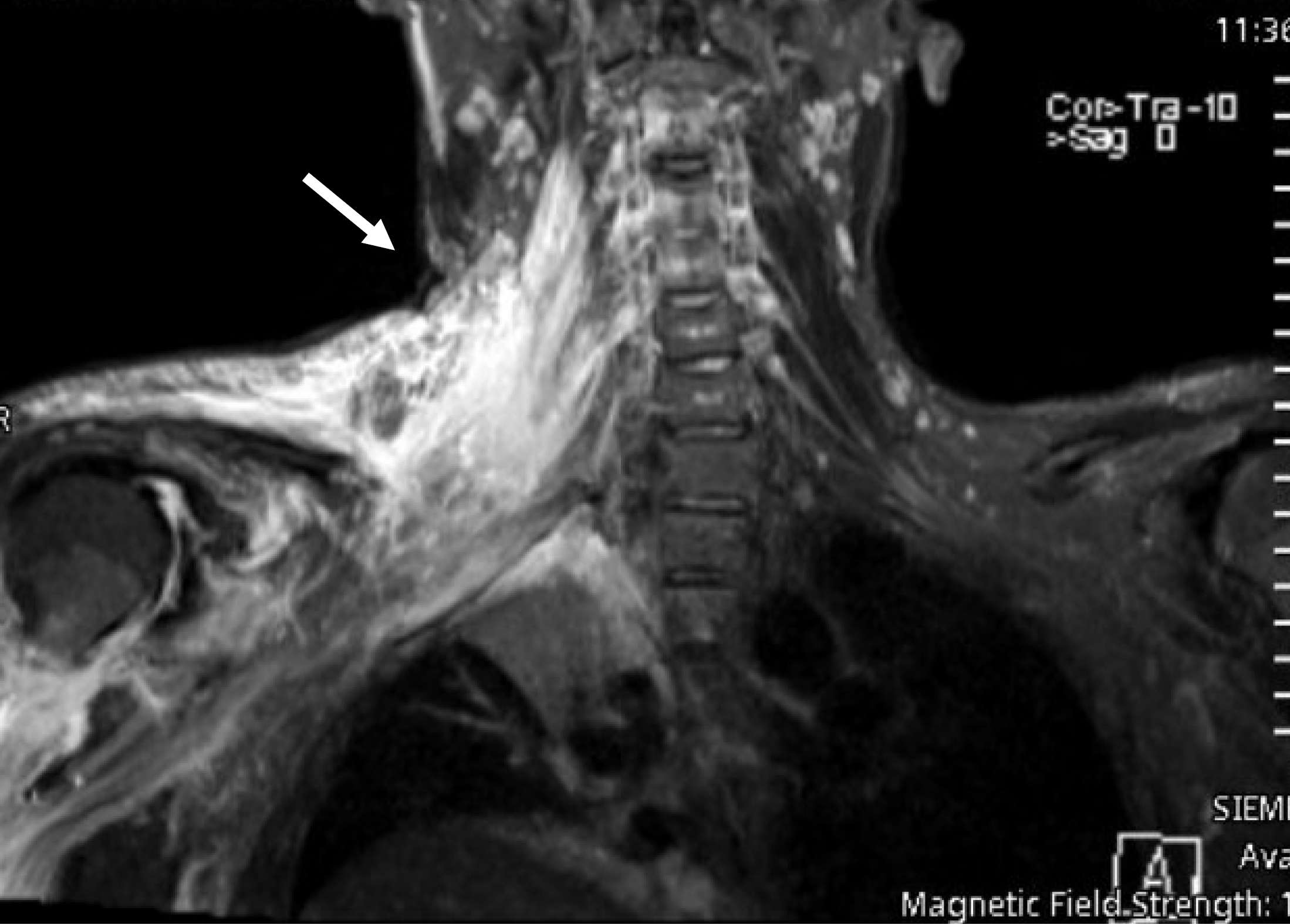
Figure 4 Magnetic resonance imaging shows brachial plexus with evidence of significant subcutaneous oedema noted along the right lower cervical and shoulder regions with irregular soft tissue hematoma (arrow) along the inferior cervical region extending into the right supraclavicular and right axillary region displacing and partially entrapping the trunks of ipsilateral brachial plexus which appears relatively thickened with abnormal high T2WI signal intensity.
Underlying brachial plexus injury cannot be excluded and might be masked by the soft tissue hematoma.
- Citation: Al-Thani H, El-Menyar A, Asim M, Syed Y, Ghouri SI, Muneer M, Al-Hassani A, Al-Sulaiti M, Tabeb A. Management and outcome of blunt traumatic brachial plexus injuries in adult trauma patients: A retrospective study. World J Orthop 2026; 17(6): 121411
- URL: https://www.wjgnet.com/2218-5836/full/v17/i6/121411.htm
- DOI: https://dx.doi.org/10.5312/wjo.v17.i6.121411