
















Copyright: ©Author(s) 2026.
World J Orthop. Jun 18, 2026; 17(6): 119956
Published online Jun 18, 2026. doi: 10.5312/wjo.v17.i6.119956
Published online Jun 18, 2026. doi: 10.5312/wjo.v17.i6.119956
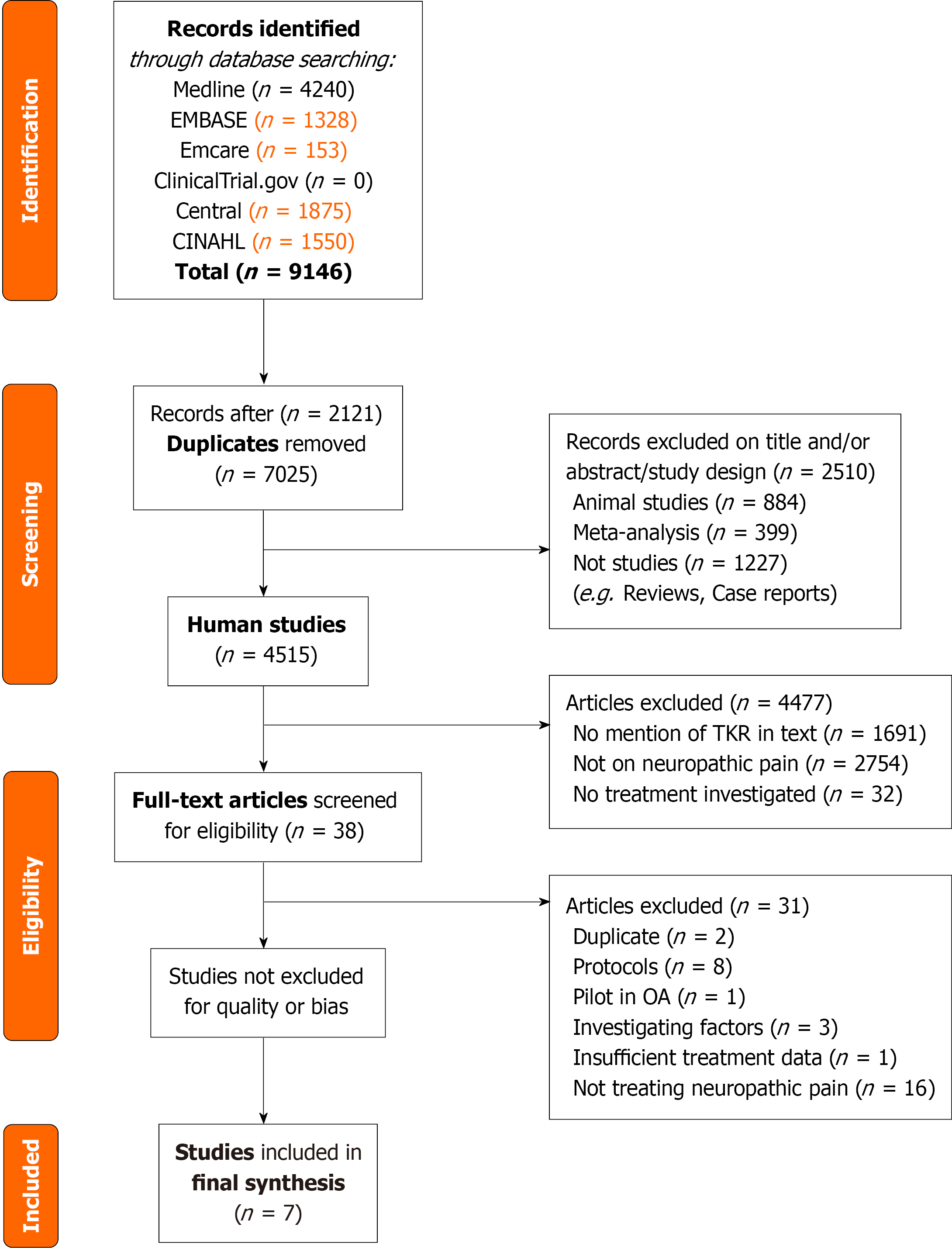
Figure 1 Preferred Reporting Items for Systematic Reviews and Meta-analyses flow diagram.
The Bertram et al’s paper[33] relating to the steroidogenic acute regulatory protein pathway was excluded from our review as it did not relate specifically to neuropathic pain post total knee replacement. While it did use Neuropathic Pain Scores such as Douleur-Neuropathique-4 and PainDETECT, the data that was collected only included mean values and was not used to classify or delineate patients with neuropathic pain within their cohort. The change in PainDETECT scores was similar and did not change between one and four years. Their study did not show a significant difference in the mean PainDETECT scores during follow up. Chapman et al[27] was excluded as it related to primarily nociceptive pain and was not specific to post-total knee replacement. TKR: Total knee replacement; OA: Osteoarthritis.
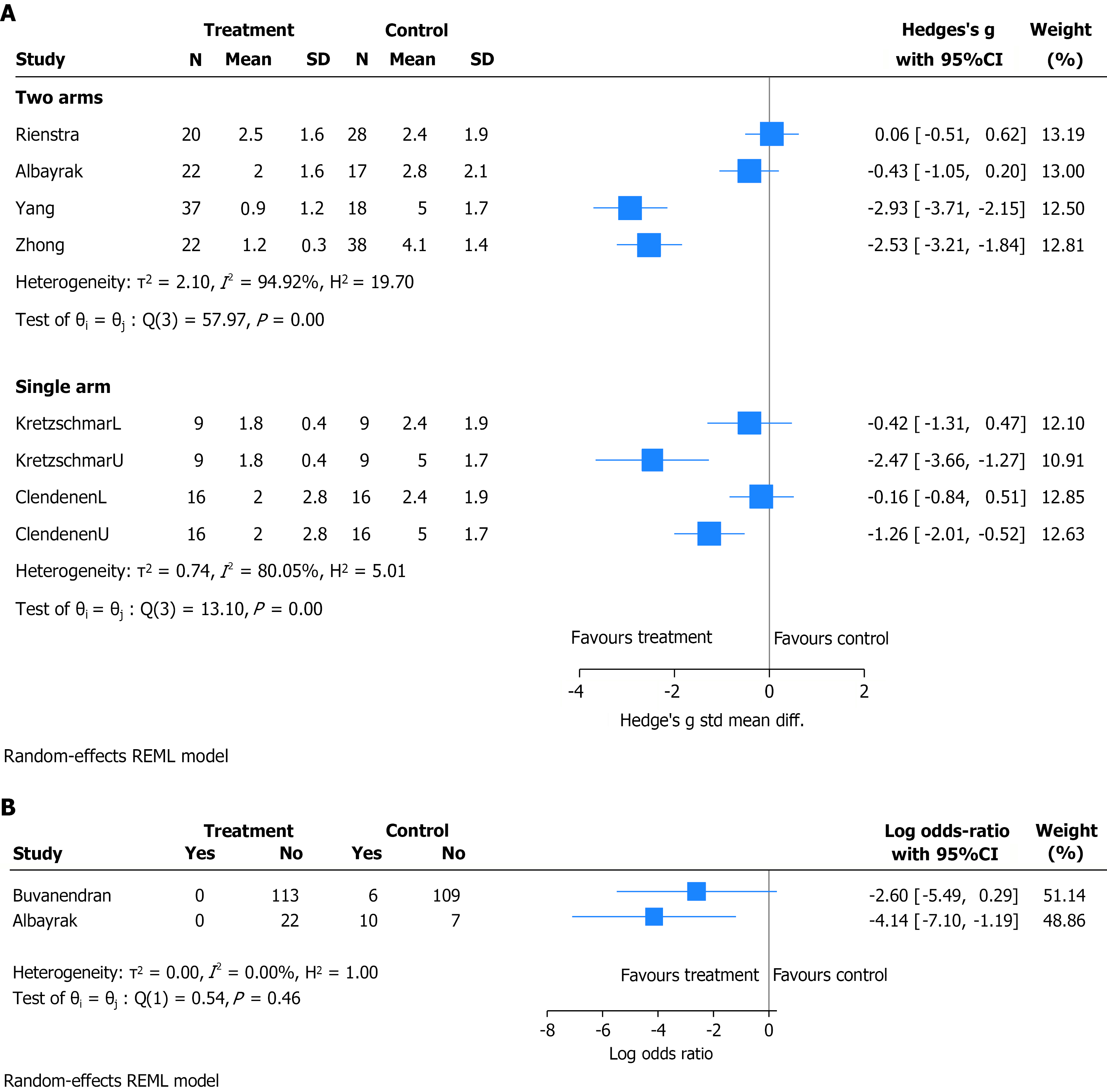
Figure 2 Forest plot.
A: Calculated the standardized mean difference of pain Visual Analogue Scale as reported between 6 months and 12 months after intervention. One randomized controlled trial and three retrospective studies are assessed. We have not meta-analyzed this data. Two studies report no effect, or very small effects of the intervention investigated. Two studies report good effects, but these were of poorer quality and had significant bias. For two single arm studies (Kretzschmar[15], Clendenen et al[20]), we calculated the mean difference in Visual Analogue Scale using the highest and lowest values for the control arm in other studies to provide a possible range of mean difference; B: Demonstrates the log odds ratio of patients with and without neuropathic pain after total knee replacement. The first study reports a clear effect of peri-operative oral pregabalin postulating a lasting effect on central sensitization, while the second is a comparative study of pulsed radiofrequency (radio-frequency) dorsal root ganglion ablation for neuropathic pain also reporting a sustained and substantial effect. CI: Confidence interval; REML: Residual maximum likelihood.
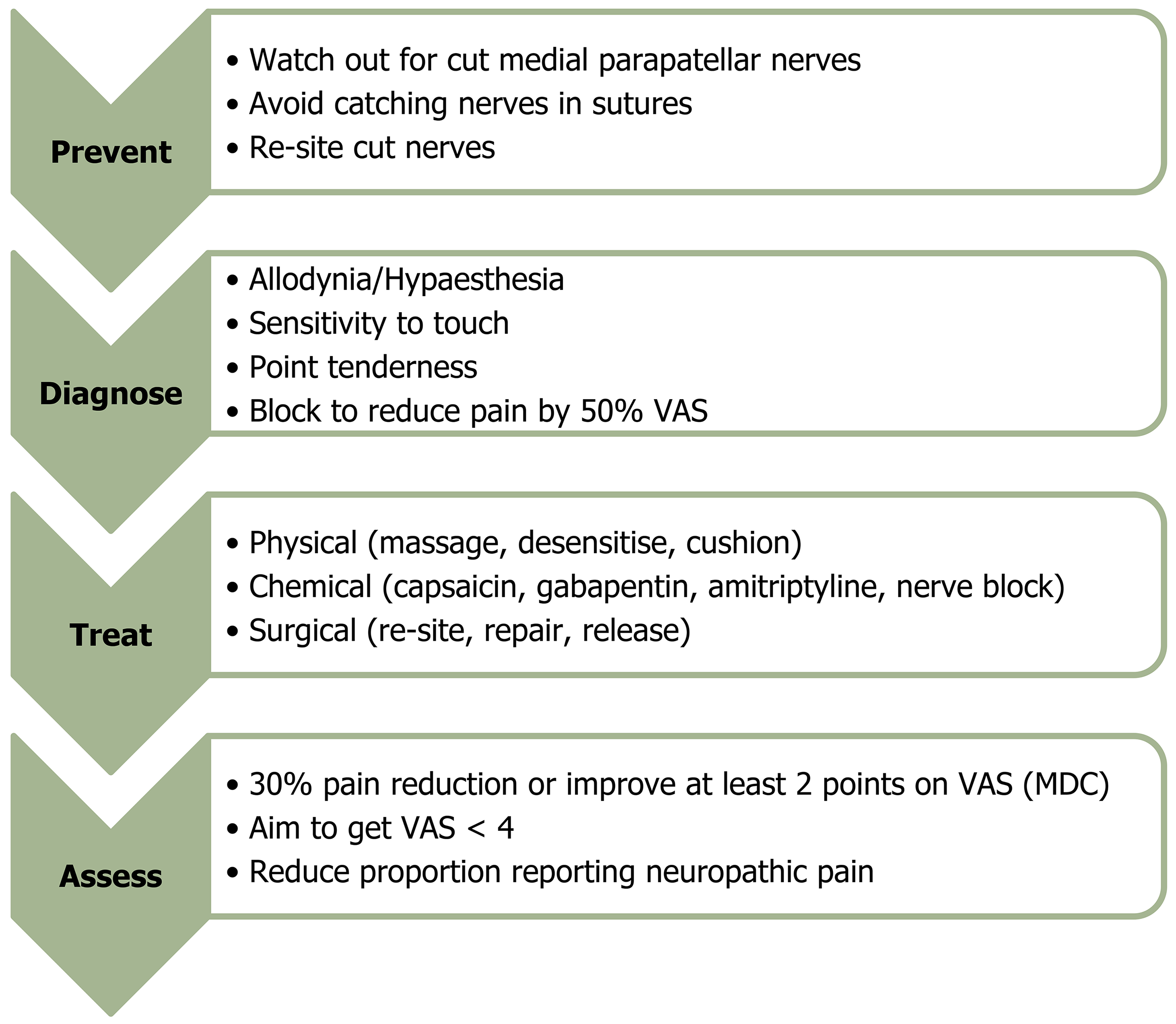
Figure 3 This shows the potential steps in the management pathway for prevention, diagnosis, assessment, and treatment of neuropathic pain after total knee replacement.
At present each of these are not well and consistently investigated. The awareness in surgical teams is low as the focus remains on the implants and their survival. Clinicians usually do not offer patients specific post-total knee replacement neuropathic pain management, using generic post-surgical pain management instead. Clinically significant improvement is deemed as relative improvement of 30% of baseline or absolute reduction in Visual Analogue Scale of at least 2[1,25]. VAS: Visual Analogue Scale; MDC: Minimal detectable change.
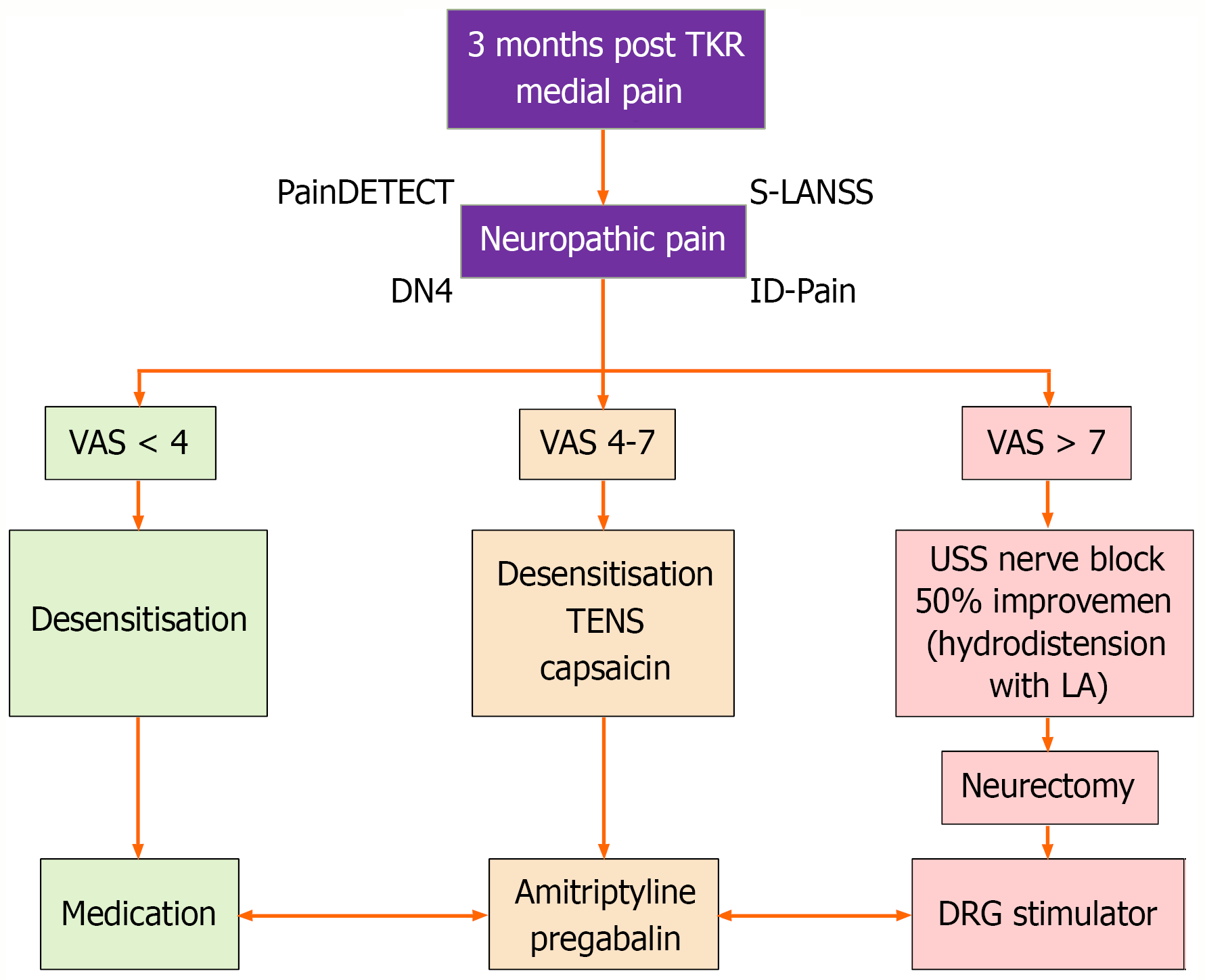
Figure 4 This outlines a potential treatment pathway for neuropathic pain after total knee replacement.
We consider that neuropathic pain needs identification, calibration, and management at three months after total knee replacement (TKR). Many of these interventions have good evidence base but not for neuropathic pain after TKR. For severe pain (Visual Analogue Scale > 7) the first step is to identify a possible cause using an ultrasound guided injection of local anesthetic. In those with 50% improvement of pain and in who simple hydro-dissection does not give lasting improvement consider neurectomy using radiofrequency or cryo-ablation or surgery to recite or release the nerve. If these measures fail, consider proximal methods such as dorsal root ganglion stimulation. As consensus evolves on the use and interpretation of neurophysiology to help classify severity of post TKR neuropathic pain, it could be incorporated into the treatment pathway as it may suggest an optimal treatment[34]. TKR: Total knee replacement; VAS: Visual Analogue Scale; S-LANSS: Self-reported Leeds Assessment of Neuropathic Symptoms and Signs; DN4: Douleur-Neuropathique-4; ID-Pain: Identification Pain questionnaire; TENS: Transcutaneous electrical nerve stimulation; USS: Ultrasound Scan; LA: Local anaesthetic; DRG: Dorsal root ganglion.
- Citation: Dias S, Ashworth S, McGonagle S, Divall P, Dias J. Diagnosis and management of neuropathic pain post-total knee replacement: A systematic review. World J Orthop 2026; 17(6): 119956
- URL: https://www.wjgnet.com/2218-5836/full/v17/i6/119956.htm
- DOI: https://dx.doi.org/10.5312/wjo.v17.i6.119956