
















Copyright: ©Author(s) 2026.
World J Orthop. May 18, 2026; 17(5): 114902
Published online May 18, 2026. doi: 10.5312/wjo.v17.i5.114902
Published online May 18, 2026. doi: 10.5312/wjo.v17.i5.114902
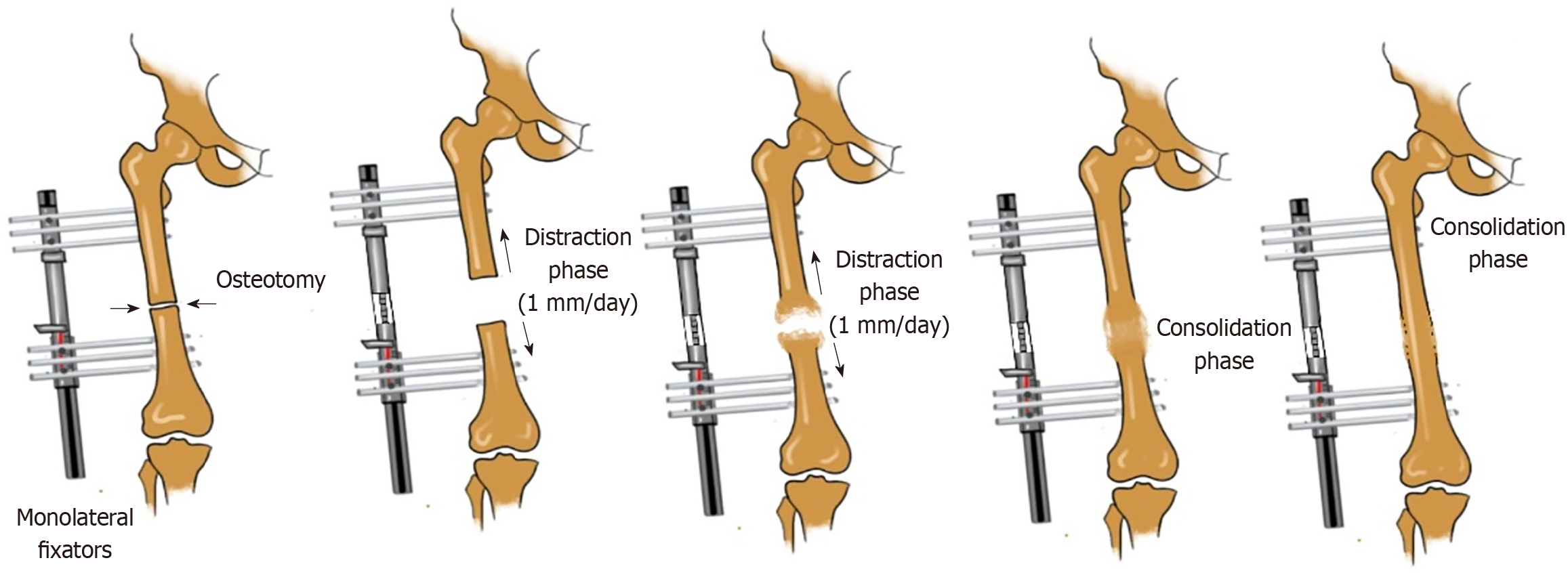
Figure 1 Illustration demonstrating the steps of osteotomy in limb lengthening.
It outlines the sequential stages of limb lengthening using a monolateral external fixator, beginning with osteotomy, followed by the gradual distraction phase (1 mm/day), and concluding with the consolidation phase as new bone forms and strengthens.
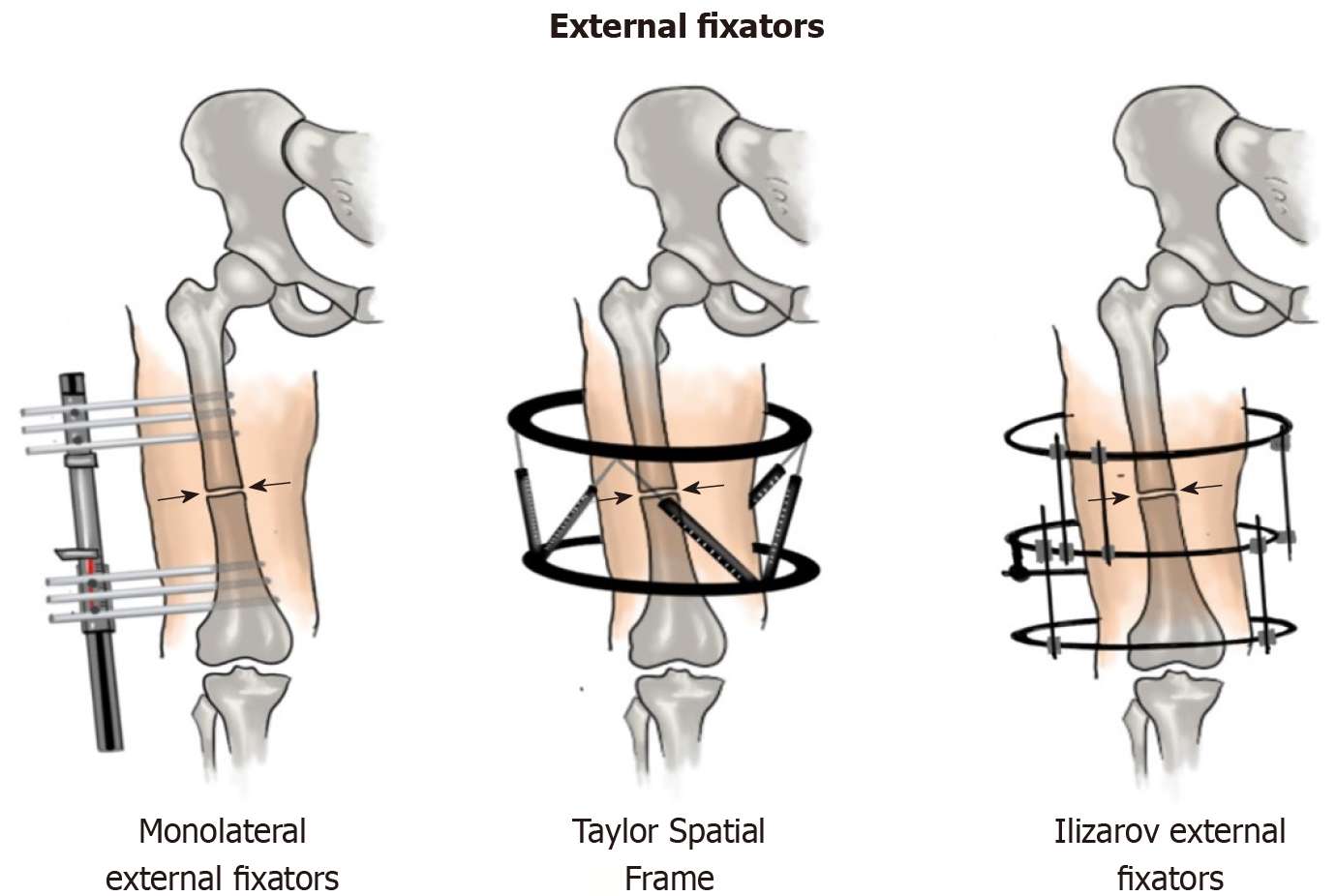
Figure 2 Illustration demonstrating the different types of external fixators.
It depicts three commonly used external fixation systems for limb reconstruction and lengthening: (1) A monolateral external fixator; (2) The Taylor Spatial Frame; and (3) The circular Ilizarov external fixator.
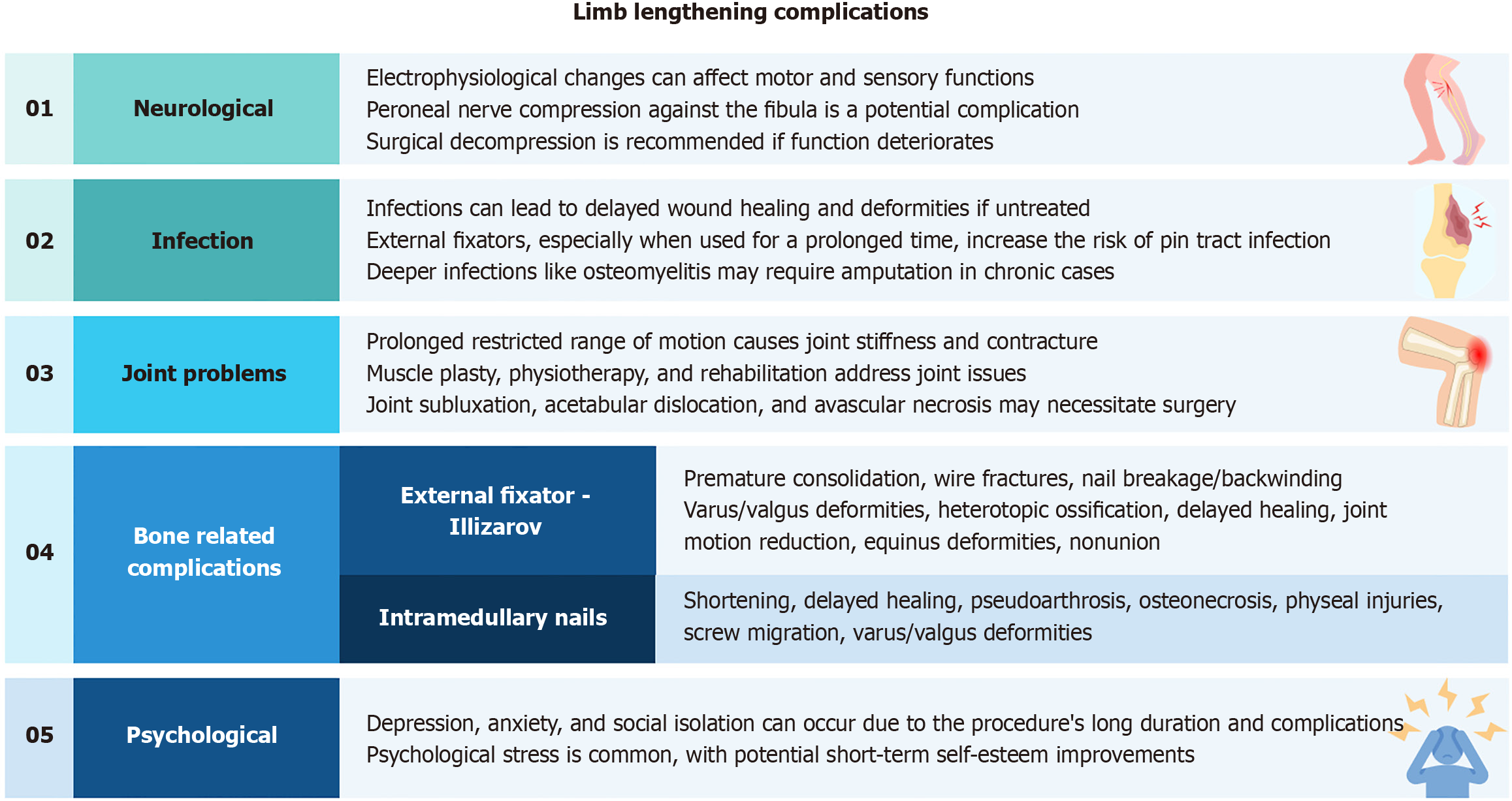
Figure 3 Summary of the complications in limb lengthening procedures.
It summarizes key complications of limb lengthening, including neurological, infectious, joint-related, bone-related (across different techniques), and psychological effects associated with prolonged treatment.
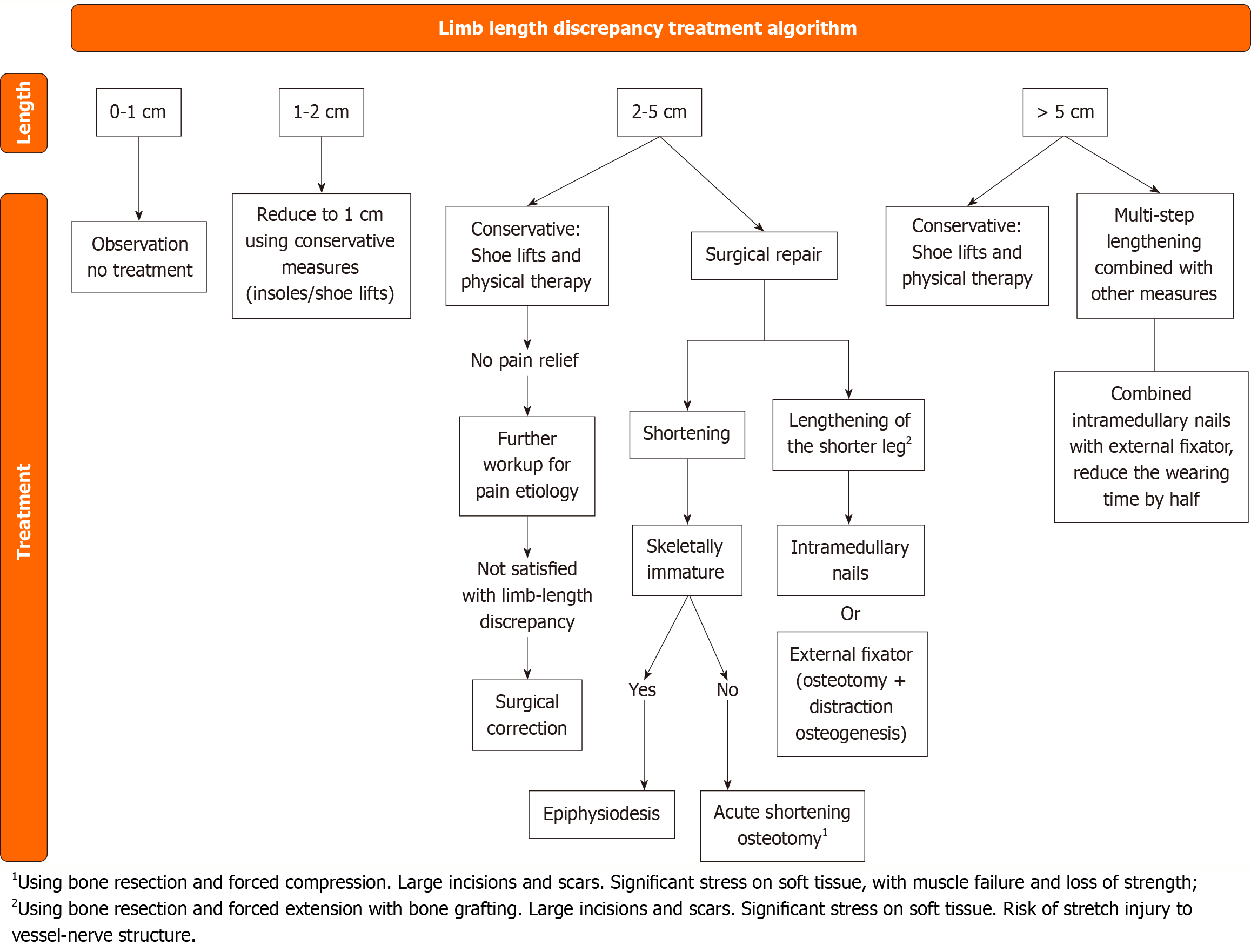
Figure 4 Leg length discrepancy treatment algorithm.
This algorithm outlines recommended management of leg length discrepancy according to discrepancy size and skeletal maturity, highlighting when observation, conservative therapy, epiphysiodesis, shortening, or lengthening procedures are indicated.
- Citation: Kotaich JA, Yanni GD, El Toum EE, Ismail A, Daher M, Sebaaly A. Limb lengthening for limb length discrepancy: Overview, complications, and new treatment algorithm. World J Orthop 2026; 17(5): 114902
- URL: https://www.wjgnet.com/2218-5836/full/v17/i5/114902.htm
- DOI: https://dx.doi.org/10.5312/wjo.v17.i5.114902