
















Copyright: ©Author(s) 2026.
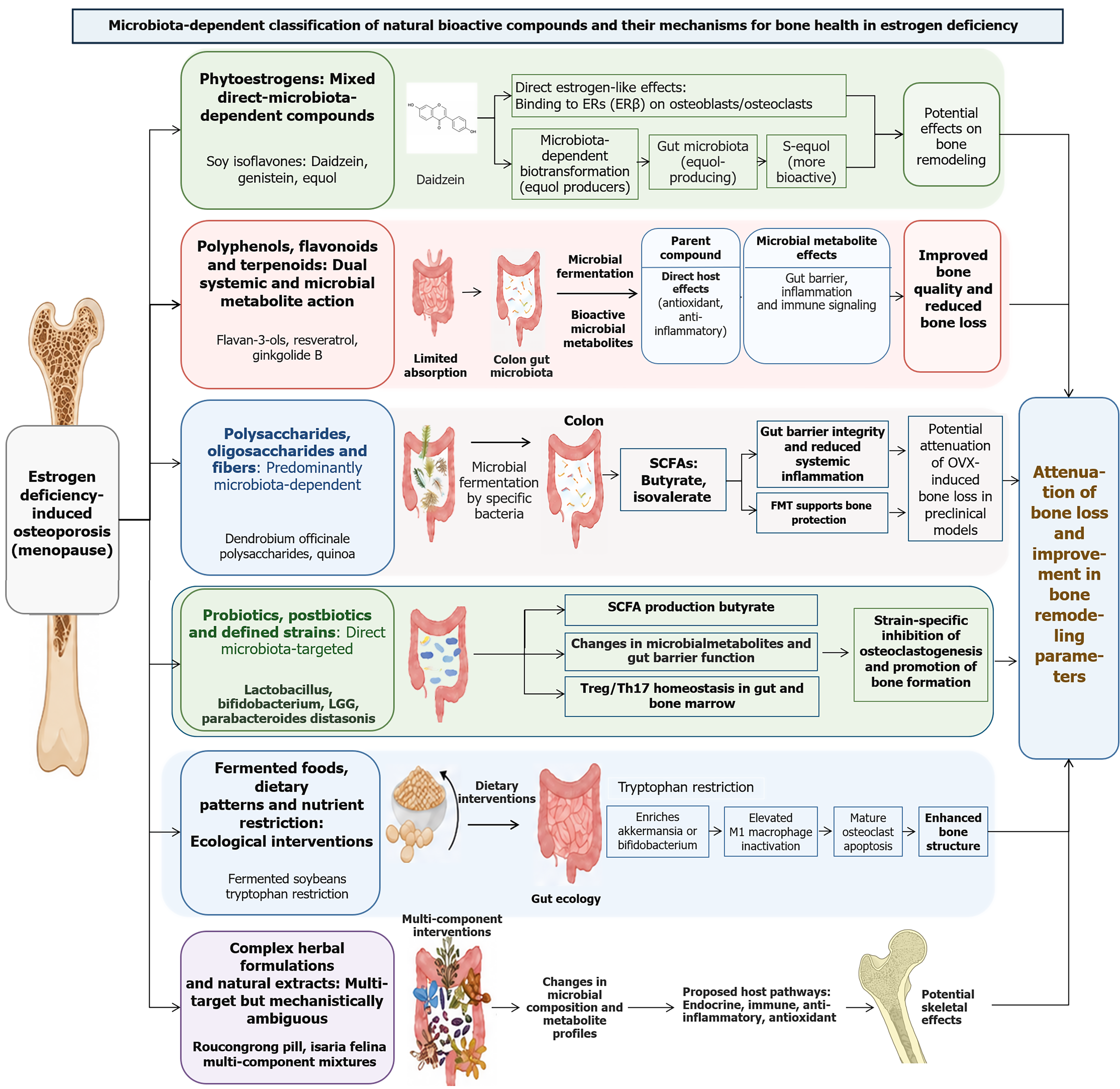
Figure 1 This figure systematically summarizes the microbiota-dependent classification of natural bioactive compounds in the context of estrogen deficiency, including phytoestrogens, polyphenols and flavonoids, polysaccharides and dietary fibers, probiotics/post
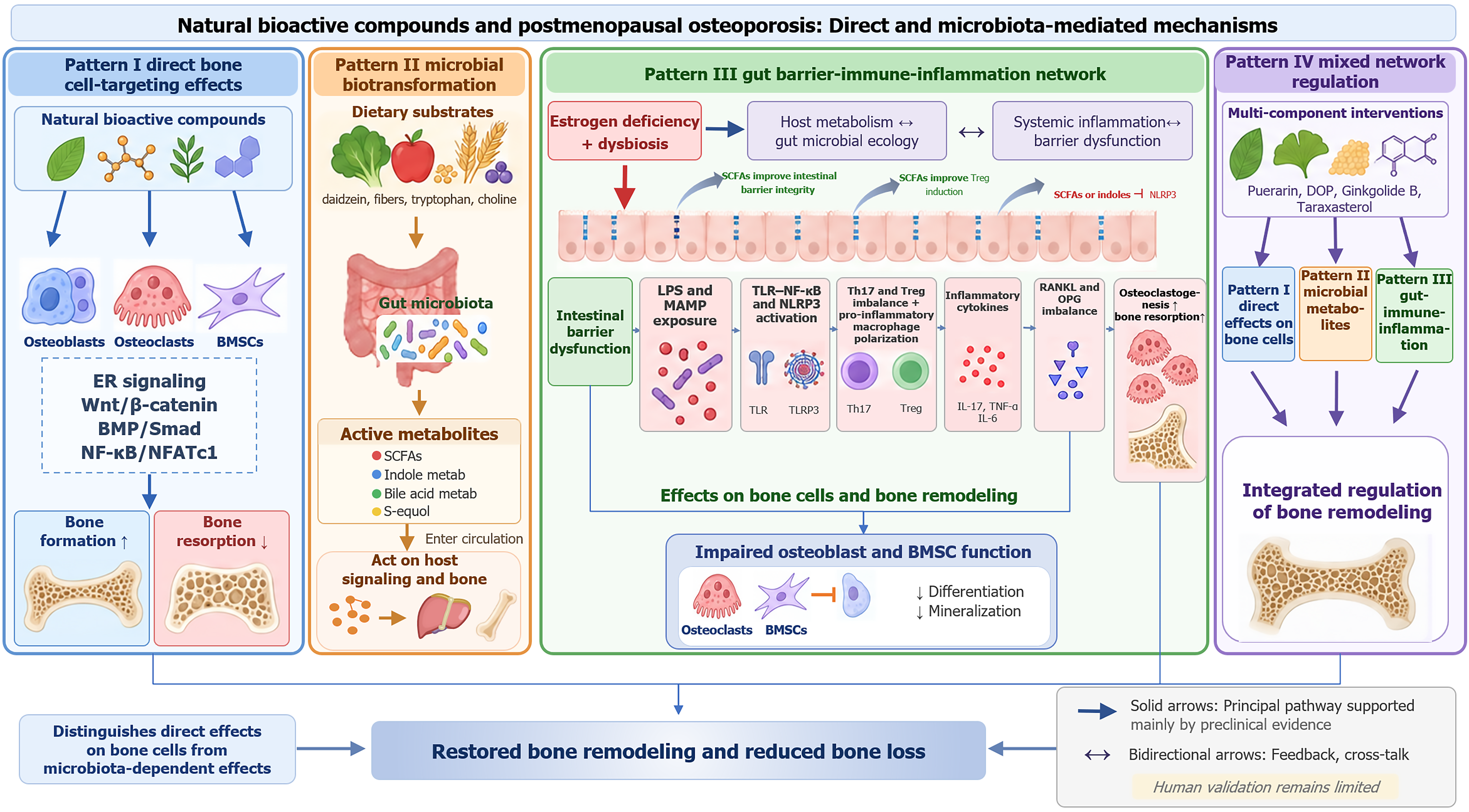
Figure 2 Direct and microbiota-mediated mechanisms of natural bioactive compounds in postmenopausal osteoporosis.
Natural bioactive compounds may influence bone remodeling through direct effects on osteoblasts, osteoclasts, and bone marrow mesenchymal stem cells, microbial biotransformation, and the gut barrier-immune-inflammatory network. Solid arrows indicate principal pathways supported mainly by preclinical evidence. Bidirectional arrows indicate proposed, associative or feedback relationships. LPS: Lipopolysaccharide; ER: Estrogen receptor; SCFAs: Short-chain fatty acids.
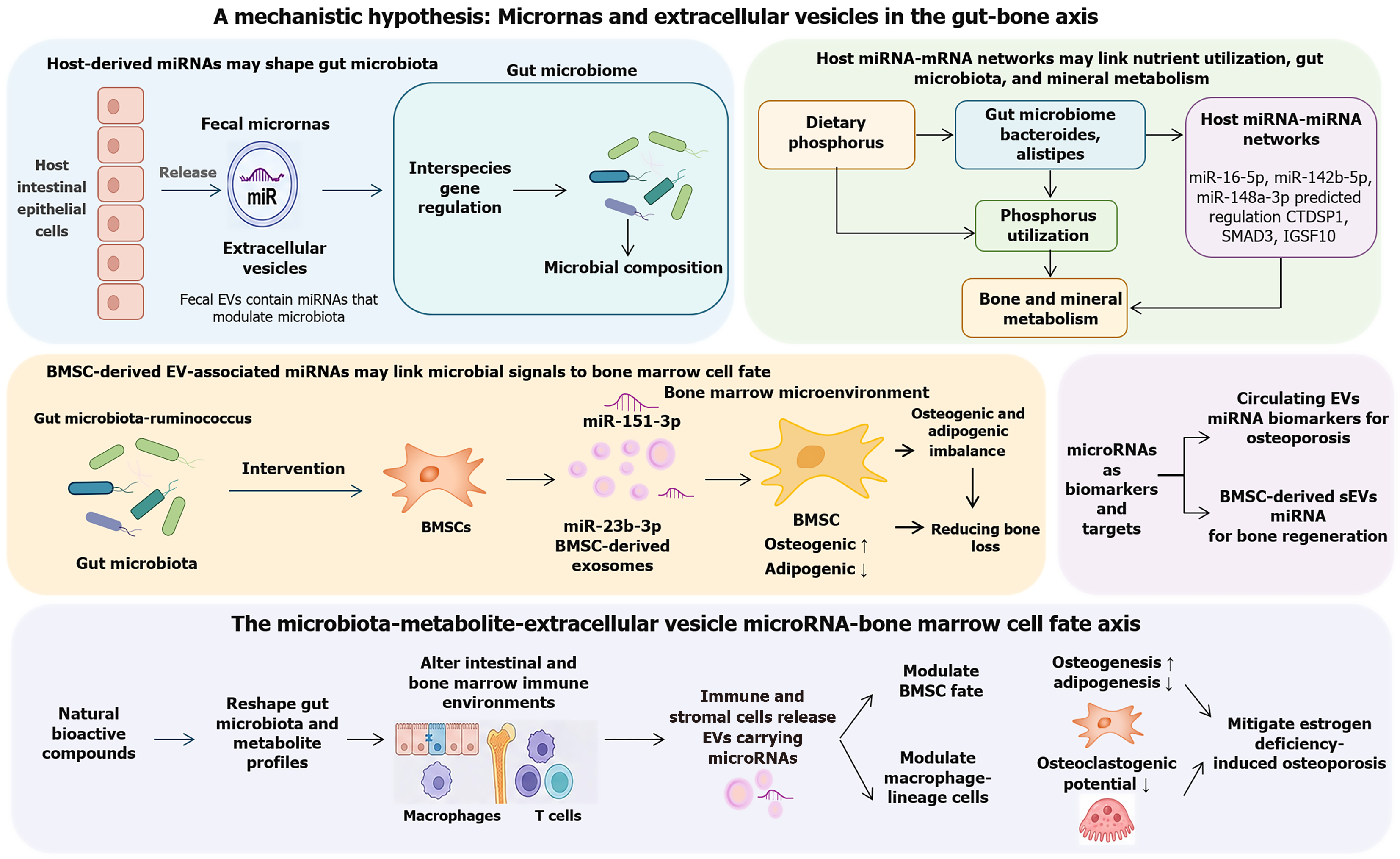
Figure 3 This figure presents a mechanistic hypothesis in which miRNAs and extracellular vesicles participate in the regulation of the gut-bone axis.
Host-derived miRNAs may be transported into the gut via extracellular vesicles and influence microbial composition by regulating microbial gene expression, while dietary nutrients and gut microbial metabolism may further modulate the balance between osteogenic and adipogenic differentiation through host miRNA-mRNA networks and bone marrow mesenchymal stem cell-derived exosomal miRNAs.
- Citation: Luo L, Zhang T, Xu WS. Natural bioactive compounds in estrogen deficiency-induced osteoporosis: Classification and an integrated gut microbiota-metabolite-immune-bone framework. World J Orthop 2026; 17(11): 127949
- URL: https://www.wjgnet.com/2218-5836/full/v17/i11/127949.htm
- DOI: https://dx.doi.org/10.5312/wjo.127949