
















Copyright: ©Author(s) 2026.
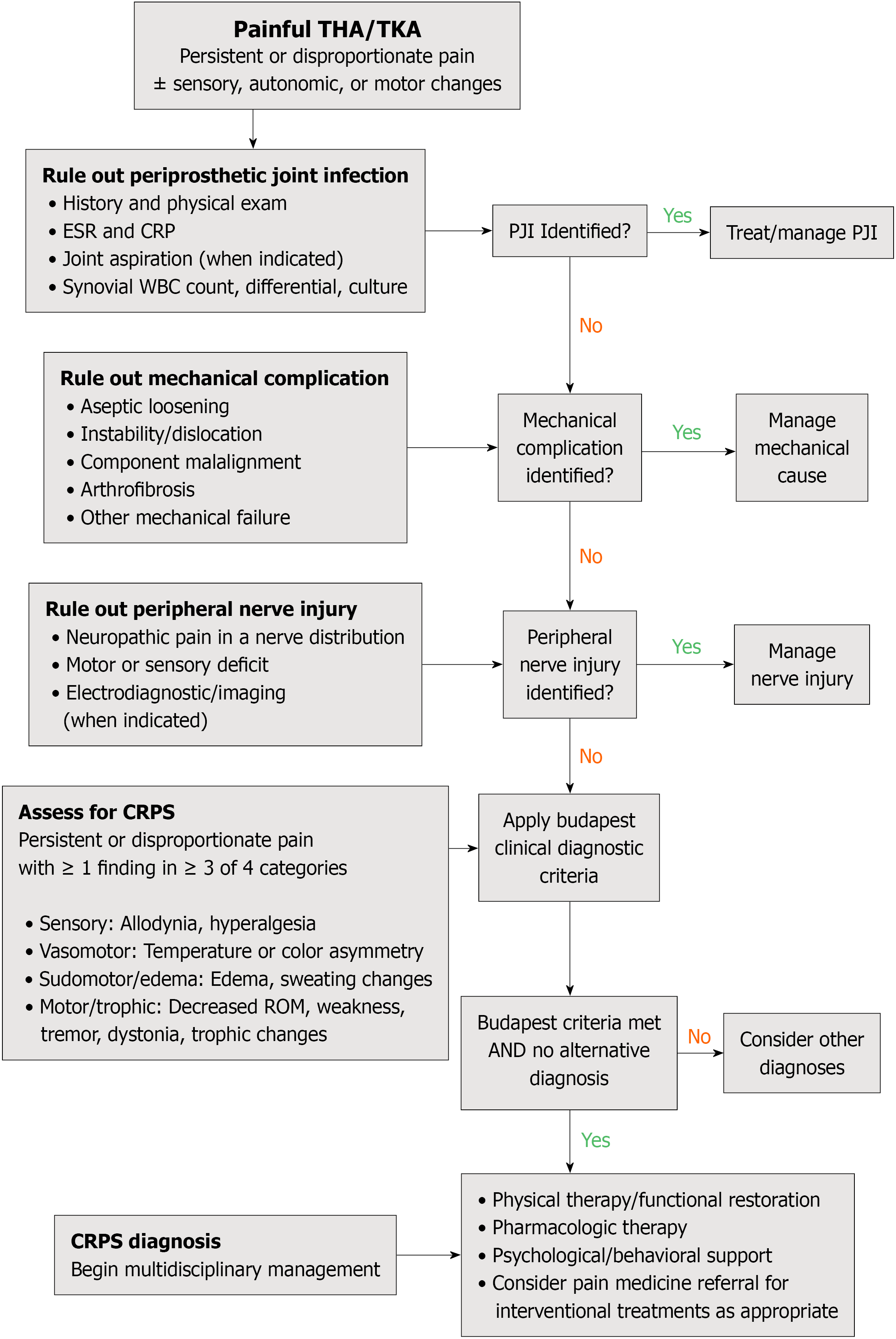
Figure 1 Clinical algorithm for evaluation of suspected complex regional pain syndrome following total hip arthroplasty or total knee arthroplasty.
The algorithm emphasizes sequential exclusion of periprosthetic joint infection, mechanical complications, arthrofibrosis, and peripheral nerve injury before application of the Budapest clinical diagnostic criteria. It has not been prospectively validated and should not replace individualized clinical assessment. THA: Total hip arthroplasty; TKA: Total knee arthroplasty; PJI: Periprosthetic joint infection; ESR: Erythrocyte sedimentation rate; CRP: C-reactive protein; WBC: White blood cell; CRPS: Complex regional pain syndrome; ROM: Range of motion.
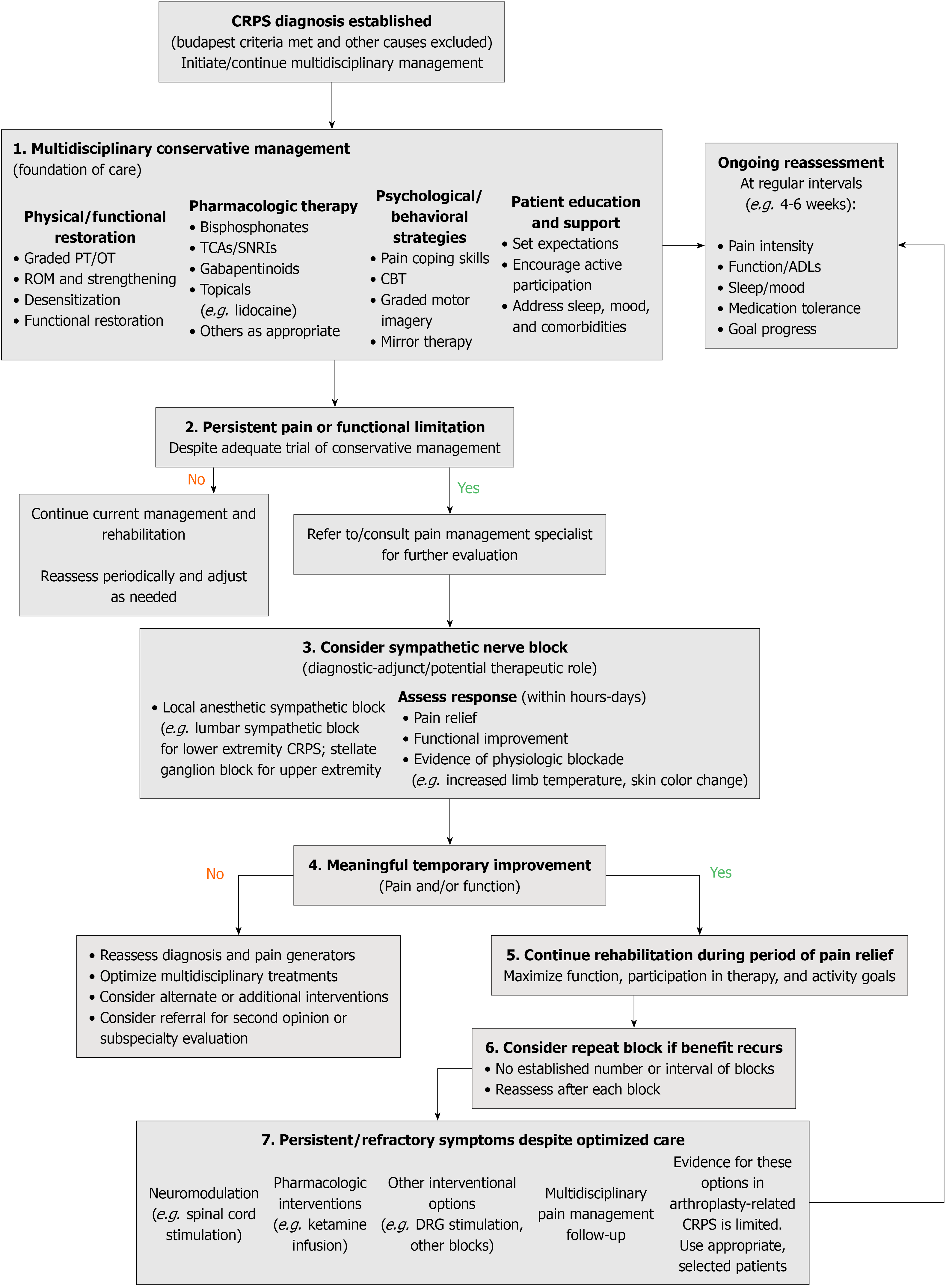
Figure 2 Clinical algorithm for management of complex regional pain syndrome following total hip arthroplasty or total knee arthroplasty.
Multidisciplinary management forms the foundation of treatment, with sympathetic nerve blocks considered selectively for diagnostic and temporary therapeutic benefit. Repeat blocks may be considered when meaningful benefit is demonstrated, while persistent or refractory symptoms may warrant additional pain-management interventions. The algorithm has not been prospectively validated, and treatment should be individualized according to clinical response and available evidence. CRPS: Complex regional pain syndrome; ROM: Range of motion; TCA: Tricyclic antidepressant; SNRI: Serotonin-norepinephrine reuptake inhibitor; CBT: Cognitive behavioral therapy; ADL: Activities of daily living; DRG: Dorsal root ganglion.
- Citation: O’Palko S, Burbelo A, Murphy A, Bullock M. Painful arthroplasty with disproportionate pain: Recognition and management of complex regional pain syndrome. World J Orthop 2026; 17(10): 126605
- URL: https://www.wjgnet.com/2218-5836/full/v17/i10/126605.htm
- DOI: https://dx.doi.org/10.5312/wjo.126605